Obj 10A Meiosis & 12B Nondisjunction
meiosis - type of cell division that results in four daughter cells each with half the number of chromosomes of the parent cell, as in the production of gametes
Objective 10A: Meiosis and Crossing Over (10.1-10.4)
10.1.1 Differentiate between asexual and sexual reproduction.
asexual - generation of offspring from a single parent that occurs without the fusion of gametes, use mitotic cell division in which DNA is copied and allocated equally to two daughter cells, exact copies of the parent’s genome
sexual - two parents give rise to offspring that have unique combinations of genes inherited from the two parents, offspring vary genetically from their siblings and both parents, variations on a common theme of family resemblance rather than exact replicas
10.2.1 Explain how, then why, karyotyping is performed.
karyotyping - used to screen for defective chromosomes or abnormal numbers of chromosomes associated with certain congenital disorders, display of condensed chromosomes arranged in pairs
10.2.2 Explain how chromosomes are paired. Distinguish between autosomes and sex chromosomes.
synapsis (prophase) - process of how chromosomes are paired, homologous chromosomes align next to each other
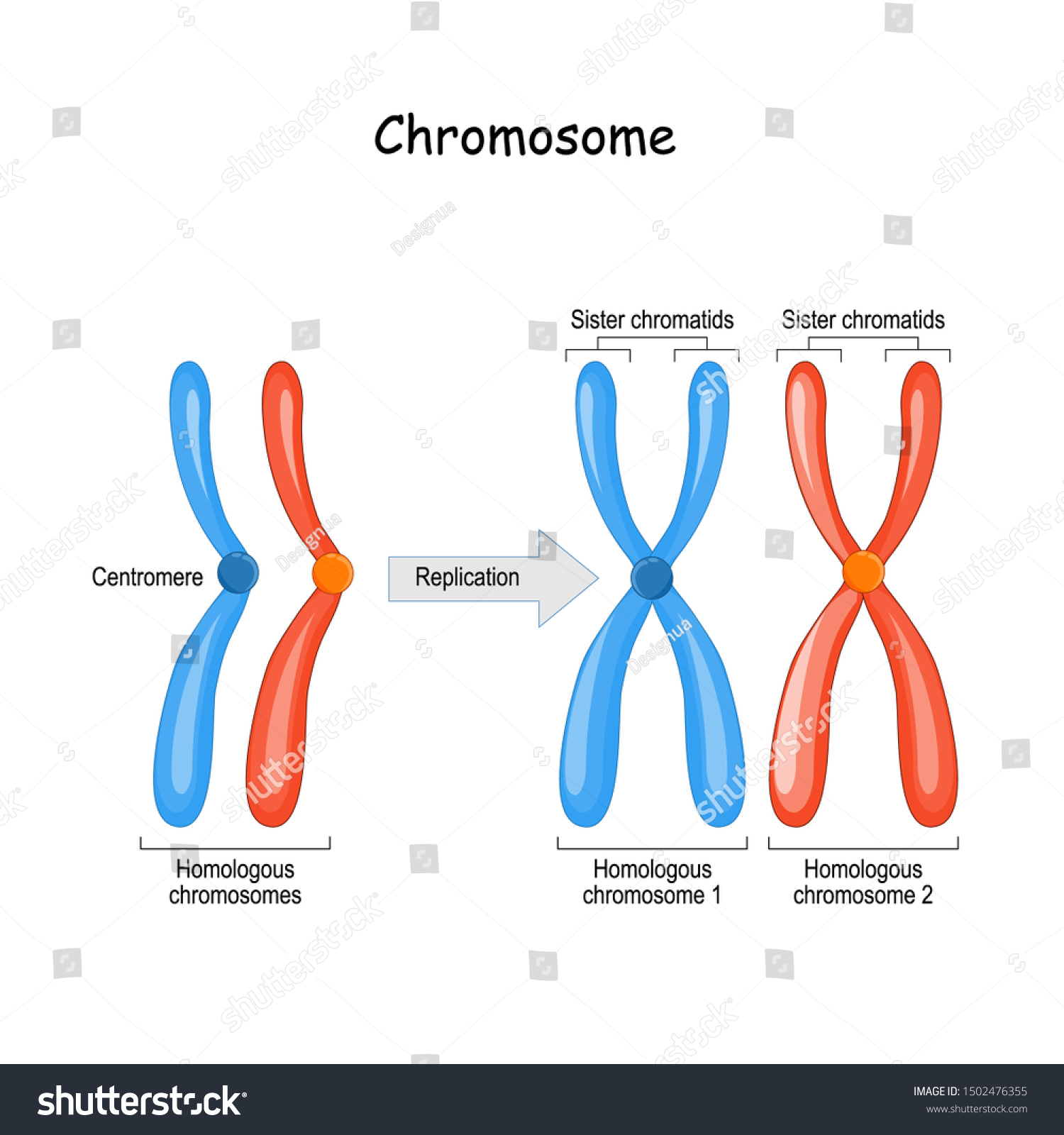
autosomes - determine general traits, found in matching pairs (22 in humans) chromosomes not directly involved in determining sex
sex chromosomes - determine biological sex, single pair (XX for female, XY for male)
10.2.3 Distinguish somatic cells from gametes by stating their common names and if they are diploid or haploid.
somatic cells - diploid, any cell in a multicellular organism except a sperm or egg or their precursors, diploid (contain two sets of chromosomes), body cells like skin, blood, muscle cells
gametes - a haploid (contain one set of chromosomes) reproductive cell, unit during sexual reproduction to produce a diploid zygote, reproductive cells like sperm and egg cells
10.2.4 Describe the human life cycle using the terms meiosis, fertilization, zygote, mitosis, diploid, haploid, sperm, egg, ovary and testis
meiosis - meiosis of diploid cells creates haploid sperm or haploid eggs, reduces the chromosome number which is crucial because the resulting gametes each contain only half the number of chromosomes of a regular body cell
fertilization - the fusion of a haploid sperm and a haploid egg; restores the diploid number of chromosomes, forming a single diploid cell called a zygote
zygote - single diploid cell
mitosis - zygote is the starting point for a new individual, and its cells will divide through mitosis to create all cells in the body
10.2.5 Explain why sexual reproduction requires meiosis.
to produce haploid gametes, which half the number of chromosomes as the parent cell so that the resulting zygote have 23 chromosomes from both parents
10.3.1 Describe the major events of the phases of meiosis.
Meiosis I - homologous chromosomes pairs separate after crossing over and aligning at the cell’s center, resulting in two haploid cells
Prophase I - homologous chromosomes pair up and exchange genetic material through crossing over, creating genetic variation; nuclear envelop breaks down, and the spindle fibers start to form
Metaphase I - the homologous chromosomes pairs (tetrads), line up randomly at the center of the cell
Anaphase I - the homologous chromosomes are pulled to opposite ends of the cell, but the sister chromatids remain attached
Telophase I and Cytokinesis - a nuclear envelope reforms around the separated chromosomes at each pole, and the cytoplasm divides, resulting in two haploid daughter cells
Meiosis II - divides the cells by separating the sister chromatids, similar to mitosis to produce a total of four genetically unique haploid cells
Prophase II - nuclear envelopes break down, and new spindle fibers form in each of the two haploid cells from Meiosis I
Metaphase II - the chromosomes, each with two sister chromatids, line up along the metaphase plate in each of the two cells
Anaphase II - sister chromatids separate and are pulled to opposite poles of the cell, becoming individual chromosomes
Telophase II and Cytokinesis - nuclear envelopes reform around the chromosomes, and the cytoplasm divides; results in a total of four haploid daughter cells, each containing a unique combination of genes
10.3.2 Compare and contrast mitosis and meiosis (see fig. 10.10)
10.3.3 Describe the fundamental differences between Meiosis I and Meiosis II
10.4.1 List the 3 mechanisms that contribute to genetic variation from sexual reproduction.
10.4.2 Define independent assortment and describe how it leads to variation in gametes.
10.4.3 Explain why the term “genetic recombination” is fitting for chromosomes after crossing over.
Objective 12B: Alterations of Chromosome Number and Structure (12.4)
12.4.1 Explain how nondisjunction occurs and possible outcomes when it occurs.
12.4.2 List the chromosomal anomaly that causes Down’s syndrome.
12.4.3 List the 4 examples of sex chromosome aneuploidy listed in 12.4 and the resulting symptoms associated with each.