KIN 261 - Chapter 2-1
The most common component of successful aging is physical function
the percentage of people who are aging successfully is very low
successful aging involves the accumulations of our decision (that affect our health) over our lifetime
Theories of Aging - How do all of these factors contribute to successful aging?
biological theories
psychological theories
sociological theories
Theory - explains how various phenomena occur
Biological Theories
Genetic Theories
natural breakdown of Deoxyribonucleicacid (DNA)
Hayflick Limit (1961)
proposes that human body cells can only replicate a fixed number of times before they stop and die
now considered outdated since different human body cells have different “caps” (some don’t even replicate at all) and many die before this limit is reached
Damage Theories
accumulation of cell damage as a key determinent of cellular disfunction and death
free-radical theory (too many free-radicals in the body is bad)
cross-linkage (where molecules of CT become intertwined [cross-linked] that result in cellular disfunction)
leads to reduced elasticity of skin and muscle tissues, stiffening of blood vessel walls, and reduced joint mobility
prevented through being active and eating healthy
Gradual imbalance theories
where different body systems age at different rates, leading to an imbalance in biological functions (especially in CNS, immune, and endocrine systems)
increases likeliness of disease
~25% of aging has to do with genetics
Psychological Theories
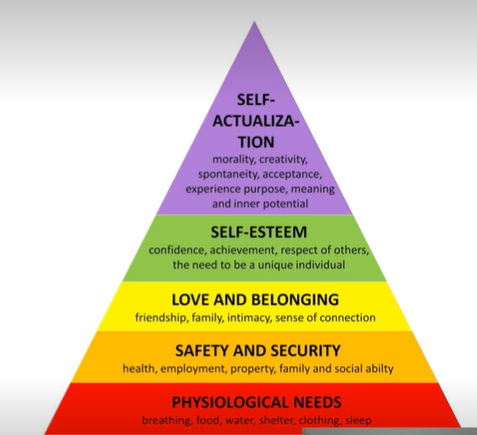
lower levels in the pyramid need to be addressed first
Self-Actualization & Transcendence
both of these traits must be maximized to gain maximum wisdom
Transcendence = helping others find self-fulfillment and realize their potential to satisfy a higher purpose (they transcend past themselves and look at how they could impact the outside world)
individuals generally rate their self-wellbeing higher when other people in society also have their needs fulfilled
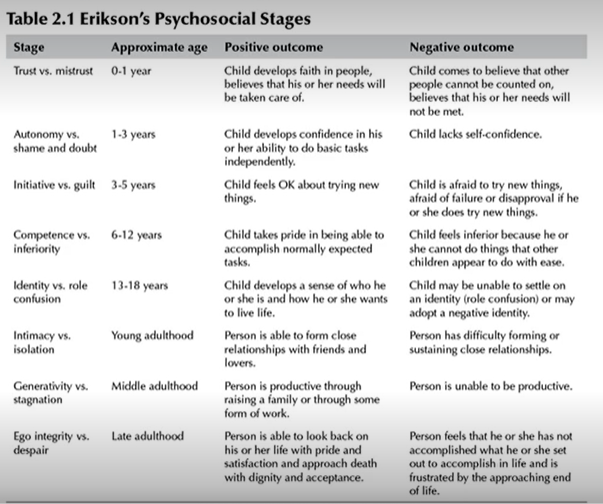
Sociological Theories
Activity Theory (most widely accepted)
greater activity = great life satisfaction
Continuity Theory
carry positive healthy habits, lifestyles, and relationships throughout life
heavy evidence that a person’s social and physical environment influenced their aging
Rowe and Kahn’s Successful Aging Model
emphasizes the positive aspects of aging and the important role of lifestyle and other psychosocial factors to retain or even enhance their function
three pillars (must display high levels for all three of these characteristics for successful aging
low risk of disease an disease-related disability
high mental and physical function
active engagement with life
Selective Optimization with Compensation Model
“how can people achieve high wellbeing despite the physical declines that most people go through as part of the aging process?”
maximizes doing the best they can with what they have
adaptation to age-related changesin physiological function
Two-Factor Model of Successful Aging
focuses on the idea that adults can attain disease and/or disability but still believe that they are aging successfully
objetive and subjective aspects
things like cognitive function, social engagement, and psychological wellbeing are viewed as predictors of successful aging, not necessarily as barometers for it
Physiological Benefits of Physical Activity - provides physiological, psychological, and sociological benefits
most common area that is attended to for the prevention ofage
Immediate Benefits
glucose levels,
catecholamine (ex: adrenaline) activity
improved sleep
Long-Term Effects
aerobic endurance
resistance training
flexibility
balance and coordination
velocity of movement
Psychological Benefits of Physical Activity
Immediate Benefits
relaxation
reduced stress and anxiety
enhanced mood state
Long-Term Effects
general well-being
improved mental health
cognitive improvements (ex: reaction time)
motor control and performance
skill acquisition
Social Benefits of Physical Activity
Immediate Benefits
empowered older individuals
enhanced social and cultural integration
Long-Term Effects
enhanced integration
formation of new friendships
widened social and cultural networks
role maintenance and role acquisition
enhanced integrational activity