3.3a + 3.3c - Gender and Sexual Orientations (Sexual Development)
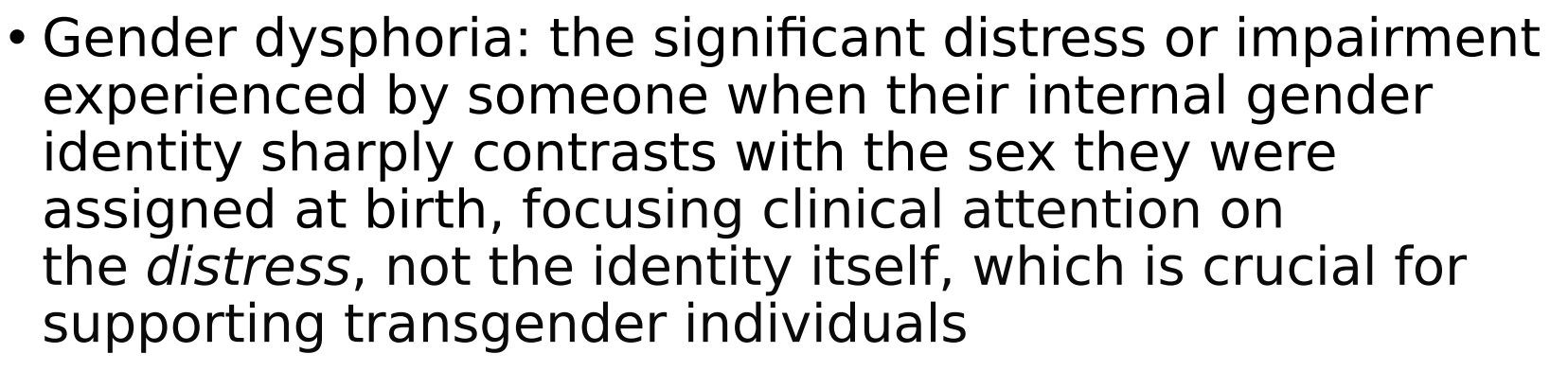
*Important to know the difference between sex and gender
→ Sex: the biologically influenced characteristics by which people define male, female, & intersex
→ Gender: the attitudes, feelings, and behaviors that a given culture associates w/ a person’s biological sex
our understanding of gender arises from the interplay between our biology and experiences
Intersex: possessing male and female biological sexual characteristics at birth
most of us receive 23 chromosomes each from our mom and dad
45/46 are unisex
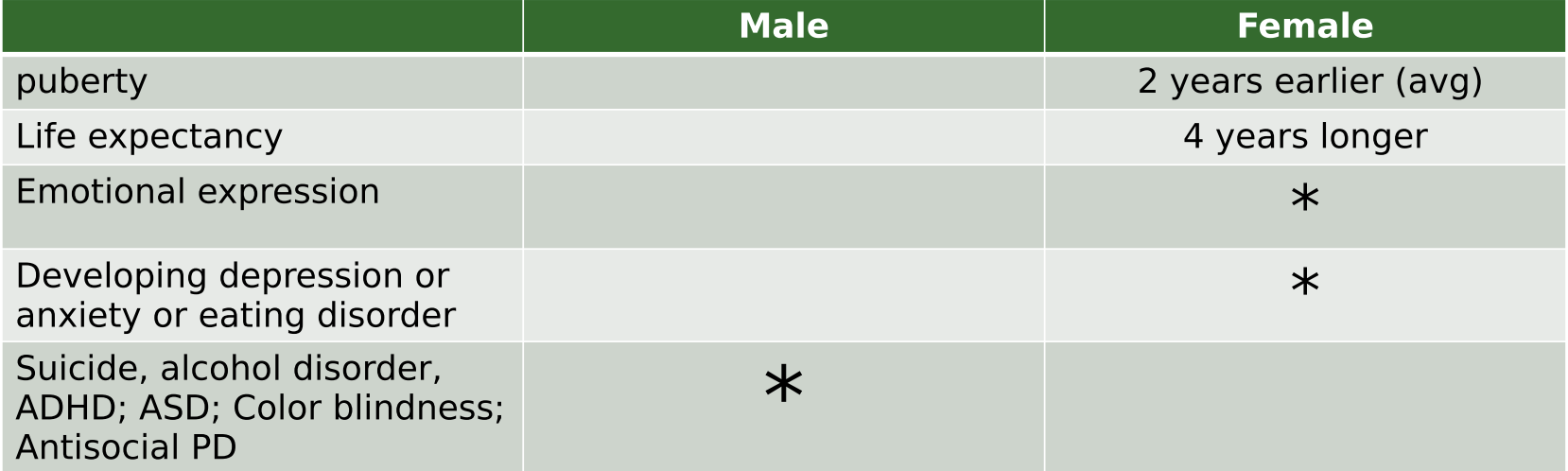
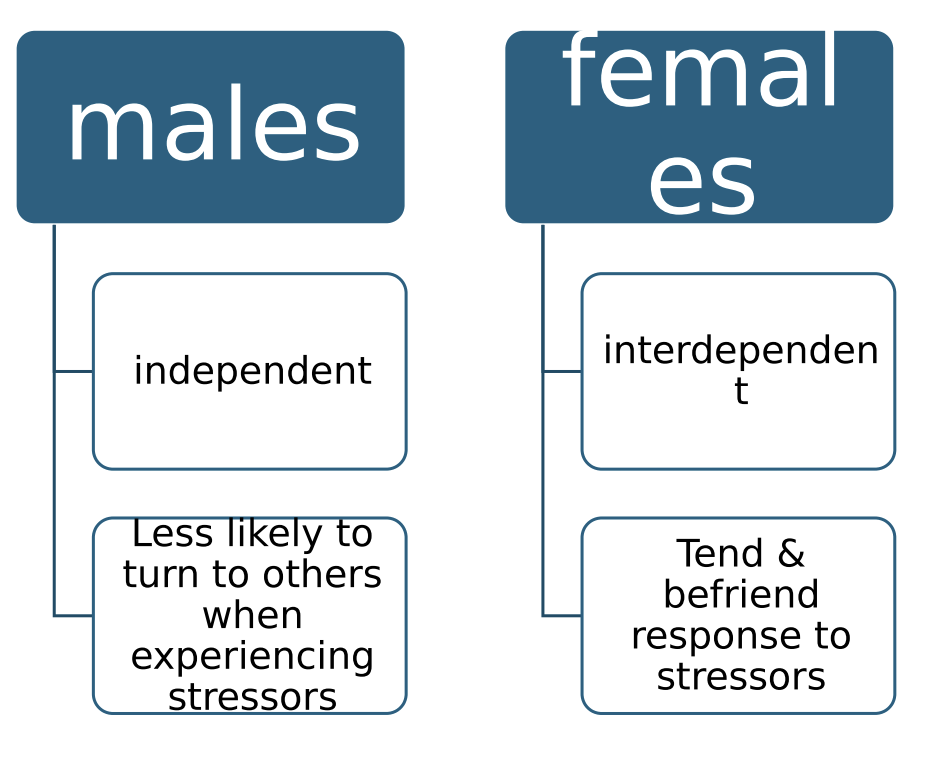
Male & Female Differences
Aggression: any physical/verbal behavior intended to harm someone physically/emotionally
Men display physical aggression more than women
Relational Aggression: an act of aggressions (physical/verbal) intended to harm someone’s relationship/social standing
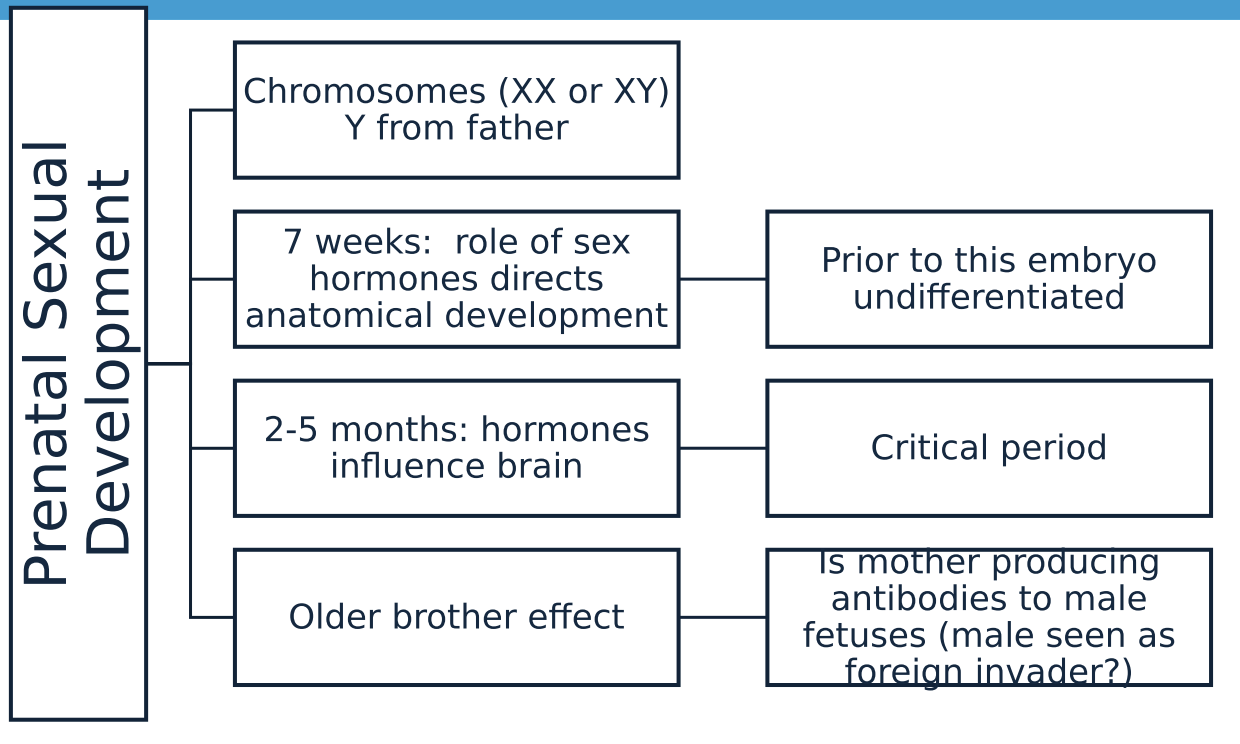
Prenatal & Adolescent Sexual Development
X Chromosome: sex chromosome found in females and males — females typically have 2 X chromosomes; males have 1
an X chromosome from each parent produces a female child
Y Chromosome: sex chromosome typically found only in males
when paired w/ an X chromosome from the mother, it produces a male child
Sex Hormones — during the 4th and 5th prenatal months, sex hormones bathe the fetal brain and influence its wiring (due to increase of testosterone and estrogen levels)
→ Testosterone: the most important male sex hormone
males and females have it but the additional testosterone in males stimulates the growth of the male sex organs during the fetal period & the development of male sex characteristics during puberty
→ Estrogens: sex hormones such as estradiol, that contribute to female sex characteristics & are secreted in greater amounts by females than by males
* Puberty begins at 10 for girls, 12 for boys (girls have earlier entry to puberty)
→ Spermarche: the first ejaculation (usually at 14)
→ Menarche: first menstrual period
Primary sex characteristics: the body structures (ovaries, testes, and external genitalia) that make sex reproduction possible
Secondary sex characteristics: nonreproductive sex traits, such as female breasts & hips, male voice quality & body hair
Gender Development
Terminology that’s important to know:
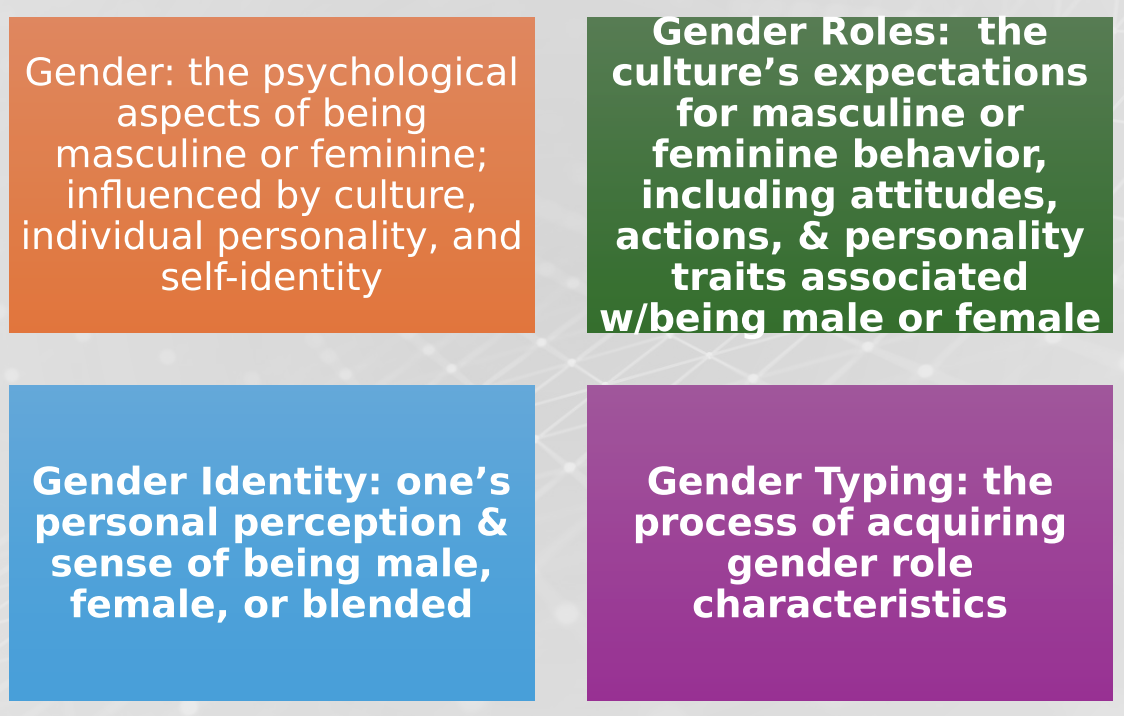
Gender Theories:
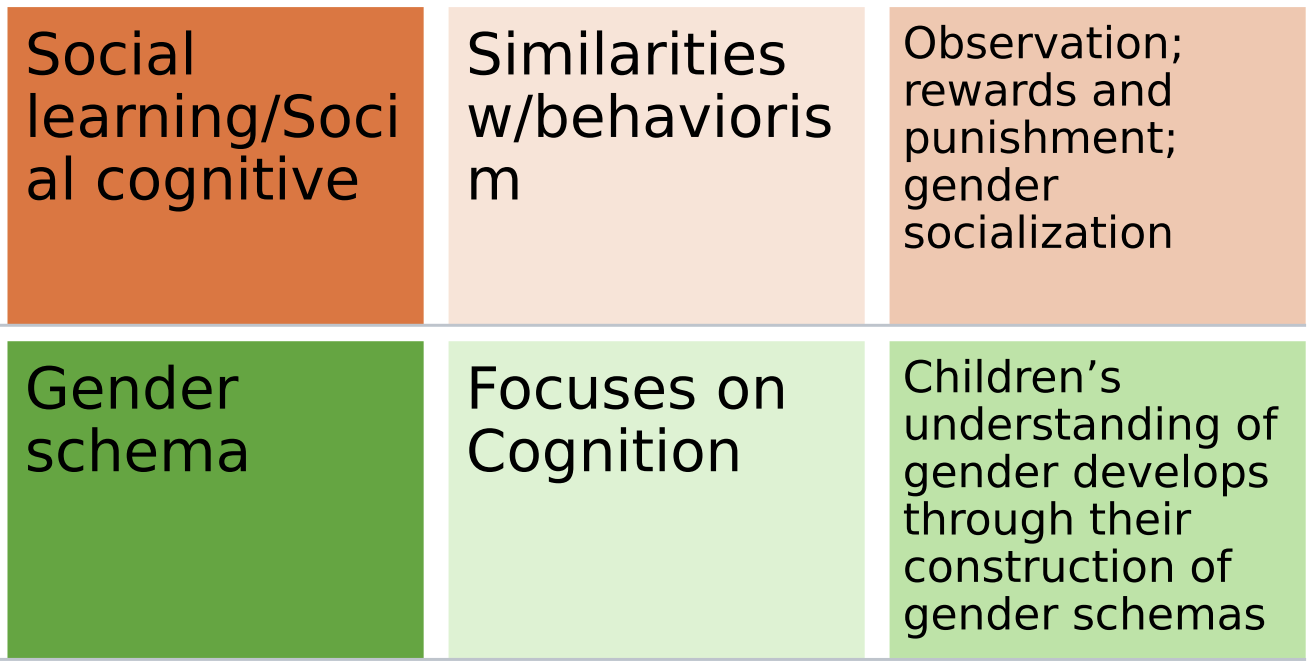
Androgyny: displaying traditionally masculine and traditionally feminine psychological characteristics
→ androgynous people are:
adaptable
flexible in actions & career choices
resilient
self-accepting
less depressed