4.3_NATIONAL vs. REGIONAL Politics, 1800-1848 [APUSH Review]
Introduction to Economic Unification and Regional Distinction in Early America
Examination of the dual developments in the early Republic:
National Economic Unification: Growth of a national economy linking different regions.
Regional Distinctions: Simultaneous emergence of distinctive regional economies and identities, creating unique interests and priorities.
The conflict between national and regional concerns, notably from the late 18th to early 19th century.
National Economic Development
Legislative Efforts to Build the National Economy: Important actions taken to strengthen the American economy.
The Louisiana Purchase:
Facilitated by Napoleon's decision to sell the territory to the United States at a low price.
Opened the Mississippi River for trade and commerce, beneficial for merchants, particularly in the South and West.
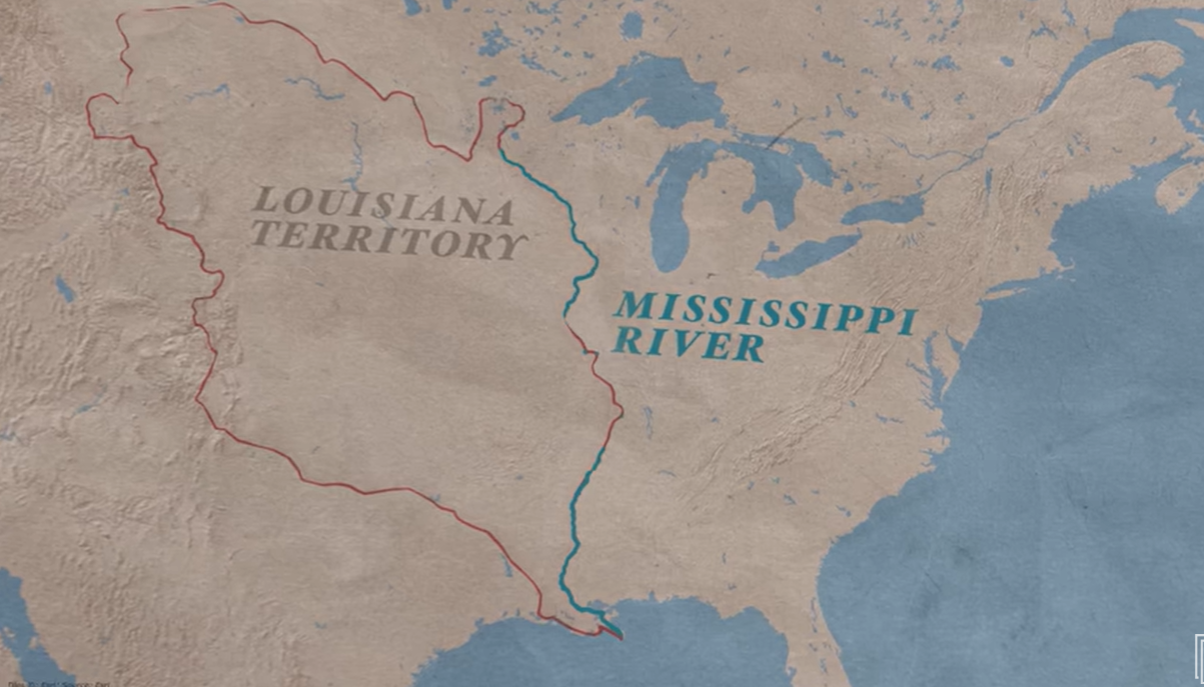
The advent of steamships improved navigation, allowing trade vessels to travel both upstream and downstream.
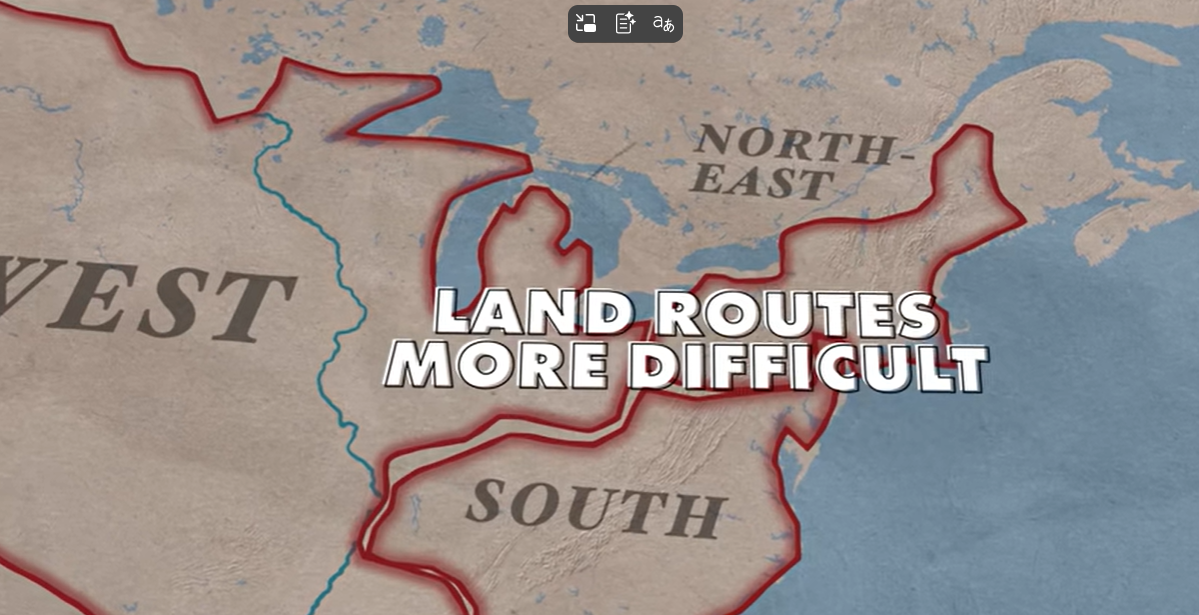
Impact on the Northeast:
Increased trade opportunities for the South decreased the attractiveness of overland routes from the Northeast to the Ohio River Valley due to the hurdles of land travel.
Introduction of the Erie Canal (1825):
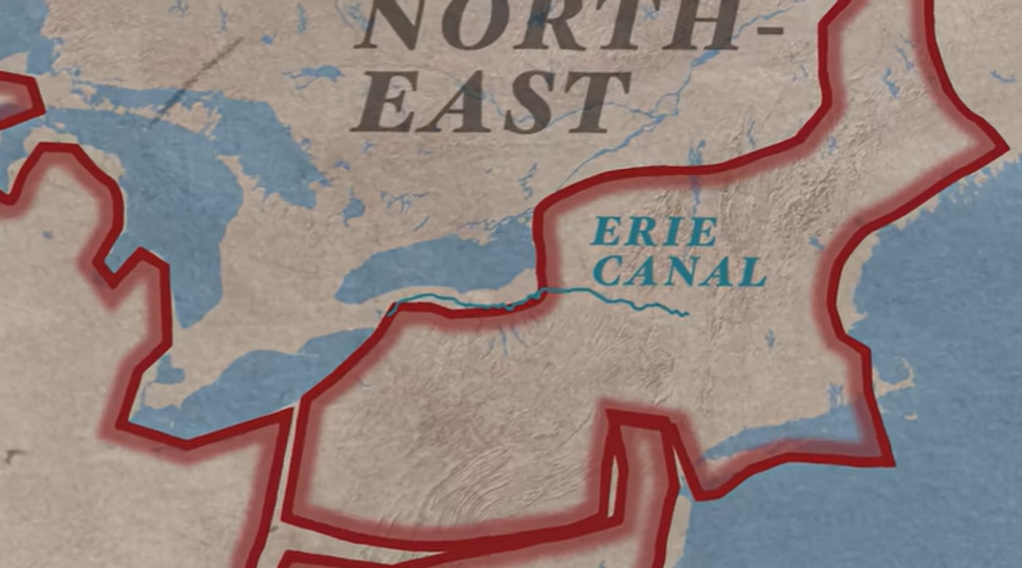
Improved connections between the Northeast and the western farms, enhancing trade routes.
Alleviated economic decline in the Northeast.
Infrastructure Development
Cumberland Road (1811):
Sponsored by Congress to improve overland trade between Maryland and Ohio.
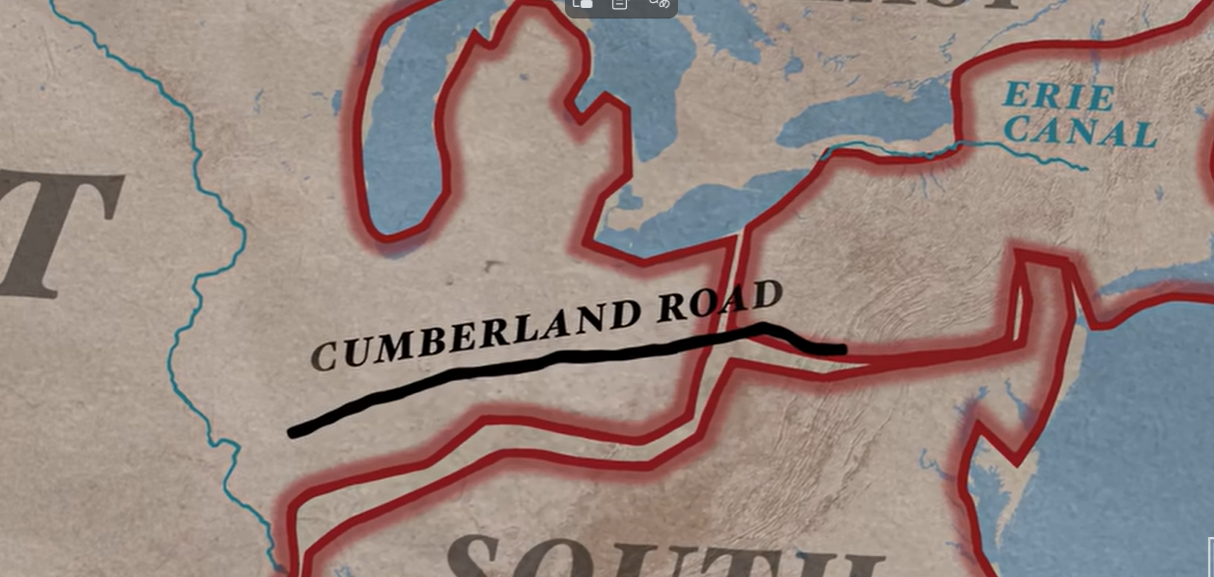
Importance of Infrastructure:
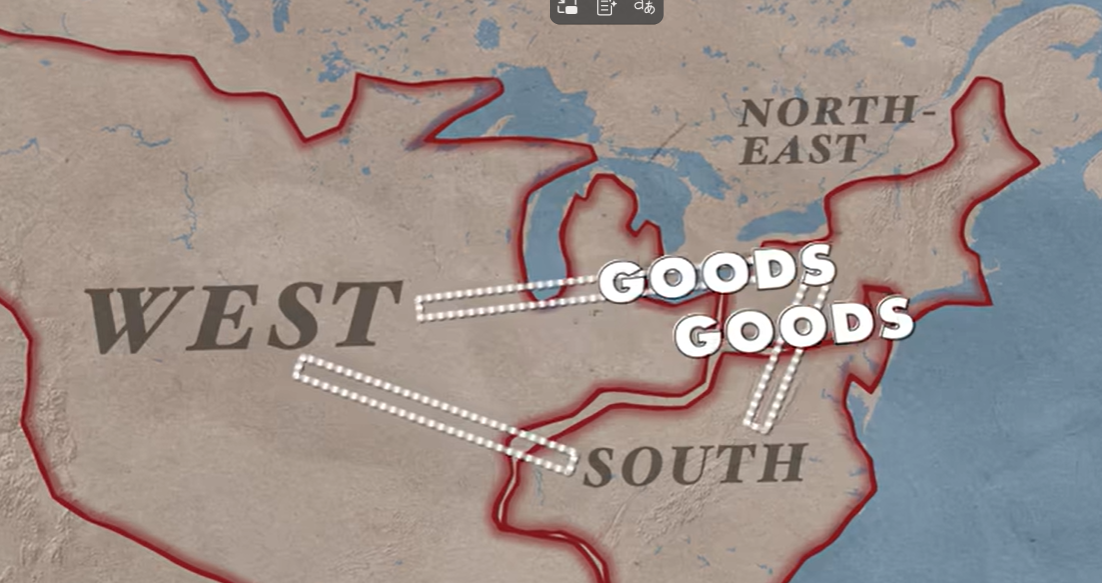
Federally funded infrastructure was pivotal in linking the diverse regional economies of the U.S.
Southern planters could transport raw materials like cotton to northern factories.
Northern manufacturers could distribute finished goods to southern and western consumers.
The American System
Proposed by Henry Clay (1824):
A set of comprehensive policies aimed at enhancing the national economy and interlinking regional economies.
Three Main Emphases of the American System:
Infrastructure Projects:
Funded via tariffs and land sales; included roads and canals benefiting both southern and western farmers.
Protective Tariffs:
A tax on foreign goods aimed at promoting domestic products.
Example: Tariff of 1816:
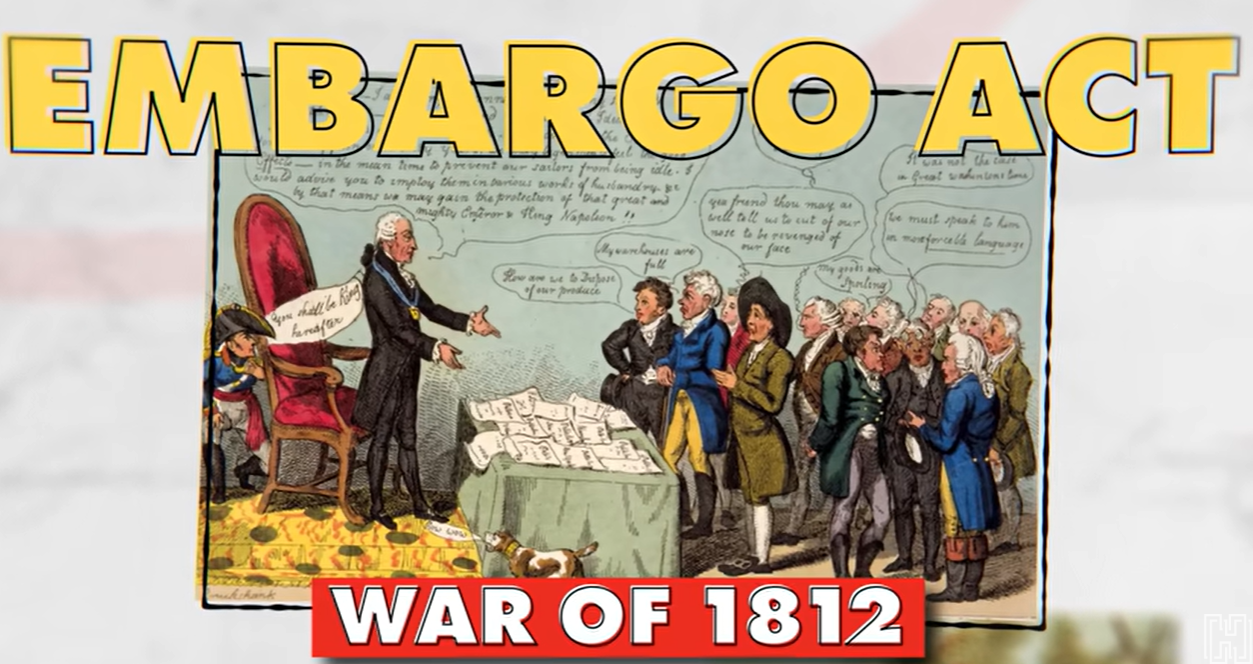
Response to the influx of cheap British goods post-War of 1812.
Raised prices on British imports to favor American-made products, primarily to protect domestic industries rather than to generate revenue.
Popular across various regions due to framing as a national security issue, balancing out interests of different regions.
Second Bank of the United States:
Established after the original bank’s charter was not renewed in 1811.
Aimed to regulate credit and issue national currency, facilitating interdependence among regions while also promoting regional specialties (North: manufacturing, South: cotton, West: food production).
Regional Specialization and Distinction
Despite the national economy's growth, regional distinctions became more prominent.
Specialization:
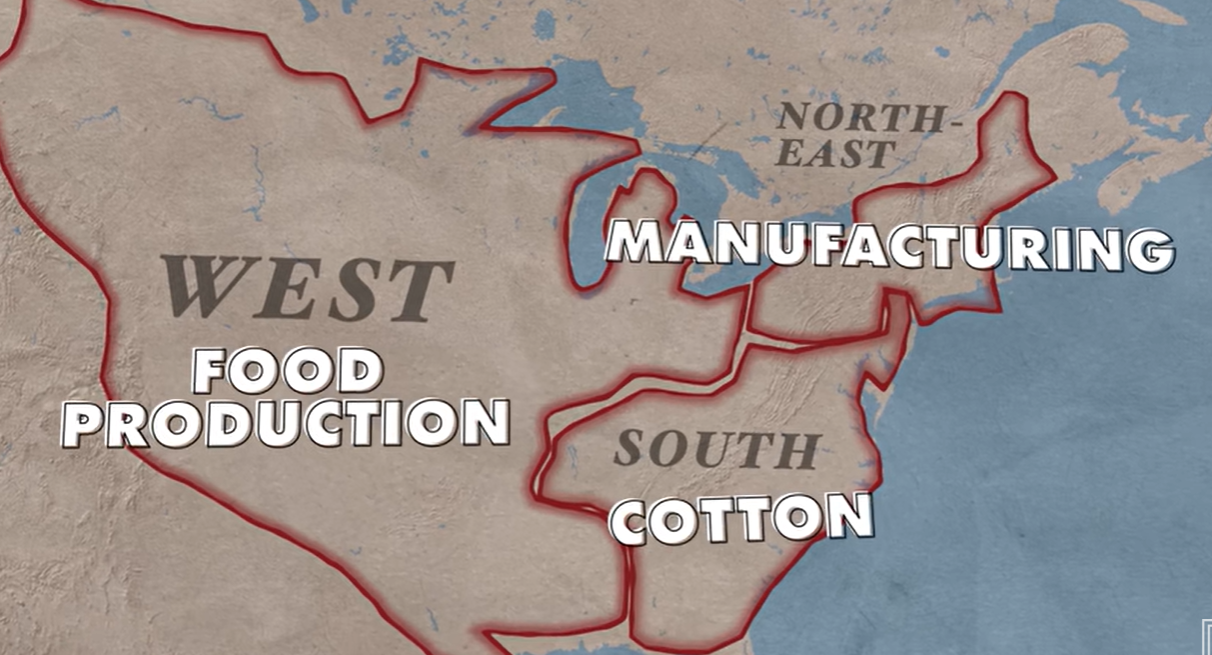
Southern states focused on agriculture, primarily cotton export.
Northern states specialized in manufacturing, reliant on raw materials from the South.
Migration of southern planters with enslaved labor to the West exacerbated regional disparities.
Post-1808 ban of international slave trade led to an increase in the domestic slave trade as planning shifted toward sustaining agriculture in the expansive territories.
Interdependence vs. Distinction:
Regions became more economically reliant on each other, yet differing economic policies and social structures (e.g., slavery) intensified regional distinctions.
Economic and Social Tensions
Economic Panic of 1819:
Triggered by imprudent lending practices of the national bank, causing a financial crisis and widespread foreclosures.
Diverging interests emerged:
North: Advocated for more tariffs to shield their industries from foreign competition.
South: Opposed tariffs that raised prices on essential goods during a downturn in agricultural demand.
Farmers felt overlooked in regional debates as economic policies were crafted to cater to elite needs, leading to mistrust in government.
Slavery Tensions:
Southern states relied heavily on enslaved labor, while northern states operated on wage labor (free labor).
Rising discontent rooted in perceptions of threats posed by opposing labor systems, escalating sectional tension.
Balance in Congress for slave versus free states was critical; 44 senators divided evenly as of 1820.
The Missouri Compromise (1820)
Context:
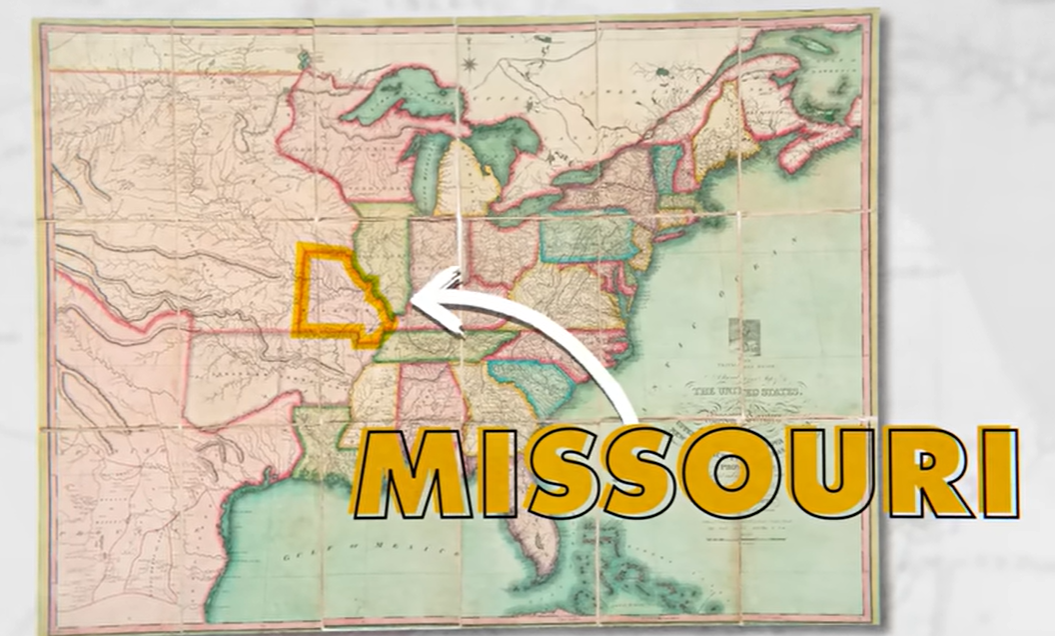
Missouri sought admission as a slave state, which would disrupt the Senate balance in favor of slave states.
Talmadge Amendment:
Proposed that Missouri could only join as a free state with gradual emancipation of existing enslaved people.
Encountered rejection from southern congress members, leading to intensified conflicts.
Henry Clay's Role:
Propose the Missouri Compromise to preserve Senate balance.
Key Outcomes of the Compromise:
Missouri admitted as a slave state.
Maine admitted as a free state, maintaining Senate equilibrium.
Established the 3630 line of latitude as a boundary: slavery permitted below, prohibited above.
Future Implications:
While this compromise temporarily alleviated tensions, it foreshadowed further sectional disputes as more states formed in the expanding territories.