Therapeutic Options: Cancer
Learning Outcomes:
• Illustrate the importance of cell turnover and kinetics on actions of anti-cancer therapies.
• Describe modalities of therapy currently available.
Therapeutic Options: • what are they
- prevention: environment / behaviour change
diet
screening
genetics
medication / vaccination
- treatment: surgery
radiotherapy
systemic therapy
immunotherapy
Therapeutic options: diet
• evidence from cohort studies
inconsistent & lots of confounding factors
CRC : probably a link with red meat consumption
breast cancer : probably a link with saturated fat intake
physical activity decreases risk
• current advice- eat 5 or more portions of fruits and vegetables / day
- avoid obesity
- take regular exercise (30 minutes / day)
• also of benefit for reducing cardiovascular risk
Therapeutic options: diet & environment
• public policy:
smoking in public places
minimal alcohol pricing
water & air quality : electric cars / renewable energy
vaccination : HPV / Hep B
opportunities via schools : physical activity / school meals etc
income & housing policies
• for medical profession: importance of public health specialists & GPs
Therapeutic options: screening
• high quality research evidence available
Cervical cancer: regular smear tests
CRC : faecal occult blood the most commonly used test
16% reduction in CRC mortality
breast cancer : mammography
• more controversial prostate cancer : PSA blood test
lung cancer : MR / CT scanning
breath test
Therapeutic options: genetics
• high quality research evidence available
CRC & familial adenomatous polyposis coli (FAP)
- autosomal dominant
- screen families for APC mutations
- regular colonoscopy
- offer panprotocolectomy when adenomas found
breast cancer & BRCA1 & BRCA2- also important in therapeutic area
Therapeutic options: chemo-prevention
• more controversial
primary: oesophageal cancer
- high rates in parts of China
- supplement diet with anti-oxidants
primary: breast cancer
- known at risk women
- prophylactic tamoxifen
secondary: previous H&N or lung cancers
- give anti-oxidant supplements
- no benefit
Therapeutic Options: ‘treatment’
• what are they
- local or regional treatment
- surgery- radiotherapy
- ablation (freezing, radio-frequency, etc)
- isolated limb perfusion
- systemic treatment
- hormonal therapy
- chemotherapy
- biological therapy
- immunotherapy
- CAR T-cell therapy
- whole body irradiation (for BMT)
Therapeutic Options: staging
• where is cancer
- examination
- use of radiology / imaging
- CT , MRI, USS, PET etc
• what kind of cancer
- pathology / cytology
- classification, risk factors etc
- genomics now plays a role & will increase
- immune / stromal environment will also have a role
Therapeutic Options: Surgery & radiotherapy
• both are ‘local’ therapies
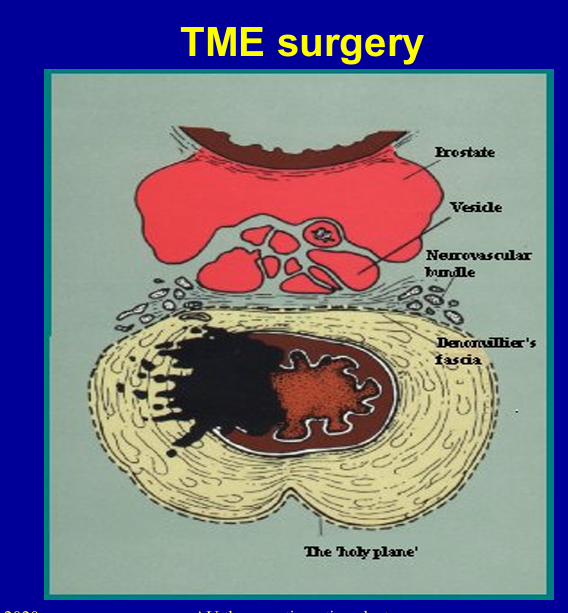
• surgery needs anatomical clearance- of cancers cured about 50% by surgery
• radiotherapy
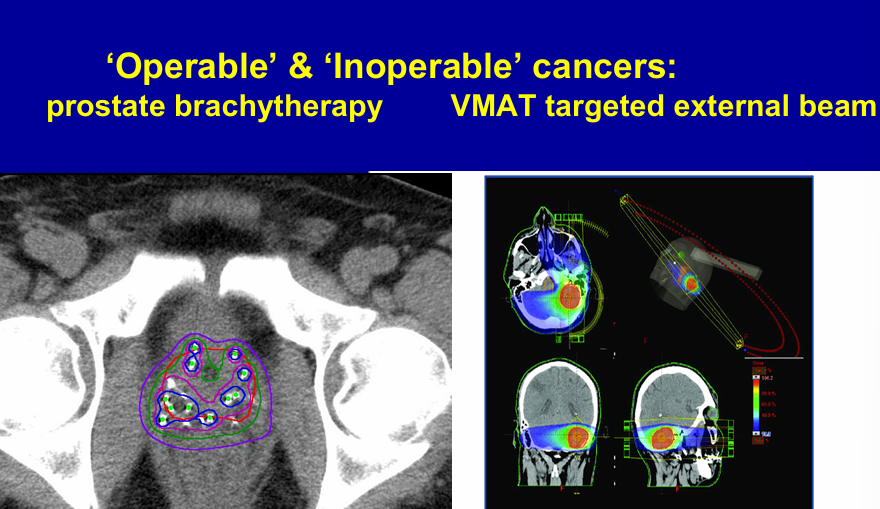
- needs anatomical coverage
- can treat inoperable lesions
- can make surgery become possible
Therapeutic options: Radiotherapy
5 R’s of radiobiology
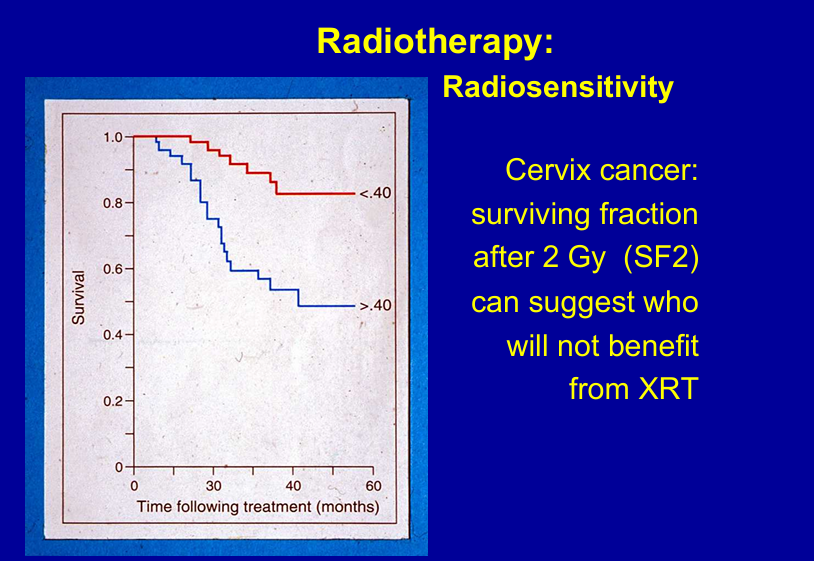
• radiosensitivity
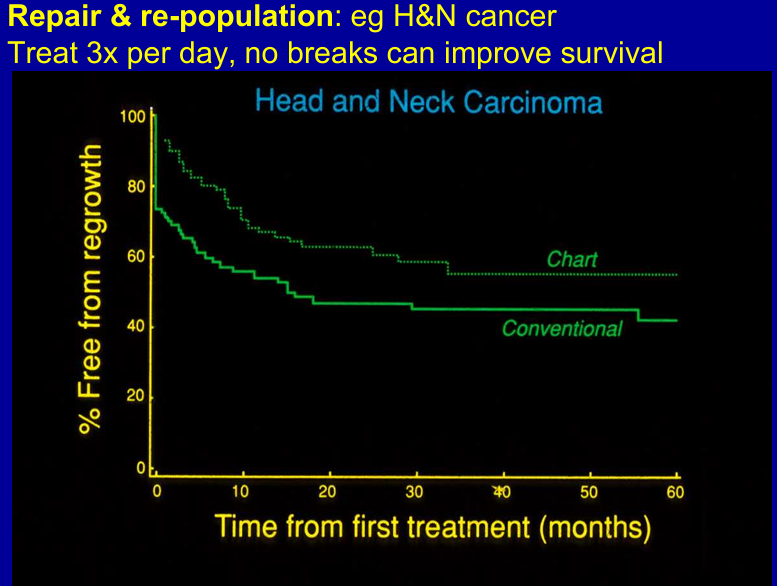
• repair
• re-population
• re- oxygenation
• re-assortment
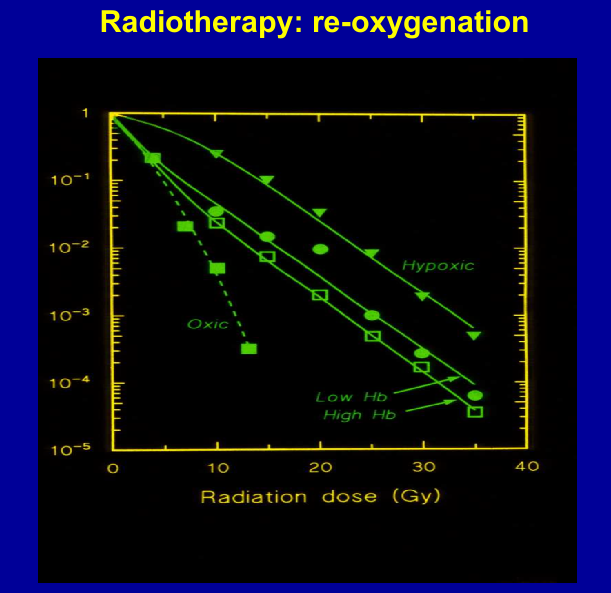
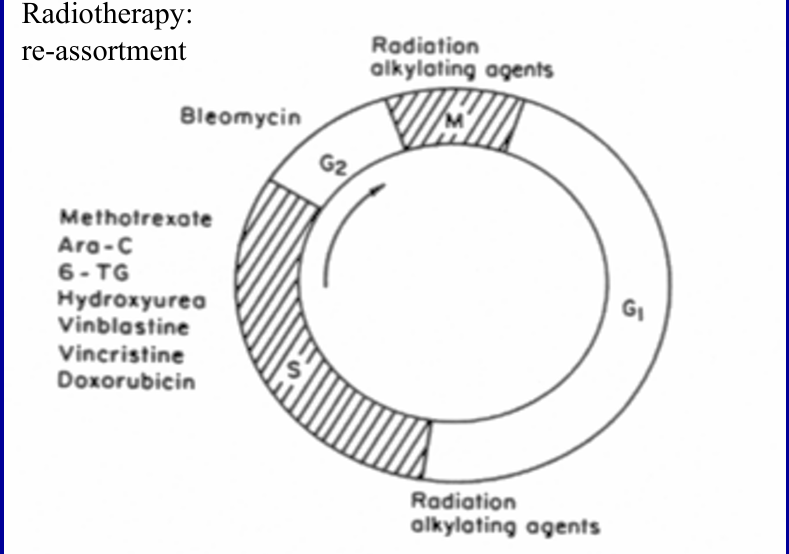
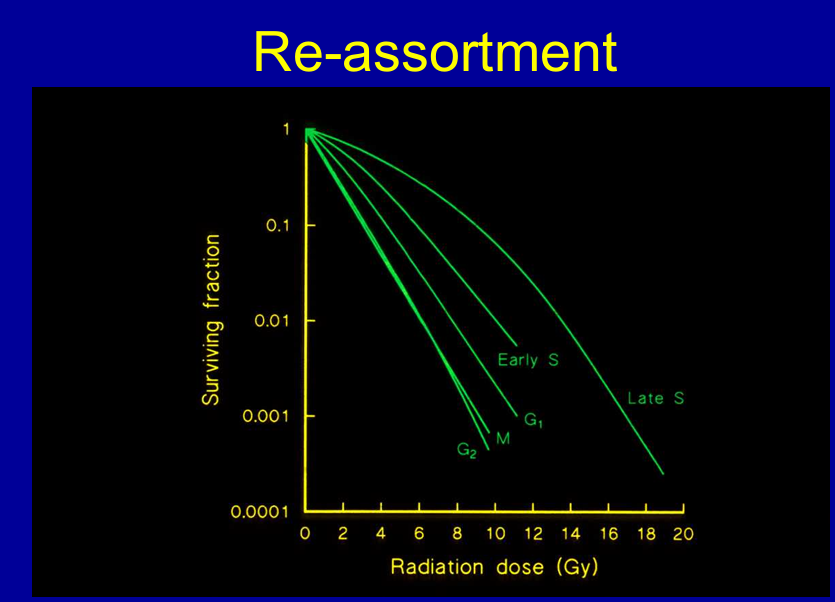
radiotherapy
- of cancers cured ~40% by radiotherapy
- eg head & neck, cervix / uterus, skin, lymphoma
- can be combined with chemotherapy
- eg anal cancer, rectal cancer, oesophageal cancer
- important role in palliation- eg: pain, bleeding, swollen limbs
Therapeutic options: medical treatment
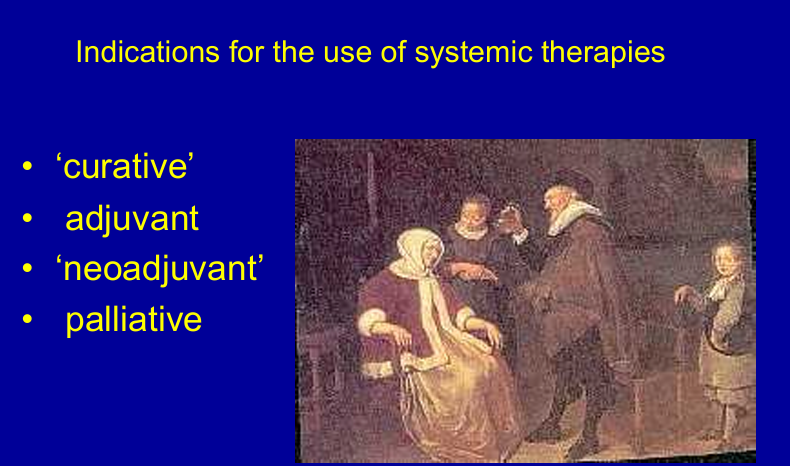
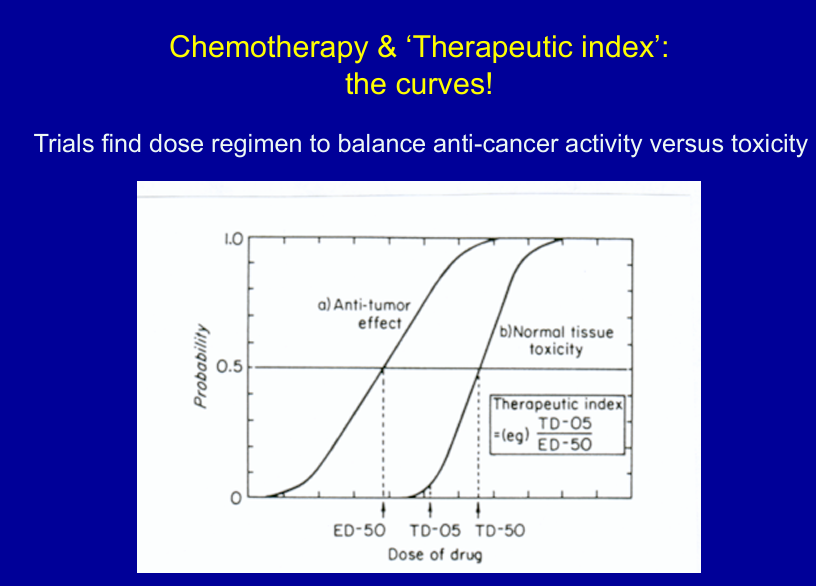
• systemic treatment- beneficial for widespread disease
- can result in widespread toxicity
- now mixture of ‘chemotherapy’ & now targeted agents
• ~ 5% of cancers cured by chemotherapy
• ~50% of cancers have palliative chemotherapy
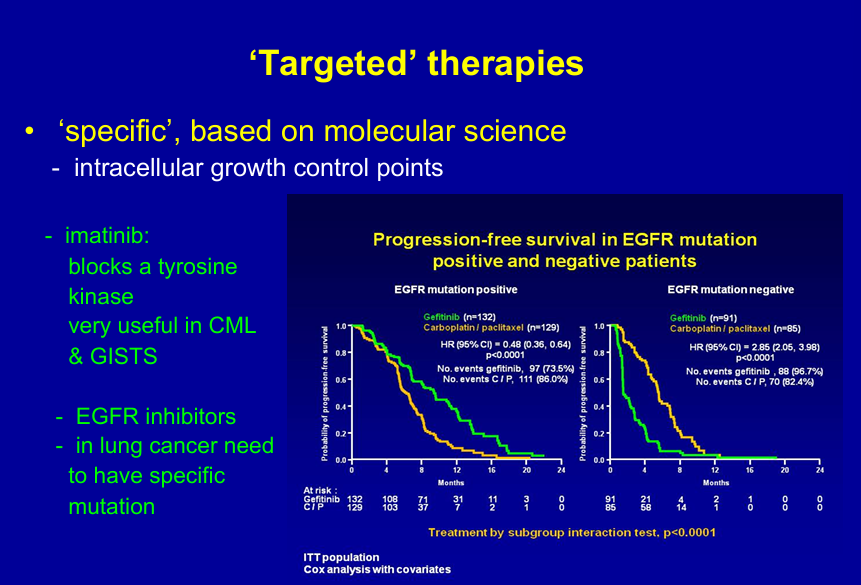
• targeted agents: potential to be very specific!
- hormone therapy : tamoxifen & ER+ve breast cancer
- targeted a tumour mutation : EGFR mutations & TKI agents
Immune therapies
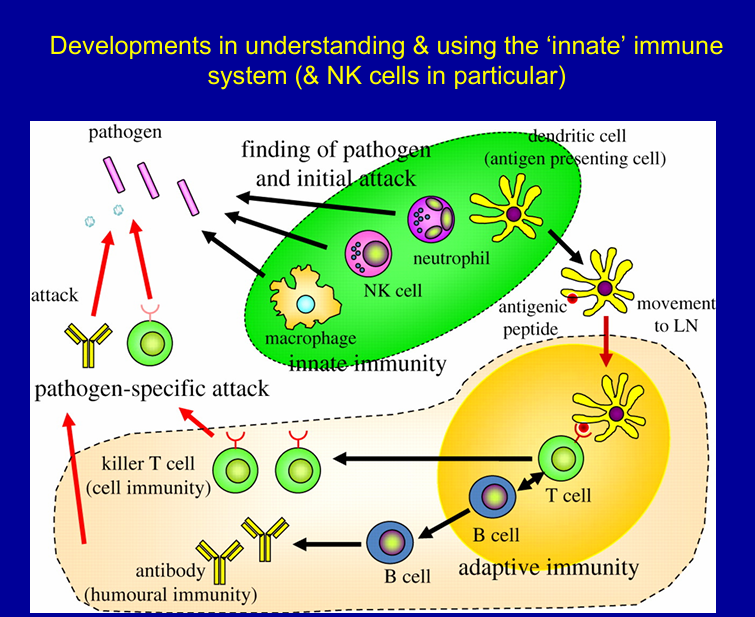
non specific
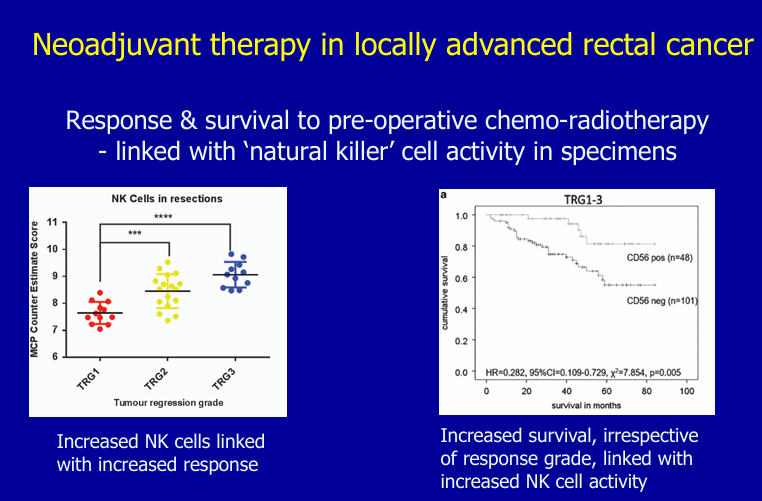
‘innate’- macrophages / NK cells
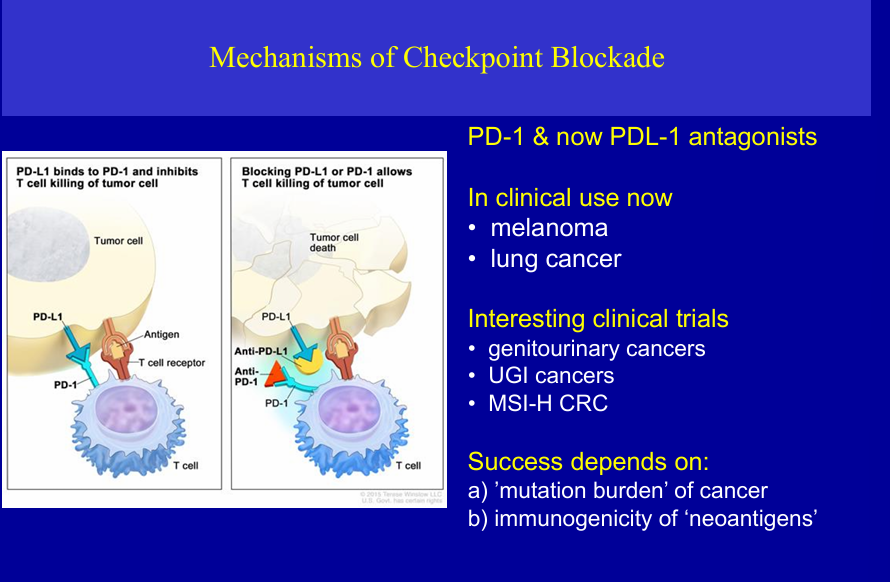
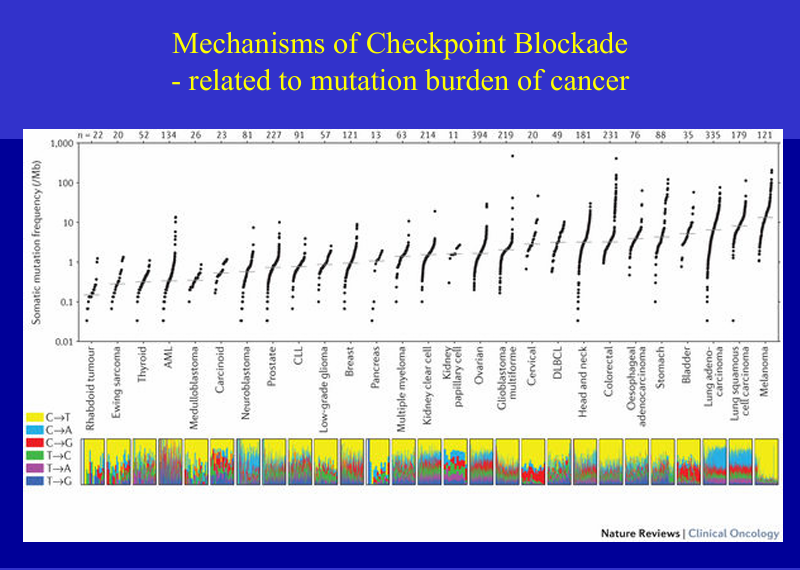
programmed cell death pathway (PD-1)- uses immune system to attack ‘foreign’ cancer cells
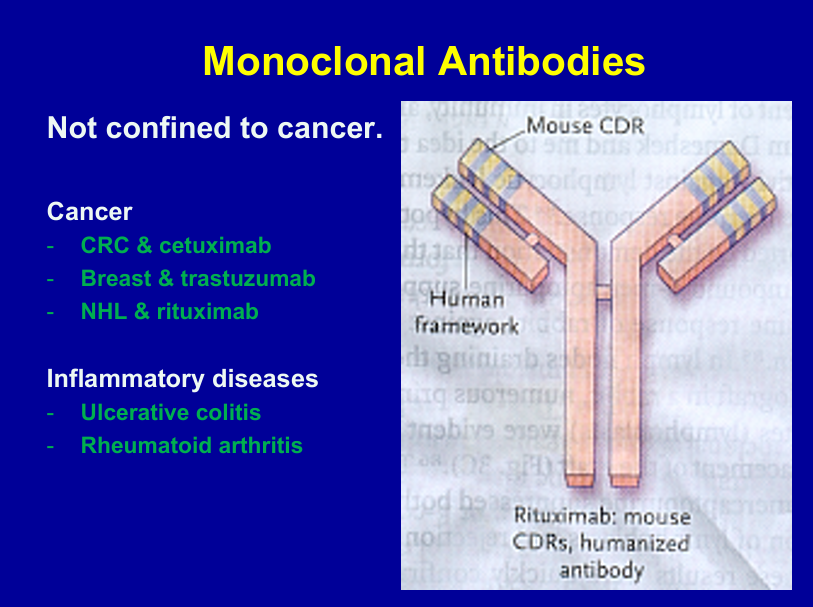
• specific monoclonal antibodies
- rituximab & B cell NHL: +/- radioactivity
- trastuzumab & response in HER2 +ve breast & gastric cancer
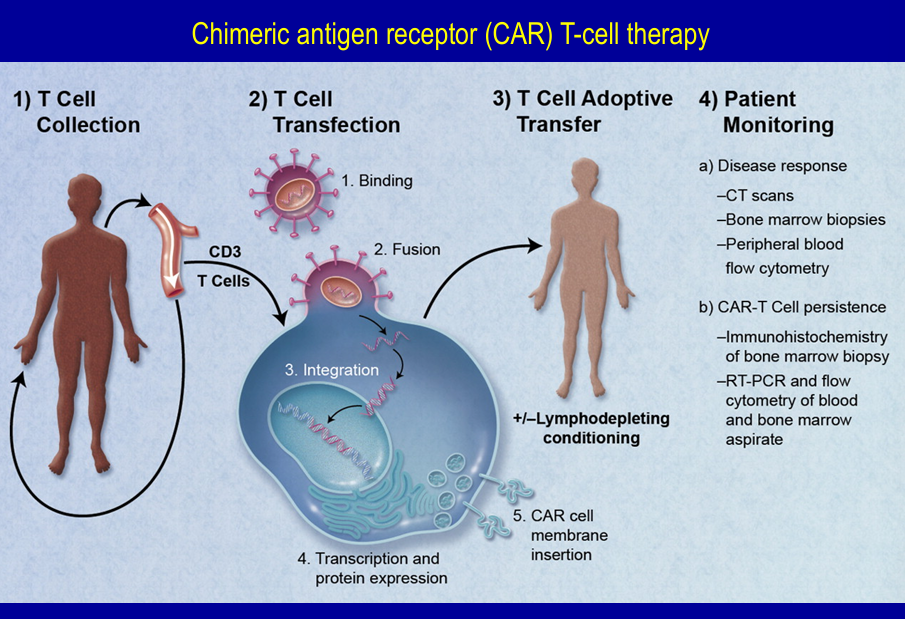
chimeric antigen receptor (CAR) T-cells
- artificial T-cell receptors, using retroviral vectors to give an specific cell killing function directed against cancer cells
Therapeutic options: summary
• variety of options
• staging of vital importance
• increasing use of genomics
• improvements will come by:
- surgical techniques: reduce morbidity
- radiotherapy: technical (eg through IMRT) combination with systemic treatment
- systemic treatment: more targeted therapies
- immunotherapies: monoclonal antibodies ‘innate’ immune system programmed cell death pathway CAR T-cell therapy
• clinical research very important