Pathogens and the Host
Learning Outcomes: Describe some of the features of viral pathogenesis.
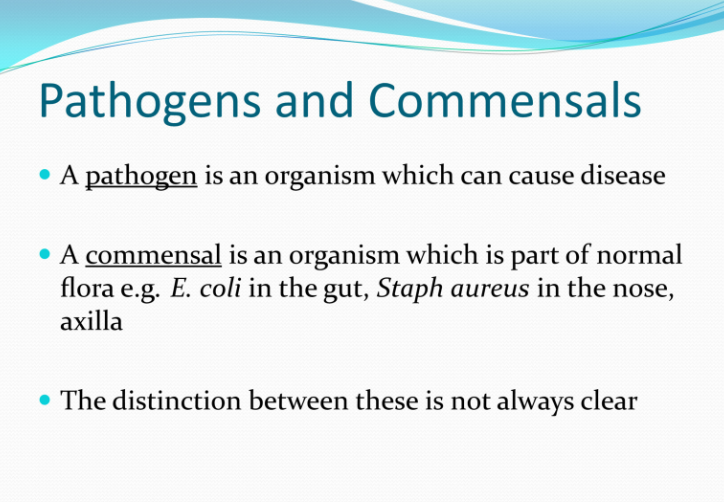
• Define the terms pathogen and commensal.
• Describe in outline the human defence mechanisms of innate and acquired immunity.
• Explain the meaning of the terms colonisation, latent or asymptomatic infection and infection.
• Describe the features of clinical infection
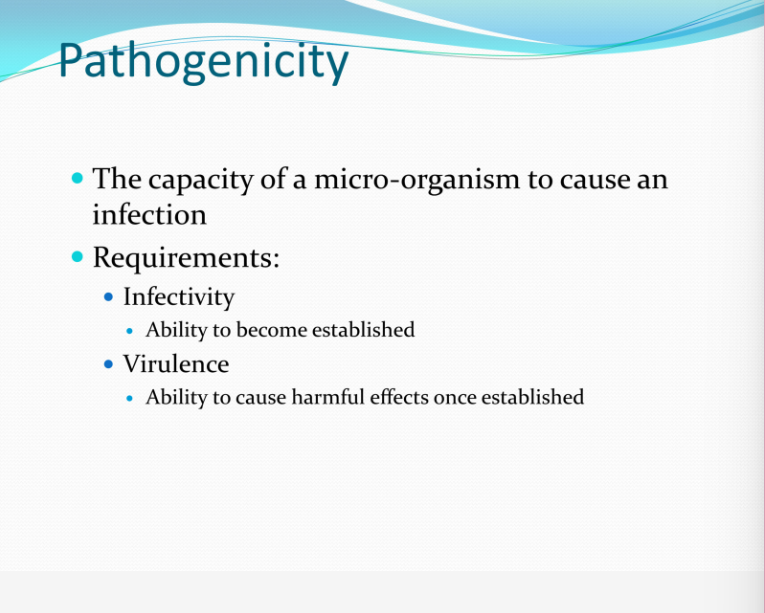
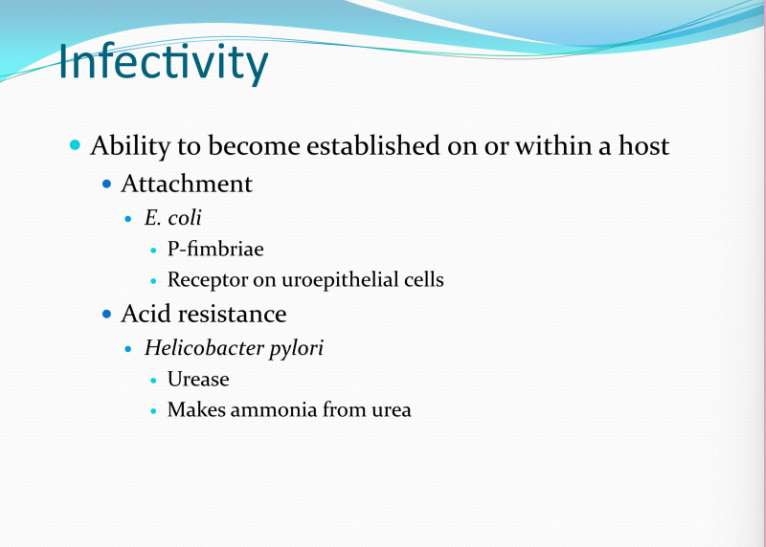
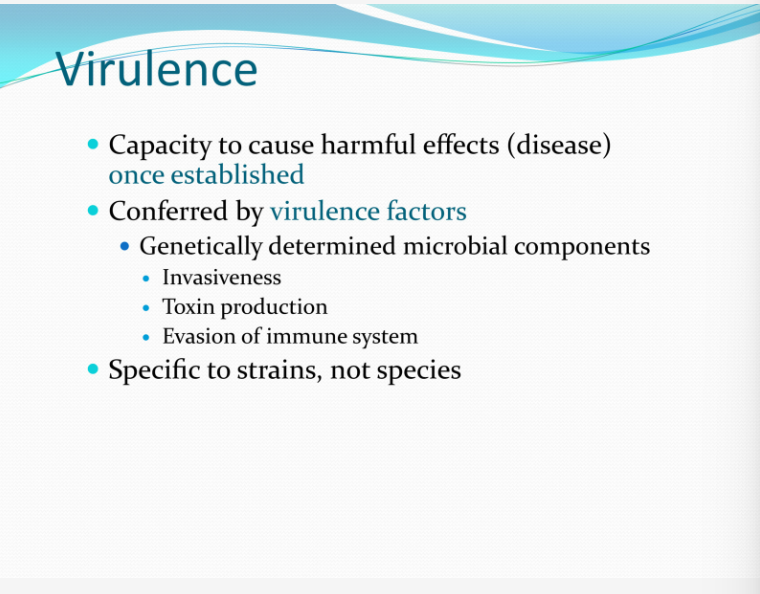
• Define pathogenicity and describe the concepts of infectivity and virulence
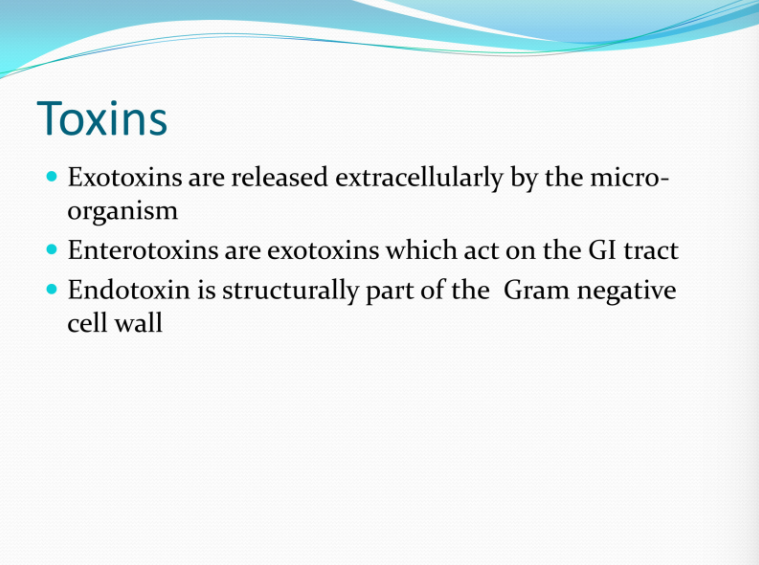
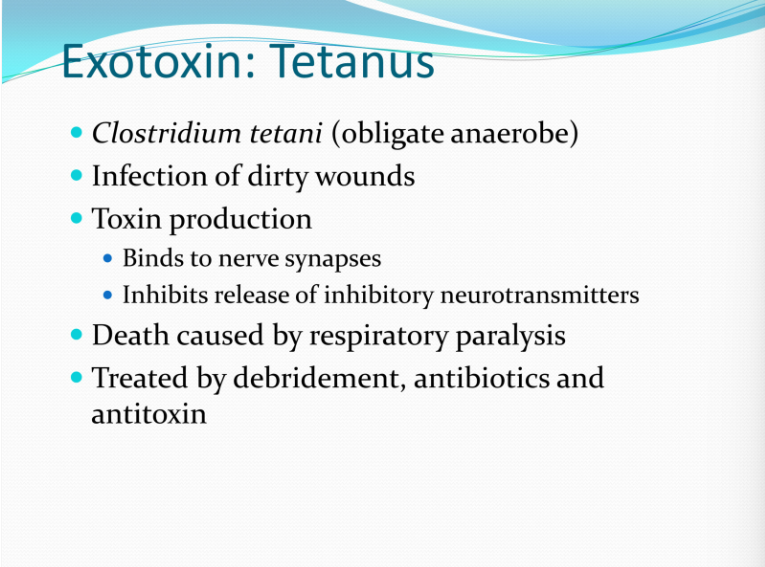
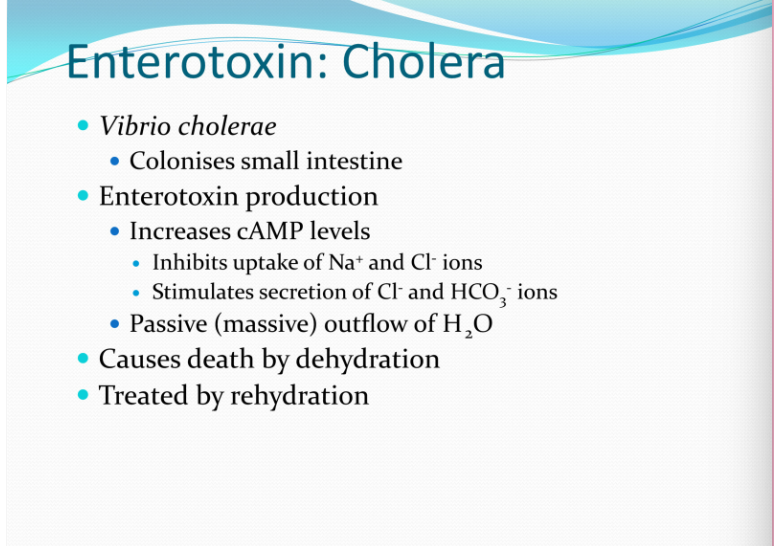
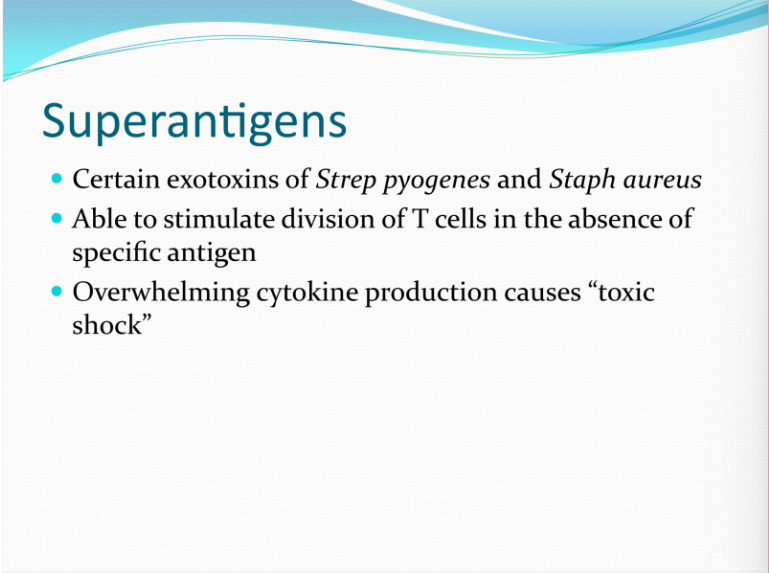
• Describe the features of pathogenic toxins and their effects • Describe the sites of viral entry
• Describe the features of acute viral infections with the use of examples
• Describe the features of enterovirus infection with the use of examples
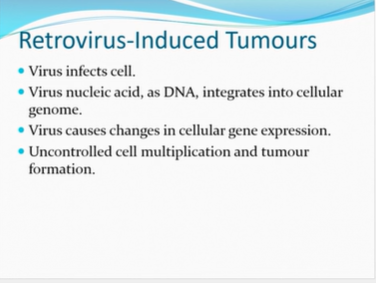
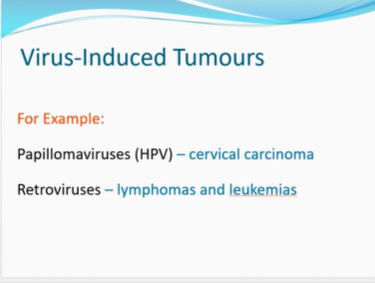
• Describe how virus can induce tumours with the use of examples
• Describe humoral and cell mediated immunity
Bacteria Pathogens and Host
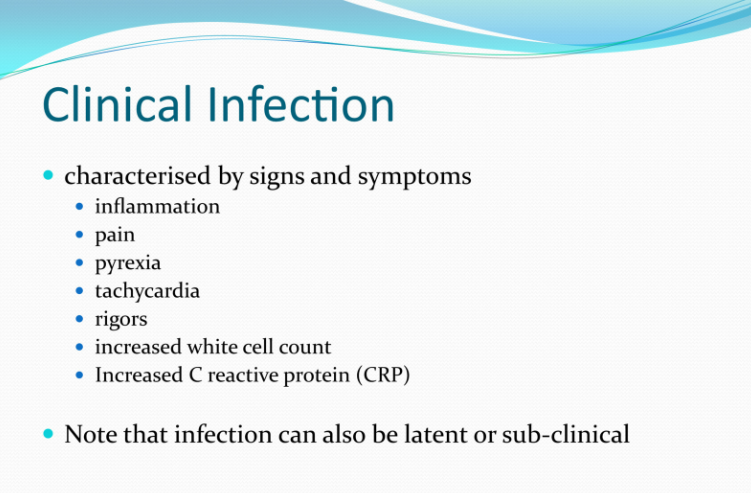
Pyrexia means high temperature
Tachycardia is increased heart rate
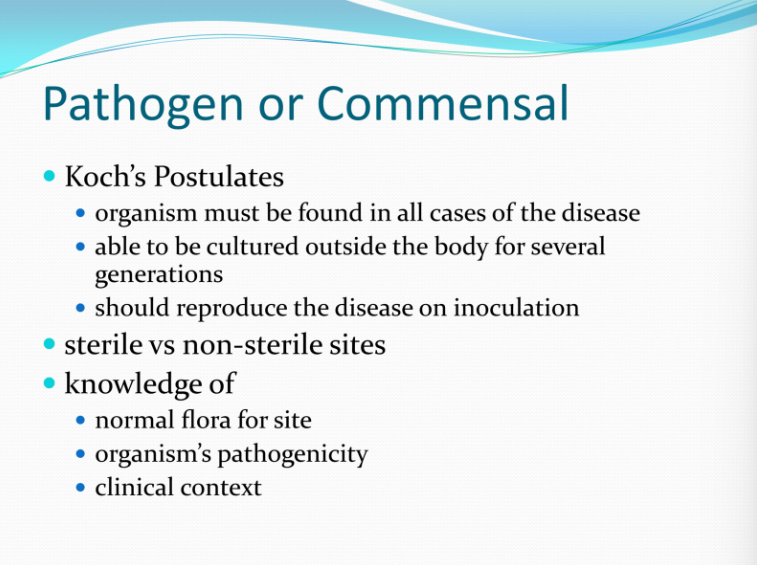
Sterile sites like CSF. can't see any organisms but your mouth is non sterile, should see several commensals
-Not each bacteria found in a clinical sample is a problem
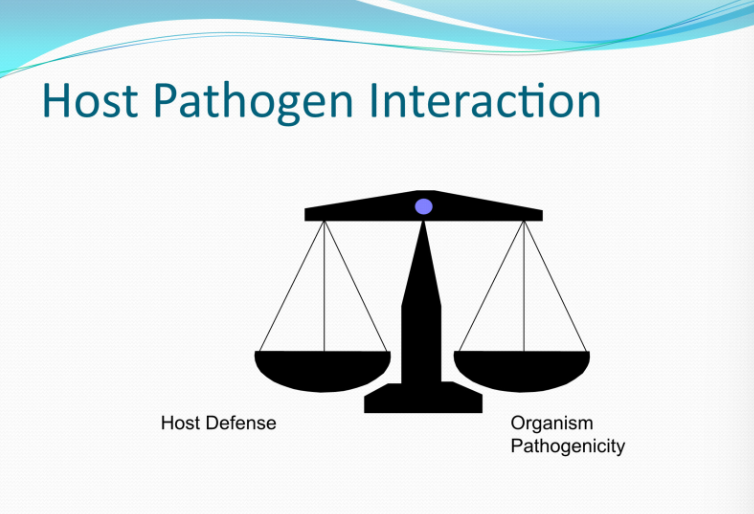
immunocompromised-pathogenicity prevails and host unable to fight back
immunocompetent-body can produce all mechanisms to protect body from pathogenic organism
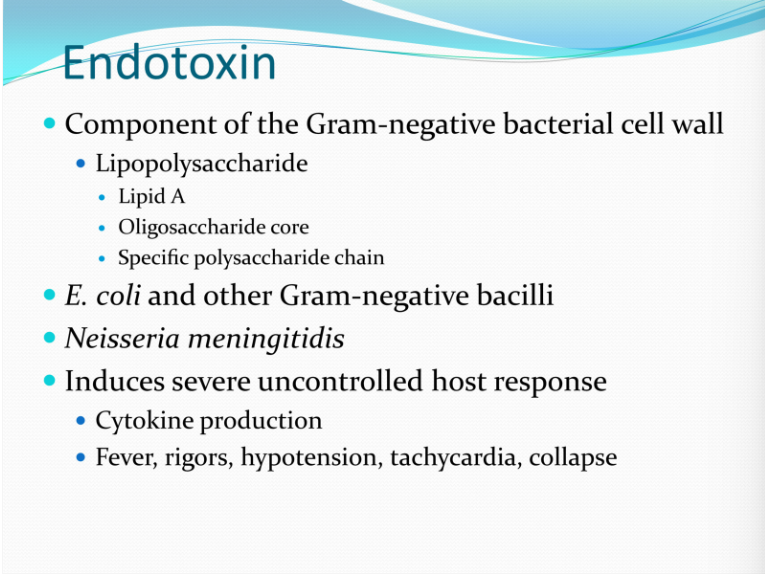
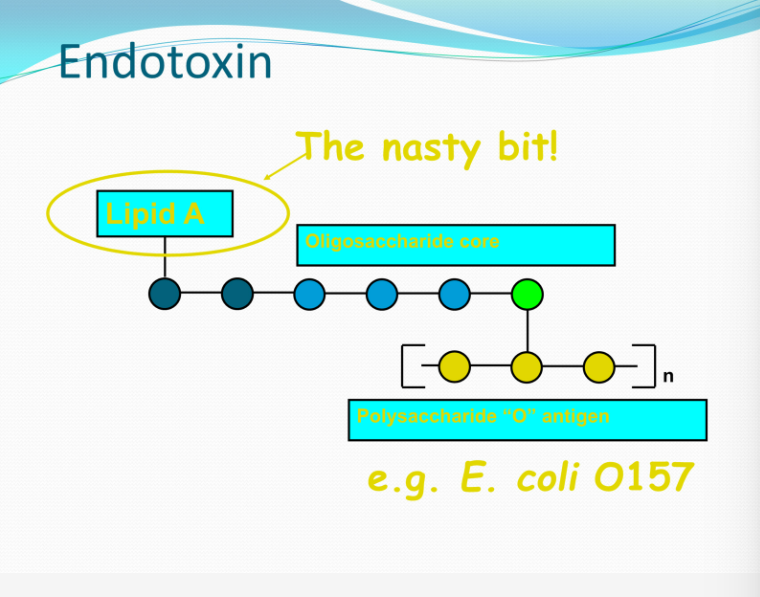
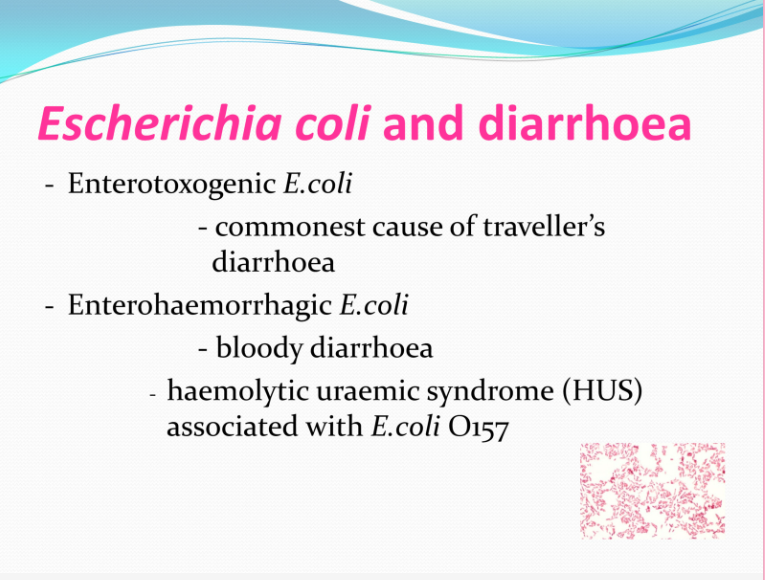
E.coli O157 is a cause of haemolytic uraemic syndrome
Gram Positive Bacteria
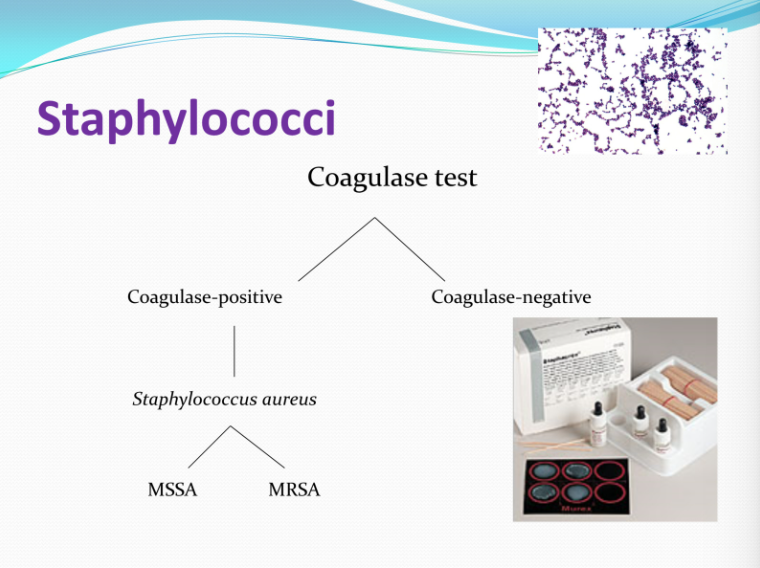
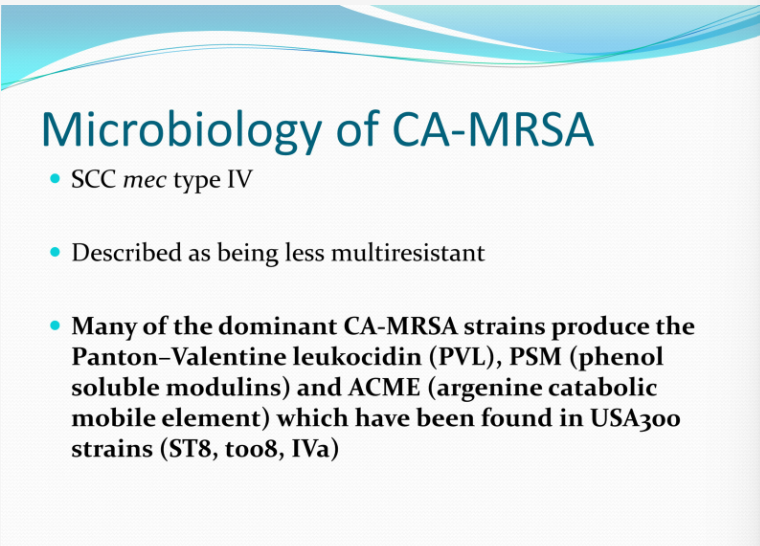
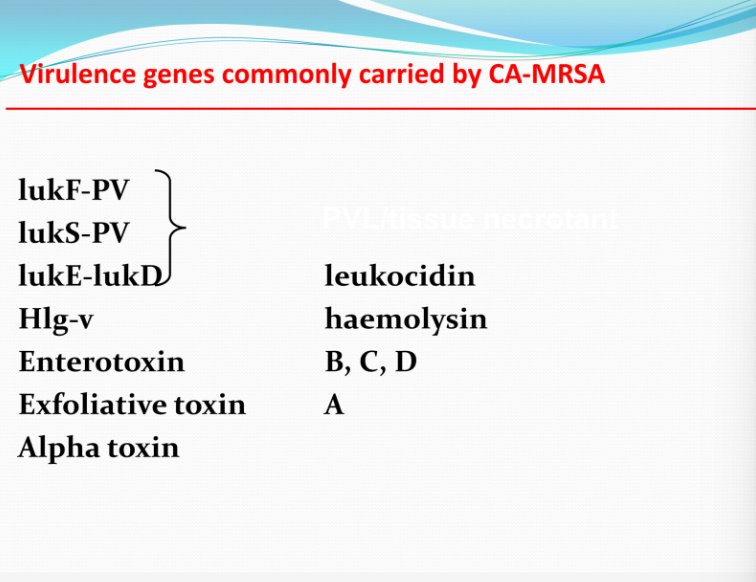
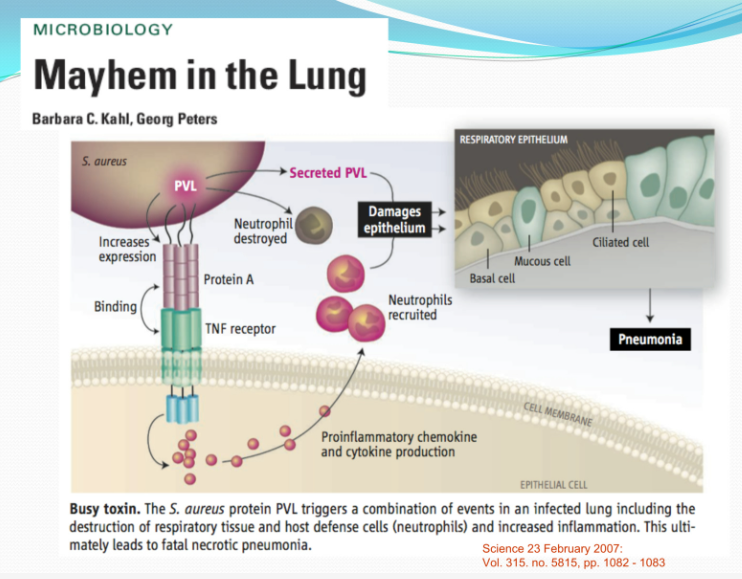
coagulase test detects presence secretion of coagulase by the Staph.
positive=pathogenic staph aureus
negative=coagulase negative staph. aureus which is mostly not pathogen
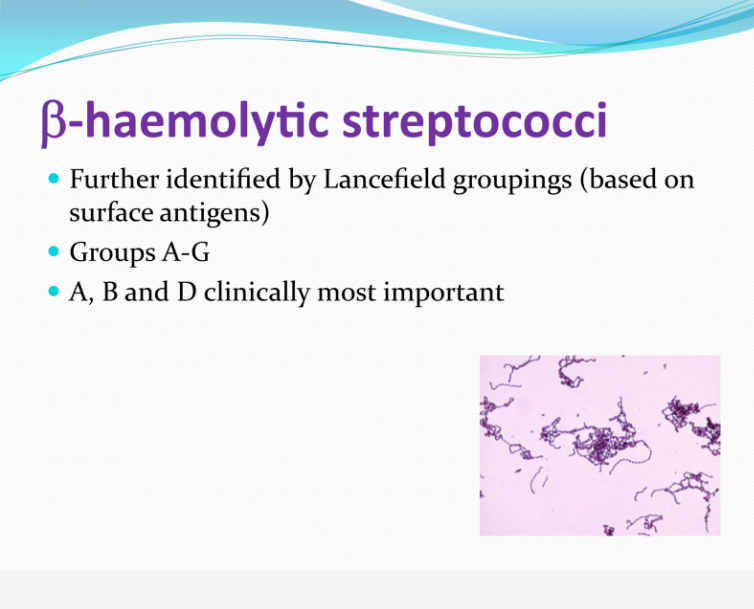
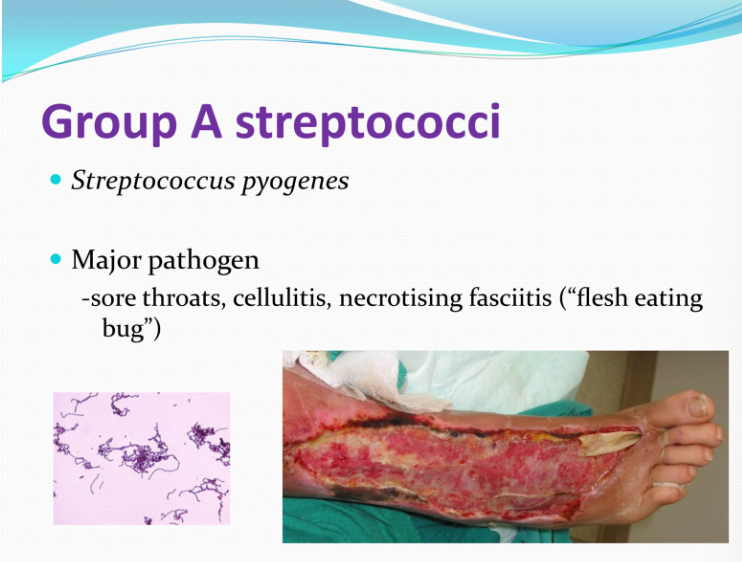
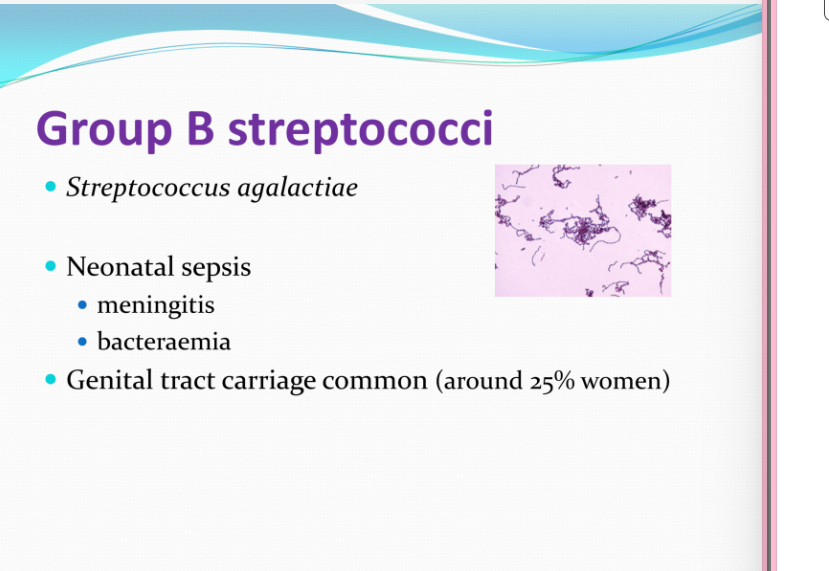
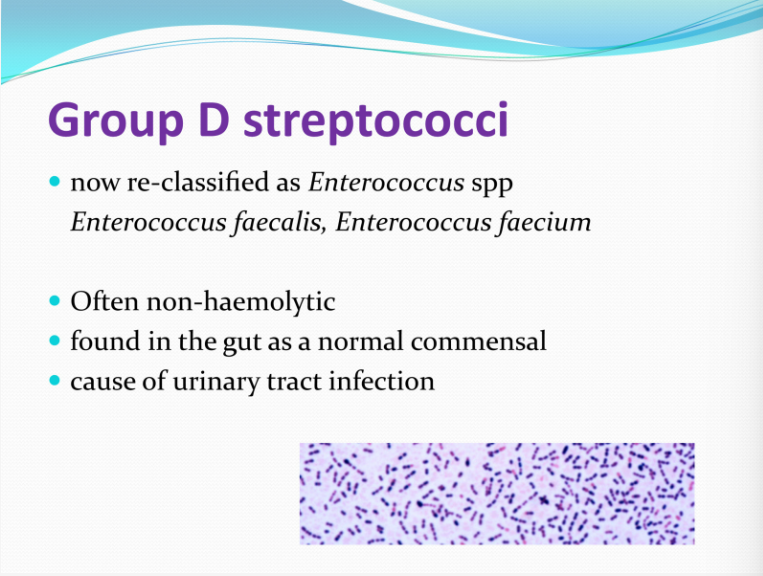
Gram positive cocci that grow in chains
Most clinically important are group B, E and D
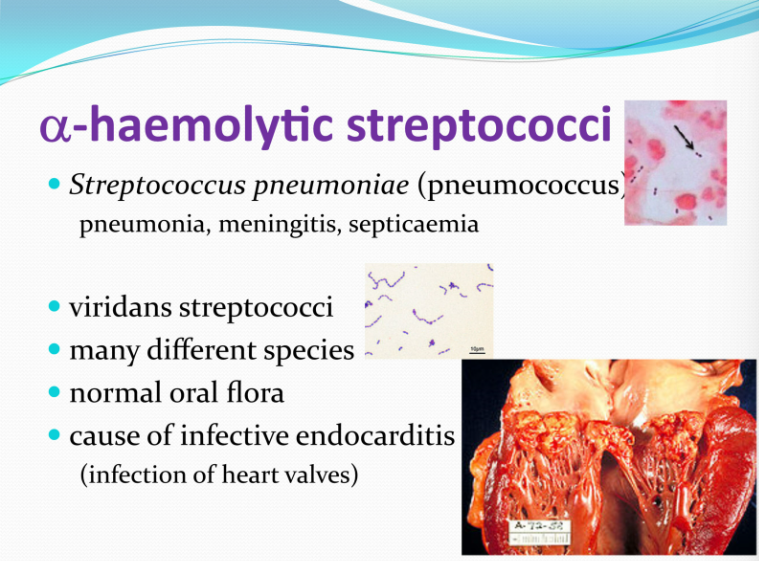
Incomplete haemolysis of the blood agar plate
Biological Warfare
Clostridium botulinum-source of “botox”
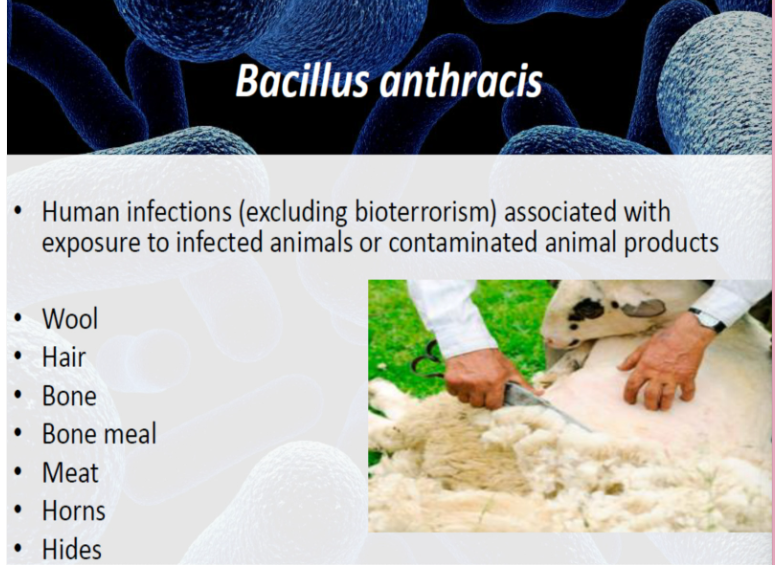
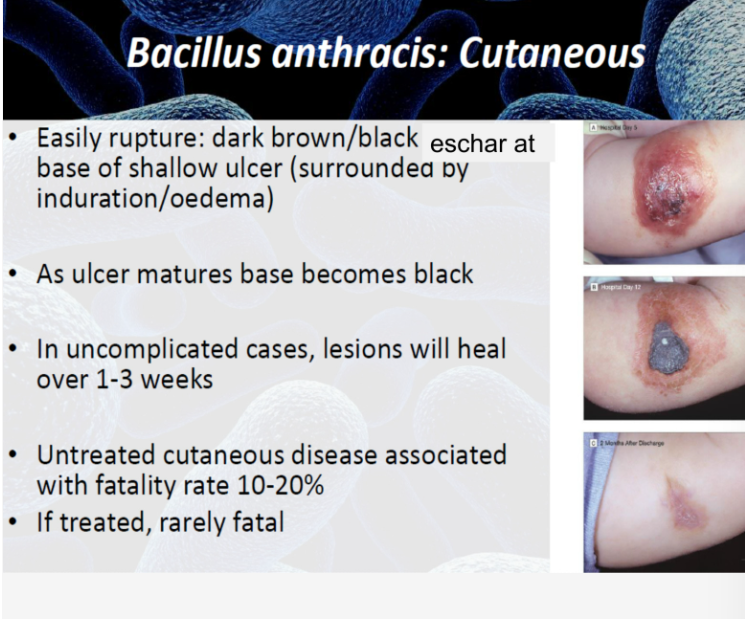
Bacillus anthracis-cause of anthrax
Gram Negative Bacteria
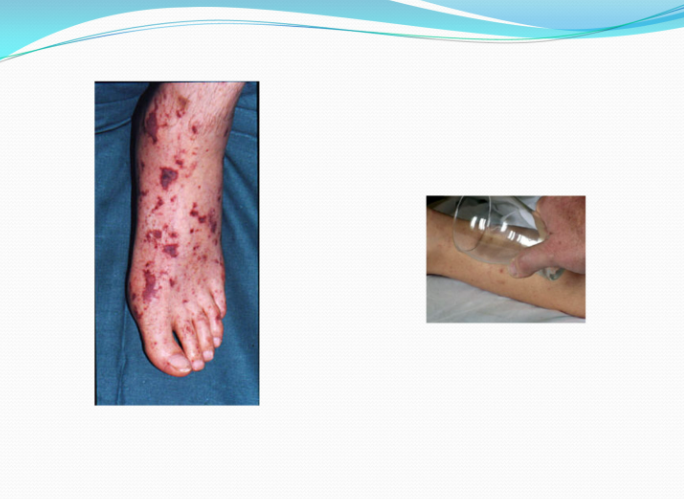
non blanching caused by the toxic phenomenon
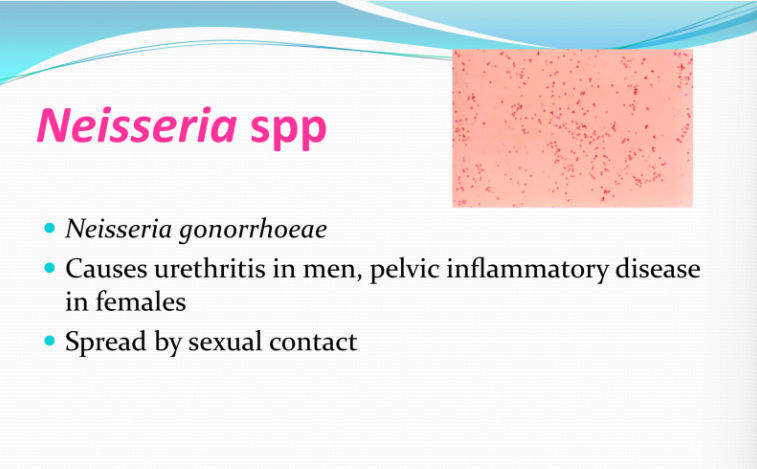
From a made up clinical case:
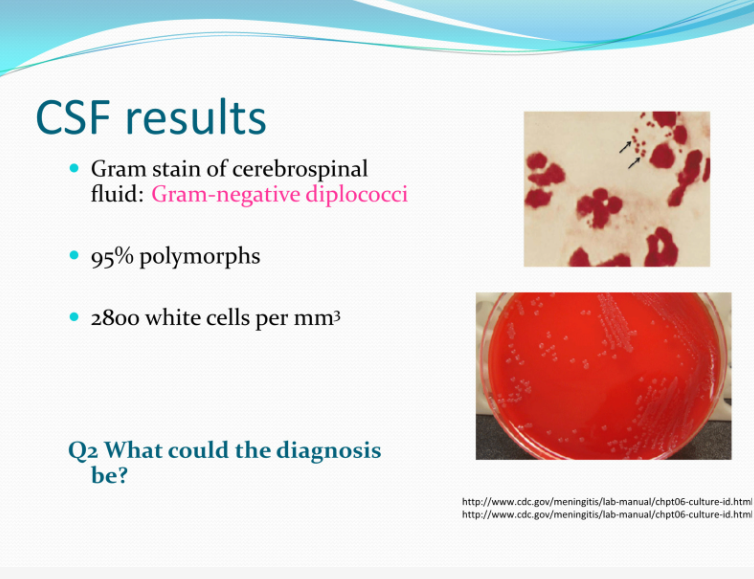
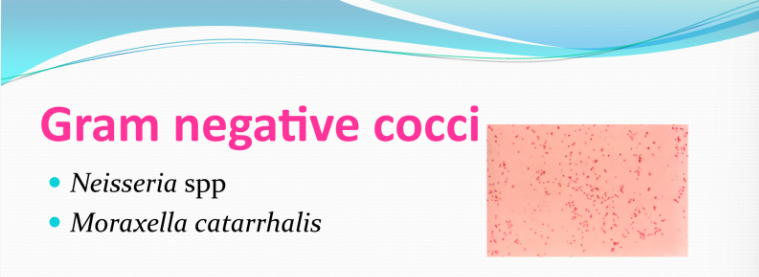
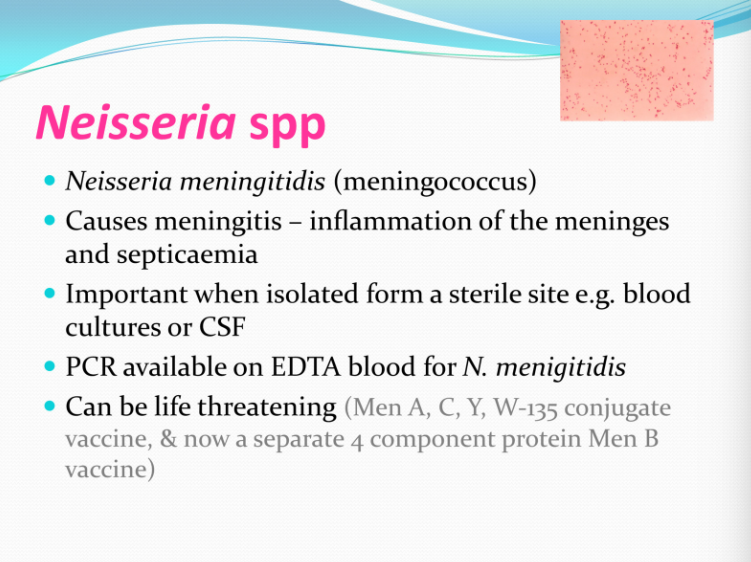
diagnosis is meningococcal meningitis-meningitidis gram negative diplococcus
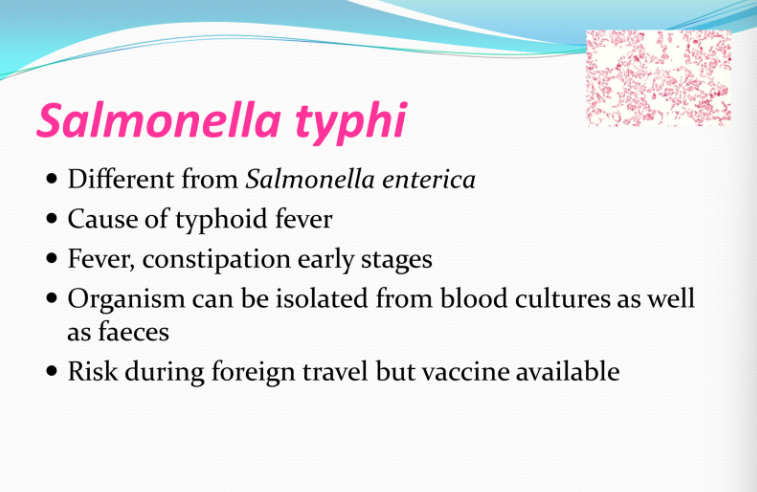
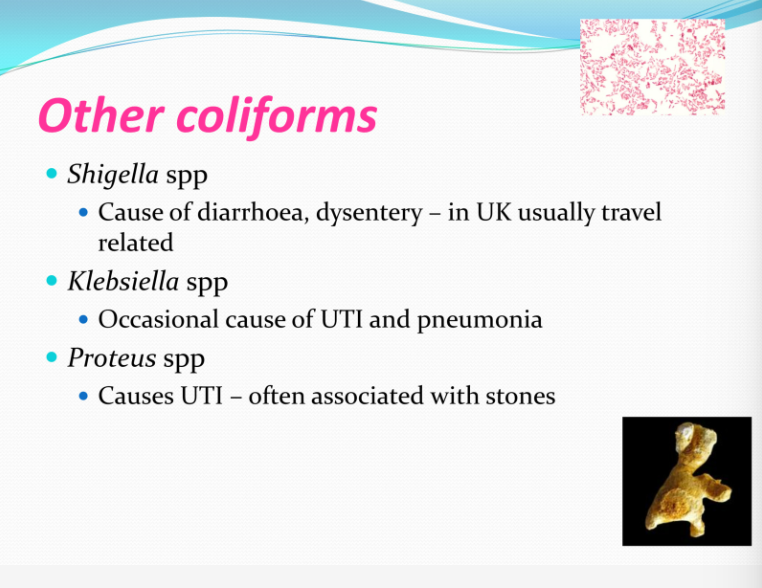
Gram Negative Bacilli
Virus pathogens and host
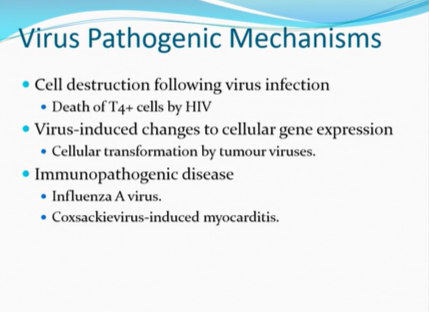
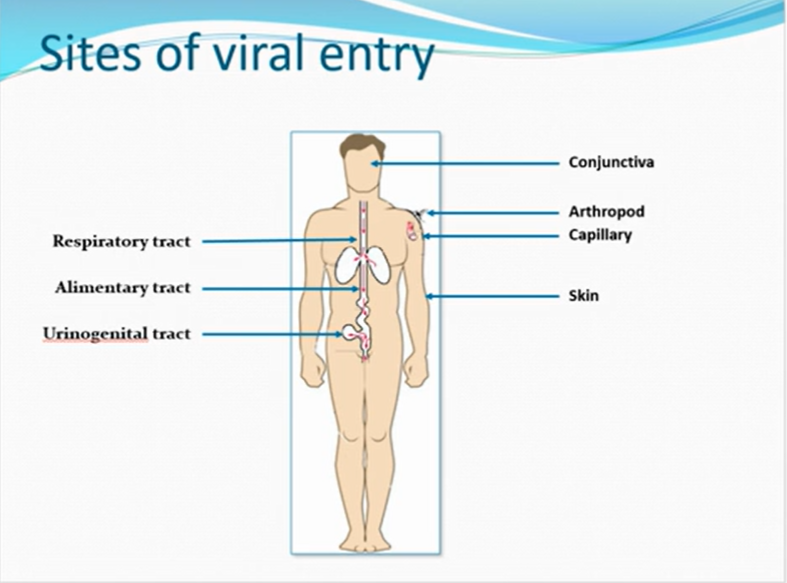
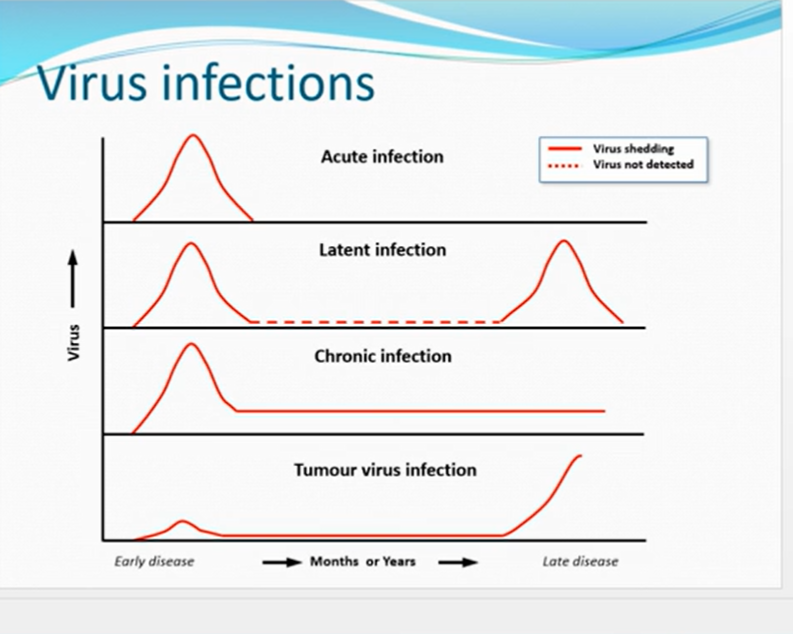
Virus infections can be -unapparent -overt disease
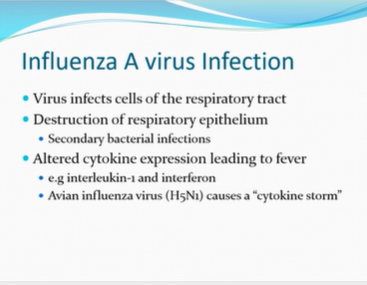
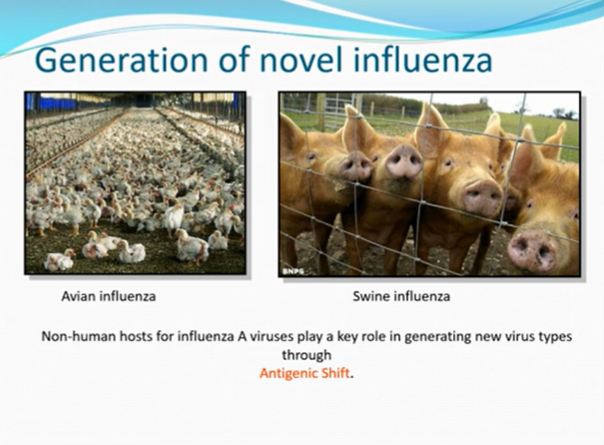
Acute virus Infections-Influenza A virus: respiratory infection
Enterovirus: enteric and neurological infections
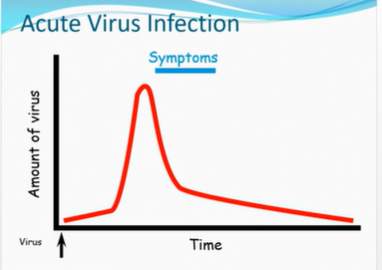
virus effects cells, multiplies bit by bit, keeps multiplying until host develops enough antibodies to overcome this infection, balance tipped towards host response, amount of virus slowly reduces until disappears
Acute virus infections are -localised to specific sites of body
-development of viraemia with widespread infection of tissues
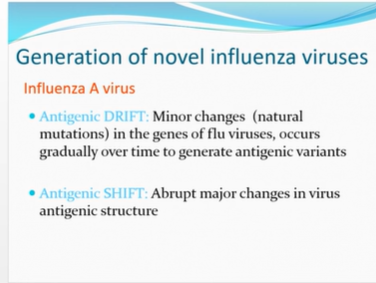
antigenic structure becomes different from original one
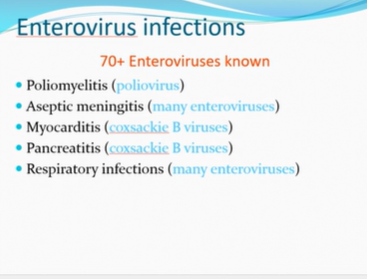
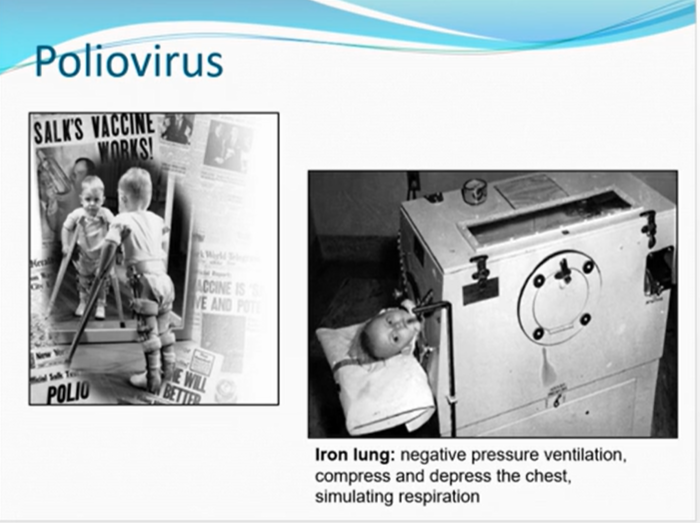
Enterovirus infections affect almost every organ in the human system
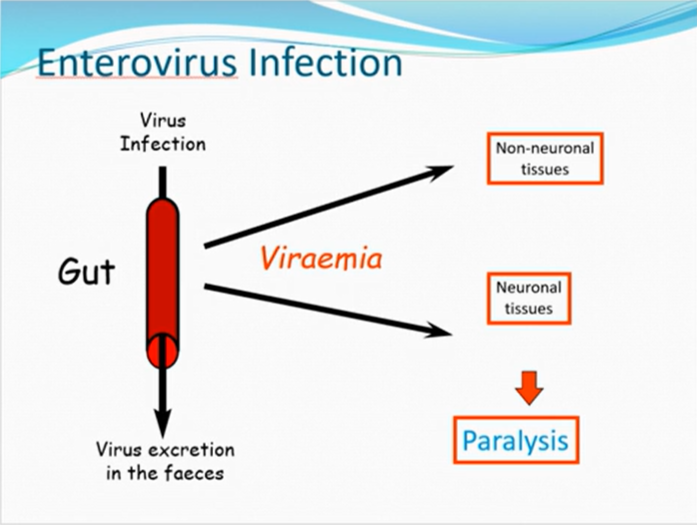
virus in gut gets excreted ins tool, stool tested for enterovirus PCR
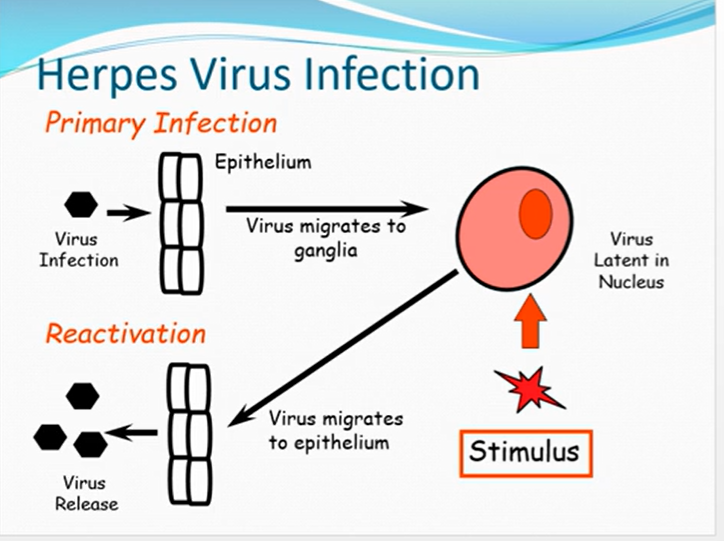
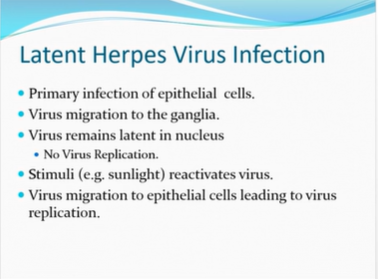
Latent virus infections: Herpes simplex virus-cold sores (type 1) and genital lesions (type 2)
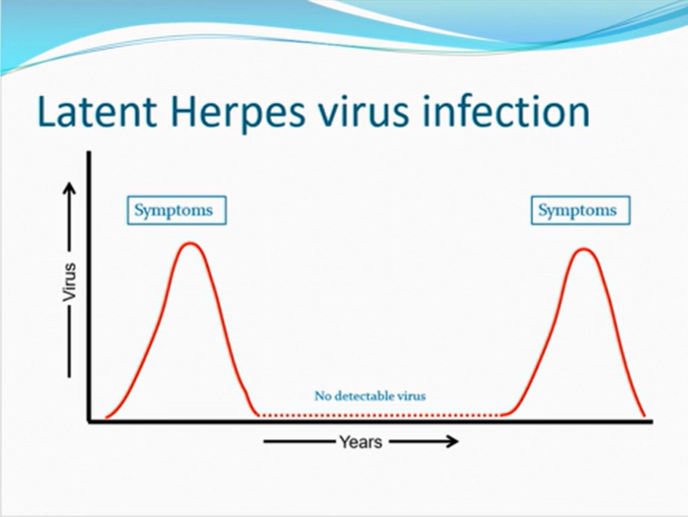
virus replicates, gets infected, replicates, dominates until host antibody overcomes infection, virus amount goes down but hides away could go up to many years, trigger hits a virus and rereplicates and similar pattern repeats
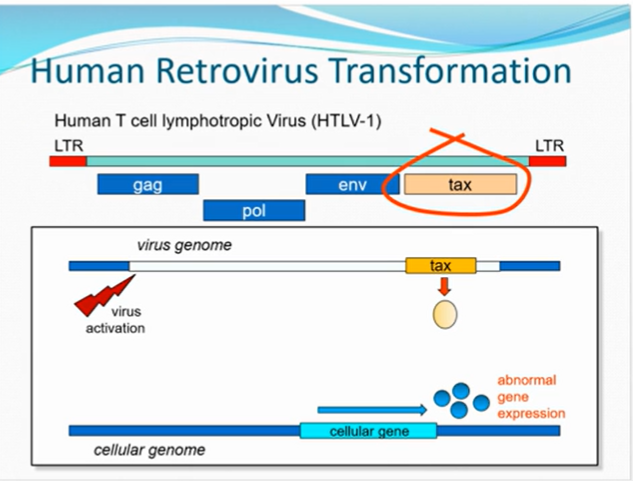
HTLV-1 -tax protein, infects host cell, virus activated and tax protein affects cellular genome and causes abnormal gene expression (how malignant transformation happens)