Ecosystem Ecology and Biomes
Ecosystem Ecology and Biomes
Energy Flow in Ecosystems
Energy flows through ecosystems, powering the processes through which organisms interact with their environment.
Ecosystem Definition
Ecosystem: A specific location on Earth characterized by a distinct combination of biotic (living) and abiotic (non-living) components.
Ecosystem Components
Biotic Components:
Include animals, plants, protists, and microorganisms (e.g., bacteria, fungi, viruses).
Abiotic Components:
Include air, sunlight, temperature, soil, water, pH, and nutrients.
Determine the types of organisms that can thrive in an ecosystem.
Photosynthesis and Respiration
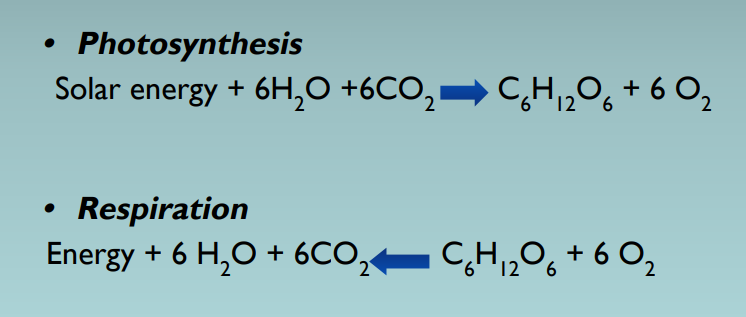
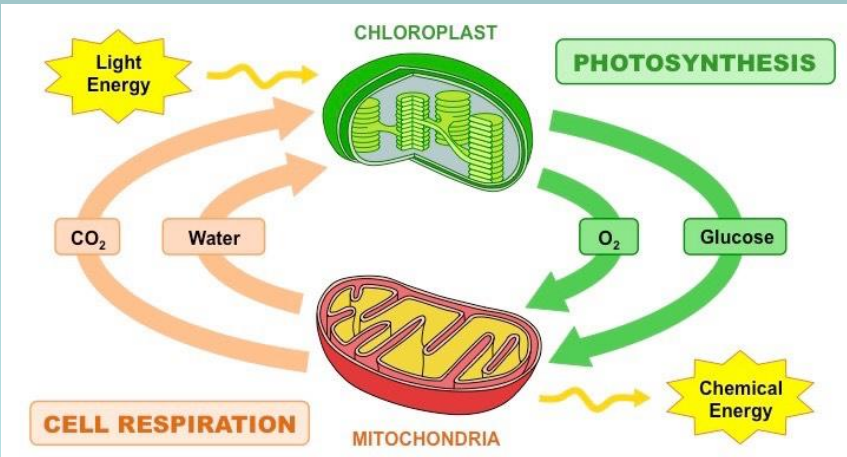
Producers (Autotrophs): Organisms that use sunlight to produce energy through photosynthesis.
Photosynthesis reaction:
Equation: Solar energy + 6 H₂O + 6 CO₂ → C₆H₁₂O₆ (glucose) + 6 O₂.
Cellular Respiration:
All organisms gain energy by consuming organic material.
Provides energy for growth and metabolism in producers and consumers alike.
Trophic Levels, Food Chains, and Food Webs
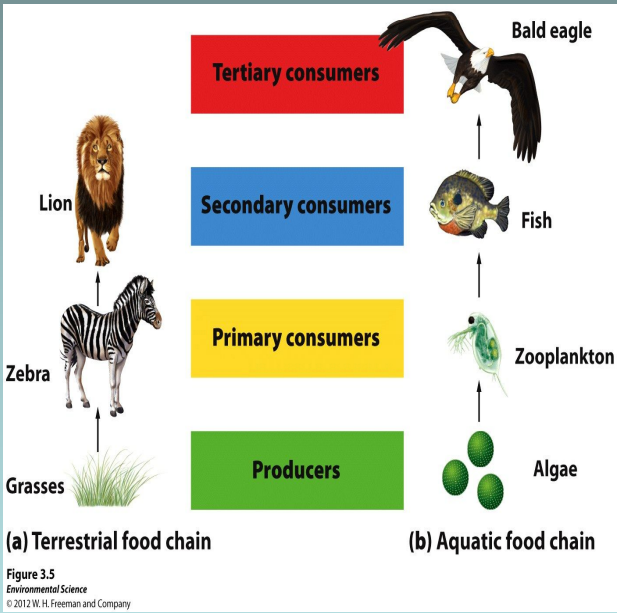
Food Chain: A linear sequence of food transfer from producers up to tertiary consumers.
Food Web: A complex network of interconnected food chains.
Trophic Levels:
Producers (autotrophs): Convert solar energy into biomass.
Primary Consumers (herbivores): Feed on producers.
Secondary Consumers (carnivores): Feed on herbivores.
Tertiary Consumers: Apex predators, feeding on secondary consumers.
Energy Transfer and Productivity
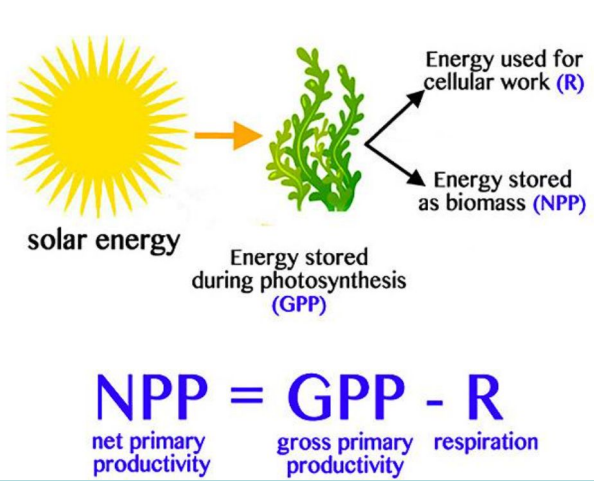
Gross Primary Productivity (GPP): Total solar energy captured by producers via photosynthesis over time.
Net Primary Productivity (NPP): Energy remaining after producers have used energy for respiration (NPP = GPP - Respiration).
Ecological Efficiency: Proportion of energy transferred from one trophic level to the next, typically around 10-20%.
Biogeochemical Cycles
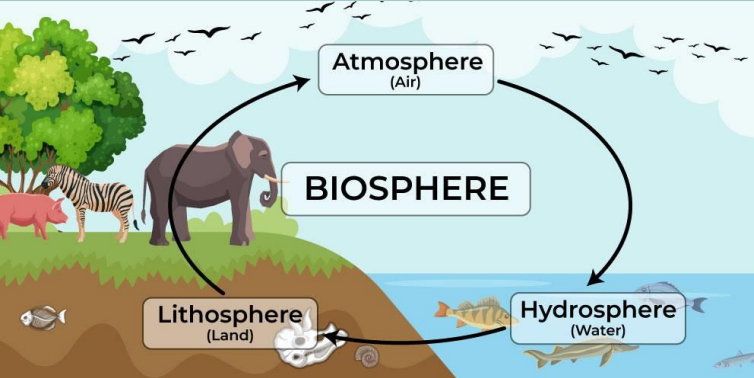
Biogeochemical Cycles: The continuous movement of nutrients through biological (living), geological (Earth), and chemical processes within ecosystems.
Carbon Cycle: Carbon is reused among atmosphere, organisms, and soil.
Nitrogen Cycle: Conversion of nitrogen from the atmosphere to usable forms in the soil and organisms.
Phosphorus Cycle: Movement of phosphorus through soil, water, organisms, and rocks.
Ecosystem Disturbance Response
Disturbance: An event that alters the size or composition of populations in an ecosystem.
Natural Disturbances: Hurricanes, tsunamis, volcanic eruptions, and wildfires.
Anthropogenic Disturbances: Human activities like agriculture, pollution, and urbanization.
Weather and Climate
Weather: Short-term atmospheric conditions (temperature, humidity, precipitation).
Climate: Long-term average of weather conditions in a region.
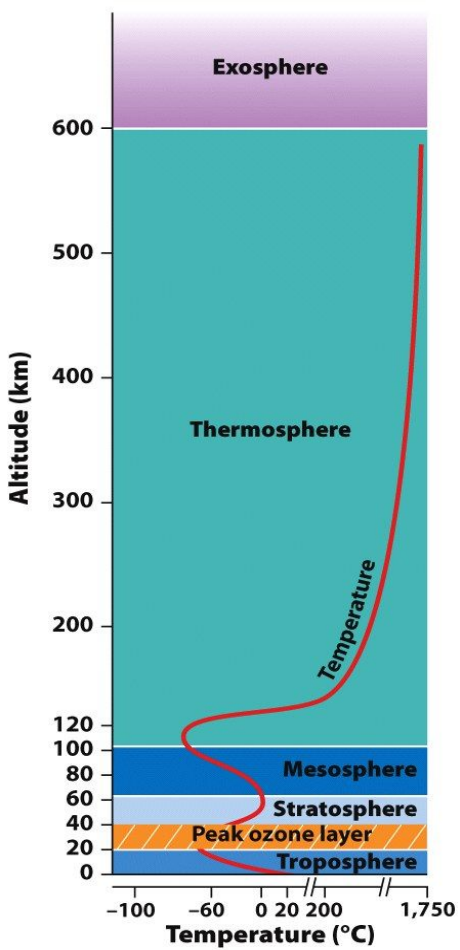
Atmospheric Layers:
Troposphere: Closest layer to Earth, extending about 16 km.
Stratosphere: Layer above the troposphere, includes the ozone layer.
Ocean Currents and Thermohaline Circulation
Ocean Currents: Driven by temperature, gravity, winds, and the Coriolis effect, forming gyres that impact climate.
Upwelling: Process bringing nutrient-rich water from the ocean floor to support marine life.
Thermohaline Circulation: Deep water mixing process crucial for nutrient distribution and global heat transport.
Biomes
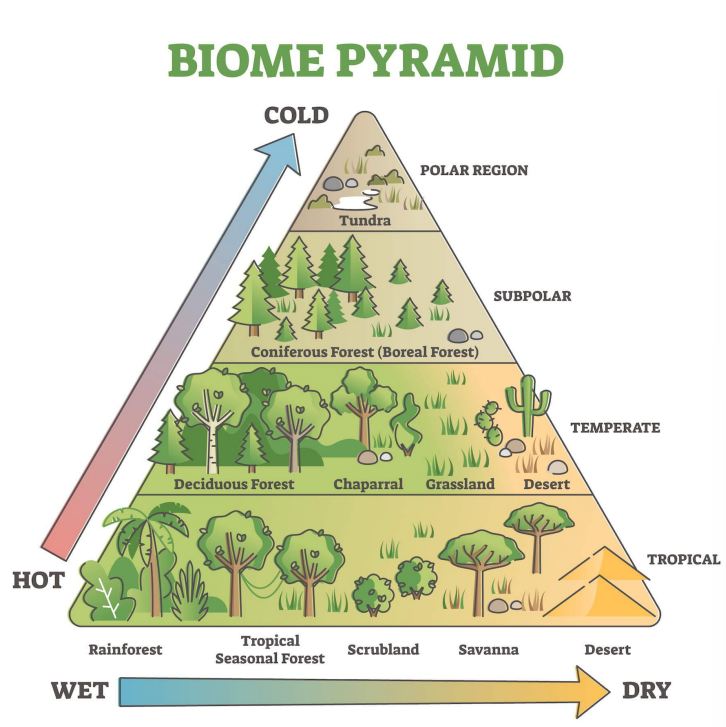
Biomes: Large areas categorized by similar vegetation and climate conditions.
Main types include:
Tundra: Cold, treeless with short growing seasons.
Boreal Forest: Coniferous forests with cold climates.
Temperate Rainforest: High precipitation and moderate temperatures.
Deserts: Low rainfall, extreme temperatures.
Tropical Rainforest: High biodiversity and consistent precipitation.
Aquatic Biomes
Freshwater Biomes: Include lakes, ponds, streams, and wetlands, characterized by low salinity.
Marine Biomes: Include oceans, coral reefs, and intertidal zones.
Coral Reefs: Highly diverse ecosystems located in shallow, warm waters.
Review Questions
What is an ecosystem?
What are the components of an ecosystem?
Define "primary producer."
What is the formula for photosynthesis?
Why are primary producers important in ecosystems?
What is a secondary consumer?
Give an example of a primary consumer.
Explain the distinction between an autotroph and a heterotroph.
Why is photosynthesis important for ecosystems?
How efficiently is energy transferred between trophic levels?
What are dominant elements in life forms?
List the main cycles discussed (carbon, nitrogen, phosphorus).
Difference between resistance and resilience in ecosystems?
Humans live in what portion of the atmosphere?
What environmental factors determine the characteristics of a biome?