TCA cycle
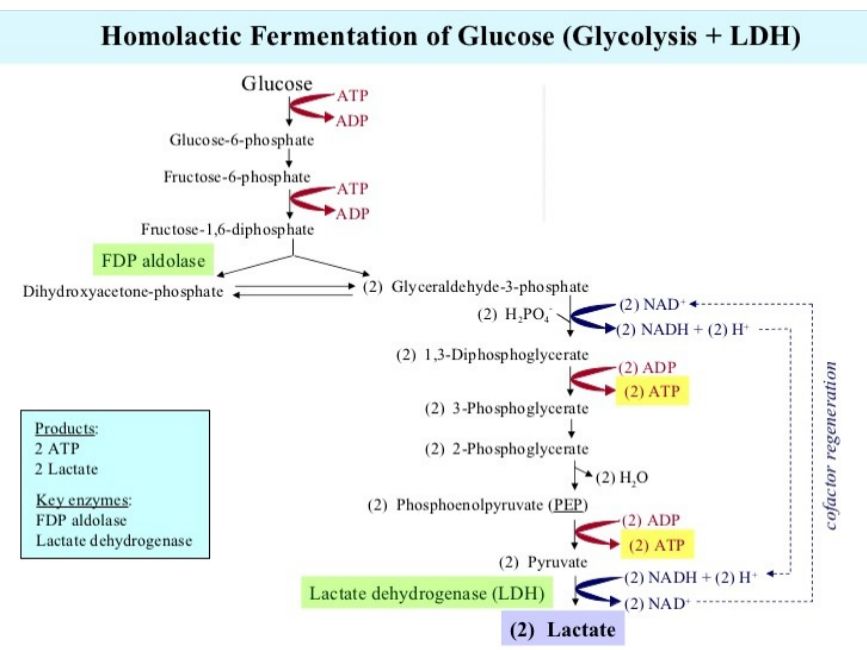
neutrophil, erythrocyte - AmitochondriC
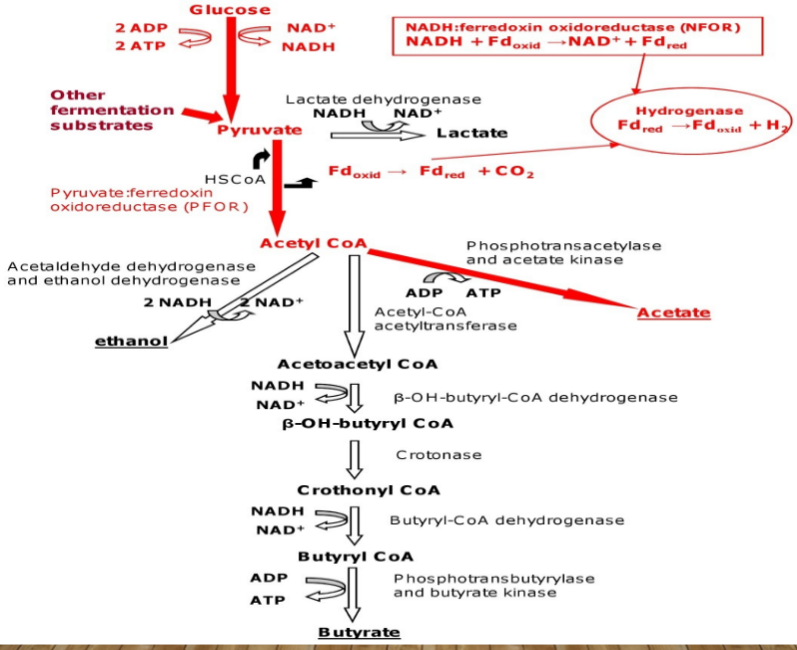
^ Trichomonas vaginalis
what flows from TCA to ETS is NADH - oxidation drives ATP production
know how ETS works
TCA intermediates function in other pathways
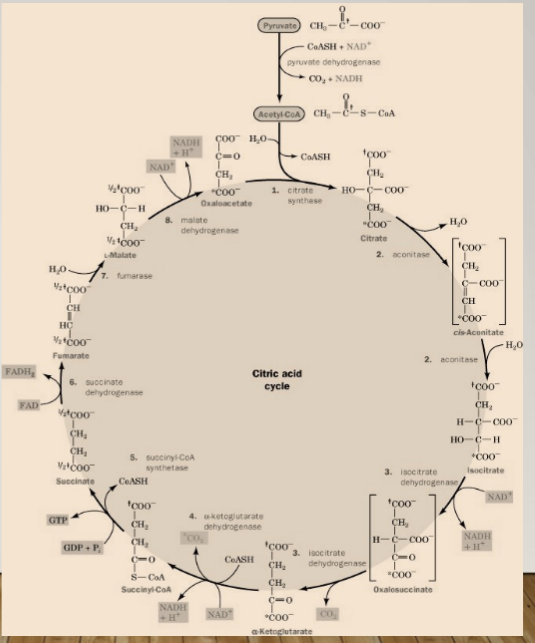
3NAD+ + FAD+ + GDP + Pi + AcetylCoA → 3NADH + FADH2 + GTP + 2 CO2
ACETYL-CoA from pyruvate OR fatty acids via beta oxidation
amphibolic pathway:
only found in aerobes?
oxidative? reductive
ATP-dependent citrate lyase: citrate + ATP + CoA → oxaloacetate + Acetyl-CoA + ADP + Pi, excess citrate leaves mitochondria, pyruvate enters mitochondria
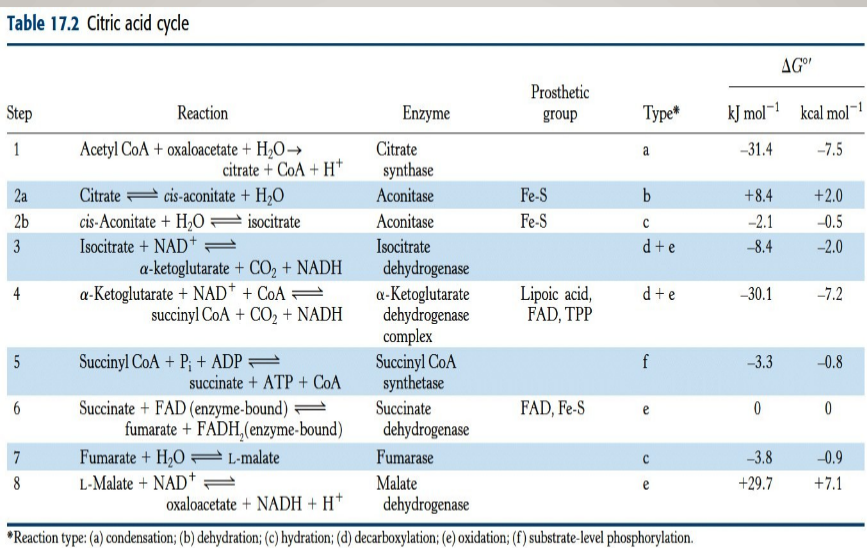
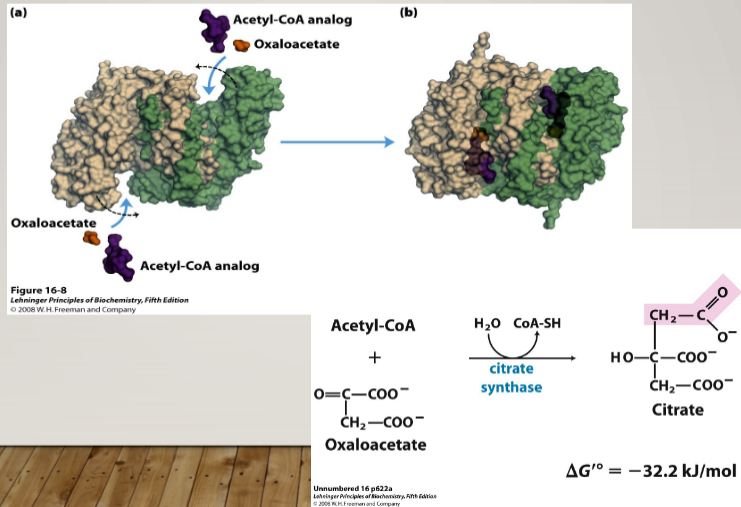
Note the endothermic Mdh, +29.7kJ/mol and the exothermic citrate synthase, -31.4
kJ/mol.
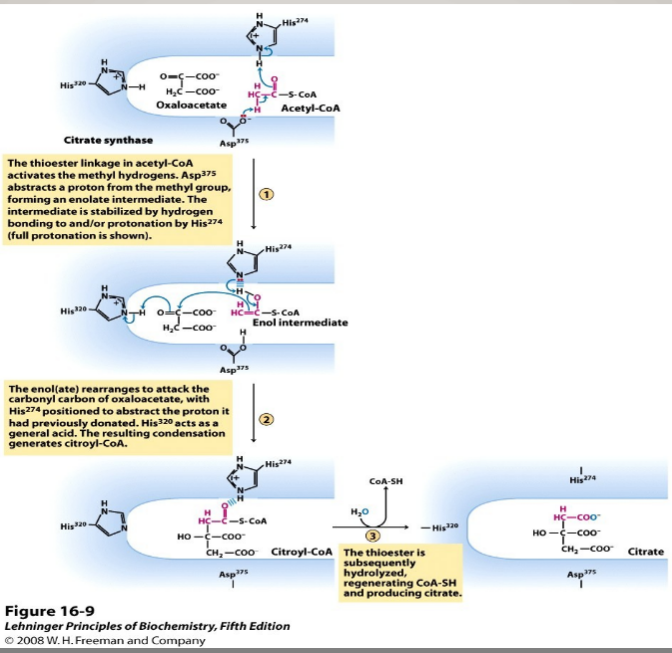
Why should Mdh have evolve to favor malate and not OAA? Citrate synthesis - so exothermic, pulls OAA through malate
pyruvate dehydrogenase: multi-enzyme complex that functions as a structure
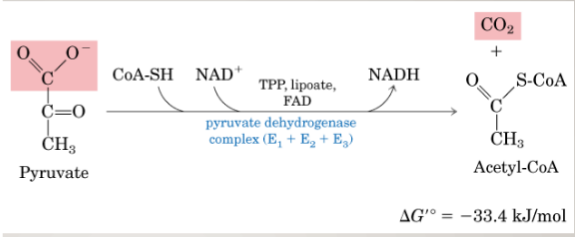
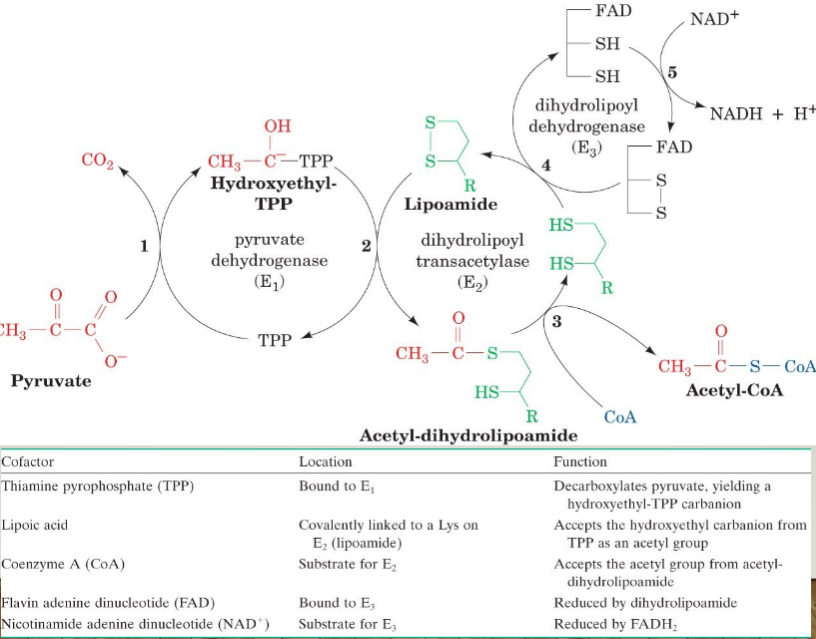
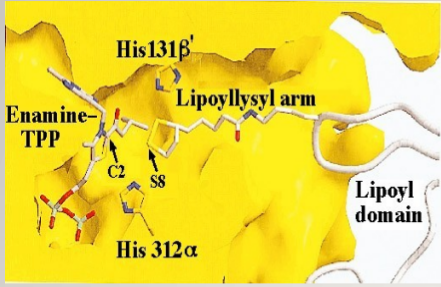
Lipoamide forms a 14A arm that binds the acetyl group that is transferred from TPP in the the E1 active site. Lpd brings the acetyl grp to the E2 active site where the acetyl group is transferred to CoA. It is a transfer from the thiol of lipoamide to the thiol of CoA.
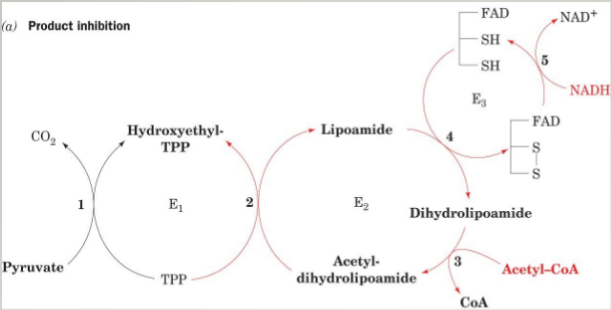
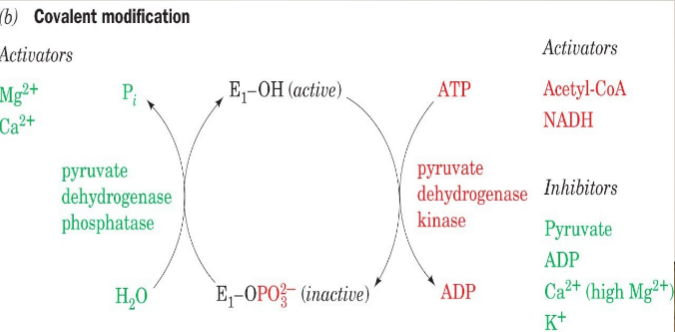
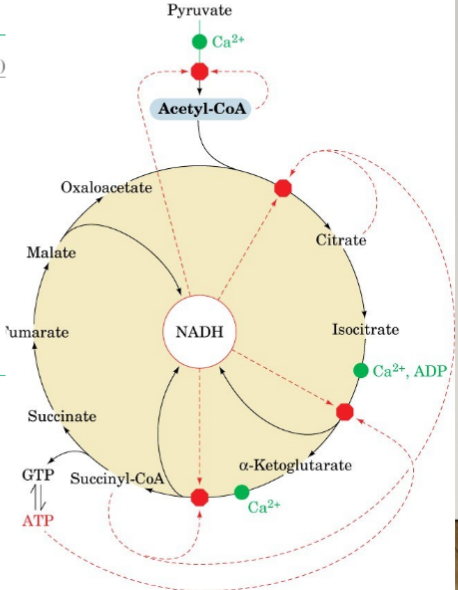
regulation
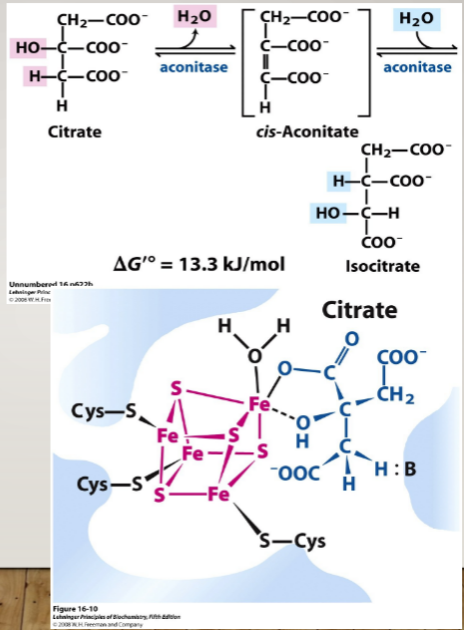
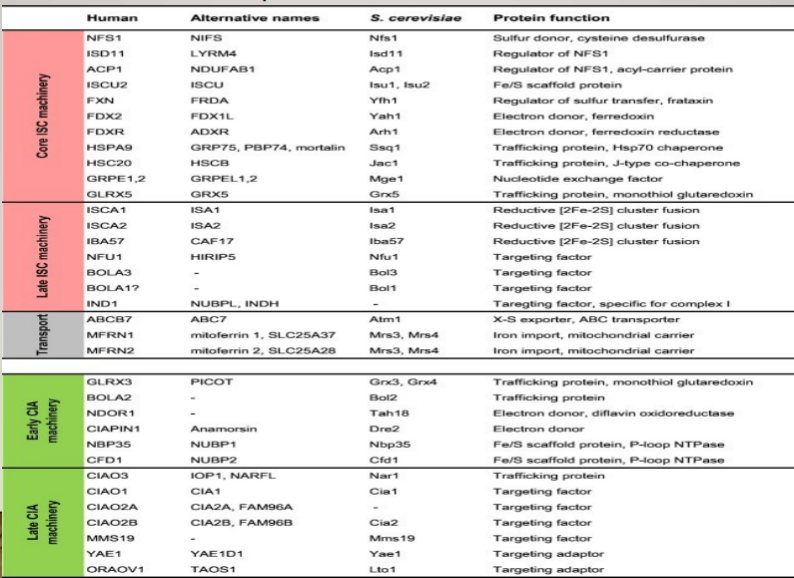
iron-sulfur crystals for proteins made in mitochondria
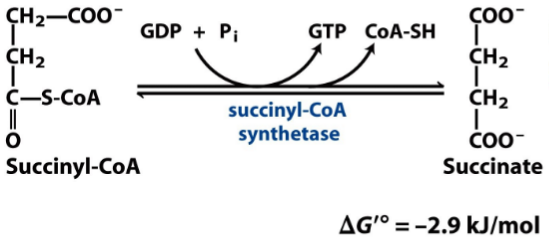
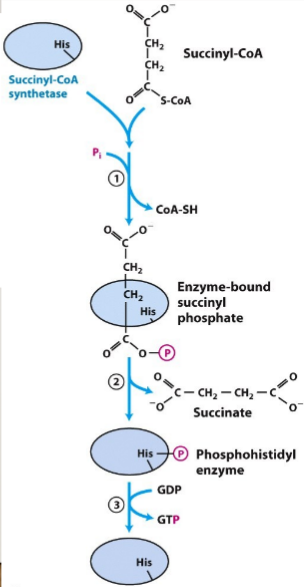
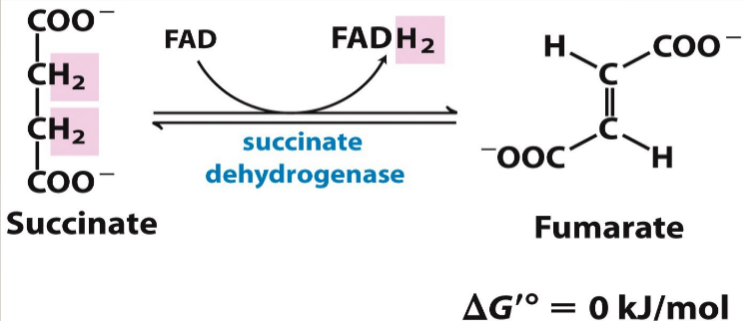
reverse rxn - fumerate reductase.
Facultative aerobes like E.coli have both a succinate dh & fumerate reductase gene, but structually they are identical.
In the mitochondria this is a trans-membrane bound protein that is part of electron transport, complex II.
malate shuttle: brings malate in