Cardiac cycle
Cardiac muscle
myogenic
does not need to be stimulated by a nerve impulse to make it contract
Cardiac cycle
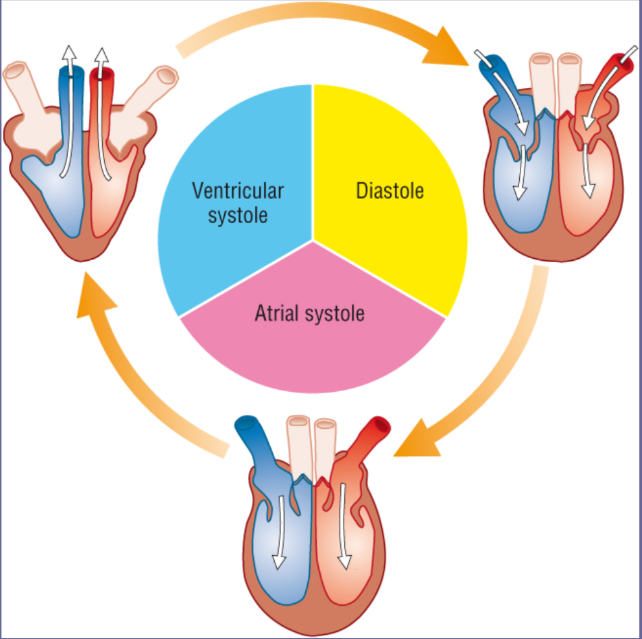
Diastole
atria and ventricles are relaxed
blood flows into the heart from the vena cava and the pulmonary evein
atrioventricular valves are open
semilunar valves shut as blood falls downwards due to gravity
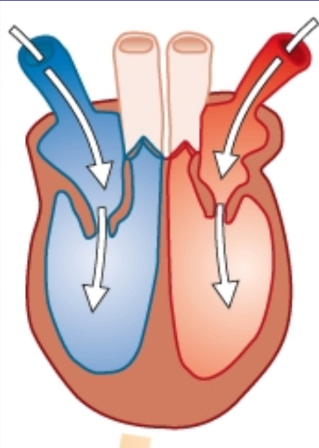
Atrial systole
right and left atria contract together
increase in pressure pushes blood into ventricles
AV valves are open
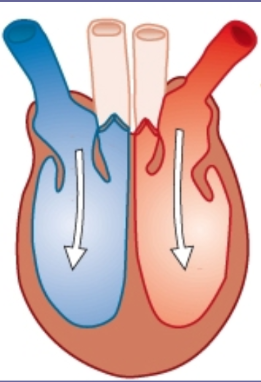
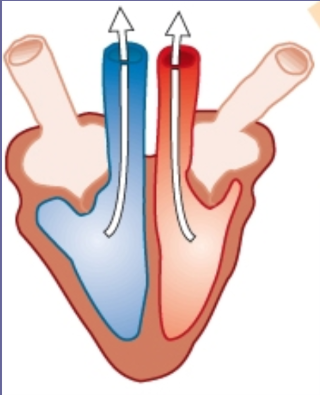
Ventricular systole
ventricles contract
blood is pushed against AV valves causing them to shut
blood is pushed upwards towards the arteries
semilunar valves open and blood is pumped out of the heart
cardiac cycle | atria | ventricles | AV valves | semilunar valves | blood flow |
diastole | relax | relax | open | shut | vena cava and pulmonary vein → atria |
atrial systole | contract | relax | open | shut | atria → ventricles |
ventricular systole | relax | contract | shut | open | ventricles → aorta and pulmonary artery |
Controlling the heartbeat
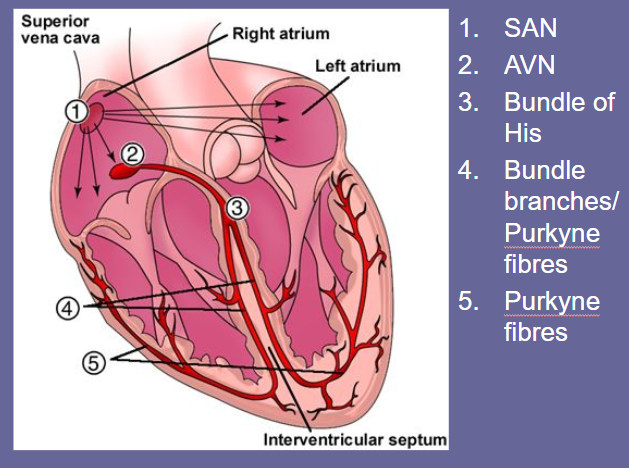
chambers of the heart are stimulated to contract by electrical impulse
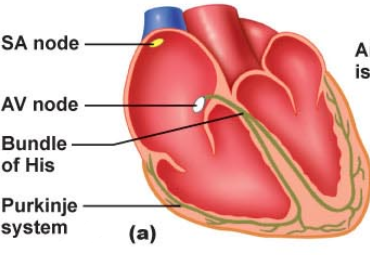
impulses originate from specialised groups of cells
atria: sinoatrial node (SAN)
between atria and ventricles: atrioventricular node (AVN)
Controlling heartbeat mechanism
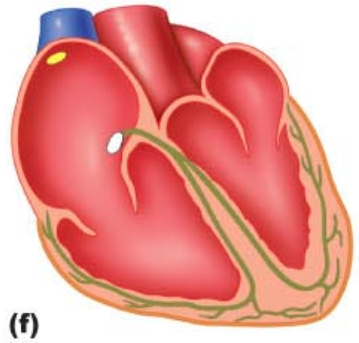
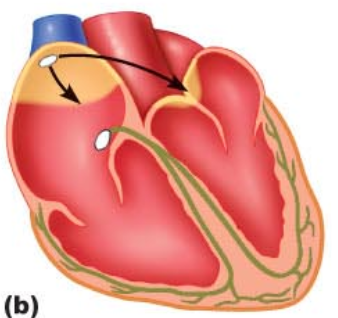
an action potential is initiated in the SAN
wave of excitation spreads out from the SAN across the atria
wave spreads across both atria causing them to contract and reaches AVN and slows conduction briefly
ensures atria have fully emptied into ventricles before ventricles contract
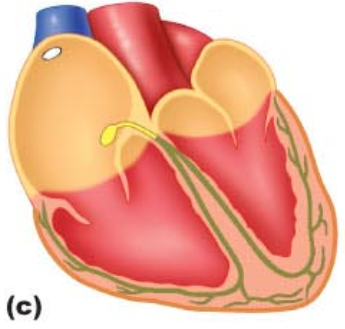
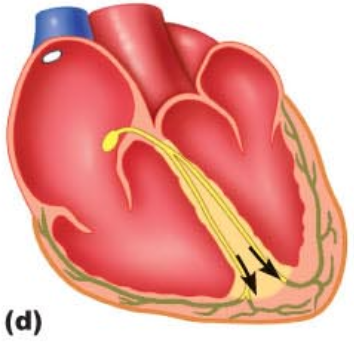
AVN passes impulse to Bundle of His and down between the ventricles through the purkyne fibres
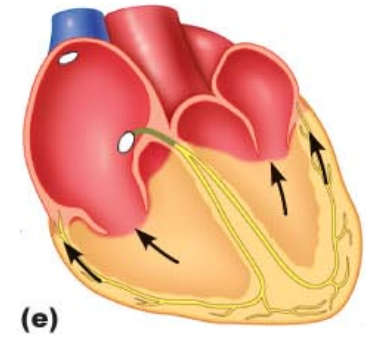
purkyne fibres release electrical impulse so ventricles contract from the bottom up
no electrical impulse, cardiac muscle relaxes - diastole
allows atria to fill with blood before next cardiac cycle
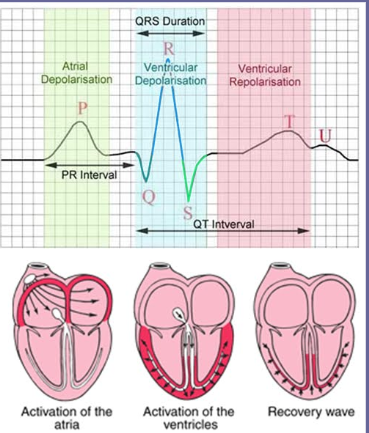
Electrocardiogram interpretation
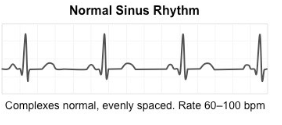
Normal (60-100bpm)
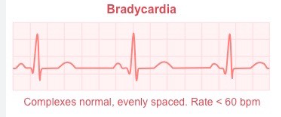
Bradycardia (<60bpm)
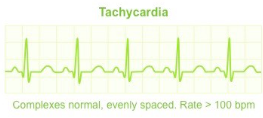
Tachycardia (>100bpm)
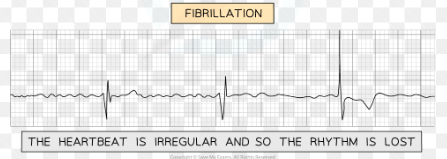
Atrial fibrillation
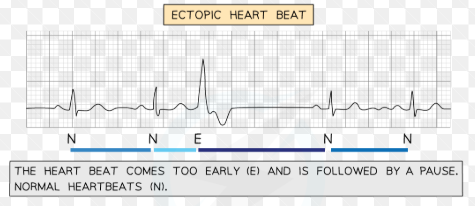
Ectopic heartbeat