Paul and Silas in Thessalonica & Corinth
The Coming of Christ
Paul opened this letter from Silas, Timothy, and himself to the Thessalonians by writing his thanks to God for their faith and their love for each other. He noted that he and the other disciples bragged about the Thessalonians to the other churches they spoke in because of their faith in light of their persecution. They were suffering, and that was showing them worthy of God's kingdom. God would repay those who afflicted the Thessalonians with afflictions of their own, and He would give relief to the Thessalonians and the apostles. Paul promised that they would pray for the Thessalonians so that God would make them worthy of His calling. This was to glorify the name of Christ in them, according to the grace of Jesus.
Christians in Thessalonica
Paul continued his letter by telling the Christians in Thessalonica not to be worried about the time of Christ's return. They were not to let people frighten them or fool them. Christ would not return until there was a great rebellion, where the lawless leader would take the throne and declare himself a god. Paul reminded them of what he had told them when he was with them. He assured them that they had not missed the return of Christ as some thought they had. They would know when the time came, so this should not trouble them.
Paul also wrote that he and the other apostles would thank God for the Thessalonians because they were chosen to be saved by the Holy Spirit. They had been called through the gospel so that they would receive the glory of Christ. Paul encouraged the Thessalonians to stay strong in the faith and in the traditions the apostles had taught them through spoken words or letters. He then prayed that God would comfort the Thessalonians just as He had comforted the apostles.
Paul concluded this part by asking the Christians in Thessalonica to pray for him and the other apostles so the gospel would go ahead of them as it had in Thessalonica, and so they would not have to face more evil men. He declared that God was faithful and would guard them against the evil one. The apostles were confident that they were doing as they had been told.
Will Not Work, Will Not Eat
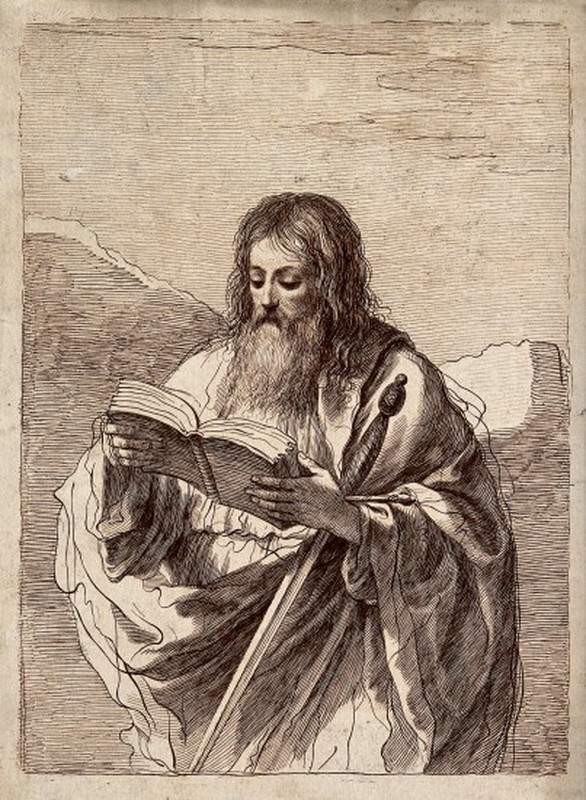
Paul recommended to the Thessalonians that they avoid people that did not work. Idleness and laziness went against what the apostles had taught them. Paul pointed out that the apostles had not been idle when they were among the Thessalonians. Paul and the other disciples had worked day and night not to burden them. They could have been idle if they had wanted to, but they had wanted to set a good example for the Christians in Thessalonica to copy. Paul had told them when he was with them that if people would not work, they would not eat. He had heard that some among them did not work, but now he encouraged them to work and earn their way. He closed by asking them not to grow tired of doing good. If people did not want to obey what he had written in the letter, the Thessalonians were to ignore them. They were not to treat them like enemies but warn them like brothers.
Paul in Corinth
Paul went to Corinth after leaving Athens. There, Paul met Aquila, a fellow tentmaker and Jew. On each Sabbath, Paul spoke to the Jews and the Greeks in the synagogue in Corinth. When Paul attempted to speak with the Jews and some of them not only did not believe him but also harassed him, he decided to go to the Gentiles. He went to the house of a man named Titius Justus next to the synagogue. Titius Justus worshipped God. Crispus, the head of the synagogue, also believed in the gospel. There were many Corinthians baptized.
Paul had a vision one night when God came to him and told him to continue in his ministry and not be silent. God guaranteed that He would protect Paul, and He said that there were many believers in Corinth. Paul stayed in Corinth for eighteen months, teaching and spreading the gospel. The Jews then made a united attack on Paul and brought him before the tribunal. They accused him of having people worship God contrary to the law. Gallio, the proconsul, refused to judge this matter since it was a matter of words and not an actual crime. Gallio threw them all out of the tribunal. They seized Sosthenes, the synagogue's ruler, and beat him, and Gallio ignored this.
Paul Returns to Antioch
Paul returned to Antioch, taking Aquila and Priscilla (Aquila's wife) with him. When Paul arrived at Ephesus, he left them and came to the synagogue to speak with the Jews. They asked Paul to stay, but he sailed from Ephesus to Caesarea. He visited the church there and then went to Antioch. He spent some time in Antioch, then traveled through Galatia and Phrygia, encouraging the disciples.
Ephesus
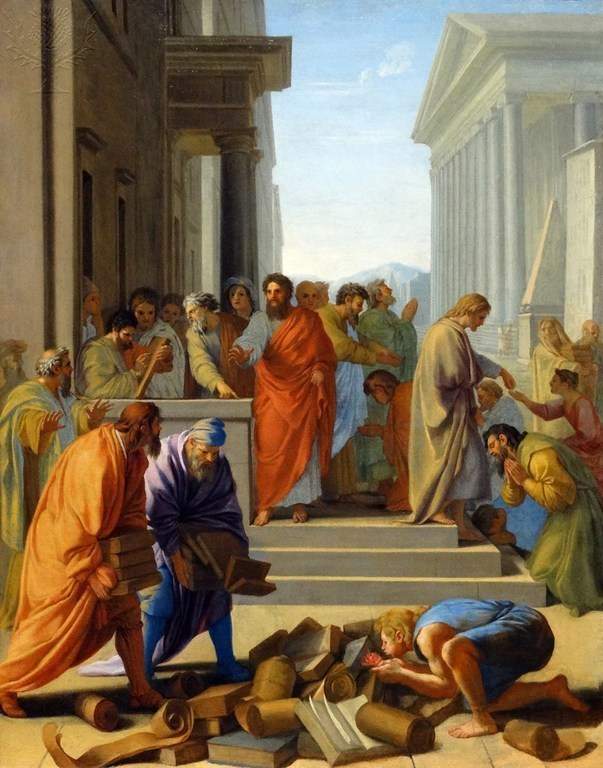
Apollos, a native of Alexandria (in Egypt), came to Ephesus. He was a powerful speaker that had been trained in the Scriptures. He spoke in the synagogue and stood up to the Jews that tried to persecute him. Priscilla and Aquila helped him with some of the accuracies in his teachings. The other apostles encouraged him as well. He went to Achaia and helped those who had heard the gospel and received it immensely.
Apollos was in Corinth while Paul went to Ephesus. Paul found some disciples that had been baptized in the teachings of John the Baptist. These teachings were from before the time when the Holy Spirit had come down on Christ's followers. Paul baptized the disciples in the name of Jesus. The Holy Spirit came onto them when he baptized them, and they began speaking in tongues and prophesying. Paul spoke in the synagogue in Ephesus for three months until the point where the remaining unbelievers continued in their unbelief. Paul then began speaking in the hall of Tyrannus. He did this for two years, preaching to the Greeks and the Jews.
Some Jewish exorcists proclaimed the name of Jesus in their exorcisms. They cast out demons in the name of Jesus. One day, a demon replied that it knew of Jesus and Paul but questioned who these men were that were attempting to cast it out. The possessed man the demon was inhabiting then attacked these Jewish exorcists and beat them badly. Many of those that practiced magic confessed and burned their books of magic. The gospel message continued to spread.
Around that same time, a silversmith named Demetrius stirred up other silversmiths and complained that Paul was a detriment to their business because people were beginning to doubt the false gods. Because these silversmiths made silver shrines for false gods, they were afraid of losing business. This led to a riot among the supporters of the false god Artemis. They shouted that Artemis wanted the apostles driven out since Artemis was worshipped by the people in Ephesus.
Paul's Letter to the Corinthians
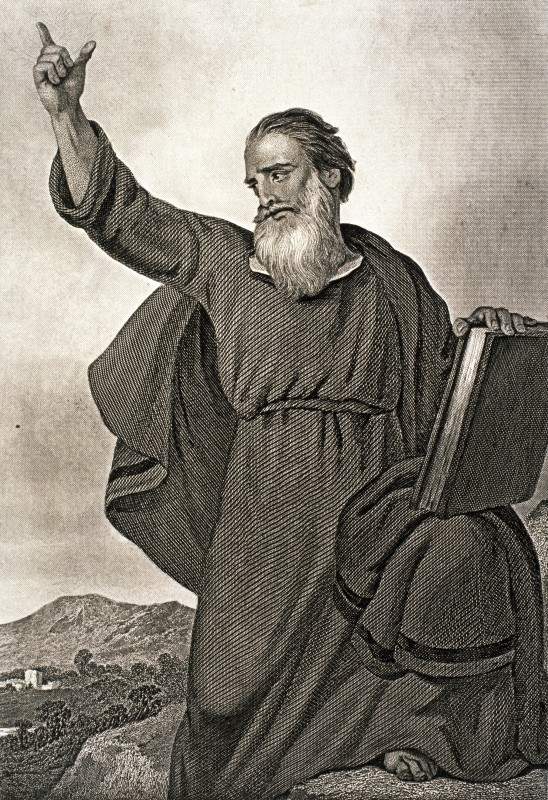
Paul wrote a letter to the church in Corinth. Paul opened his letter with thanks to the church. He spoke about the subject of division in the church. He had received reports about arguments that had been occurring in the church. He noticed that some were saying they were following Paul while others were following Apollos, Peter, or others. Some said that they followed Christ. Paul emphasized that following anyone other than Christ was incorrect. He pointed out that he had only focused on Jesus Christ's death and resurrection when he had preached to them. He only spoke in demonstration of the power of the Holy Spirit so that their faith would not rest on the wisdom of men but on the power of the Holy Spirit.
Paul explained that among those who were mature, wisdom would be given. This was a unique, secret wisdom of God. Paul noted that if the rulers had possessed this wisdom, Christ would not have been crucified. These things were revealed through the Holy Spirit.
The Apostles
Paul wrote that the apostles should be regarded as servants of Jesus Christ and keepers of the mysteries of God. The apostles must be faithful. He noted that human courts could not judge him, and he did not even judge himself. Only God could judge. When Christ returned, He would judge. Paul applied all of these things to himself as well as to Apollos so that they would not favor one over the other. Paul pointed out that the Corinthians had all that they wanted. They had already become rich. He explained that the apostles were fools for Christ, but they were wise in Christ. The apostles were weak, but they were strong. The apostles were disrespected, but they were held in honor. The apostles were poorly dressed and homeless and performed manual work. They blessed those that persecuted them and endured slander. To the world, they had become like scum and trash. He urged the people of Corinth to imitate him and the other apostles.
Paul told them that he did not write to make them ashamed. He wanted them to imitate him. He said that this was why he had sent Timothy—to teach them the ways of Christ. These were the same things he taught everywhere, in every church. The kingdom of God was not made up of talk but of power.
Behaviors
Paul shared that he had heard that someone among them was committing acts of sexual immorality—a man was with his father's wife. Paul advised that they should remove that man from their fellowship. He clarified that they should not judge outsiders, but those within the fellowship of believers should be judged. When assembled, they were to deliver this man to Satan so that his flesh may be destroyed, and so that Christ may save his soul on the day of judgment. (This means that the sinner would be open to the tortures of Satan so he would seek repentance and be brought back into the church. This has been a greatly debated verse by scholars with multiple interpretations.)
Paul wrote that lawsuits against fellow believers should be handled among themselves and not taken to civil courts. Taking matters before the civil courts would mean taking matters before unbelievers. If it came to bringing lawsuits against each other, they were already defeated as a church.
The unrighteous would not inherit the kingdom of God. These unrighteous included the sexually immoral, idolaters, adulterers, men who practiced homosexuality, thieves, the greedy, drunkards, revilers, and swindlers. Paul told them that they were sanctified in the name of Christ by the Holy Spirit.
Paul reminded them that the body was meant for Christ and not for sexual immorality. Their bodies were members of Christ's body, and they should not mix with prostitutes. The body was the temple of the Holy Spirit, which had been bought for a price. It should therefore be glorified in Christ. A man should have his wife, and a woman should have her husband. Husbands and wives should not deprive each other of affection except by mutual agreement to avoid the temptation to sin.
Summary
Paul wrote to the church in Thessalonica. He spoke to them about the coming of Christ and emphasized that the suffering they endured would draw them closer to Christ. The Christians were concerned that they may have missed the return of Christ, so Paul reassured them that they had not missed this and would see signs before it happened. He had told them that God was faithful and would protect them from Satan. Some of the people in Thessalonica had become idle. Paul warned that if they did not work, they should not eat.
Paul went to Corinth. He spoke to Jews and Gentiles alike in Corinth. Some Jews caused problems and took Paul before the city's proconsul. The proconsul threw the Jews out of the tribunal because Paul's offenses were just words. Paul went to Antioch, Ephesus, and Caesarea. In Ephesus, he was attacked by silversmiths that fashioned false gods and made their living from this. Some Jewish exorcists were attacked by a possessed man when they tried to invoke the name of Jesus to have the demon come out.
Paul also composed a letter to the Corinthians. He noted some discord in the church there, where the church had divided into factions. Some said that they followed different apostles, and some said that they followed Jesus. Paul made it plain that they should only follow Jesus. He called out certain sinful behaviors that church members were participating in. He emphasized that they should not allow this and should put these members out. This did not apply to unbelievers. They should still try to help unbelievers change their ways.

Application and Reflection
Application
Paul wrote to the Thessalonians about some of their members not working. He emphasized Christians' responsibility to work to help fund Christ's mission here on earth. He said that if these people would not work, they would not eat. The value of hard work is often seen in Scripture, and there is no work more vital than working to bring others to Christ.
Reflection
Divisions within the church are nothing new, as you can see from Paul's letter to the church in Corinth. This still happens both internationally and locally. As Christians, we must stay focused on Christ. What would you do if you saw such divisions within your own local church?