7.3 - regulation functions of the kidney
HORMONES
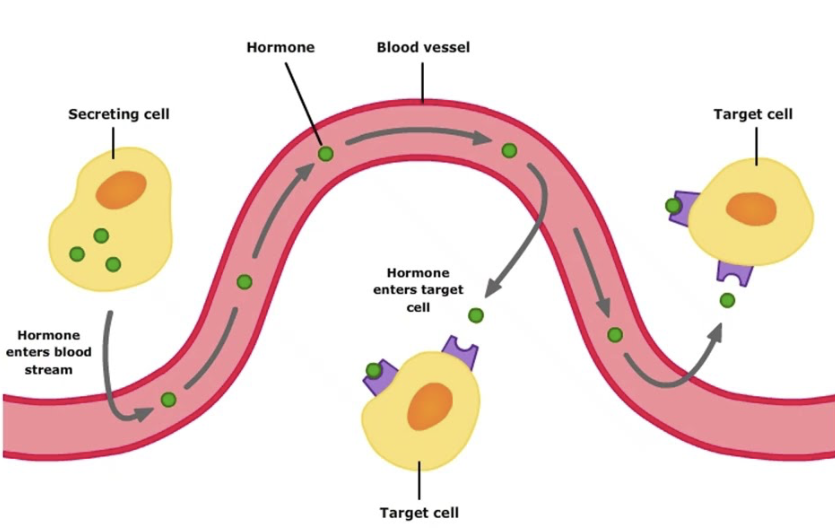
chemical messengers (carry messages from one part of the body to another)
travel via the blood to target organs
speed up or slow down certain body functions (ex. heart rate, growth, digestion etc)
make long term adjustments (puberty) as opposed to the nervous system which makes short term adjustments (quick responses)
POSTERIOR PITUITARY: below the hypothalamus
connected to the hypothalamus by nerve tracts (bundles of neurons)
stores and secretes (releases) hormones produced by the hypothalamus
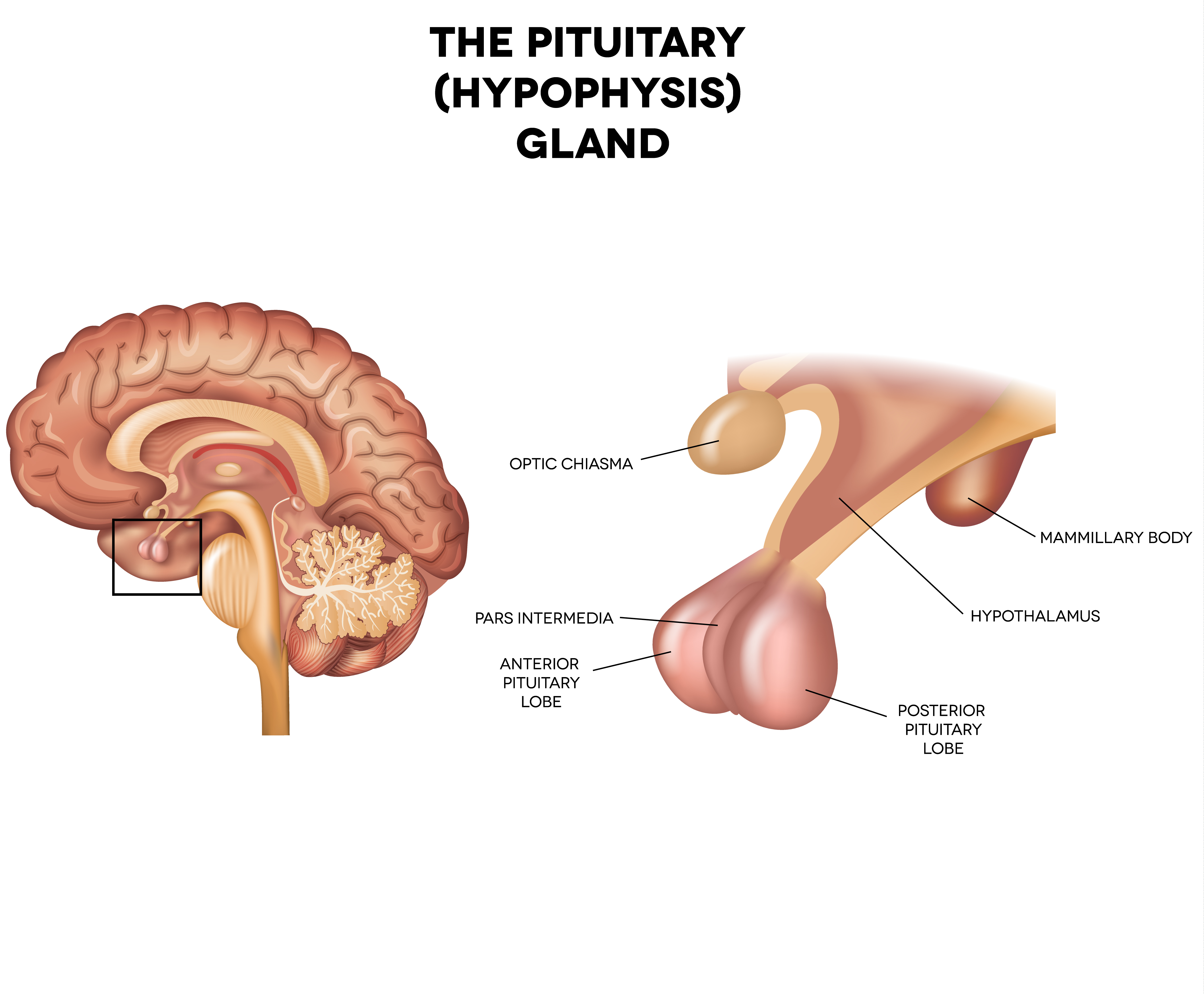
ANTERIOR PITUITARY
not connected to the posterior pituitary
produces its own hormones but is controlled by the hypothalamus
hypothalamus produces releasing hormones which cause the anterior pituitary to secrete specific hormones
these hormones may affect body tissues or other endocrine glands
thus, the hypothalamus and the anterior pituitary are considered the neuro-endocrine control centre
anterior pituitary is considered the master gland
ADRENAL GLANDS
MEDULLA
secretes adrenalin and noradrenalin (epinephrine and norepinephrine)
initiates the fight or flight response
CORTEX
secretes cortisol (promotes healing)
secretes aldosterone for Na+ reabsorption
REGULATION OF KIDNEYS - BLOOD VOLUME (WATER BALANCE)
blood volume is directly controlled by kidneys (control how much water is reabsorbed and how much is removed as urine)
increase in reabsorption of water leads to an increase of blood volume
decrease in reabsorption of water leads to a decrease of blood volume
adjusted by combination of hormones and nervous system (kidney changes water reabsorption based on hormones and nerve signals)
ADH: anti-diuretic hormone
released by the posterior pituitary gland
causes the distal convoluted tubule and collecting duct to be more permeable to water. more water is reabsorbed which can increase/maintain blood volume
NO ADH PRESENT: collecting duct is NOT permeable to water, large volume of urine is produced
ADH PRESENT: collecting duct is permeable to water, small volume of urine is produced
produced by the body when its dehydrated to reabsorb/conserve more water
ALDOSTERONE
released by adrenal glands
causes reabsorption of Na+ from the distal convoluted tubule
this causes blood to be hypertonic (more solutes in blood), causing more water to be reabsorbed into the blood from the nephron
JUXTAGLOMERULAR APPARATUS AND BP
region of afferent arteriole that monitors BP
increase in fluid loss (filtrate) will lead to decrease in BP
decreased BP automatically leads to less fluid being filtered (less force pushing fluid out of the glomerulus)
if BP is low, juxtaglomerular cells release renin (enzyme)
renin stimulates the conversion of angiotensinogen (from the liver) into angiotensin
ANGIOTENSIN
angiotensin causes:
release of vasoconstriction
stimulates release of aldosterone from the adrenal cortex
VASOCONSTRICTION
reduces the diameter of blood vessel which helps increase blood pressure (the force)
ALDOSTERONE
causes Na+ reaction
Na+ reaction leads to increase blood volume and increased BP
MAINTENANCE OF pH
chemoreceptors in the carotid and aortic bodies stimulate the respiratory centre when blood pH decrease
but the respiratory can only maintain minor fluctuations in pH
the kidneys maintain the blood’s constant pH
BLOOD PH IS TOO LOW (ACIDIC)
some H+ ions are excreted in the DCT with ammonia (NH3)
NH3 produced in the tubule cells from the deamination (removal of amino group) of amino acids
NH3 + H+ → NH4
and some bicarbonate ions are reabsorbed into the blood
H+ + HCO3 → H2CO3 → Co2 + H2O (removes hydrogen ions)
BLOOD PH IS TOO HIGH (BASIC)
less NH4 will be excreted and less HCO3 will be reabsorbed (from urine/nephron)
phosphate will also buffer blood