Prep Course
AIM Test
A - Answer Focused
Focus your structure on the right question and provide a prioritized approach to solving it
I - Insightful
Tailor your structure to the clients specific situation
M - Mece
How to Build a Structure in 3 Steps
Break down the problem into first-level drivers (M - Mece)
Top-Down Approach
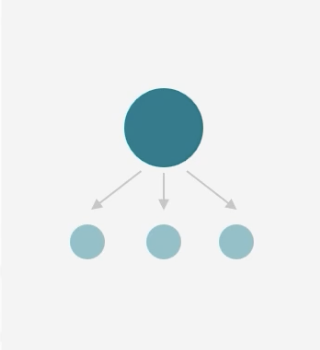
Break down the problems into its components
Bottom-Up Approach
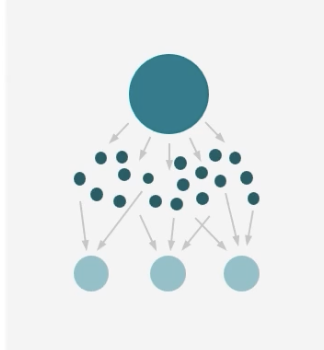
Use insight and generate ideas that could solve the case question
Group these ideas into factors
Order the 1st level drivers by priority (A - Answer-Focused)
Add Depth and insights (I - Insightful)
Top - 10 Case Frameworks
1. How to Improve Profits?
Revenue
Volume
Price
Costs
Fixed Costs
Variable Costs
2. How to Grow a Business?
Grow the core Business
Grow across current segments
Aquire, retain, or increase spend of customers
Better products, Improved Marketing, Competitive prices
Invest in fastest-growing segments
Geographies customer types
Self-driving vehicles, Low-cost product line, Asia
Grow Outside of the Core Business
Sell new products to existing clients
Insurance, Maintenance plans, Leasing
Use our capabilities to get into new businesses
3. How to Cut Costs?
Reduce the Need
Eliminate the need entirely
Self-Service Portal
Reduce the service level
Only offer chat support
Meet the need with less Resource
Eliminate waste
Improve productivity
Training
Reduce the cost of resources
Find Cheaper alternatives
Offshoring
Renegotiate costs
4. Whether to Enter a New Market?
Market Opportunity
Market Size
Market Growth
Potential Share
Competitors
Customer Needs
Our Offering
Potential Profit
Investment
Running Costs
Revenue
Capabilities and Risks
5. How to Launch a New Product?
Choose target segments (Is (Product) attractive)
Size & Growth
Competition
Customer Needs
Define our Marketing Strategy (How much of market is capturable)
Product
Price
Distribution
Promotion
Implementation
Product Design
Production
Marketing & Sales
Logistics
Aftercare
6. How to Price a Product?
Costs
Variable Costs
Plus enough markup to cover margin, investment, and fixed costs
Investment Costs
Fixed Costs
Clients’ Willingness to Pay
Competitors or Substitutes
Should we Price above or below?
7. Whether to Make an Investment?
Impact on Costs
Impact on Revenue
Break Even?
Implementation
8. Whether to Acquire a Business?
Standalone Value
Future Revenue
Future Cost
Valuation Multiples
Synergies
Revenue Growth
Cost Reduction
Capabilities & Risks
9. How to Respond to a Competitive Threat?
Potential Impact on our Business
Segment Affected
Estimated Loss
How tMuch are we likely to lose?
Opportunity Pursued by Competitors
Size
Profitability
Are they after an opportunity?
Possible Responses?
Do Nothing
Mitigate
Retain our clients
Align
Lower Prices
Replicate
Launch Competing Offer
Collaborate
10. How to Optimize a Process?
Map Out Current Process
Capacity?
Utilization?
Bottleneck?
Look Into Each Step of the Process
Eliminate
Reduce Cost
Increase Speed
Increase Quality
Anticipate
Estimate Gains
Unusual Case Frameworks
Unusual Academic Frameworks
Supply and Demand
Low Price = High Demand, Low Supply
High Price = Low Demand, High Supply
Demand = Supply = Equilibrium
Helpful for Understanding
Price Changes
Profit forecasting
Market outside of business
Operations
The Three Cs
Supply —> Company + Competitors (Industry)
Demand —> Customers (market)
Porter’s Five Forces
Supply —> Competitors, Suppliers, Substitues, New Entrants
Demand —> Customers
The Four Ps
Product
What are we offering?
Ex: Features, Design, Branding
Price
How much do we charge?
Ex: Pricing strategies, Competitiveness
Place (i.e. distribution)
Where do we sell it?
Ex: Distribution channels, Partnerships
Promotion
How do we advertise it?
Ex: Advertising, Communication, Public Relations