Complete Flowers
All about Angiosperms
Flowers: a reproductive shoot (a twig plus leaves) of angiosperms
What is an angiosperm?
“covered seed”
bear seeds which are inside an ovary
Angiosperms are the most highly evolved and most successful plants
88% of the plant kingdom is made up of angiosperms, flowering plants
What is a gymnosperm?
“naked seed”
Flowers and flowering plants
Flowers produce and disperse seeds
Sexual reproduction promotes superior plants
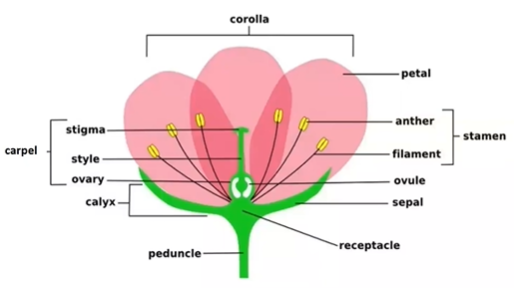
Four blasic flower parts
gynoecium: old name—pistil, has one to many carpels (female part)
androecium: old name—stamen, anther with pollen sacs, carries sperm (male part)
petals: help pollinators finds flowers
sepals: help cover or protect flower parts while they are in bud
Complete flowers have all 4 flower parts
More primitive flowers have complete parts
Gynoecium (one to many carpels)
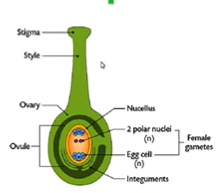
Carpel = stigma, style, and ovary
stigma: where pollen needs to land
style: sorts out foreign pollen, stops growth of foreign pollen
ovary: contains ovules. Once fertilized, they develop into seeds
Androecium = stamens
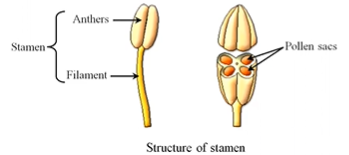
Stamen: male floral parts containing pollen for fertilization
anther: contains pollen sacs
filament: stalk that supports anthers
Collective flower parts
calyx: all the sepals together
corolla: all the petals together
[perianth - calyx + corolla]
androecium: all the stamens
gynoecium: all the carpels
Complete flowers, which are more primitive, have all 4 flower parts.
Flower evolution:
Some families have not changed much from original ancestors
Characteristics: many petals, many stamens
Ex: Magnoliaceae, Lauraceae, Calycanthaceae, Annonaceae
Most of these are insect or animal-pollinated
Some families are more evolved
Characteristics: fewer number of flower parts (usually 5), more evolved floral structures