Deregulated apoptosis
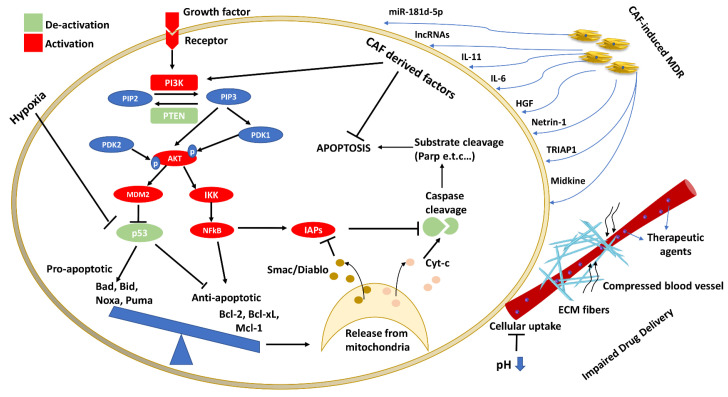
Deregulated apoptosis refers to the malfunction of the programmed cell death process, leading to uncontrolled cell survival or excessive cell death. This disruption can contribute to various diseases, particularly cancer, where cells fail to undergo apoptosis despite DNA damage, allowing them to proliferate uncontrollably. Conversely, excessive apoptosis can lead to degenerative diseases and tissue loss. Factors influencing deregulated apoptosis include genetic mutations, dysregulation of apoptosis-related proteins (such as Bcl-2 family), and external signals from the microenvironment.
Apoptosis research has advanced due to the identification of genes in a common cell death pathway and their interactions. Key breakthroughs include understanding the mechanisms of Bcl-2 family proteins, caspases, and death receptor complexes. Deregulated apoptosis is observed in cancers, viral infections, autoimmune diseases, immunodeficiencies, neurodegeneration, and infertility.