Ave-Maria NC PROGRAM
💛✨ Nakane CAPS ✨💛
✨🌟 Basic Training 🌟✨
🌟💛 nakane CAPS 💛🌟
✨💫 The Sensory-Based Building Blocks 💫✨
⭐💛 Sensory-Based Equations 💛⭐
This basic training is just the tip of the iceberg 🌊✨. But it all starts here, with the senses 🧠💫. Let’s begin with the 4 main ways we process the world around us 🗺✨:
💛 VISUAL, FEELING, AUDITORY & THINKING 💛
Our initial findings were built off of 50 year old research which uncovered that eye movements reveal how the brain is processing information 👀🧠✨. This original research was largely underdeveloped and misused, but the underlying premise was correct 💡🌟. We then discovered that these 4 foundational blocks are intricately tied to the entire human physiological design, and mapped throughout all face, eye, & body movements 👤✨.
✨💛 nakane CAPS 💛✨
🌟💫 The Seven Motivants 💫🌟
In addition to discovering how the 4 sensory blocks are mapped throughout the body (like a grid system 📐✨), we found these 4 combine into paired movements – equations 📝⭐ – that form The 7 Motivants: The seven motivations (and families of characteristics) by which all internal/external human behavior is classified 👥✨. This means that not only is an individual’s personality design empirically obvious 🔎💛, but also how they are processing situations from moment-to-moment ⏱✨. Learning Nakane CAPS gives us the lens 👀🌟 to see through body movements, verbiage, and tone what someone is motivated by ✨🗣 – which does not remain stagnant, but rather, organically shifts in response to their internal state and external scenarios 🌊💫.
In addition, the structure of humanity; society, cultures, time periods, even gender, age and so forth have Motivant “Overlays” 🗺✨ which give further insight to both the order nuance and involved in defining who we are and how we behave 👤🌟.
✨🔑 What are the Seven Motivants? 🔑✨
💛 Wealth, Respect, Revolution, Victory, Balance, Approval, Artistic 💛
The first six (minus Artistic) are the “6 Embodied Motivants” ✨👤 – which exist on three continuums where the motivants flip back and forth between one another 🔄💫. (Yep – we are throwing A LOT at you right off the bat 🌊⭐, but the more training you do with us, and the more you notice and apply it, the more it will all make sense 💡✨).
The 7 Motivants (which also can be thought of as 6+1 ➕✨) equationally & characteristically line up with designs and processes in multiple areas of knowledge 📚🌟: science & engineering, biology, theology, the arts, etc. e.g. six simple machines (+1 compound) ⚙, six Days of Creation (+1 Sabbath) ✨, six steps of fertilization (+1 child) 🌱, six populated continents (+1 Antarctica) 🗺, 7 notes in major scale 🎵, 7 prismatic colors 🌈 and so forth. We’ll be covering all this and more on our Nakane CAPS Youtube training channel 📺💛!
✨🌟 Now’s the Fun Part 🌟✨
Let’s go through the 3 Main Continuums and the 7 Motivants 💫💛.
Before we train you on the process of recognizing personality profile structure, it is important to understand the characteristics of the motivants themselves, and become aware of their presence in society in general 👥✨. You should, however, begin to think about the Primary (most obvious) Motivant and Continuum that those around you have the strongest tendency to exhibit 👀💡.
✨💛 RESPECT – APPROVAL CONTINUUM 💛✨
These two Motivants are truly at the core of the overall understanding of people 👤✨. They explain the underlying structure of the individual, relationships, families, organizations & society 👥🌟. Respect is based on self-identity, laws, communication and authority 📜✨. Approval is based on connection, love/hate, meaning & service 🤝💛. These two are innately tied together 🔗✨, as can be seen with the concepts of discipline & love, commitment & affection, rules & assessment, stories & emotion, identity & meaning 💫🌟. Understanding which version of this continuum is in place in any group, i.e. which rules, styles/uniform, stories, acceptable behaviors & considerations are adopted will explain their values and attachments 🏷✨. Fulcrum Points within the Continuums explain, for example, instances where Respect Primaries can be more nervous in front of an audience than Approval & Approval Primaries can be more self-focused than Respect 🎙💫. *If Respect is your Primary, you flip to Approval at times. If Approval, you flip to Respect 🔄💛.
👑✨ RESPECT ✨👑
🌟 IDENTITY
🌟 SELF-CHARACTERIZATION
🌟 DO I HAVE STATUS IN MY SOCIETY?
🌟 SOCIAL STRUCTURES
🌟 PLACE WITHIN PREFERRED HIERARCHY
🌟 DESIRES CREDENTIALS + POSITION (FOR SELF AND OTHERS)
🌟 RULES OF VALUED COMMUNITY
🌟 COMMUNICATION + STORYTELLING
🌟 TEACHING + GATEKEEPING
🌟 PREFERS HAVING AN AUDIENCE
🤝✨ APPROVAL ✨🤝
🌟 EDUCABILITY
🌟 CONNECTION
🌟 DO OUR LIVES HAVE MEANING?
🌟 EMOTION + PERFECTION
🌟 ADOPTING OTHERS’ PREFERENCES
🌟 APPROVING & DISAPPROVING (OF SELF & OTHERS’ BEHAVIORS)
🌟 VULNERABLE OR SHUTDOWN REACTIONS
🌟 ROMANTICIZING + CATASTROPHIZING
🌟 SERVING + REACCESSING
🌟 PREFERS MEANINGFUL INTERACTIONS
WEALTH – VICTORY CONTINUUM
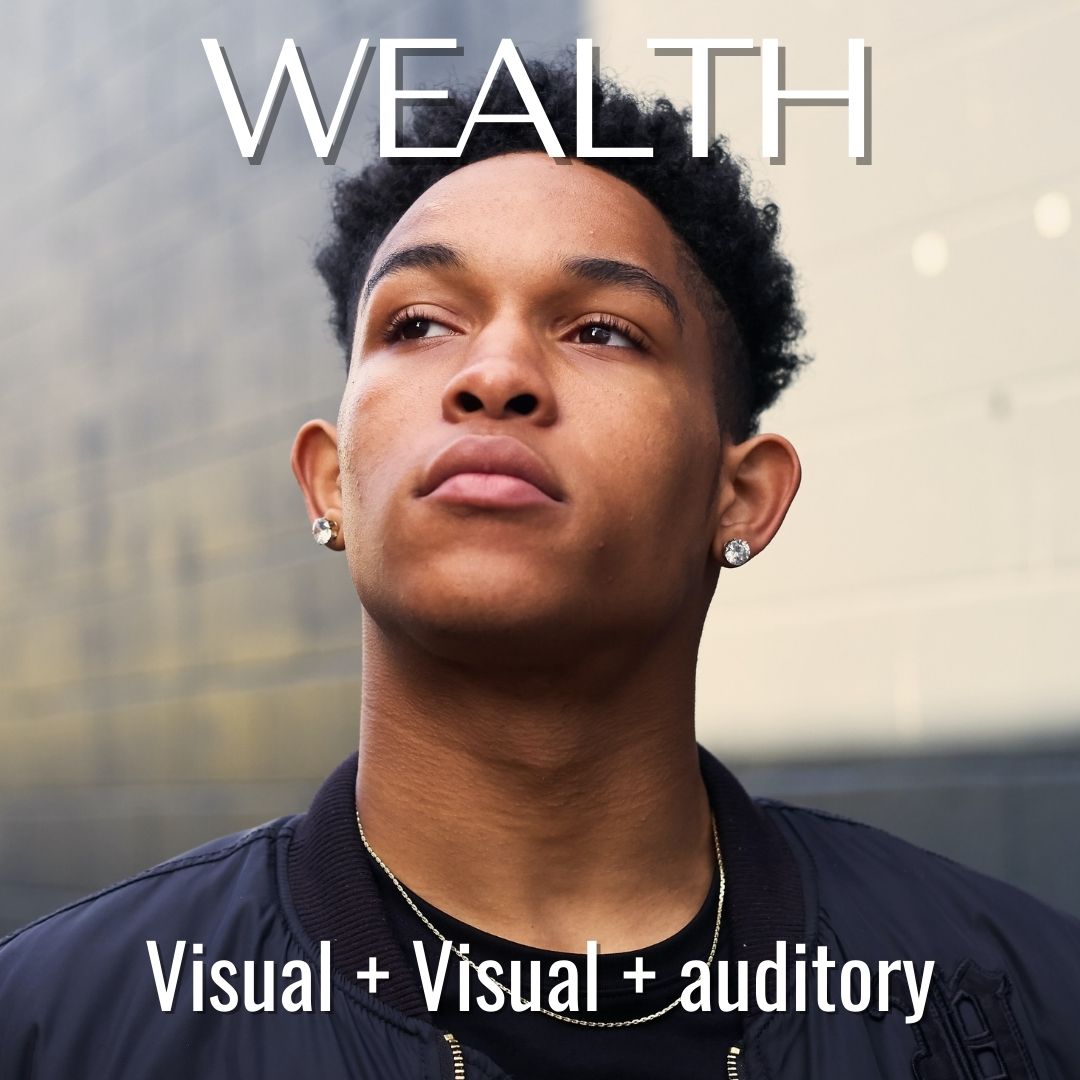
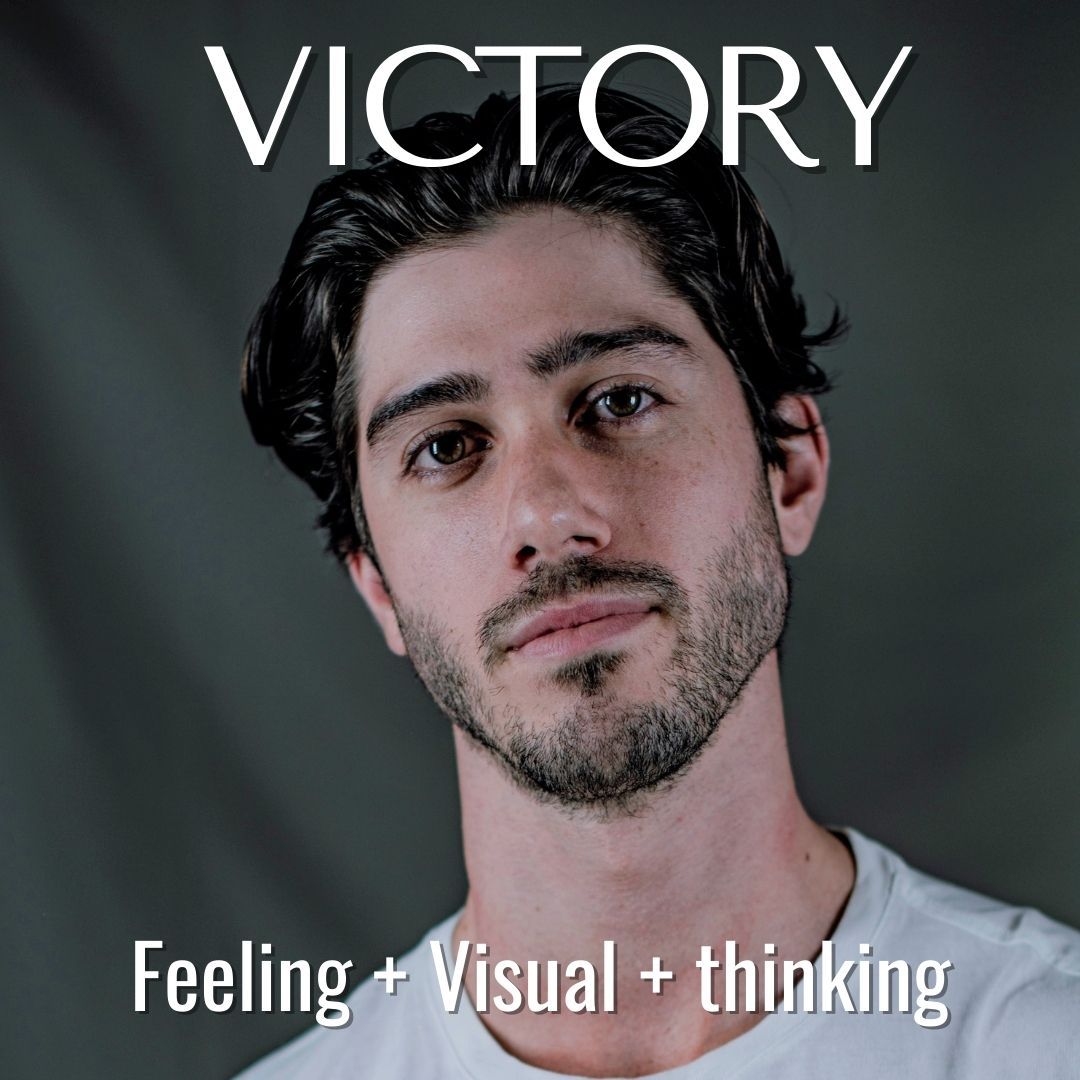
These two Motivants are the governing & protecting aspects of groups & society. The spheres of politics, the economy, business, military & sports all fall into this continuum. As with all motivants, however, you don’t want to over-generalize or stereotype. Wealth processes the world in terms of accumulation, be it through stacks of money or vast knowledge. Mansions or ascetic minimalism. Victory processes the world through progress, be it through sales-goals or altruism. In addition, these Motivants can be thought of as Respect & Approval on steroids. Look closely at their sensory-based equations: they begin with the same components, but VISUAL is added to Wealth & Victory, and the auditory & thinking blocks play a smaller role. So Respect = levels of hierarchy & social structure; Wealth = exclusivity & company-like scenarios. Approval = connection & consideration; Victory = teamwork & protection. *If Wealth is your Primary, you flip to Victory at times. If Victory, you flip to Wealth.
WEALTH
EXCLUSIVITY
ACCUMULATION
DOES THIS GET RESULTS?
PRESTIGIOUS POSITIONS
END-GAME OR BOTTOMLINE
DESIRES PREFERRED COLLECTIONS
(OF THINGS, KNOWLEDGE, EXPERIENCES ETC.)
DECISIVE + WANTS IMMEDIATELY
STOIC, COMMANDING OR DETACHED
FUNDING + OWNERSHIP
PREFERS DELEGATING IN SITUATIONS
VICTORY
INCLUSIVITY
COMPETITION
DO THESE STRATEGIES WORK?
TEAM ENVIRONMENTS
SUCCESS VS. FAILURE VIEWPOINT
STRONG APPROVAL & DISAPPROVAL
(USUALLY OF OTHERS, THE TEAM)
GOALS + WANTS PROGRESS
FORCE/PUSH + NEGOTIATING
SELLING + PROTECTING
PREFERS LEADING WITH GUT INSTINCT
REVOLUTION – BALANCE CONTINUUM
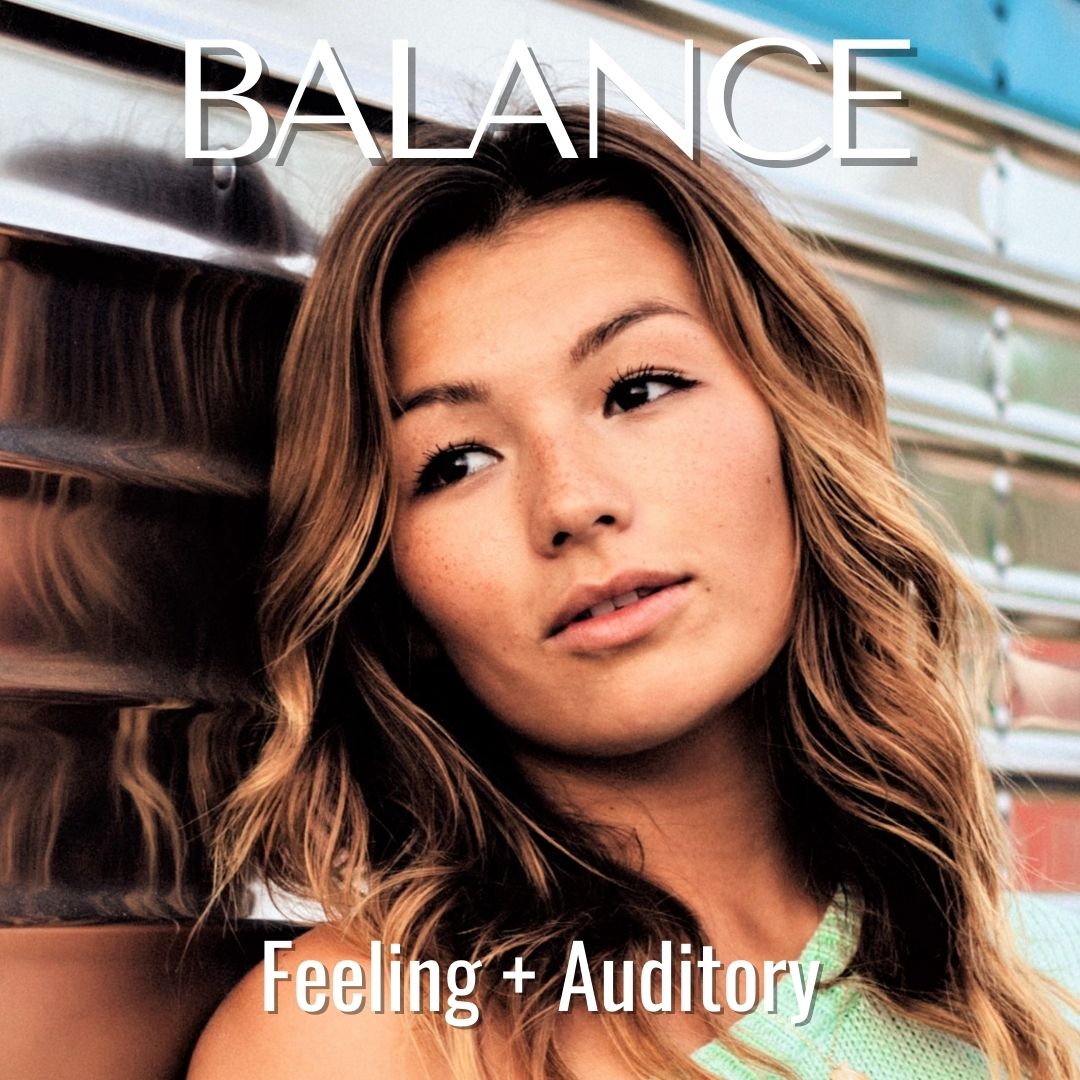
These two Motivants are the unifying & dividing aspects of equilibrium & change in groups and society. While seemingly opposite, as with all Continuums, they are inextricably tied together. Revolution’s ideas, innovations and protestations are most often attempts to bring about Balance’s unique perspectives, simplicity and peace. Likewise, Balance’s humor, trends and socratic questions are most often attempts to bring about Revolution’s shift in beliefs, societal changes, and strong convictions. In science, Revolution is the theory, Balance is the experiment. In history, Revolution is the defining intellectual movement of a place/time, Balance is the cultural one. Fulcrum Points exist within every Continuum & explain instances where Balance Primaries can be more rebellious, Revolution Primaries more mild-mannered. *If Revolution is your Primary, you flip to Balance at times. If Balance, you flip to Revolution.

REVOLUTION
EQUALITY
INNOVATION
DO MY IDEAS BRING ABOUT CHANGE?
TRUTH + CONVICTIONS
LOGICAL + ETHICAL PHILOSOPHY
DESIRE FOR ACCURACY + COMPETENCY
(OF PROCESSES, PRINCIPLES, GROUPS)
EXTREMES & CONSPIRACIES
REBELLION + DEFENDING UNDERDOG
FORMULATING + THEORIZING
PREFERS AUTONOMOUS SITUATIONS
BALANCE
INDIVIDUALITY
COUNTERACTION
DO MY OPINIONS CREATE EQUILIBRIUM?
POSSIBILITY + IMAGINATION
ATTITUDE + AESTHETIC PHILOSOPHY
DESIRE FOR TASTE + UNIQUENESS
(OF EXPERIENCES, BELIEFS, TRENDS)
MODERATION & REASONABILITY
CONTRARIAN + CRITIQUING
MANAGING + MEDIATING
PREFERS COMMUNITY CULTURE
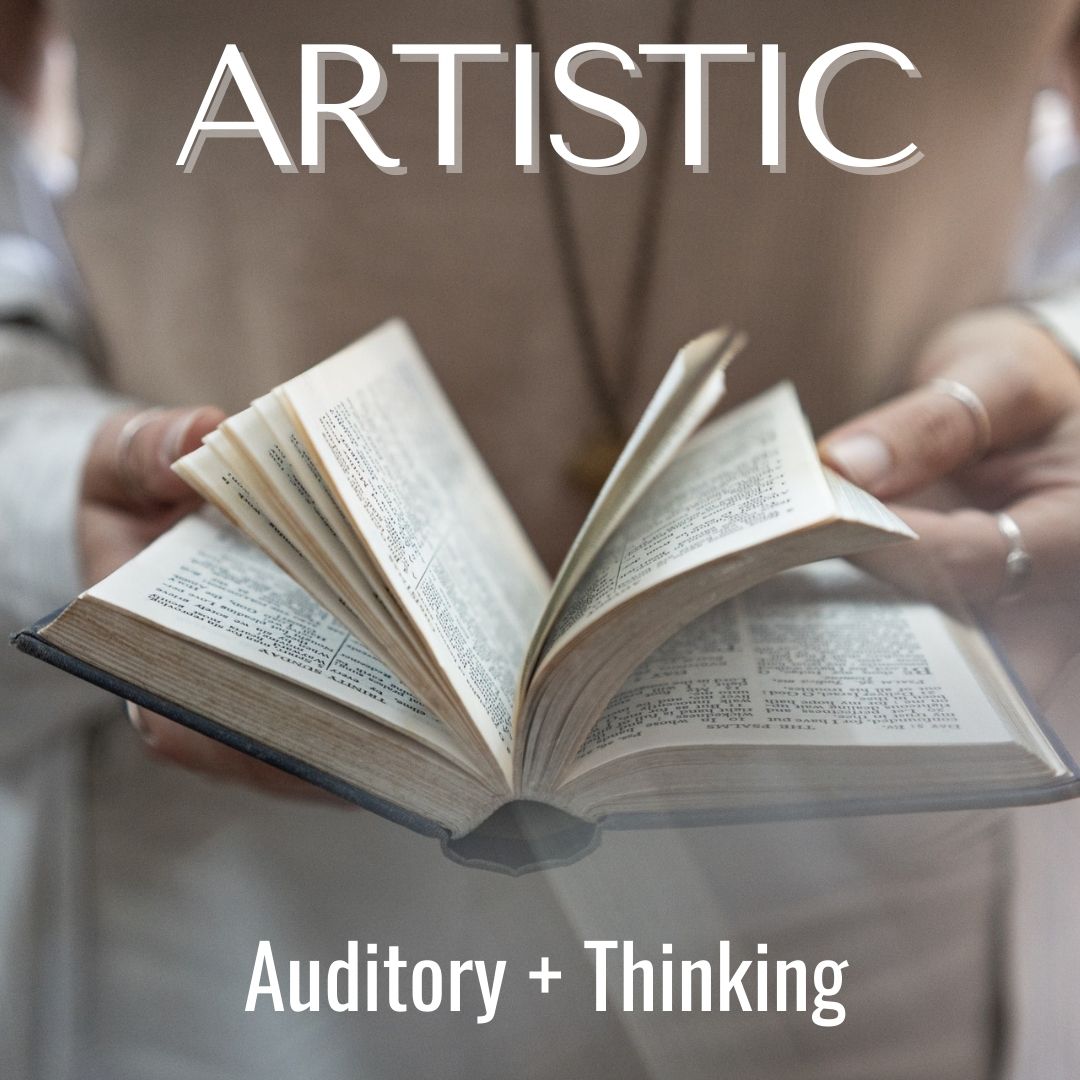
THE ARTISTIC MOTIVANT
The 7th. Influence. The spiritual. It is not an Embodied Motivant, as it does not have Visual or Feeling in its equation. The best way to understand this Motivant is to recognize the creative, influential nature of art. Artistic uses the other Motivants and combines them to create something moving, whether it be “right” or “wrong” material. For example, a film uses the senses (which tie back to each Motivant) such as beautiful cinematography, emotional soundtracks, and physical situations & interactions between people to engage attention. It then tells a story (Respect), with love/hate relationships (Approval) about the struggle (Victory) for control (Wealth) while instilling its opinions (Balance) about the writer/director/producer’s beliefs (Revolution). For this reason, a culture’s art has the ability to steer society for the better or the worse. To uplift or propagandize. The scientific (physical) difference between a human and an animal is the communicative ability (Auditory) the intellectual ability (Thinking) and the interpretation and symbolism of art (A + T = Artistic).
While never a Primary or Secondary Motivant, Artistic shows up in certain Nakane CAPS profiles as a Tertiary (The metric by which an individual is measuring their other Motivants). The Tertiary Motivants are uncovered through equational (and physiological) means once the Primary & Secondary Motivants are established. Confused? Don’t worry. We’ll cover all of it in our Nakane CAPS Personality Profile Training.