Disorders of the Hypothalamus & Pituitary Gland
Objectives: Identify the histology, cell biology and physiology of the hypothalamus and pituitary gland.
Differentiate the hormones that are secreted by the anterior and posterior pituitary lobes.
Describe the physiology of the neuroendocrine axis.
Describe the pathophysiology, clinical presentation, etiology, pathophysiology, and clinical manifestations of select disorders of the hypothalamus and pituitary gland:
Obesity
Pituitary adenoma
Hypopituitarism
Diabetes insipidus (DI)
Syndrome of inappropriate vasopressin secretion (SIADH)
Histology, Cell Biology, and Physiology
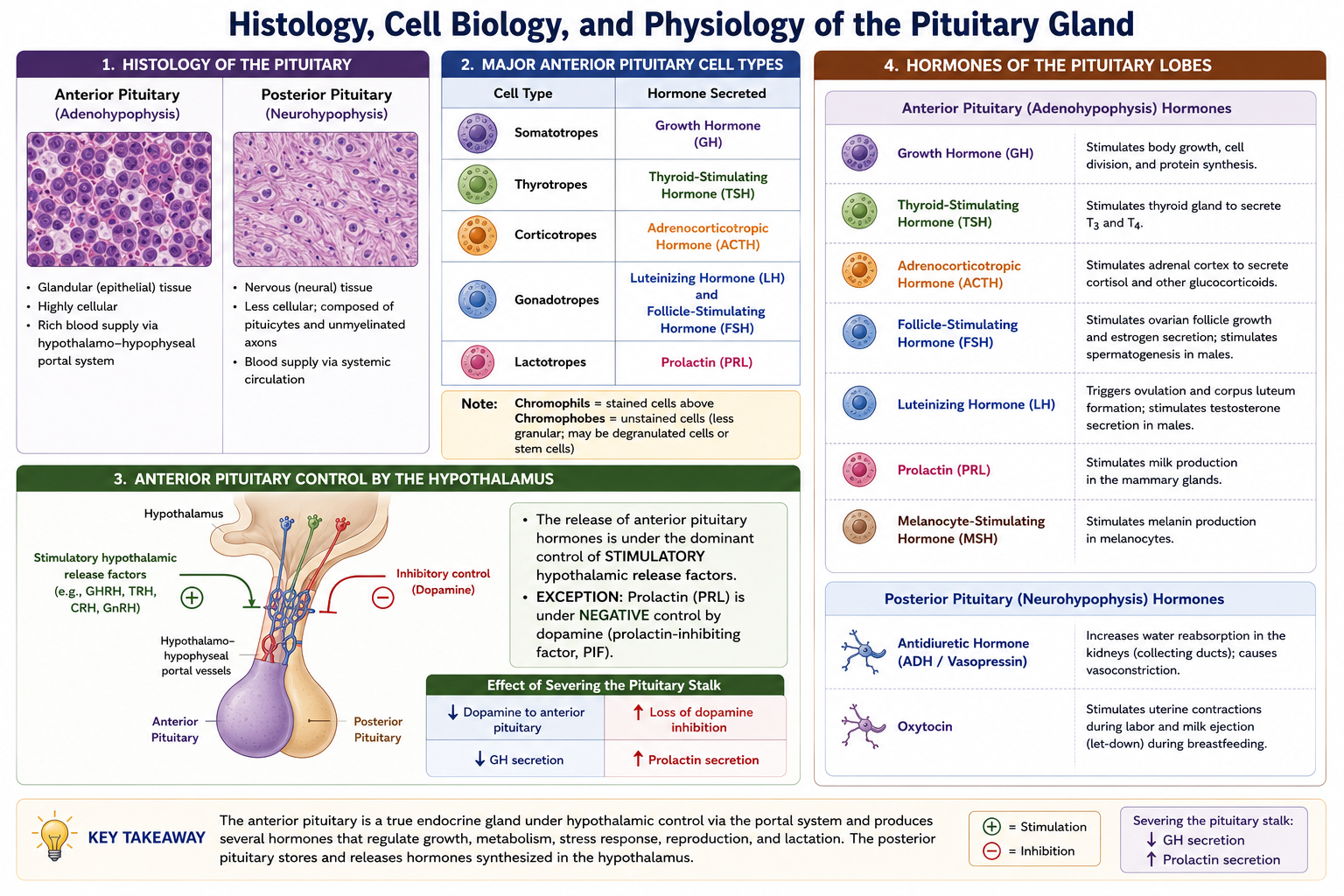
Major Pituitary Cell Types:
Somatotropes: Secrete Growth Hormone (GH).
Thyrotropes: Secrete Thyroid-Stimulating Hormone (TSH).
Corticotropes: Secrete Adrenocorticotropic Hormone (ACTH).
Gonadotropes: Secrete both Luteinizing Hormone (LH) and Follicle-Stimulating Hormone (FSH).
Lactotropes: Secrete Prolactin.
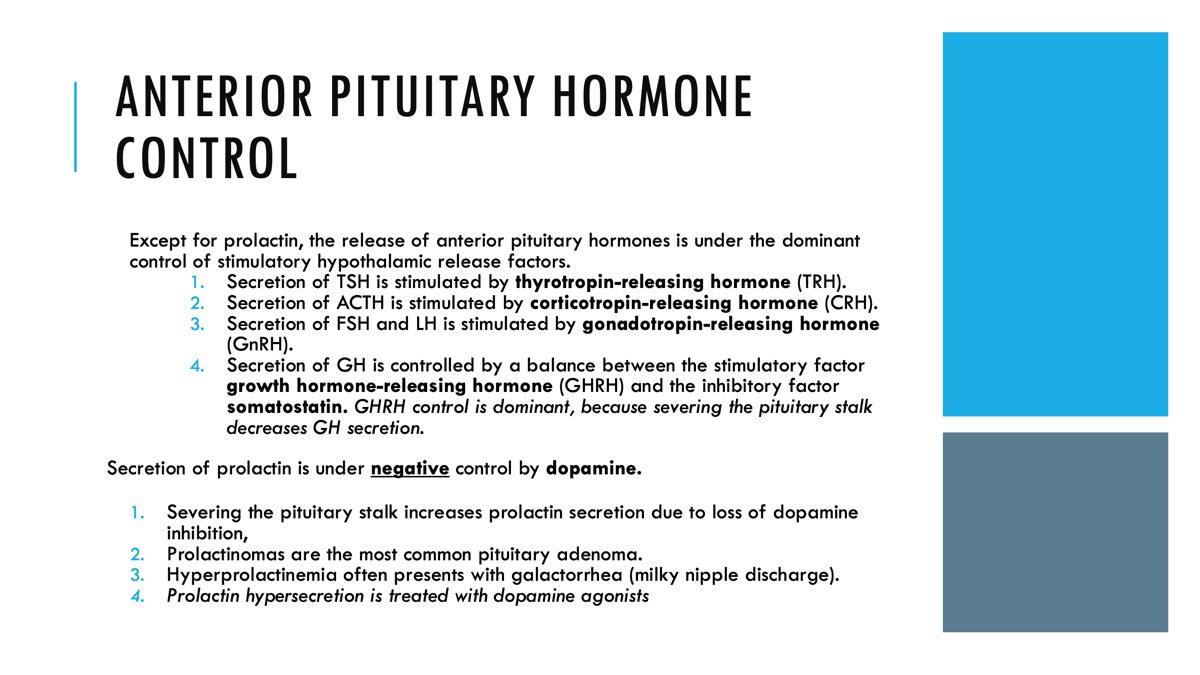
Anterior Pituitary Control: The release of anterior pituitary hormones is under the dominant control of stimulatory hypothalamic release factors, with the exception of prolactin, which is under negative control by dopamine. Severing the pituitary stalk will decrease GH secretion but increase prolactin secretion (due to the loss of dopamine inhibition).
Hormones of the Pituitary Lobes
Anterior Pituitary (Adenohypophysis) Hormones:
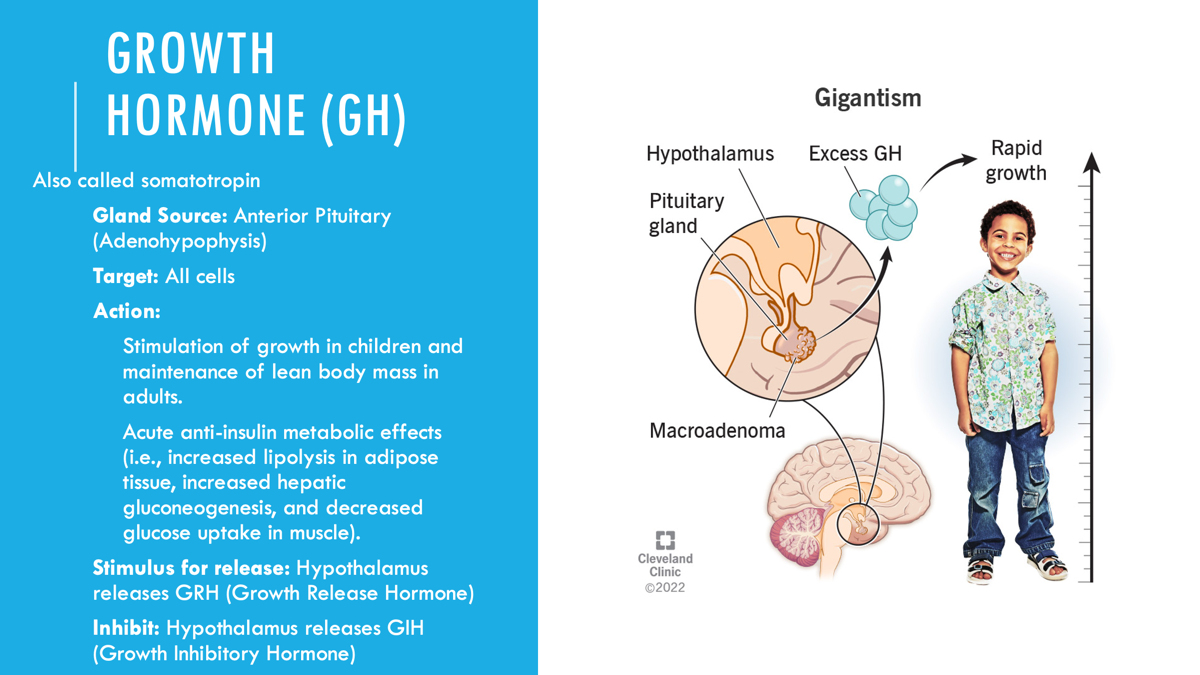
Growth Hormone (GH).
Thyroid-Stimulating Hormone (TSH).
Adrenocorticotropic Hormone (ACTH).
Follicle-Stimulating Hormone (FSH).
Luteinizing Hormone (LH).
Prolactin.
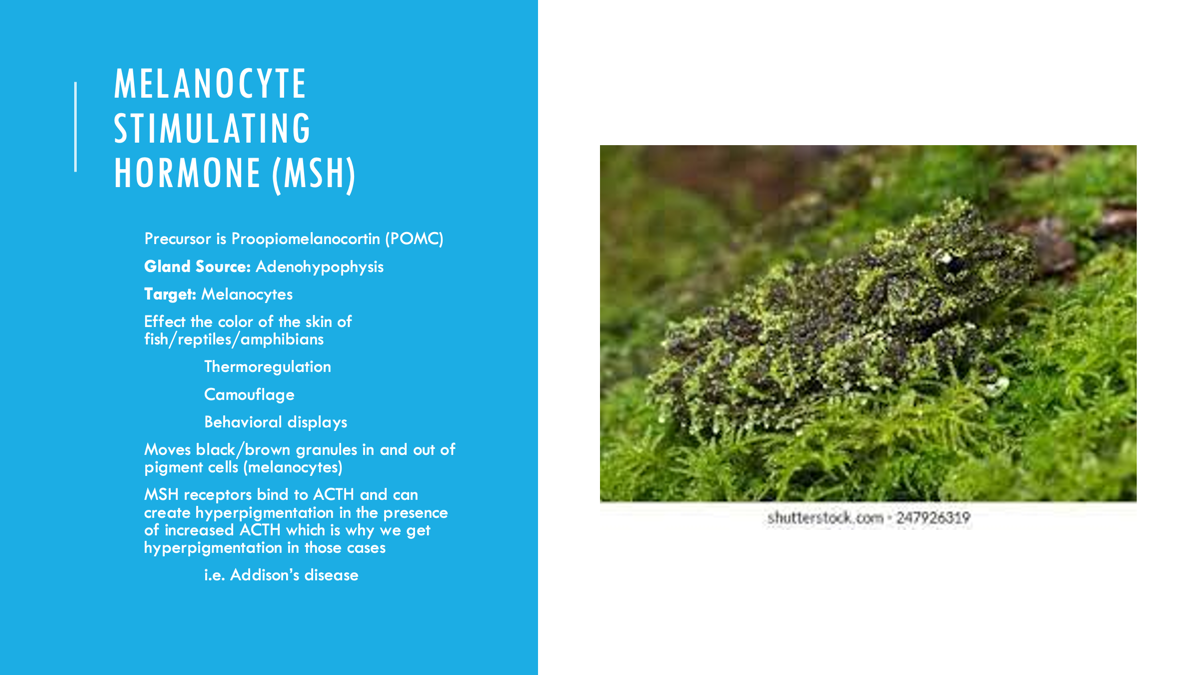
Melanocyte Stimulating Hormone (MSH).
Posterior Pituitary (Neurohypophysis) Hormones:
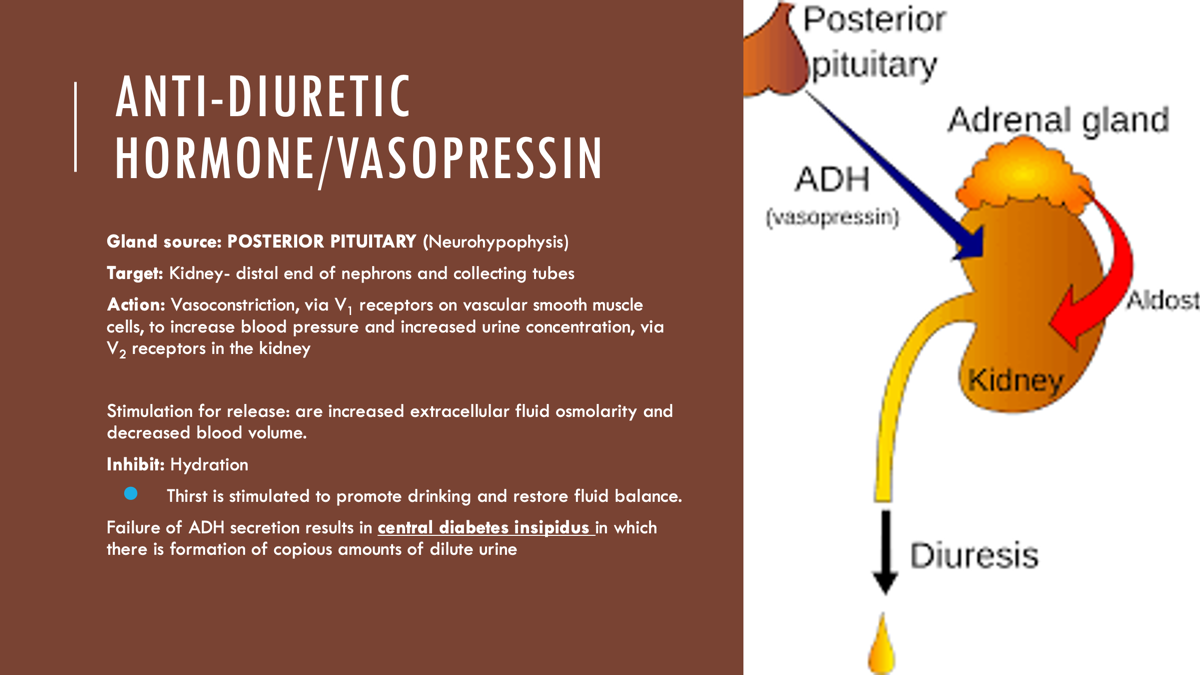
Antidiuretic Hormone (ADH/Vasopressin).
Oxytocin.
Physiology of the Neuroendocrine Axis
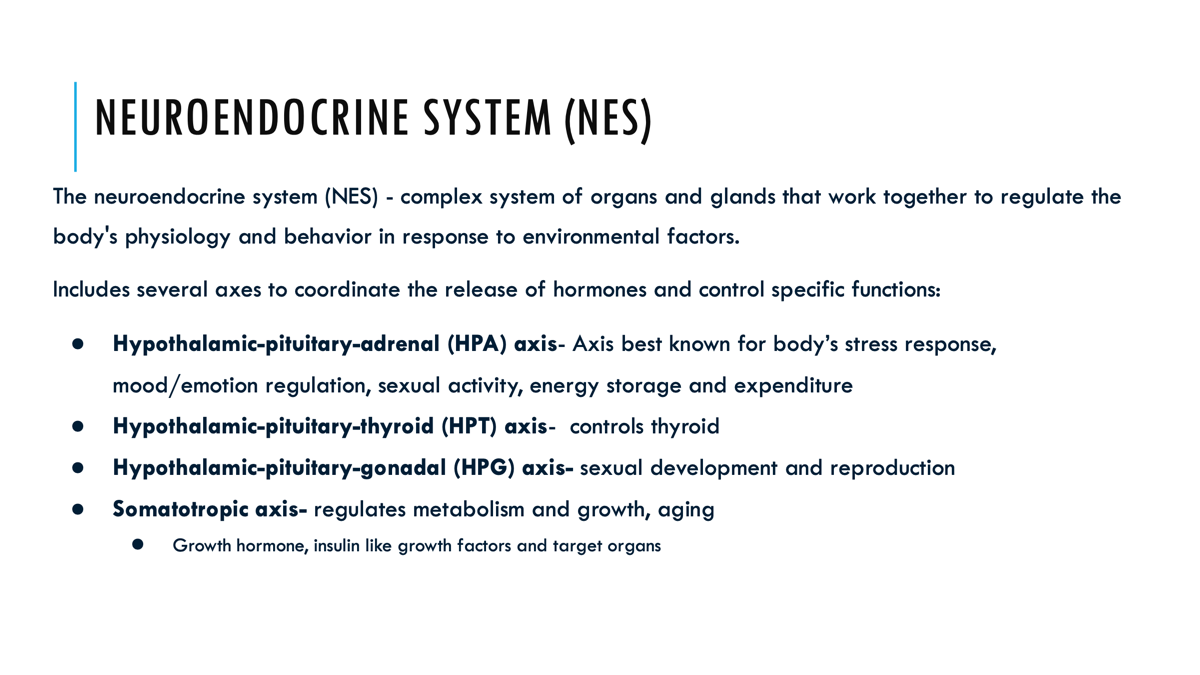
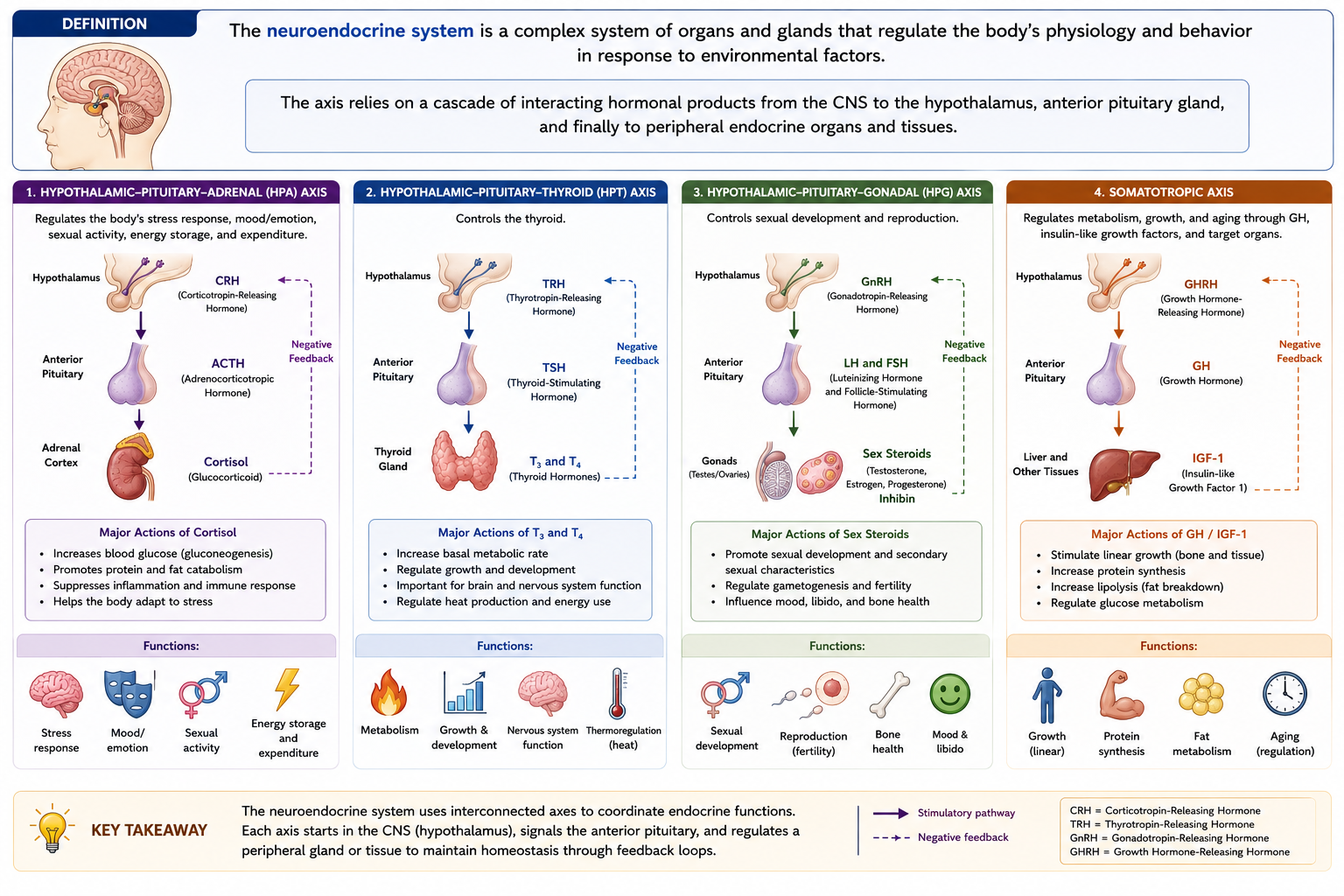
Definition: The neuroendocrine system is a complex system of organs and glands that regulate the body's physiology and behavior in response to environmental factors. The axis relies on a cascade of interacting hormonal products from the CNS to the hypothalamus, anterior pituitary gland, and finally to peripheral endocrine organs and tissues.
Hypothalamic-pituitary-adrenal (HPA) axis: Regulates the body's stress response, mood/emotion, sexual activity, energy storage, and expenditure.
Hypothalamic-pituitary-thyroid (HPT) axis: Controls the thyroid.
Hypothalamic-pituitary-gonadal (HPG) axis: Controls sexual development and reproduction.
Somatotropic axis: Regulates metabolism, growth, and aging through GH, insulin-like growth factors, and target organs.
Selected Disorders of the Hypothalamus and Pituitary Gland
Pituitary Adenoma
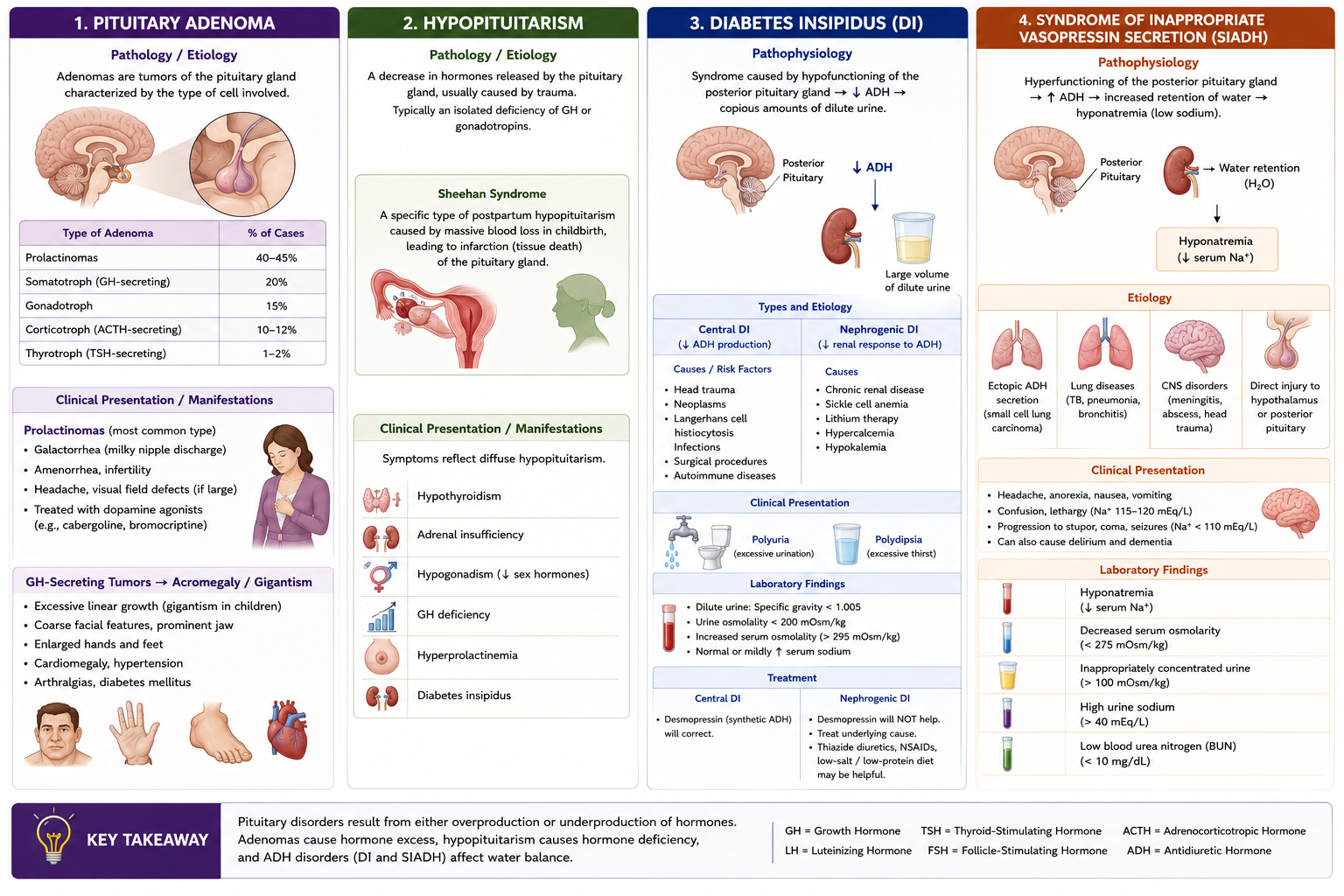
Pathology/Etiology: Adenomas are tumors of the pituitary gland characterized by the type of cell involved: Prolactinomas (40-45% of cases), Somatotroph (20%), Gonadotroph (15%), Corticotroph (10-12%), and Thyrotroph (1-2%).
Clinical Presentation/Manifestations: Prolactinomas (the most common type) often present with galactorrhea, which is a milky nipple discharge. They are treated with dopamine agonists. Tumors affecting GH can lead to features of acromegaly/gigantism, such as excessive linear growth, coarse facial features, cardiomegaly, and greatly enlarged hands and feet.
Hypopituitarism
Pathology/Etiology: A decrease in hormones released by the pituitary gland, usually caused by trauma. It is typically an isolated deficiency of GH or Gonadotropins.
Sheehan Syndrome: A specific type of postpartum hypopituitarism caused by massive blood loss in childbirth, leading to the infarction (tissue death) of the pituitary gland.
Clinical Presentation/Manifestations: Symptoms reflect diffuse hypopituitarism and can include hypothyroid, adrenal insufficiency, hypogonadism, GH deficiency, hyperprolactinemia, and diabetes insipidus.
Diabetes Insipidus (DI)
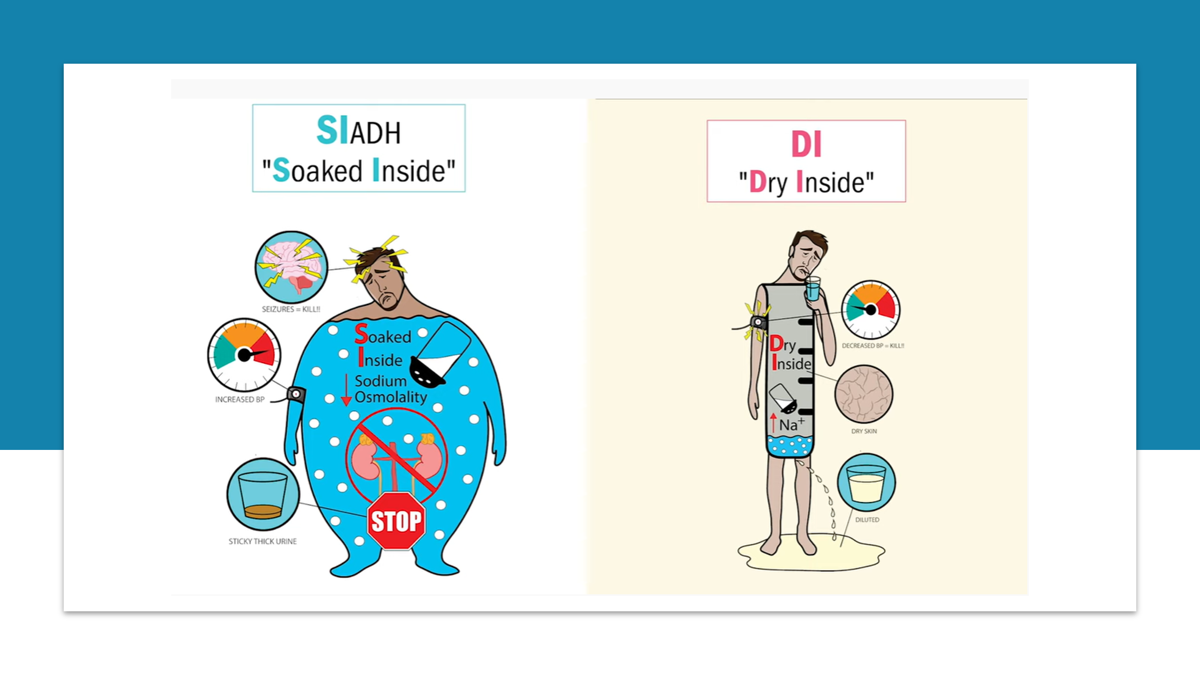
Pathophysiology: A syndrome caused by the hypofunctioning of the posterior pituitary gland, which results in decreased levels of ADH and the formation of copious amounts of dilute urine.
Types and Etiology:
Central DI: Caused by decreased production of ADH by the pituitary. Risk factors/causes include head trauma, neoplasms, Langerhans cell histiocytosis, infections, surgical procedures, and autoimmune diseases.
Nephrogenic DI: Caused by decreased renal responsiveness to ADH. Causes include chronic renal disease and sickle cell anemia.
Clinical Presentation: Symptoms include polyuria (excessive urination) and polydipsia (excessive thirst).
Laboratory Findings: Dilute urine with a specific gravity < 1.005 and urine osmolality < 200 mOsm/kg, alongside increased serum osmolality.
Treatment: Administration of synthetic ADH will correct Central DI, but not Nephrogenic DI. Nephrogenic DI is managed by treating the underlying cause.
Syndrome of Inappropriate Vasopressin Secretion (SIADH)
Pathophysiology: Hyperfunctioning of the posterior pituitary gland leads to increased levels of ADH. The increased retention of water leads to hyponatremia (low sodium).
Etiology: Causes include ectopic ADH secretion (commonly from small cell lung carcinoma), diseases of the lung (TB, pneumonia), CNS disorders (meningitis, abscess, head trauma), and direct injury to the hypothalamus or posterior pituitary gland.
Clinical Presentation: Symptoms include headache, anorexia, vomiting, and confusion (occurring when sodium levels are 115–120 mEq/L). It can progress to stupor, coma, and seizures when sodium drops < 110 mEq/L, and can also cause delirium and dementia.
Laboratory Findings: Hyponatremia, decreased serum osmolarity, inappropriately concentrated urine (> 100 mOsm/kg), high urine sodium levels (>40), and low blood urea nitrogen (BUN)