Bio- Basics C1
CONCEPT ONE
Science-Science is a particular way of knowing about the world the advancement of knowledge
Fact-an objective, verifiable observation. Ex. Water boils at 100 degrees Celsius.
Principle-a statement based on repeated experimental observation that describes an aspect of the world. Ex. Greenhouse effect
Law-broad concept or principle (HOW) Describes patterns in nature, Often accepted as facts, Ex. Newton’s laws of motion, Boyle’s gas laws, Law of Conservation of Mass
Theory-an idea or set of ideas that is intended to explain facts or events.
Qualitative-uses numbers to measure something Ex. 6 inches 4 miles
Quantitative-describes qualities, Ex. green shirt green ground
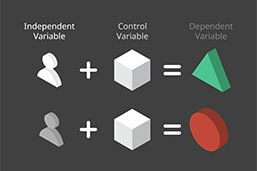
Constants-the aspects of an experiment that are held constant/consistent
Control Group-group used for comparison with your experimental groups. This is the “normal” group
Experimental Group-groups that are being tested
Technology- the advancement of society, the application of scientific discoveries to meet human needs and goals through the development of products and processes
Engineering-applies scientific and mathematic principles to solve problems
Hypothesis- A testable prediction based on observations (more than a guess!!) that describes a cause and effect relationship between variables Ex. If blank then blank
IV-what the experimenter will deliberately change or manipulate in the investigation (X axis)
DV-what the experimenter will deliberately change or manipulate in the investigation(Y axis)
IV, DV, & Hypothesis Relationship- If (IV), then (DV)
Observation-Description of something you can see, smell, touch, taste, hear, NOT an opinion!! (must be objective) Ex. the ground is wet
Inference-A guess about an object or outcome based on your observations, You can make many inferences from a single observation Ex. It rained, someone watered their plants
Accuracy-how close your measurement is to the correct/accepted value, Ex. Correct
Precision-how close your measurements are to each other Ex. consistent, the same
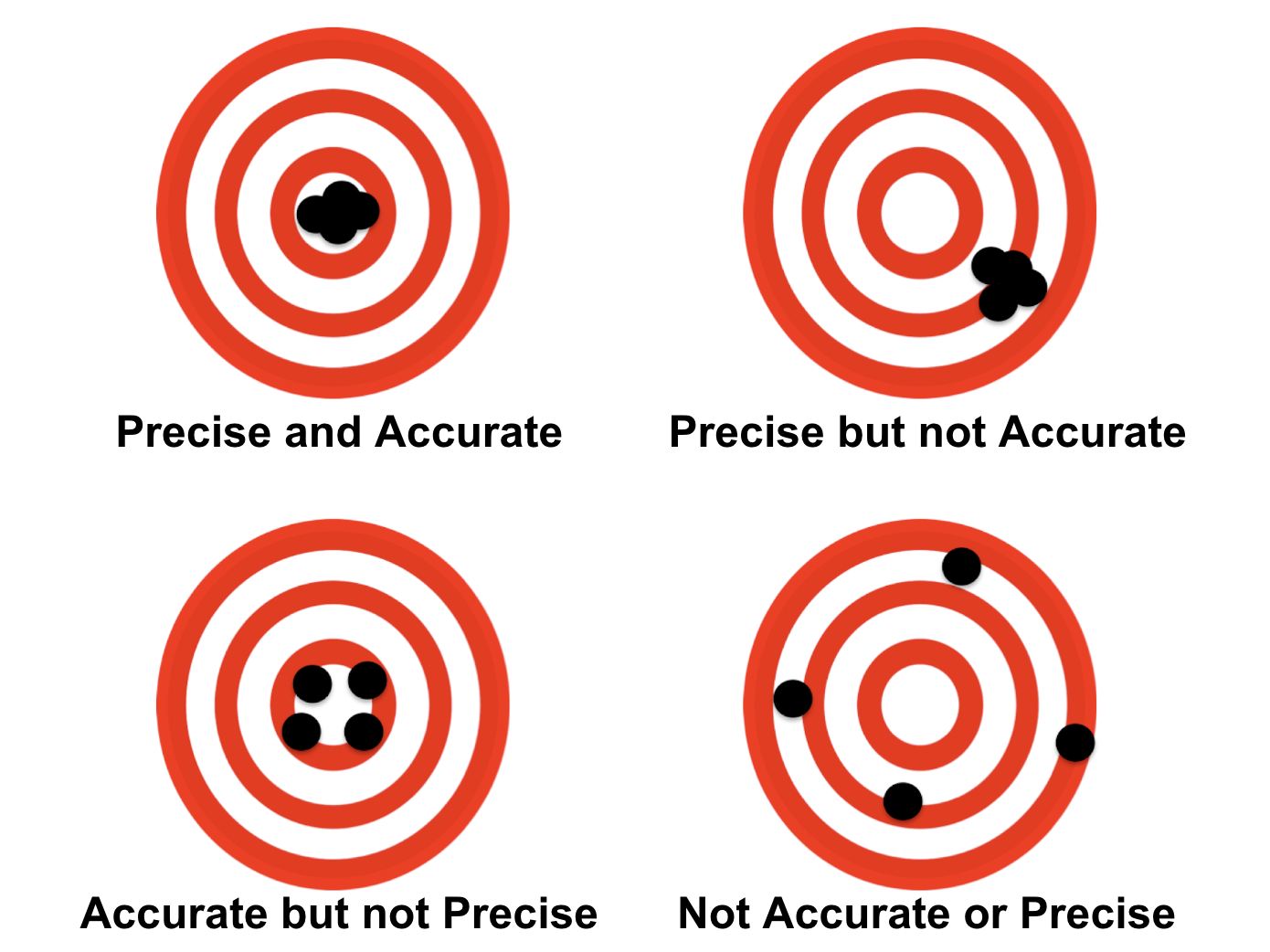
Why is it important to have accuracy and precision? - Based off of the photo above if things are BOTH accurate and precise, then they will all be just want you wanted. But if you only had one or the other then they would either be correct or similar. Without them we wouldn’t have correct or conclusive research or get reliable results.
General steps to conducting an experiment- Guiding questions, Find IV DV Constants Experimental Control, Process, Material list, Test, Graph, Analys, conclude
Investigation example (IV, DV, constants, experimental, control)- https://knowt.com/note/bcffd5e0-984a-4dac-a6ff-12fcc4fb1791/Concept-1-Example
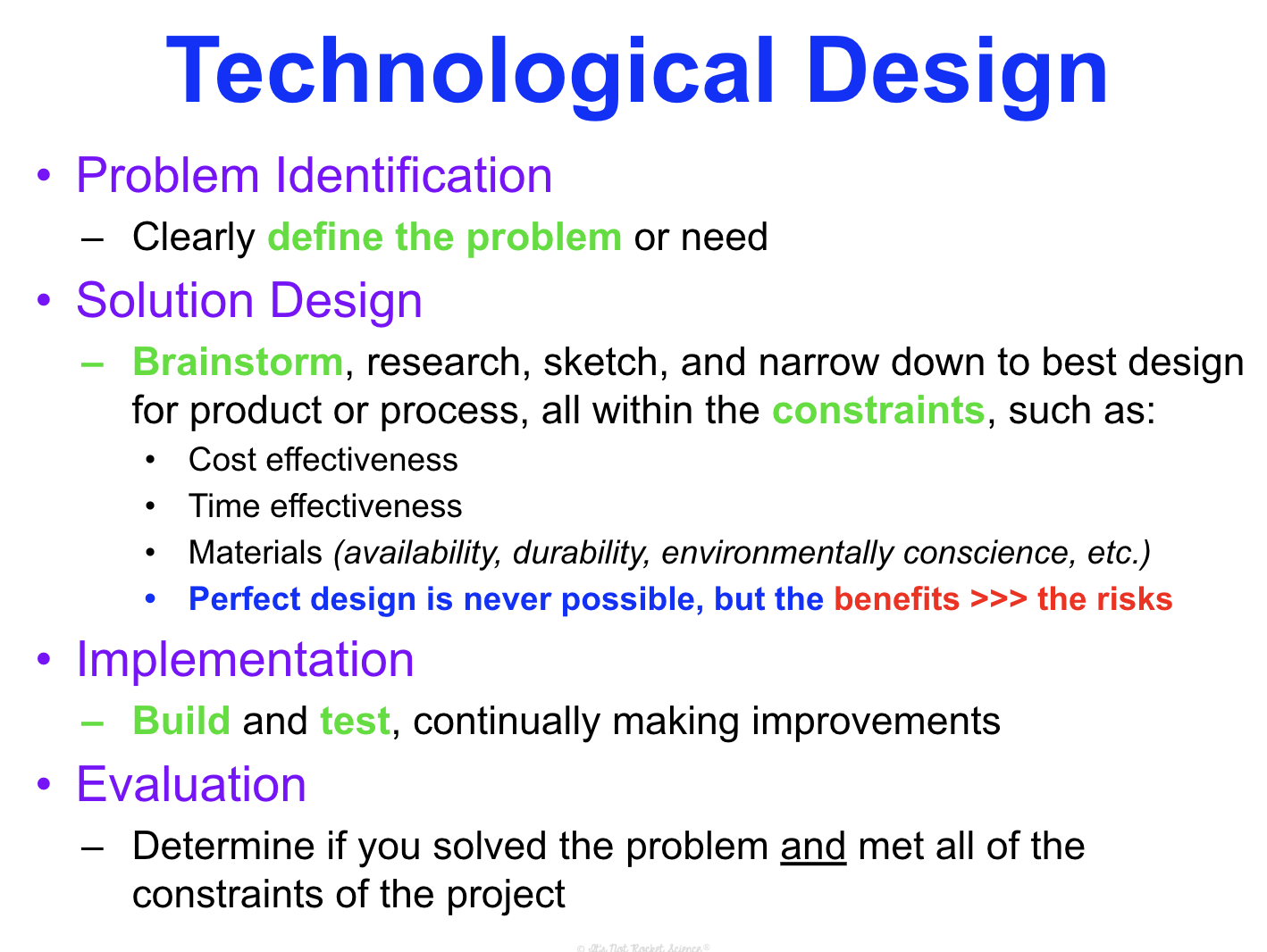
Technological design process (criteria to be considered when designing solution)-
I CAN- Make precise measurements and conduct an experiment using appropriate lab equipment - Measurement lab
I CAN- Organize data into a chart and interpret it-Bacteria lab
I CAN- Analyze date with a respect to a hypothesis and draw an appropriate conclusion-Bacteria lab
I CAN - select an appropriate hypothesis and identify variables when given a scientific investigation description- Prime times