Biology Lab Review 24-27
Exercise 24 - Survey of the Prokaryotes
Powerpoint:
Prokaryotic organisms are small, single-celled organisms that have a very simple structure. The Prokaryotic cells have a plasma membrane. However, they lack internal, membrane-bound organelles in their cytoplasm.
The large diversity of organisms classified as prokaryotes are separated into two distinct domains
Bacteria includes most of the commonly encountered bacterial forms (i.e. pathogenic bacteria and probiotic bacteria)
Archaea consists of the extremophiles
All bacteria share features common to every prokaryotic cell:
They lack a nucleus and membrane-bound organelles
They have circular DNA that is naked (not bound to protein)
They have smaller ribosomes
However different types of bacteria can be distinguished according to a number of characteristics:
Shape – Round (coccus), rod-like (bacillus), comma-shaped (vibrio) or spiral (spirilla / spirochete)
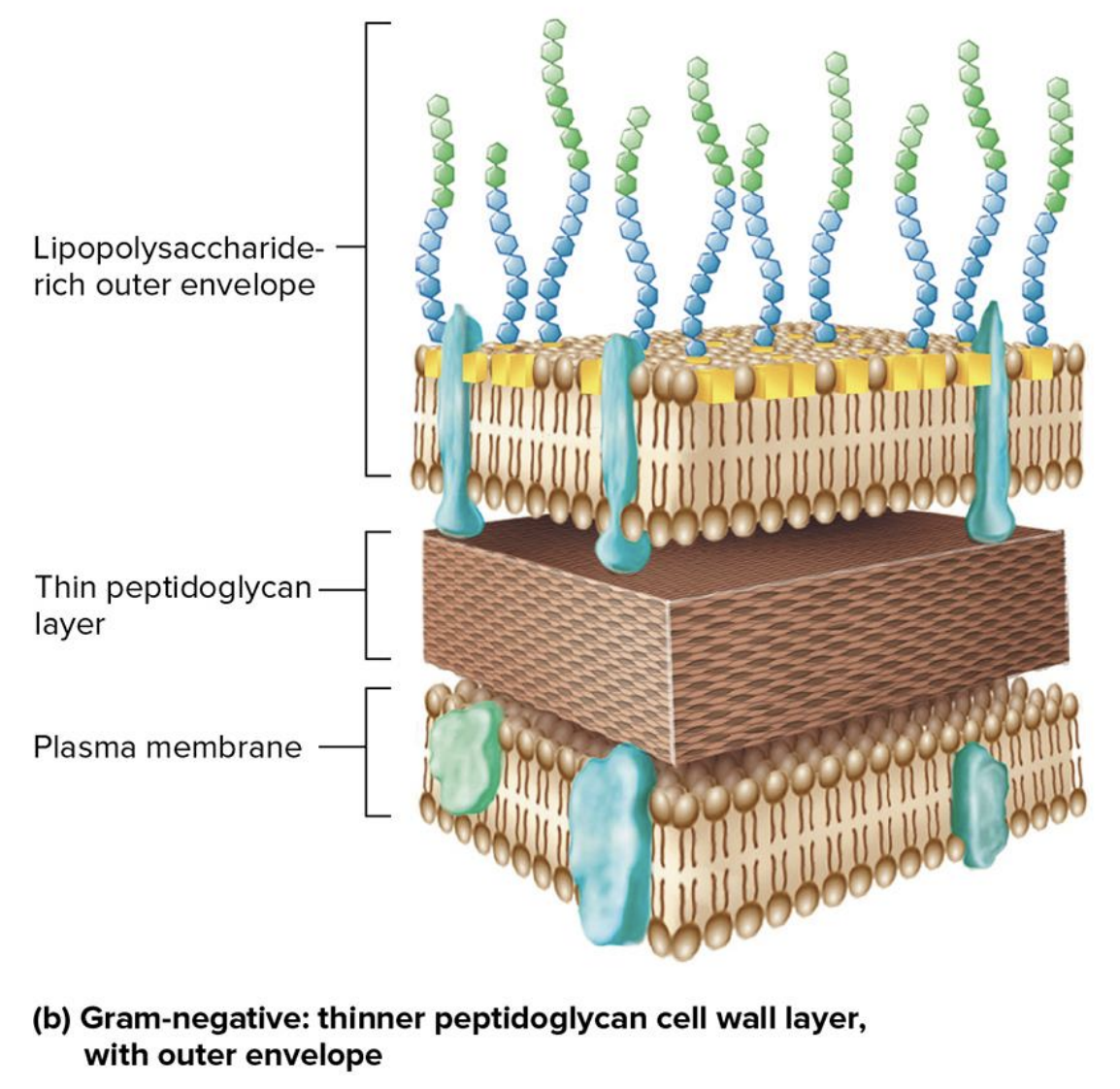
Cell wall composition – Gram-positive (thick peptidoglycan layer) or Gram-negative (lipopolysaccharide layer)
Gaseous requirements – Anaerobic (obligate or facultative) or aerobic
Nutritional patterns – Autotrophic (photosynthetic or chemosynthetic) or heterotrophic
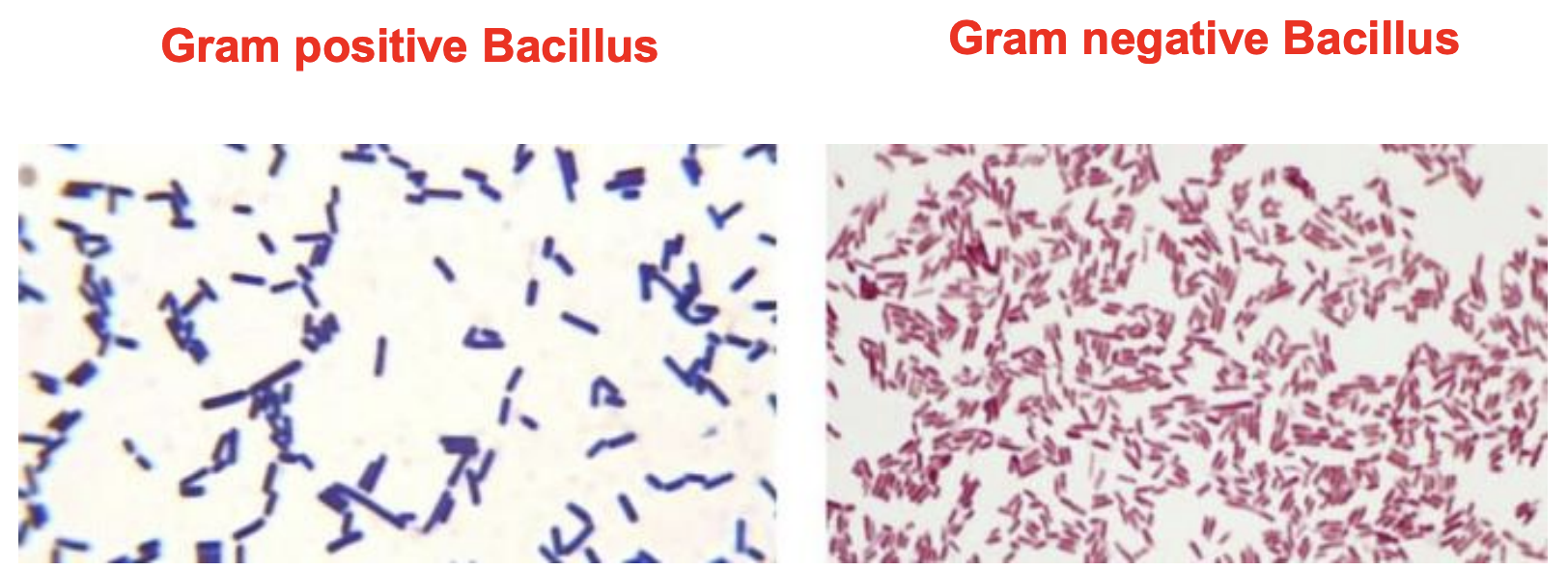
Gram staining is a common technique used to differentiate between two groups of bacteria based on cell wall composition
The Gram staining procedure will result in Gram-negative cells staining pink and Gram-positive cells staining purple
The technique was developed by Danish bacteriologist Hans Christian Gram in 1884






Lab:


Exercise 25 - Survey of the Protists


Spirogyra


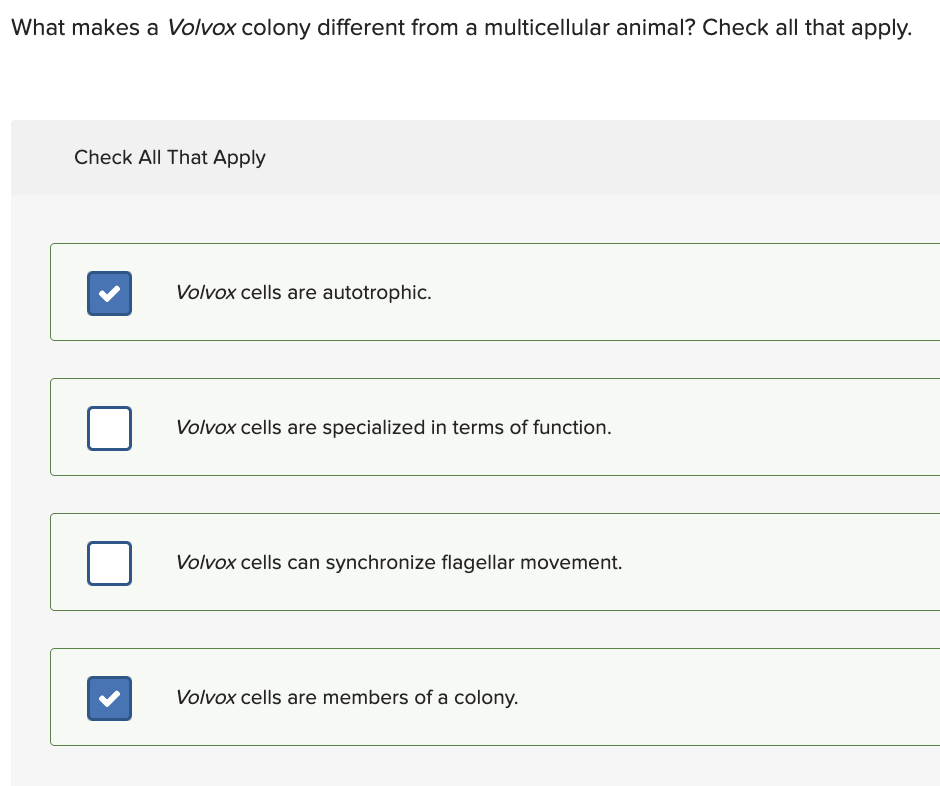
Volvox:



Lab:

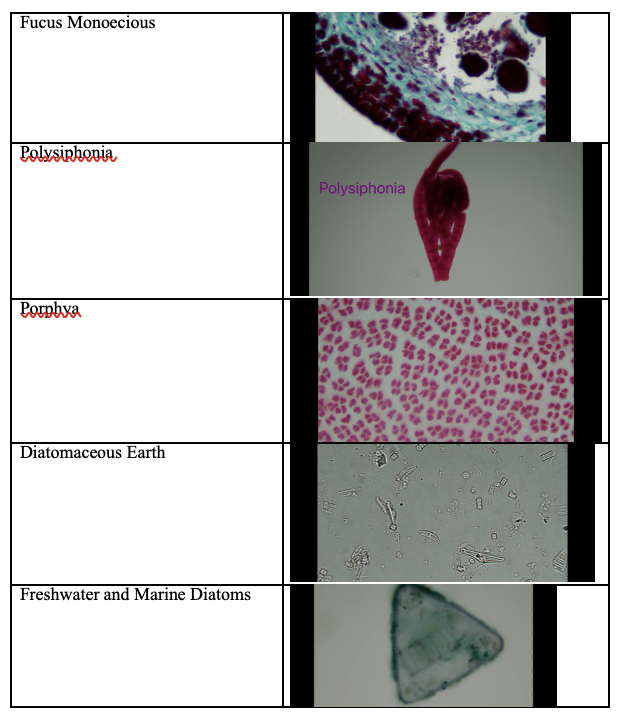

Exercise 26 - Survey of the Protists
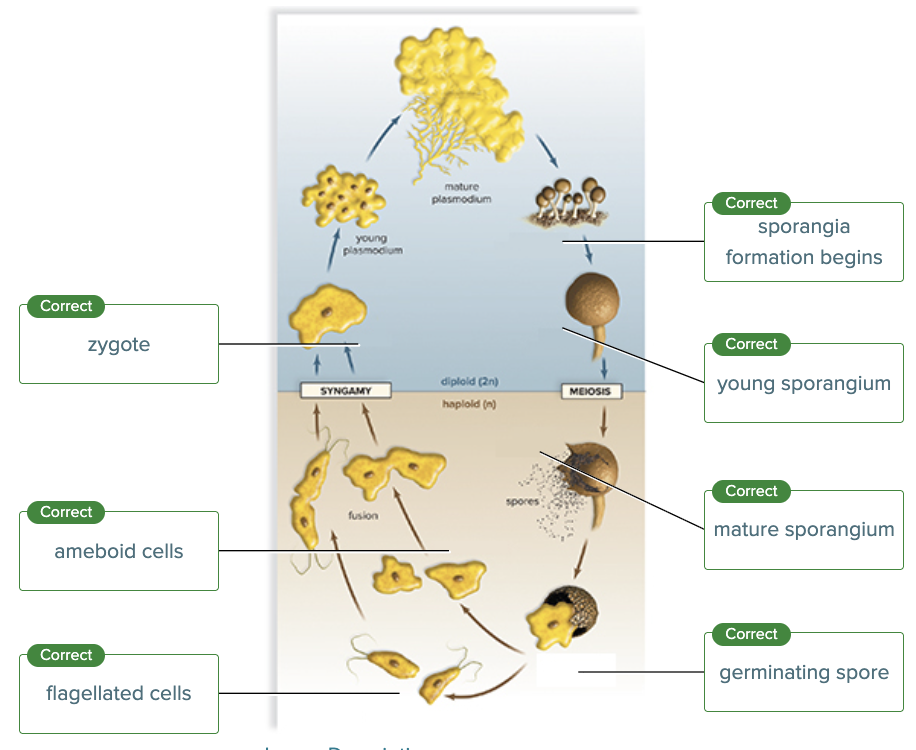
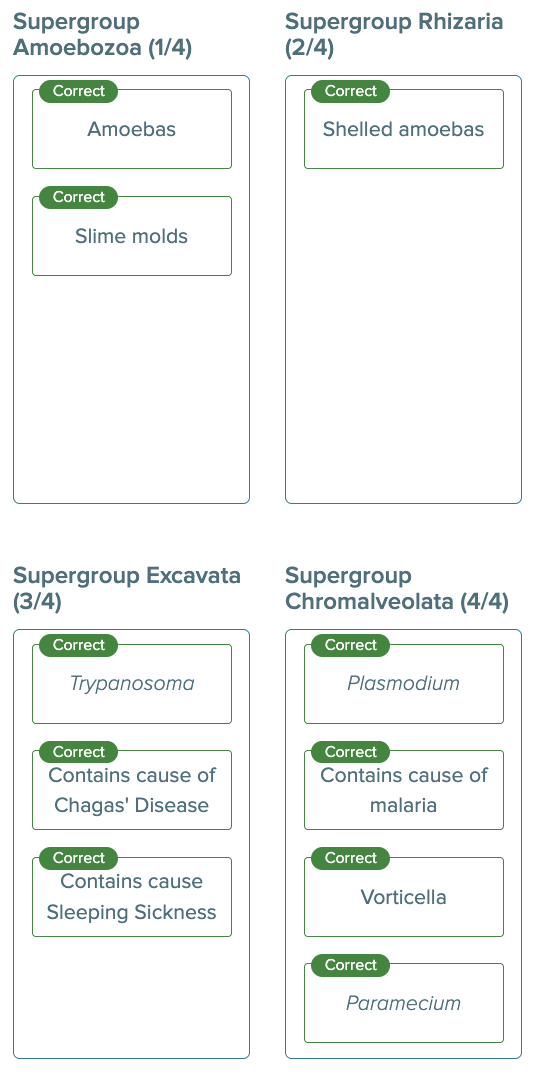


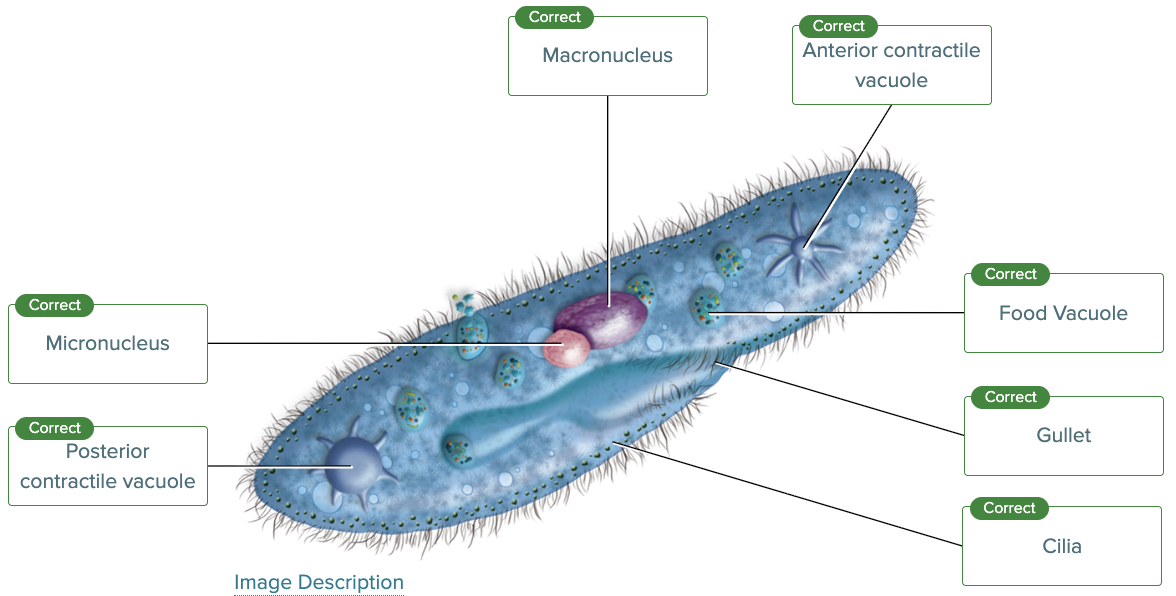
Lab:


Exercise 27 - Survey of Kingdom Fungi



Lab:


Kahoot
Animal-like protists are also known as: Protozoa.
Which protists use flagella to move? Flagellates, such as Trypanosoma.
When Plasmodium first infects a human, what cell type does it infect? Liver cells.
Which statement about protists is NOT true? Protists are always heterotrophs. (Some are autotrophs, and others are heterotrophs.
What traits do scientists use to classify protists? How they move, how they obtain food, and their characteristics.
What is true about the difference between protists and bacteria? Protists are eukaryotic, while bacteria are prokaryotic.
How do amoebas move? Using pseudopods (temporary extensions of the cell).
What is the primary component of a fungal cell wall? Chitin.
Which phylum includes mushrooms and puffballs? Basidiomycota.
What structure is responsible for asexual spore production in Rhizopus? Sporangium (plural: sporangia).
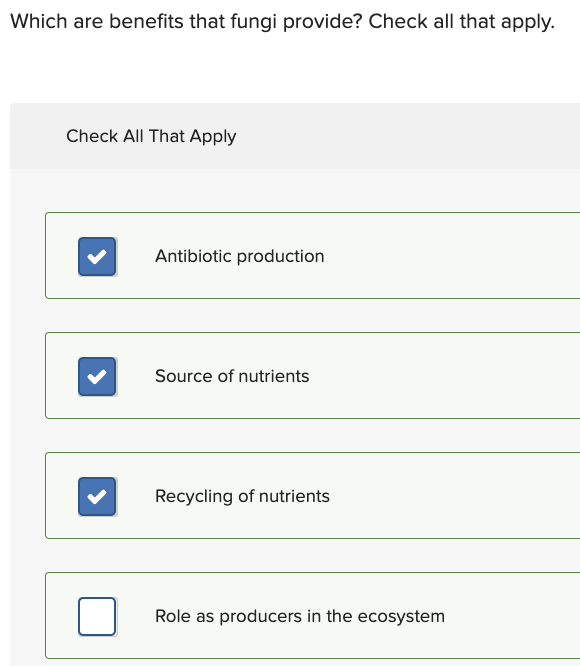
Why are fungi essential decomposers in ecosystems? They break down dead organic matter and recycle nutrients.
Which structure allows fungi to absorb nutrients efficiently? Mycelium, a network of hyphae.
How does the structure of hyphae support nutrient absorption? Their thin, branching structures create a large surface area for absorbing nutrients.
A student claims yeasts are not fungi because they are unicellular. How would you respond? Yeasts are fungi because they share the cellular and genetic characteristics of fungi, even though they are unicellular.