WK1: BASIC CONCEPTS IN PHARMACOLOGY
Pharmacology is the study of drugs and its origin, chemical structure, preparation, administration, action, metabolism and excretion.
The study of drugs that alter functions of living organisms.
PHARMACY – art of preparing, compounding, and dispensing drugs. It also refers to the place where drugs are prepared and dispensed
PHARMACIST – a person licensed to prepare and dispense drugs to make up prescriptions.
DRUGS = are chemicals that alter physiochemical processes in body cells.
They can stimulate or inhibit normal cellular functions.
Used interchangeably with medicines.
HISTORY
Babylonians
The earliest surviving “prescriptions” on clay tablets in 3000 B.C.
Chinese
Recorded the Pen Tsao (Great Herbal) – a 40-volume compendium of plant remedies dating to 2700 B.C.
Egyptians
Archives of remedies on a document known as Erb’s Papyrus in 1500 B.C.
Pharmacologia sen Manuductio and Materia Medicum
The first recorded reference to the word pharmacology
formal book for pharmacology
Early 1800s
Chemists isolate specific substances from complex mixtures
Pharmacologists then study their effects in animals
Fredrich Serturner (first isolated morphine from opium, injected himself and three other friends with huge doses (100mg))
Drug Action
Therapeutic effect
also referred as the DESIRED EFFECT (primary effect intended)
Side effect
also referred as the SECONDARY EFFECT (unintended effect)
ADVERSE EFFECT (severe side effects)
Drug Toxicity
Deleterious effects of a drug resulting from over dosage, ingestion of external use drug, and accumulation on the blood stream
Drug Allergy
immunologic reaction to drug
Drug Tolerance
exists in person with unusually low physiologic response to a drug
Branches of Pharmacology:
Pharmacodynamics - pharmaco means “medicine” dynamic means “change”.
Refers to how a medicine changes the body the branch of pharmacology concerned with mechanisms of drug action and the relationships between drug concentration and responses in the body
Pharmacokinetics - pharmaco means “medicine”, kinetic means “movement or motion”. The study of drug movement throughout the body. How the body deals with medications. Actions and side effects of medications in patients.
Pharmacognosy - the branch of knowledge concerned with medicinal drugs obtained from plants or other natural resources
Pharmacotherapeutics - the study of the therapeutic uses and effects of drugs. Beneficial and adverse effects of drugs.
Pharmacovigilance - the practice of monitoring the effects of medical drugs after they have been licensed for use especially in order to identify and evaluate previously unreported adverse reactions.
Toxicology - the branch of science concerned with the nature, effects, and detection of poisons. the measurement and analysis of potential toxins, intoxicating or banned substances, and prescription medications present in a person’s body. focuses on toxic effect
DRUG NAMES
Generic or Nonproprietary Name: name approved by the Medical or Pharmaceutical
simpler name / common name
Associations in the original country of manufacture and is adopted by all countries.
e.g. Paracetamol
Brand name or trade name: name given by the manufacturer of the drug
own name
e.g. Adol or Panadol or Biogesic
Chemical name: name that describes the atomic or chemical structure
e.g. para-acetylaminophenol
* generic drug = low standard drugs
Sources of Drugs:
1. Natural sources -
a. Plants
One of the oldest forms of health care, herbal medicine has been practiced in virtually every culture dating to antiquity.
The Babylonians recorded the earliest surviving “prescriptions” on day tablets in 3000 B.C.
The Chinese recorded the Pen Tsao (Great Herbal), a 40-volume compendium of plant remedies dating to 2700 B.C.
The Egyptians followed in 1500 B.C. by archiving their remedies on a document known as Eber’s Papyrus.
e.g morphine, colchicine, cocaine - At that time, chemists were making remarkable progress, isolating specific substances from complex mixtures, this enabled scientists to isolate the active agents from scarce natural sources,
ex. morphine. Cocaine from - cocoa leaves
b. Animals - Biologic - are agents naturally produced in animal cell, by microorganisms, or by the body itself.
e.g. hormones, monoclonal antibodies, natural blood products, Interferons and vaccines. others.
c. Inorganic compounds = e.g. Lithium carbonate, Cisplatin
2. Synthetic = e.g Ecstasy or Molly - stimulants that mimic the effect of cocaine
chemicals
engineered
DRUG EVALUATION
= a series of scientific tests to evaluate the actual therapeutic and toxic effects of chemicals
STEPS:
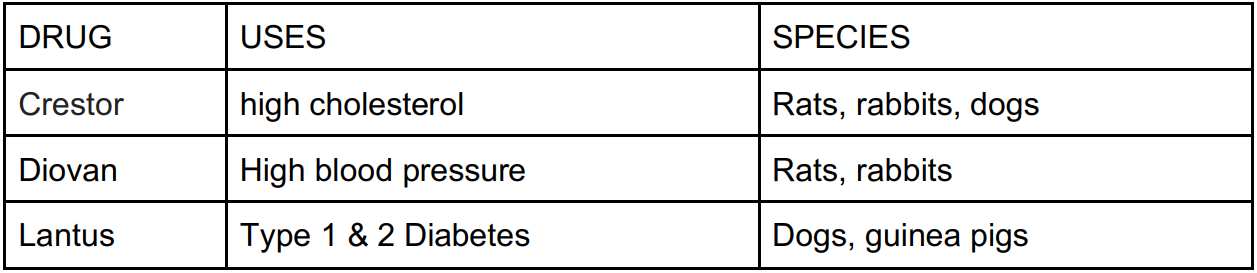
PRECLINICAL TRIAL
= testing done on laboratory performed in animals
= tests efficacy and toxicity, at different doses, it predicts whether the drug will cause harm to humans.
= do not always reflect the way a human responds, testing may overestimate or underestimate the actual risk to humans
ORPHAN DRUG
= are drugs that have been discovered but are not financially viable and therefore have not been “adopted” by any drug company
= may be useful in treating a rare disease, or they may have potentially dangerous adverse effect
if already in the market, they can still remove it/face out
= are often abandoned after preclinical trials or phase I studies.
> are chemicals that are discarded Phase I
> will not participate in the next phase
Criteria:
> lack therapeutic activity of
> too toxic
> Teratogenic
> have a small margin of safety
e.g. Zavesca (miglustat), Trisenox (arsenic trioxide injection), Aldurazyme (Laronidase), Glivec (Imatinib mesylate), Fabrazyme (Agalsidase beta), Ventavis (iloprost),Litak (cladribine).
PHASE I
> chemicals cleared for human testing, there are significant therapeutic benefits.
prisoners (reward: good food, etc.)
testing done on healthy male subjects
companies begin developing a brand name
PHASE II
> chemicals cleared for limited clinical studies
for ppl with specific conditions (samples on hospitals)
> some may not further proceed with the evaluation due to the following criteria
> less effective than expected
> are too toxic
> produce unacceptable side effects
> have a low benefit-to-risk ratio
> are not as effective as available drugs
PHASE III
> Chemicals cleared for large-scale clinical studies
already in the drugstore/market
> some chemicals may not advance further in the next phase due to the following criteria:
> produce unacceptable side effects
> produce unexpected responses
PHASE IV
> drugs approved for marketing by FDA
> continues evaluation
DOSAGE FORMS OF DRUGS:
A. SOLID FORMS
1. TABLET : most common / needs to be compact para di easy ma disintegrate
a. scored. - may hati
b. layered. - because of active ingredient, each color is different ingredient
c. enteric-coated. - design to irritates the the stocmach
coated. - prevents drug from dissolving in the stomach
d. chewable. - not gummy, ex. bonamin
e. sustained released
2. CAPSULE
a. soft gel.
b. hard gel.
c. scored.
d. sub gelatin.
e. sustained. - not easily dissolve
3. LOZENGES - ex. strepsil
4. SUPPOSITORY - inserted in anus, vagina, soft in consistency, put in ref.
B. LIQUID FORMS
1. SYRUP - sugar, sweet
2. SUSPENSION - needs to shake, not for IV bcs may buo buo
3. ELIXIR - combination of alcohol and water
4. EMULSION - viscous/malapot
5. i forgor
C. TOPICAL FORMS
1. CREAM
2. OINTMENT -
3. LOTION
4. PATCH
5. GELS
6. INHALANTS
PRINCIPLES OF DRUG ADMINISTRATION
MEDICATIONS
✓ Are substances administered for the diagnosis, cure, treatment, or relief of symptom or prevention of disease
PRACTICE GUIDELINES
✓ RNs are responsible for own actions, illegible order should be questioned or clarified
✓ RNs should be knowledgeable about the medication
✓ If the RN is uncertain about the calculation, ask another nurse to double check
✓ What you prepare, you administer
✓ Do not leave medications at bedside
✓ If the client vomits, report to charge nurse, MD, or both.
✓ When error is made, assess the patient first and report to MD immediately
✓ Correct identification of the patient:
✓ ID band or ID bracelet (BEST: Kozier)
✓ Ask the patient’s name
✓ Avoid: calling the client in NAME
✓ May answer “YES” to the wrong name
OBSERVE THE TEN RIGHTS
✓ Right Client = can be measured by checking the client identification bracelet by having and by having the client state her or his name
Some client answer to any name or unable to respond, so client identification should verified each time of medication administered
In the event of missing identification bracelet, the nurse must verify the client identity before any drug administration
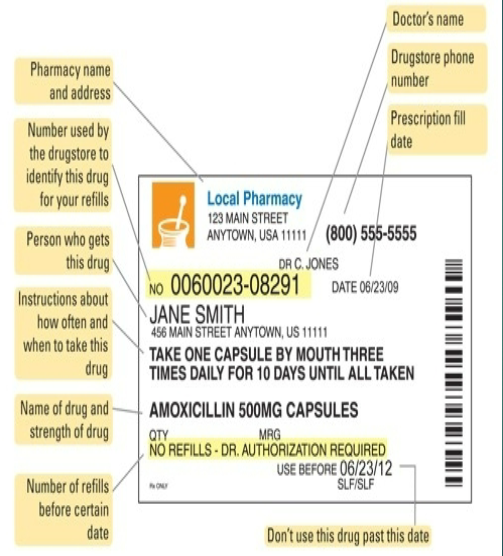
✓ Right Medication / Drug = means that the client receives the drug that was prescribed, check at least three times prior to administration
Medication orders may be prescribed by:
Physician
Dentist
Podiatrist
License health care provider such as advance practice registered nurse
With authority from the state to order medication
Prescriptions:
Component of drug order
Date and time the order is written
Drug name
Drug dosage
Route of administration
Frequency and duration of administration
Any special instructions for withholding or adjusting dosage based on nursing assessment, drug effectiveness, or laboratory result
Physician or other health care provider signature or name if TO or VO
Signature of license practitioner taking TO or VO
Categories of drug orders:
Standing = certain doses for certain days until stopped by another order
One-time = single administration
PRN = if needed
STAT = immediately
✓ Right Dose
✓ Right Time = is the time at which the prescribed dose should be administered
Daily drug dosages are given at specified time during a day such as
Twice a day b.i.d
Three time a day t.i.d
Four times a day q.i.d.
Every 6hrs q6h
✓ Right Route = is necessary for adequate or appropriate absorption
Common routes are the following:
Oral
Sublingual
Buccal
Inhalation
Topical
Inhalation
Instillation
Suppository, etc.
✓ Right Client Education = requires that the client received accurate and thorough information about the medication and how it relates to his or her situation
Client teaching also includes therapeutic purpose, possible side effect of the drugs, any dietary restriction or requirements skills administration, and laboratory monitoring
✓ Right Documentation = requires that the nurses immediately record the appropriate information about drug administered
Name of the drug
Dose
Route
Time and date
Nurse initial or signature
✓ Right to Refuse = client can and do refuse to take medication.
It is the nurses responsibilities to determine when possible the reason for refusal and to take reasonable measure to facilitate the client taking the medication
✓ Right Assessment = requires the appropriate data be collected before administration of drugs
✓ Right Evaluation = requires that the effectiveness of the medication be determined by the client response to medication
ORAL MEDICATION
Most common route
✓ CONTRAINDICATIONS:
Client is vomiting
Client with intestinal or gastric suction
Unconscious Client
Inability to Swallow
✓ Tablet or Capsules
✓ (+) difficulty in swallowing
✓ Crush and mix with small amount of wate
✓ Avoid Crushing
✓ Enteric Coated
✓ Buccal and Sublingual tablets
✓ Liquid Medication
✓ Mix before pouring
✓ Place medication cup on flat surface at eye level
✓ Fill the cup with the desired level using the BOTTOM of the meniscus
PARENTERAL MEDICATION
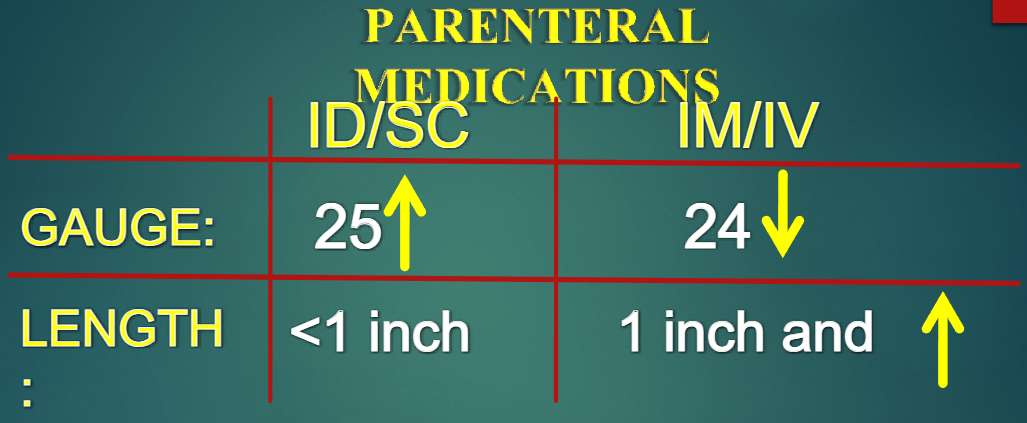
✓ Intradermal
✓ SITE
✓ Inner lower arm
✓ Upper chest
✓ Anterior chest
✓ Upper back beneath the scapula
✓ Angle : almost parallel to the skin 10 - 15 degrees
✓ Gauge: #25, #26, #27
✓ Length: ⅜”, ⅝”, ½”
✓ Max cc: 0.1 to 0.2 ml
✓ Subcutaneous
✓ SITE
✓ Outer aspect of the upper arms
✓ Anterior thighs
✓ Abdomen
✓ Upper back
✓ Ventrogluteal
✓ Dorsogluteal
✓ Angle: 45-degrees (1 inch of tissue can be grasped)
90-degrees (2 inches of tissue can be grasped)
✓ Gauge: #25, #26, #27
✓ Length: ⅜”, ⅝”, ½”
✓ Max cc: 1-3 ml
✓ Intramuscular
✓ SITE
✓ Ventrogluteal
✓ > 1 y/o and adult
✓ No large nerve or blood vessels
✓ Sealed off by bone
✓ Contains less fat than buttocks
✓ Vastus Lateralis
✓ Site of choice for 1 y/o and younger
✓ Infants with fully developed gluteal muscles
✓ SITE
✓ Dorsogluteal
✓ For adults and children with well developed gluteal muscles
✓ CONTRAINDICATED:
children under 3 y/o
✓ Increased risk of striking the SCIATIC NERVE
✓ DELTOID
✓ Small muscle, very close to the radial nerve and artery
✓ Rapid absorption for adults
✓ Cannot administer more than 1 ml.
✓ Recommended site for Hepa B vaccine administration
✓ RECTUS FEMORIS
✓ Can be used for self administration
✓ Disadvantage: causes discomfort
✓ Gauge: #24, 23, 22, 21, 20
✓ Length: 1”, 1 1/2”, 2”
✓ Max. cc: 2-5 ml
✓ Angle: 90 degrees
✓ INTRAVENOUS/INTRAVASCULAR
✓ Gauge: #24, 23, 22, 21, 20
✓ Length: 1”, 1 ½”, 2”
✓ Max. cc: Push 10 ml
Infusion: 4L in 24 hrs.
TOPICAL MEDICATIONS
✓ Transdermal Patch
✓ SITE
✓ Trunk or lower abdomen
Areas that are: hairless
(+) hair (clip, do not shave)
Avoid: cuts, burns, abrasions, distal extremity
OPHTHALMIC MEDICATIONS
✓ Preparation:
✓ Clean the eyelid and lashes from inner to outer canthus
✓ Instruction before administration
Look up
✓ Where and How to Apply:
LIQUID:
Instill correct number of drops
Outer third of the lower conjunctival sac
✓ Instruction after Instillation
Do PUNCTAL OCCLUSION for 30 seconds
OINTMENT:
Discard the first bead
Squeeze 2 cm on the lower conjunctival sac
✓ Instruction after Instillation
CLOSE but not SQUEEZE the eyelid
OTIC MEDICATIONS
✓ Preparation:
✓ Clean the pinna and the meatus of the ear canal
✓ Warm the medication:
In between hands
Place in warm water
✓ Straighten The Auditory Canal:
Adult: (>3 y/o): Pull the Pinna UPWARD and BACKWARD
Child: (<3 y/o): Pull the Pinna DOWNWARD and BACKWARD
✓ INSTILL THE MEDICATION:
Along the side of the canal
✓ ACTIONS AFTER:
Gently press the TRAGUS
Insert small piece of cotton fluff loosely
✓ Instruction After:
Remain in side-lying for 5 minutes
TERMINOLOGIES
Drug Name - The systematic naming of drug used in Pharmacology
Oral Medication - preparations are taken by mouth, swallowed with fluid, and absorbed via the gastrointestinal tract.
Parenteral Medication - can be defined as a sterile drug product, suitable for administration by injection.
Ophthalmic Medication - a medication comes in form of drops gel or oinment
Topical Medication - a drug suitable for administration applied to a particular body part most often applied to surfaces such as skin and mucous membrane.
Otic Medication - drug products used to treat conditions of the external and middle ear.