3/26 - ...her
Argument
every time there’s an economic downturn, those that have money feel threatened by those that don’t have money
unworthy - people who lack moral fortitude
you’re not worth getting those jobs I know exist
80s Welfare Queen - women who had children to get more money
didn’t want jobs
not worthy of help
unfit - because of a medical or biological pathology, you dont deserve equal treatment
more recent, medical terminology on “normalcy”
almshouse - people who were kept where they cant pay their bills
restrained in 8×8 cells or smaller
cant lay down or stand up all the way
rationed
People took those out of almshouses and put them into asylums
“lets help them! Lets separate them from the unworthy people”
beat it out of ‘em
King George III
19th Century - US
set aside a group of people for help
go to almshouses for those who’ve lived there for years
Willard Asylum
Big building in the middle, with wings extending out
main office int he center, with rooms for patients extending into the wings
closer to the main building = crazier
further = close to release
the main cause for admition is starvation
warmth
food
clothing
work
go from being unfit to fit and capable within 3 months
gave you food and work, so you’re fit
1873 - railroad crisis where laborers are pushed out of the work force and forced into destitute
automation booming
people replaced by machines
during economic downturn, manual labor jobs are deemed unnecessary and become cut off first
2 Types of Institutions
Your ability to work makes you more valuable as a human being
Acceptable
acute insane - can return to work force
chronic insane - people put on cottages in farm and live with supervision and suport themselves
These people essentially were put in a building with the necessary amenities to maintain a semblance of normal life, while receiving ongoing mental health support and guidance from staff. They were “fixable” in some way
Less Acceptable
feeble-minded - includes people who’s insanity that differed from the norm
cant
run around naked
arson
murder
epilepsy
seizures were crazy back then
brain damage
end up in asylums despite not being insane
having an accident
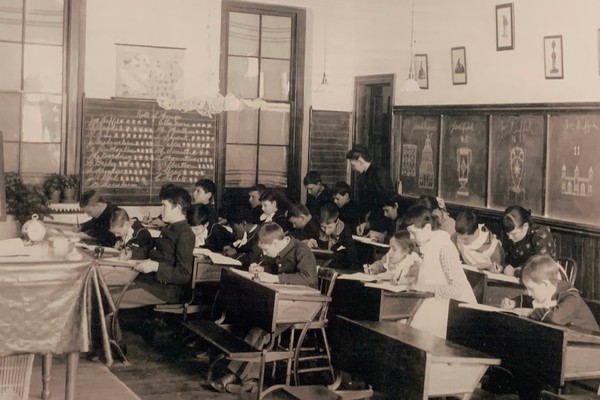
The feeble-minded had training schools. It was originally for children where they go during the day and go home when the day is done; there was even summer break.
Syracuse training school closed in 1983
Girls taught cooking and home-ec; boys did farm work
self-established living
girls did the house work, boys worked on the land (…we can’t let them leave gang, they’re keeping the town alive lowkey)
At the turn of the century, factory life came more profitable but these individuals were not fit for working with machines
Rome Custodial Asylum for Adults
When you separate these individuals and isolate them, they are removed from the American experience and remove them from the population. If you are unfit to be in the population, you are unworthy to reproduce.
“retardation” is connected to immoral sexuality? They don’t have the same sexual values of those that are deemed normal.
having more kids make you feeble-minded
Catholics
the poor
insane
feeble-minded
delinquent
Orphans
Kids could be swiped up from the street if you were found without parents and playing in the street, and put into orphanages if their parents didn’t pick em up fast enough. Additionally, some parents dropped their kids off at the local orphanage to hold them for the weekend.
they might not be there on Monday
if you are deemed immoral or susceptible to immoral influences, you’re sold and shipped to the Midwest to be adopted (…shopped) by farmworkers
some stayed and did fine
some died
some ran away
Justified that if you stayed in NYC and the urban environment, you would become a delinquent and therefor feeble and therefore unfit.
Mary J O Crella
girl taken to a mental asylum at the age of 12 in 1857
physically and mentally “imbicle”
dirty
could be both physically and morally
fragile
unfit
smth physically wrong with her
physically small, feeble, and has eczema
this girl is NOT WELL
eczema indicated skin version of tuberculosis
When she learned to sew, it makes her useful and worthy
she can contribute to the institution she’s in
EVERYONE worked
“Her cutaneous trouble has left but there is nothing of her nor never will be”
she was 13
In April, she’s labeled demented, which indicates medical/mental issues
insanity
there’s an argument that she is in the wrong place, and should be transferred to Syracuse
when she learned to count, it’s a sign she can be trained and remember, which is later overturned as it finds how she cant retain information
Mary’s parents were both drunks, and it was unclear if he fathered all three girls. They are unfit to be parents and produced kids who were unfit to be within the population. They are shipped off to a facility where they work and contribute amongst themselves. Their labor is used and exploited, then they die.