Horror Fiction Unit Notes
Horror Fiction Unit Notes
RL.8.6: Analyze how differences in the points of view of the characters and the audience or reader (e.g., created through the use of dramatic irony) create such effects as suspense.
Craft Moves Writers Use to Create Suspense
Characterization
Word choice for tone and mood
Dramatic Irony
Key Vocabulary
Suspense: Uncertainty or anxiety that the reader feels about what will happen later in the story.
Foreshadowing: Hints or clues to suggest events will occur later in the plot.
Foreboding: A Feeling that something bad is going to happen.
Point of View
First Person: narrator “I”
Second Person: “You” ~ instructions
Third Person: narrator outside action of story
Omniscient: all knowing narrator
Third Person Limited: narrator outside of story knows thoughts feelings of only one character
Irony: An outcome of events contrary to what was, or might have been expected.
3 Types:
Dramatic: When the audience/reader is aware of what is going on but the character(s) in the story are not.
Situational: Actions have an effect that is opposite from what was intended, so that the outcome is contrary to what was expected.
Verbal: When a person says or writes one thing and means another.
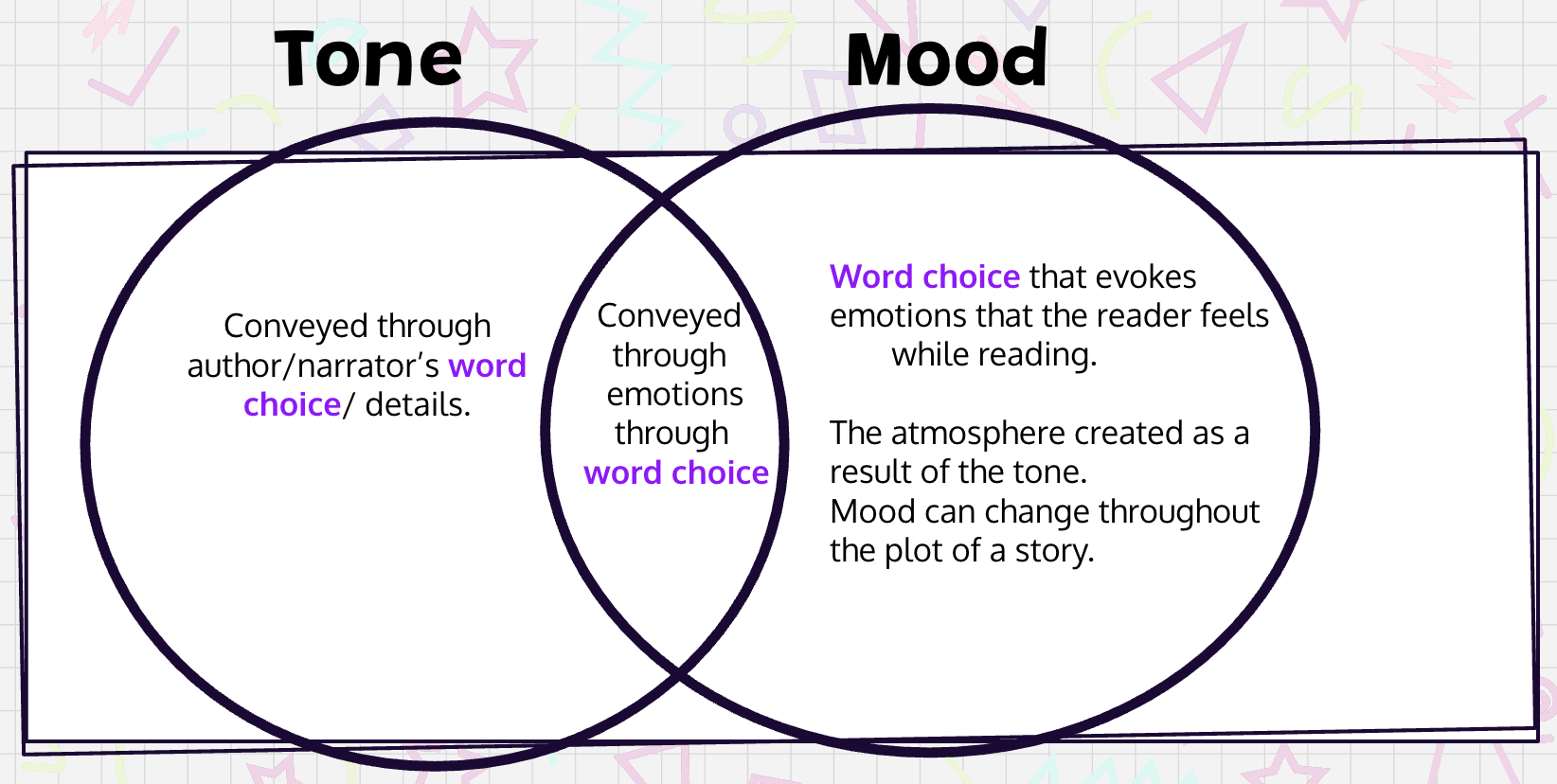
Tone
Word choice used to show Speaker’s (or narrator’s) attitude
Mood
Emotional effect that the text creates for the audience/atmosphere through word choice
facade- face of a building or an appearance that hides something
congenial - pleasant personality
rapacious - aggressively greedy or grasping
tantalizing -something that provokes interest or desire; tempting, teasing
emanate-come forth
credulity-believing too soon in something
fate - development of events beyond a person’s control
grimace- ugly, twisted expression on a person’s face
peril- danger
surveying-to examine or look at comprehensively; to inspect
acute- sharp or severe in effect; intense
vexed- irritated, annoyed
sagacity- acuteness of mental discernment and soundness of judgment
refrained- to abstain from an impulse to say or do something
wary- watchful; being on one's guard against danger
suavity- a suave or smoothly agreeable quality
audacity- boldness or daring, especially with confident or arrogant disregard for personal safety, conventional thought, or other restrictions
vehemently- strongly emotional; intense or passionate
gesticulations- an animated or excited gesture
derision- ridicule; mockery; an object of ridicule