4.7a: Motivation - Motivational Concepts
Key Concepts of this Unit:
Defining and describing motivation
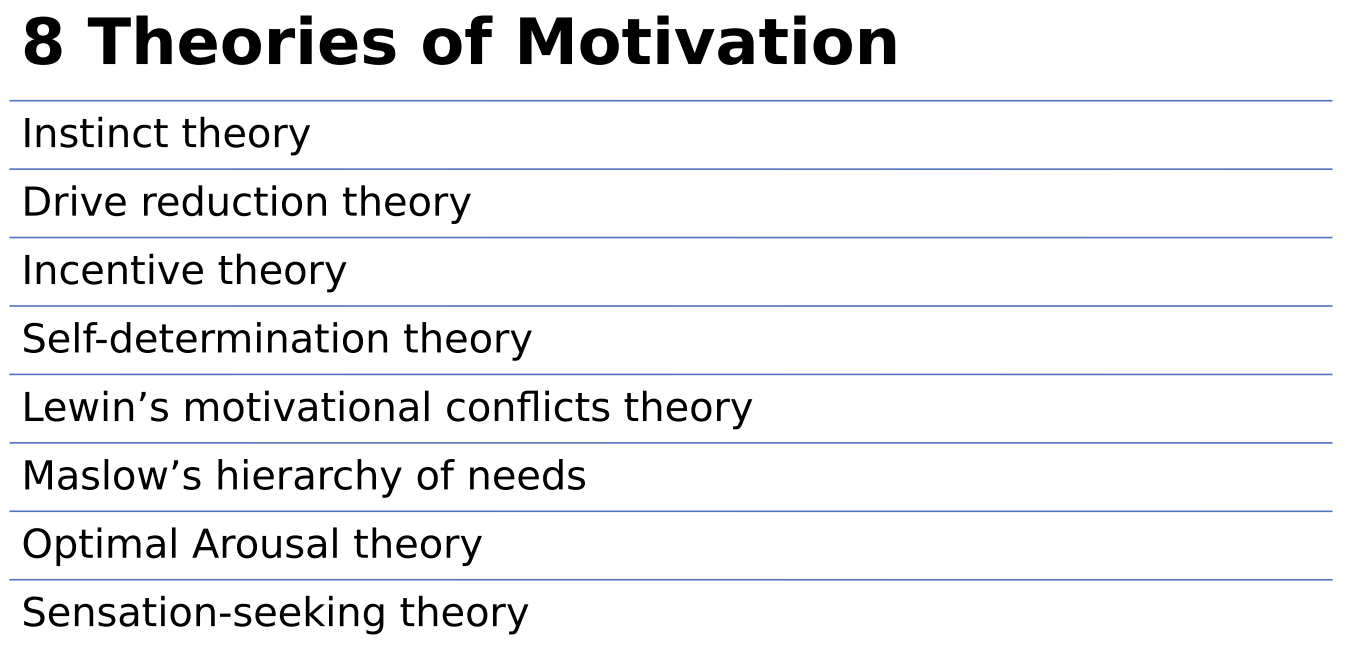
Identify and describe 8 theories of motivation
Identify and extinguish 2 types of motivation
Describe the Yerkes-Dodson Law
Motivation: psychological/physiological factors that cause us to act in specific ways
→ (Ex) Factor that motivates behavior: boredom
call a friend/go on a walk
Overjustification: the process by which extrinsic rewards can sometimes displace internal motivation, as when a child receives money for playing video games
Theories of Motivation
Instinct Theory
Instinct theory (replaced by evolutionary perspective): complex, inherited behavior patterns/characteristics of a species
instincts are UNLEARNED
performed automatically in the same way by ALL members of a species
instincts are not personal/individual
Drive-Reduction Theory
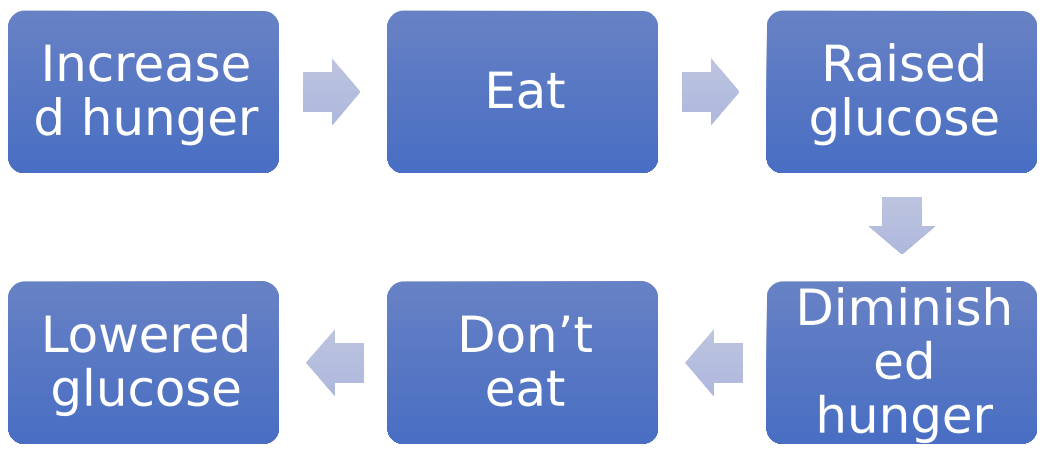
Drive-reduction theory: a physiological need creates an aroused state (a drive) that motivates an organism to satisfy the need
when a physiological need increases, so does our psychological drive to reduce it
motivation arises from imbalances in homeostasis
internal
Key Terms of this theory:
Homeostasis: the body’s tendency to maintain a biologically balanced state w/ regard to nutrients, water, & temperature
Need: a biological requirement for well-being
a BIOLOGICAL IMBALANCE caused by physiological deficit
Physiological needs: a basic bodily requirement (eg. food, water)
Drive: state of psychological and physiological tension induced by need
need activates drive
state of psychological tension induced by need
Weaknesses of this theory:
Does NOT account well for secondary motives (many of them are social):
achievement, affiliation, autonomy, curiosity, power, play
Arousal Theory
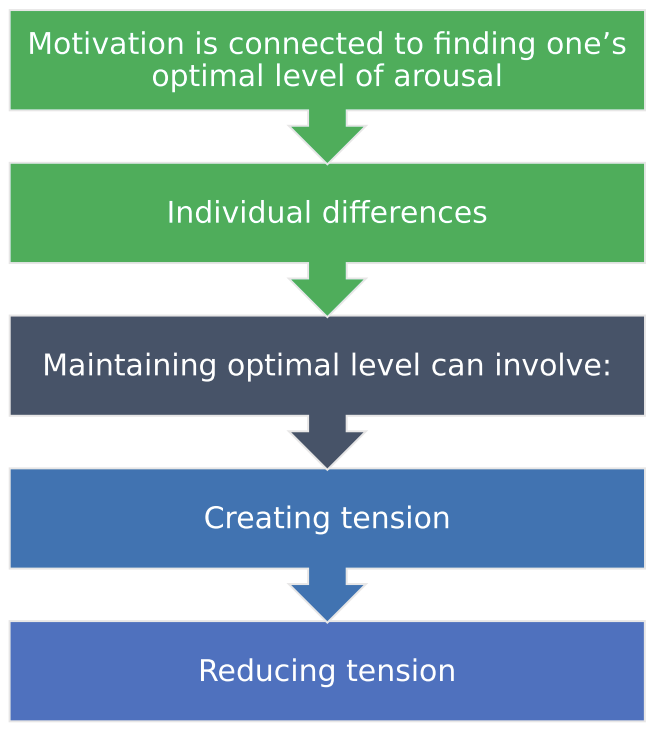
Arousal theory: proposes everyone seeks an optimal stimulation level
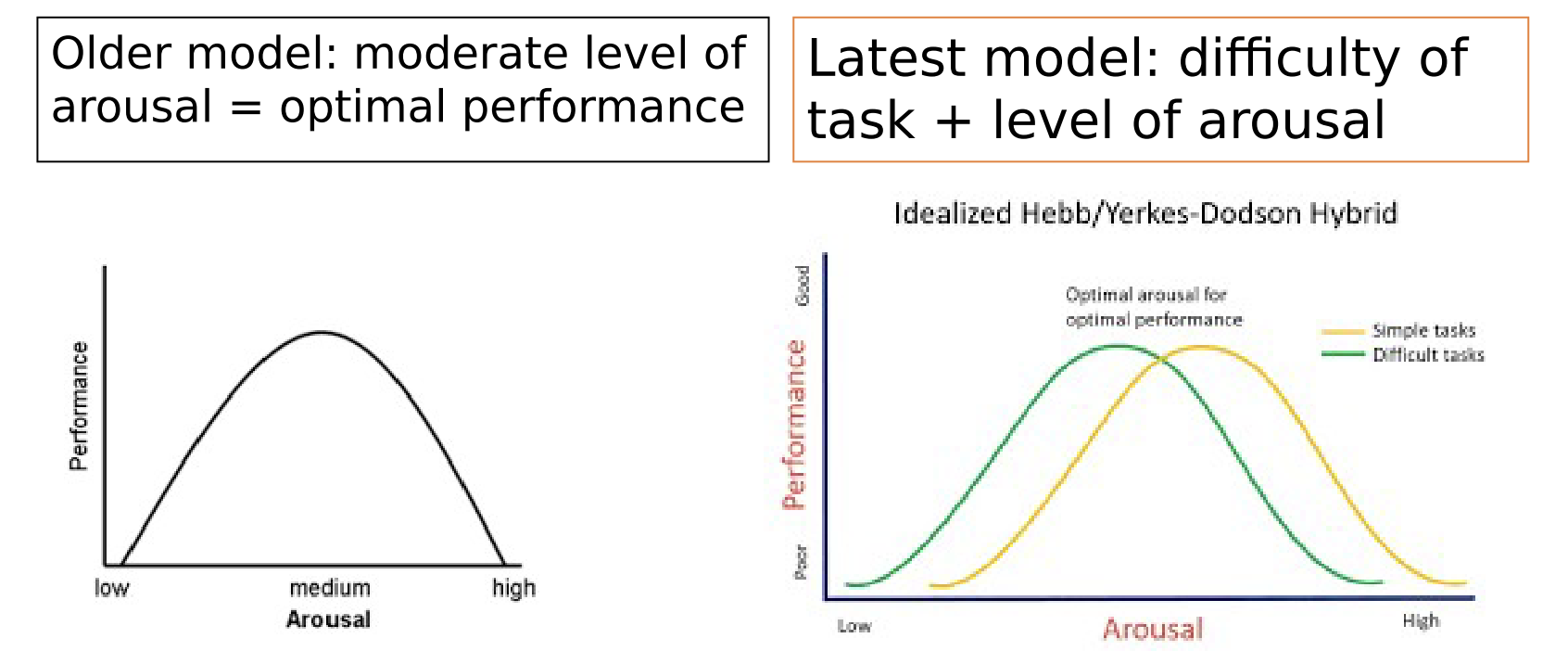
→ Yerkes-Dodson law: performance increases w/ arousal only up to a point beyond which performance decreases
moderate arousal = optimal performance
Sensation-Seeking Theory
Sensation-seeking theory: describes a personality trait where individuals differ in their preferred arousal levels, w/ high sensation-seekers needing more novelty/risk to reach their optimal (often high) arousal, explaining why:
some crave excitement (high need for arousal)
some prefer calm (low need for arousal)
Sensation seekers: individuals who need more arousal than the average person
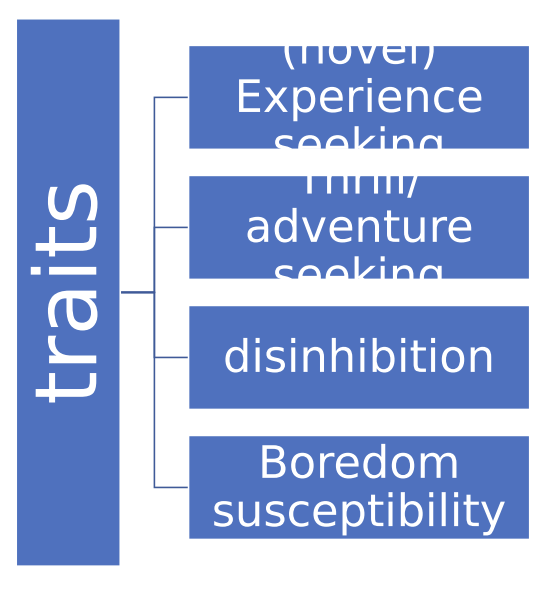
Experience seeking: a desire for novel sensory/mental experiences
Thrill or adventure seeking: an attraction to risky/fear-inspiring activities like skydyving
Disinhibition: loss of self-control
Boredom susceptibility: the inability to tolerate monotony or repetition
Incentive Theory
Incentive theory: behavior is explained as a response to the external stimulus and its rewarding properties or repelling properties
Ex: getting a 5 on an AP exam is an incentive that motivates you to read your AP textbook
external
Incentive: positive/negative environmental stimulus that motivates behavior (can lure/repel us)
the more these impulses are satisfied and reinforced, the stronger the drive may become
Maslow’s Hiearchy of Needs
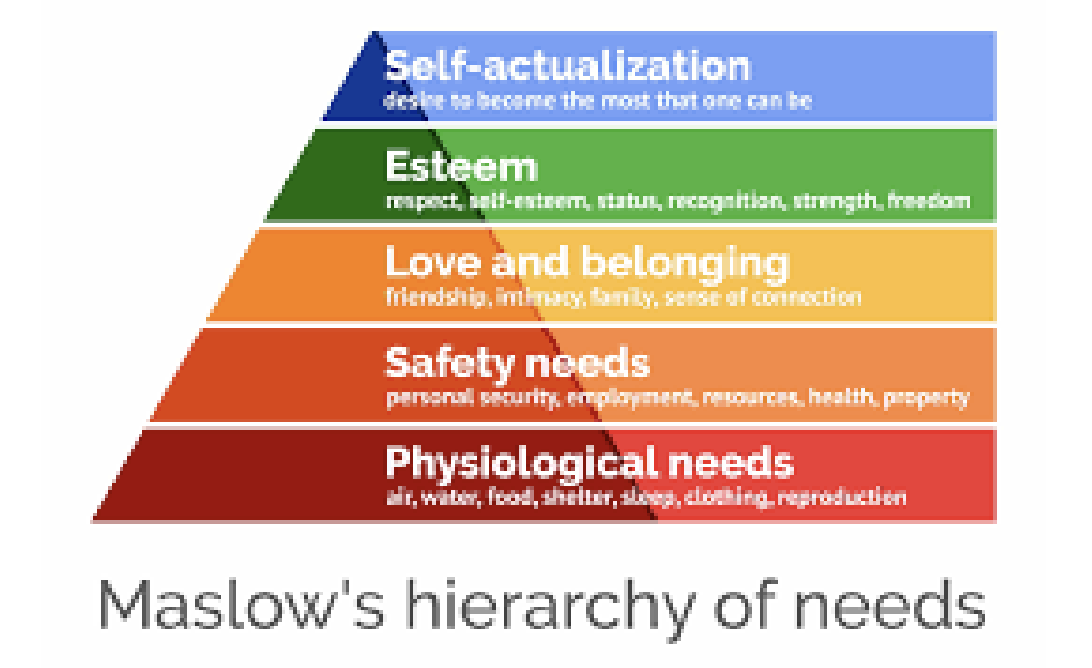
Hiearchy of needs: proposes that human beings must fulfill the more basic needs before being able to fulfill higher social and self-actualization needs
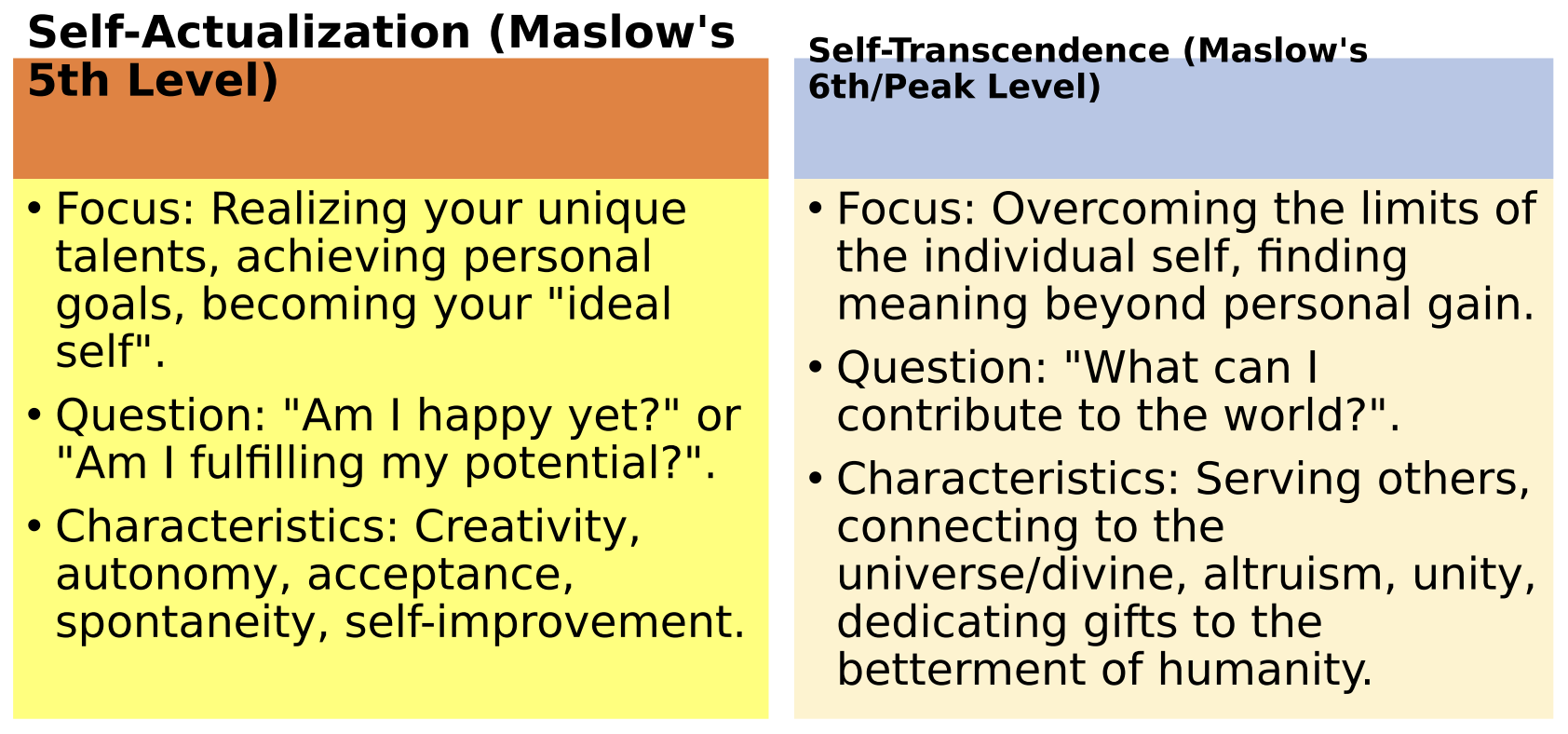
Self-actualization: we seek to realize our own potential
KEY HUMANISTIC POV CONCEPT‼
Peak experiences: moments of pure joy and have a lasting memory, like feeling awe from the sunset
self-actualized people have peak experiences more often
Self-transcendence: we strive for meaning, purpose, and communion in a way that is transpersonal — beyond the self
Self-Determination Theory
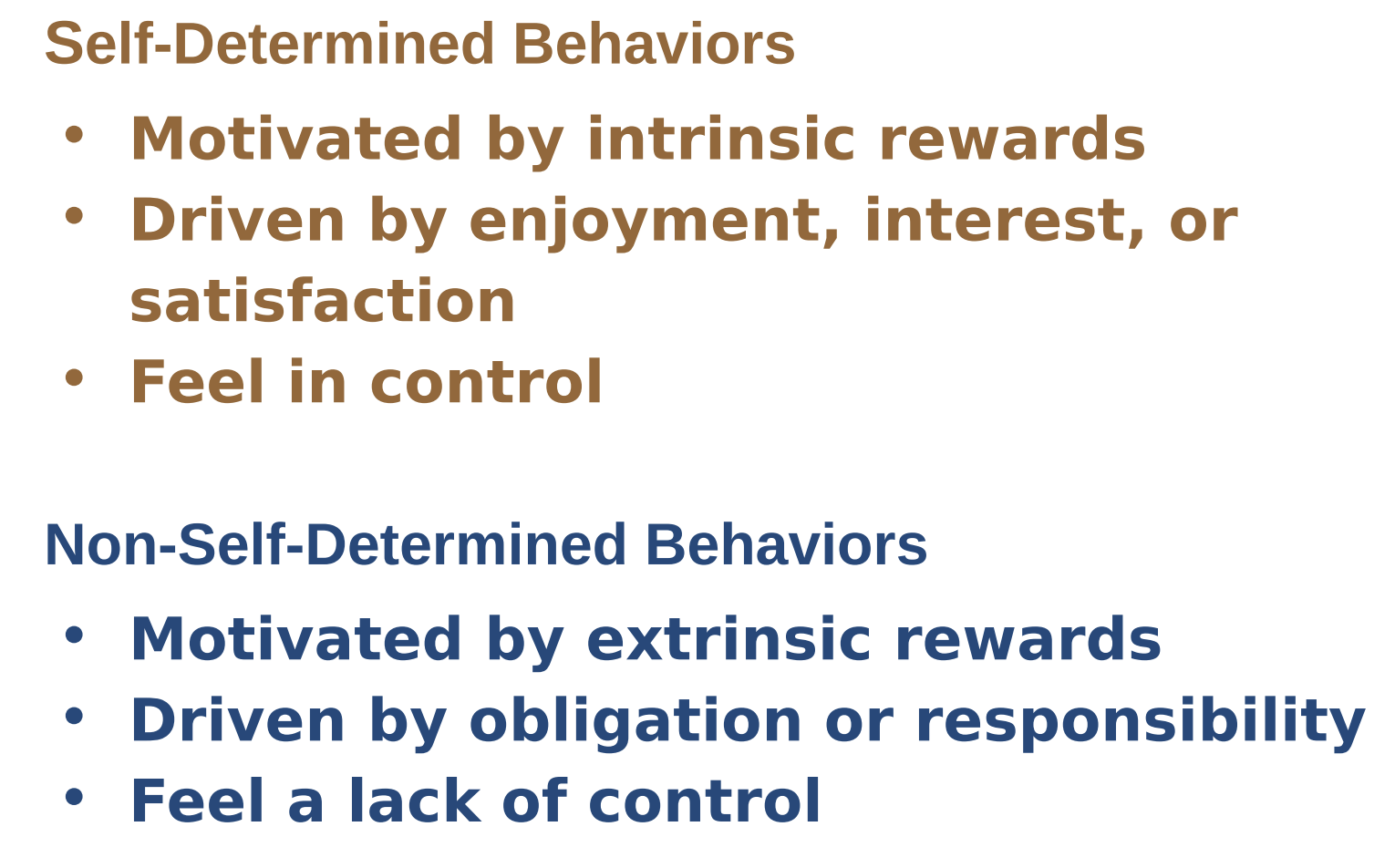
Self-determination theory: we feel motivated to satisfy our needs for competence, autonomy (a sense of personal control), and relatedness
fulfilling these motive decrease stress and boosts health and self-esteem
fosters intrinsic motivation
Autonomy: feeling in control and having ownership over your actions, aligning choices w/ personal values
Competence: experiencing effectiveness and mastery in tasks, seeking challenges, and receiving positive feedback
Relatedness: feeling connected to others, understood, and cared for; fostering a sense of belonging
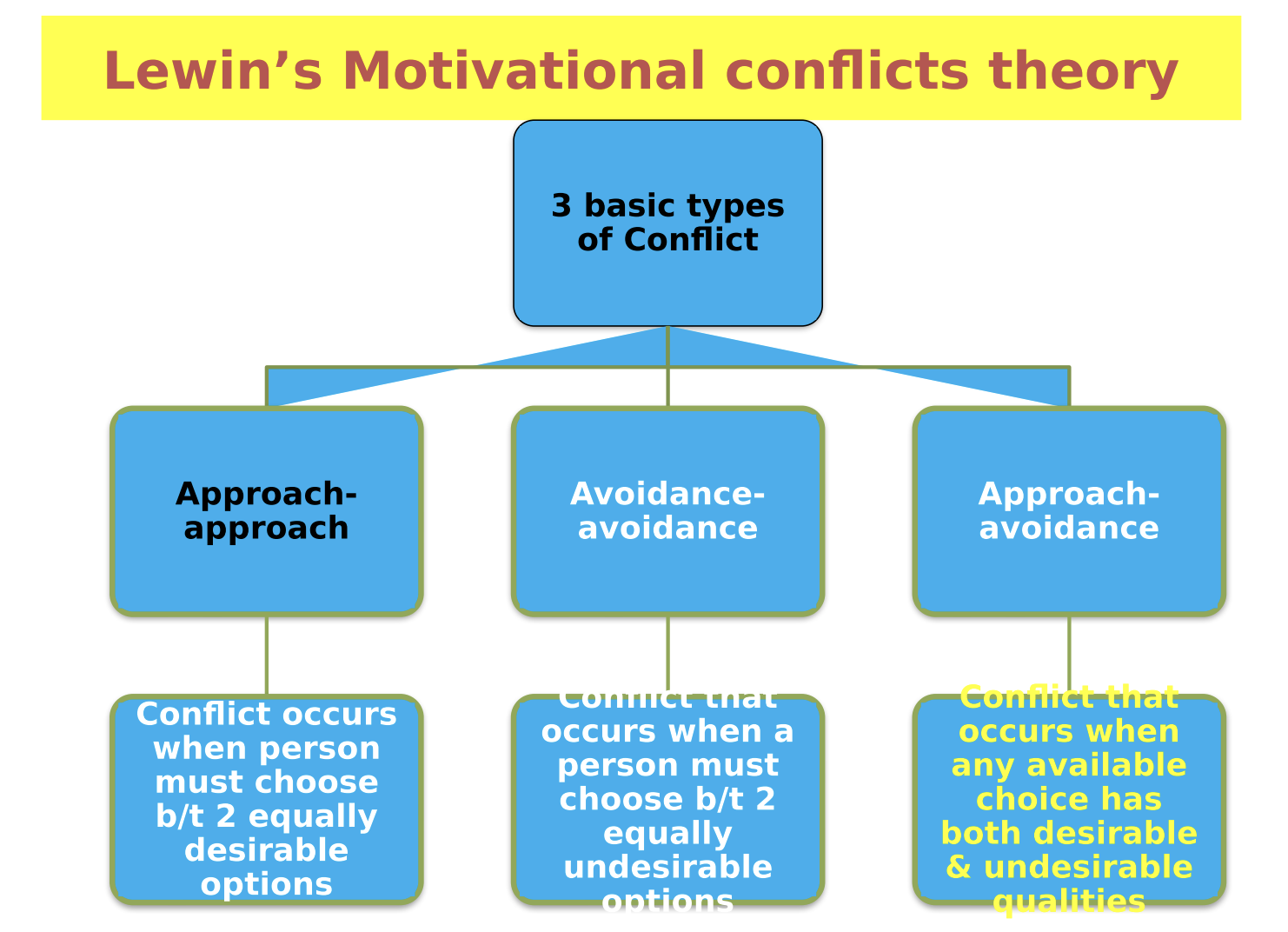
Lewin’s Motivational Conflicts Theory
Lewin’s Motivational Conflicts Theory: suggests that individuals are motivated to resolve conflicts that can be categorized into 3 types:
approach-approach
avoidance-avoidance
approach-avoidance