Teratogens, Immune & Allergies
Page 1
Page 2: Overview of Health-Related Concerns
Teratogens
Examples: Veratrum, Cannabis, Nicotiana
Immune System
Substances: Echinacea (phenylpropanoids), Aloe, Angelica, fungi (polysaccharides), Elaphocordyceps (cyclic peptide)
Page 3: Teratogens
Definition: Substances that negatively affect development, particularly during pregnancy and breastfeeding.
Mechanism:
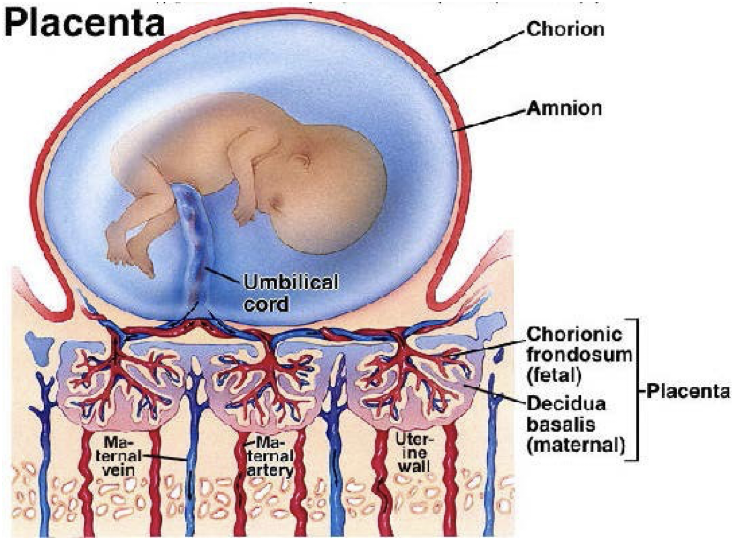
Xenobiotics from the mother can cross the placenta to the embryo.
Anatomy:
Placental structures: Chorion, Amnion, Umbilical cord, Chorionic frondosum (fetal), Decidua basalis (maternal).
Page 4: Veratrum Californicum
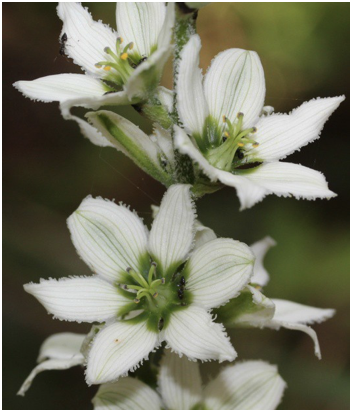
Common Name: Corn lily
Family: Melanthiaceae
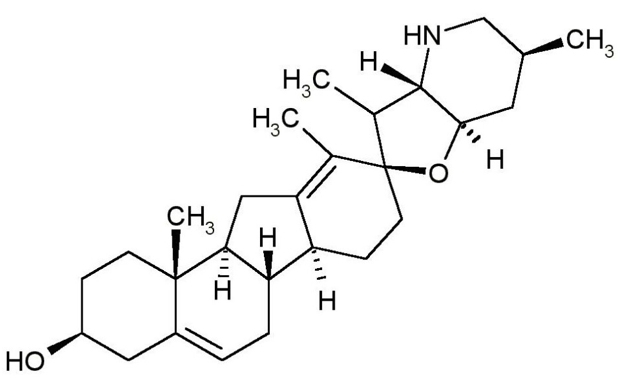
Active Component: Cyclopamine
Effect: Prevents normal brain lobe formation.
Page 5: Cannabis Sativa
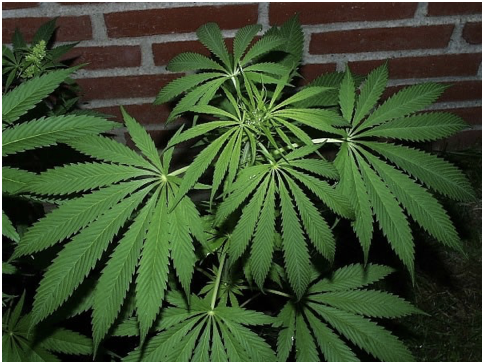
Common Name: Marijuana
Family: Cannabaceae
Teratogenic Effects:
Associated with negative developmental impact on children of women using Cannabis during pregnancy:
Impairs visual perception
Increases attention problems and impulsivity.
Page 6: Nicotiana spp.
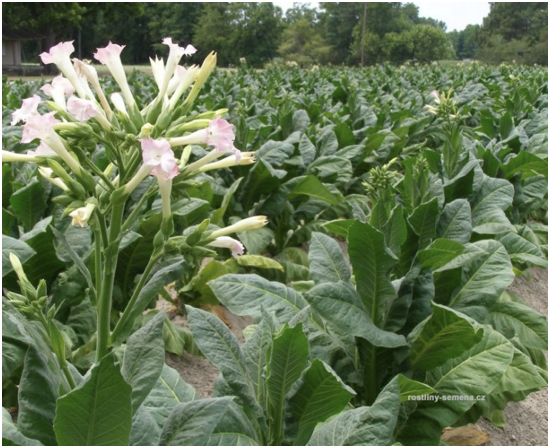
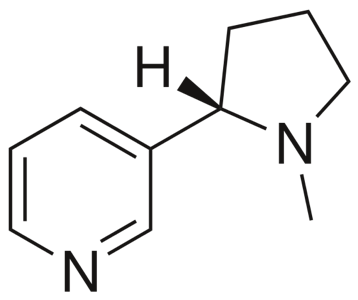
Common Name: Tobacco
Associated Risks During Pregnancy:
Sudden infant death syndrome (SIDS)
Low birth weight
Cleft palate and other developmental abnormalities
Increased risks for ADHD, learning disabilities, nicotine addiction, obesity, hypertension, and type 2 diabetes
Reduced fertility and asthma
Potential epigenetic influences on F2 (grandchildren).
Family: Solanaceae
Page 7: Phenylpropanoids
Components: Derived from phenylalanine
Several examples include:
p-Coumaric acid, ferulic acid, capsaicin, and eugenol.
Impacts on cellular pathways.
Page 8: Biosynthesis of Phenylpropanoids
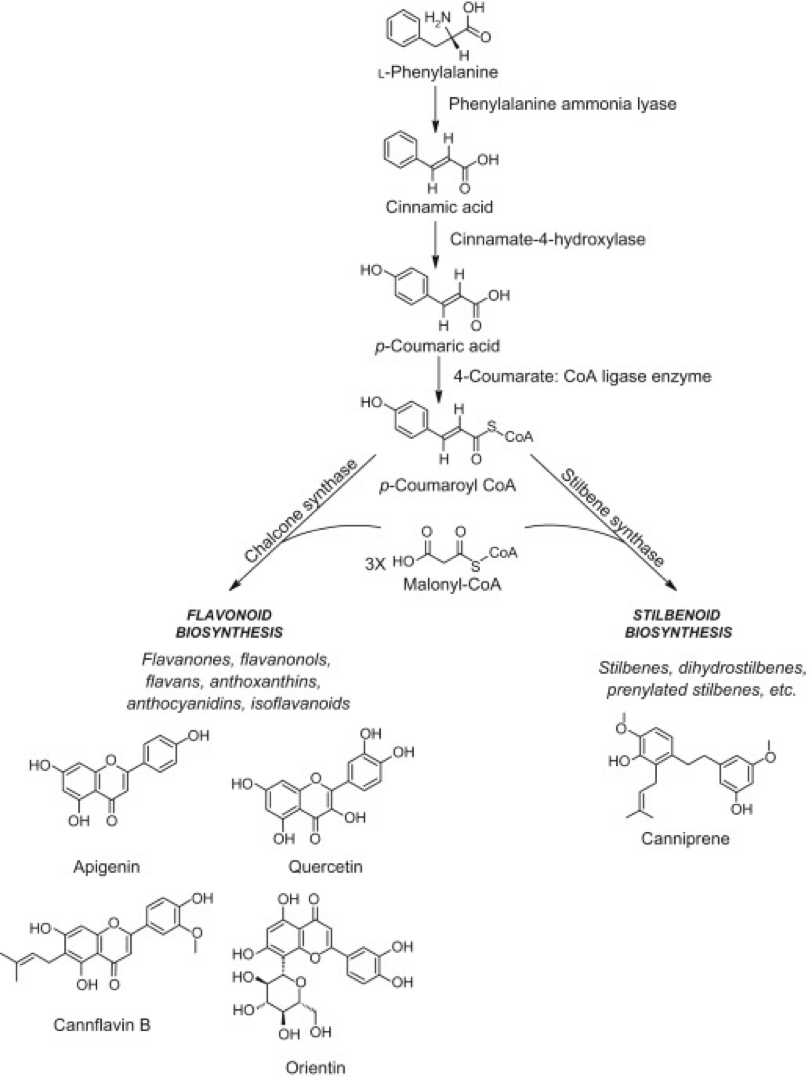
Starting Material: L-Phenylalanine
Enzymes Involved:
Phenylalanine ammonia lyase
Cinnamate-4-hydroxylase
4-Coumarate: CoA ligase
Pathways producing flavonoids, stilbenes, and several other compounds.
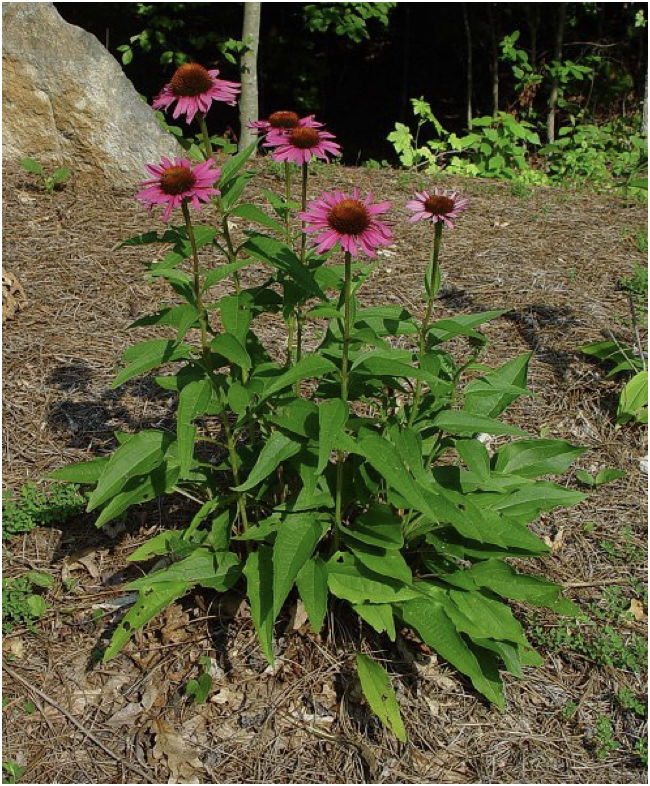
Page 9: Echinacea Purpurea
Major herbal remedy, known as Echinacea.
Page 10: Echinacoside and Cichoric Acid
Effectiveness: Marginal evidence in shortening cold duration.
Page 11: Polysaccharides
Role: May regulate cytokine activity (e.g. TNF-α, Interleukins)
Cytokines: Important for cell communication, signaling during immune response.
Levels change with health status—low in healthy individuals but increase due to disease/injury.
Page 12: Nitric Oxide Production
Source: Induction by polysaccharides through nitric oxide synthase from arginine and oxygen.
Pathways: Illustrates the complex biochemical pathways involving L-arginine and nitric oxide (NO).
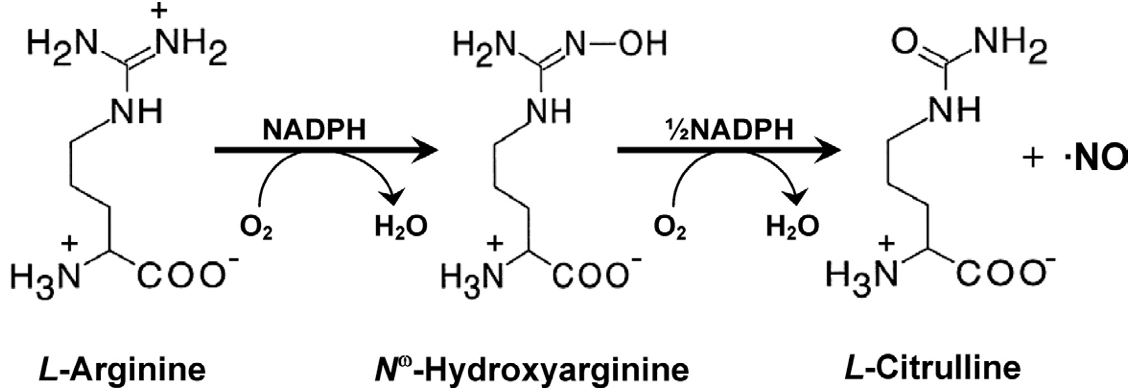
Page 13: Polysaccharides and Pathogen Interaction
Nitric Oxide: Toxic to certain pathogens and produced by macrophages in phagosome.
Page 14: Aloe Vera
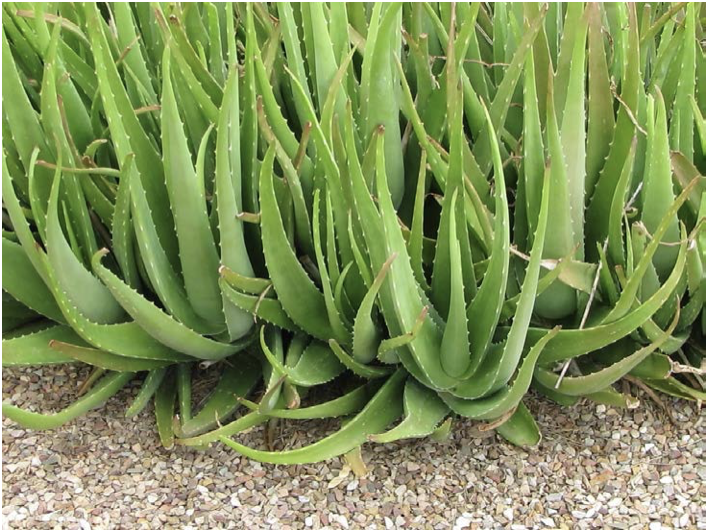
Family: Asphodelaceae
Polysaccharide: Acemannan, known for various health benefits.
Page 15: Acemannan Functionality
Composition: Acetylated B-mannose linked by 1,4 linkages.
Effects: Increases activity of cytokines, boosts nitric oxide production.
Page 16: Angelica Sinensis
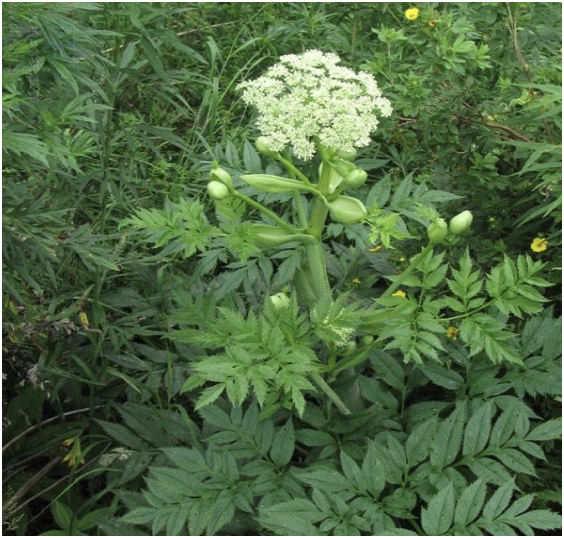
Common Name: Dong quai
Family: Apiaceae
Historical Use: Long history in traditional Chinese medicine.
Page 17: Angelica Composition
Contains polysaccharides, specifically arabinose, galactose, and galacturonic acid.(draw structures )
Page 18: Starch, Glycogen, and Cellulose
Key plant polysaccharides described with emphasis on their structures and biological significance.
Linkages: Differentiation of carbohydrate structures based on linkage types (α vs. β).
Page 19: Glucans
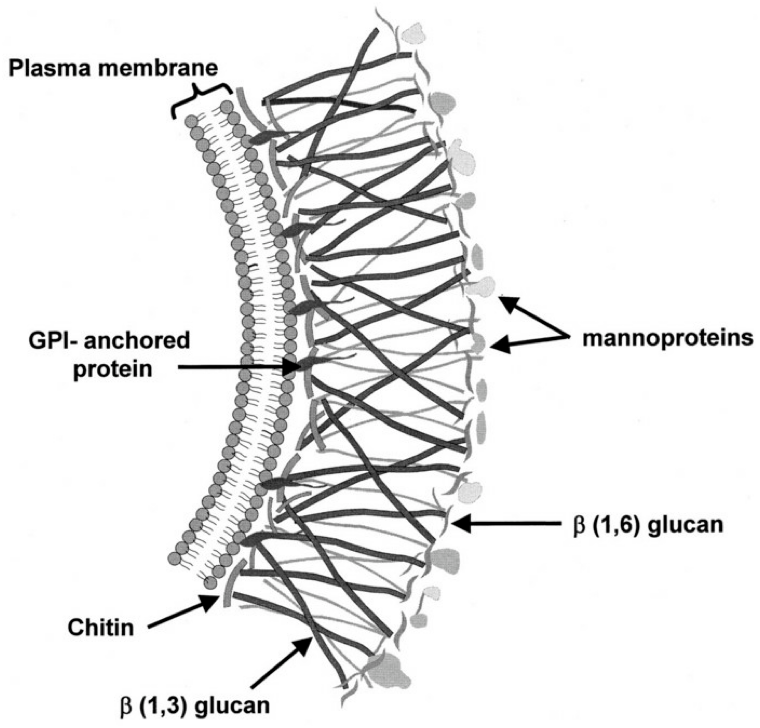
Classification: B-1,3 and B-1,6 glucans, significant in fungal cell walls.
Page 20: Glucans in Fungi
Components: Plasma membrane structure involving glucans and chitin.
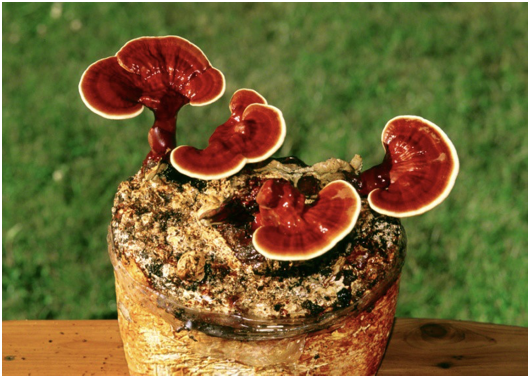
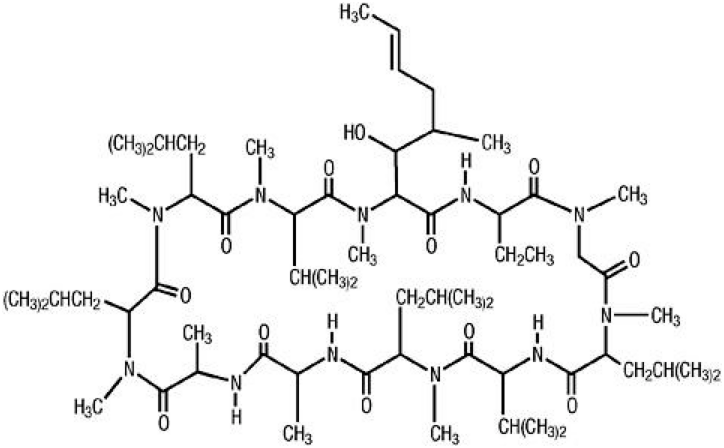
Page 21: Elaphocordyceps Subsessilis
Produces cyclosporine (cyclic peptide) with immunosuppressive properties, utilized in transplants.
Page 22: Overview of Allergies & Autoimmune Diseases
Outline topics including allergies and inflammatory diseases.
Page 23: Allergies
Definition: Exaggerated immune responses to allergens (foreign proteins/lipids/carbohydrates).
Types of reactions: dermatitis(inflammation of skin), rhinitis(inflammation of nose), pollinosis(inflammation caused by proteins from pollen,act as antigens).
Page 24: Mechanism of Allergic Reaction
Process description of how pollen triggers immune response in sensitive individuals:
Pollen enters body.
Antibody production occurs.
Antibodies attach to mast cells.
Re-exposure to pollen triggers release of histamine from mast cells.
Leads to symptoms: runny nose, itching, sneezing, etc.
Page 25: Anaphylactic Shock

Symptoms: Severe allergic reaction leading to respiratory issues and low blood pressure.
Treatment: Requires immediate attention with epinephrine (e.g., EpiPen).
Page 26: Autoimmune Diseases
Examples include asthma, celiac disease, Crohn’s disease, diabetes type I, psoriasis, rheumatoid arthritis.
Page 27: Trends in Diseases
Increasing immune disorders increasing contrasted with declining infectious diseases.
Notable exception: COVID-19's impact on the trend.
Page 28: Hygiene and Microflora Hypothesis
Decreased risks of Immune Disorders: farm living,older siblings,exposure to bacterial lipopolysaccharides ,exposure to allergen,and breastfeeding
Increased risk of immune disorders: antibiotics at 1rst week of birth,Candida overgrowth in GI tract,lower biodiversity nearby,low gammaproteobacteria skin diversity
Page 29: Microbiome Overview
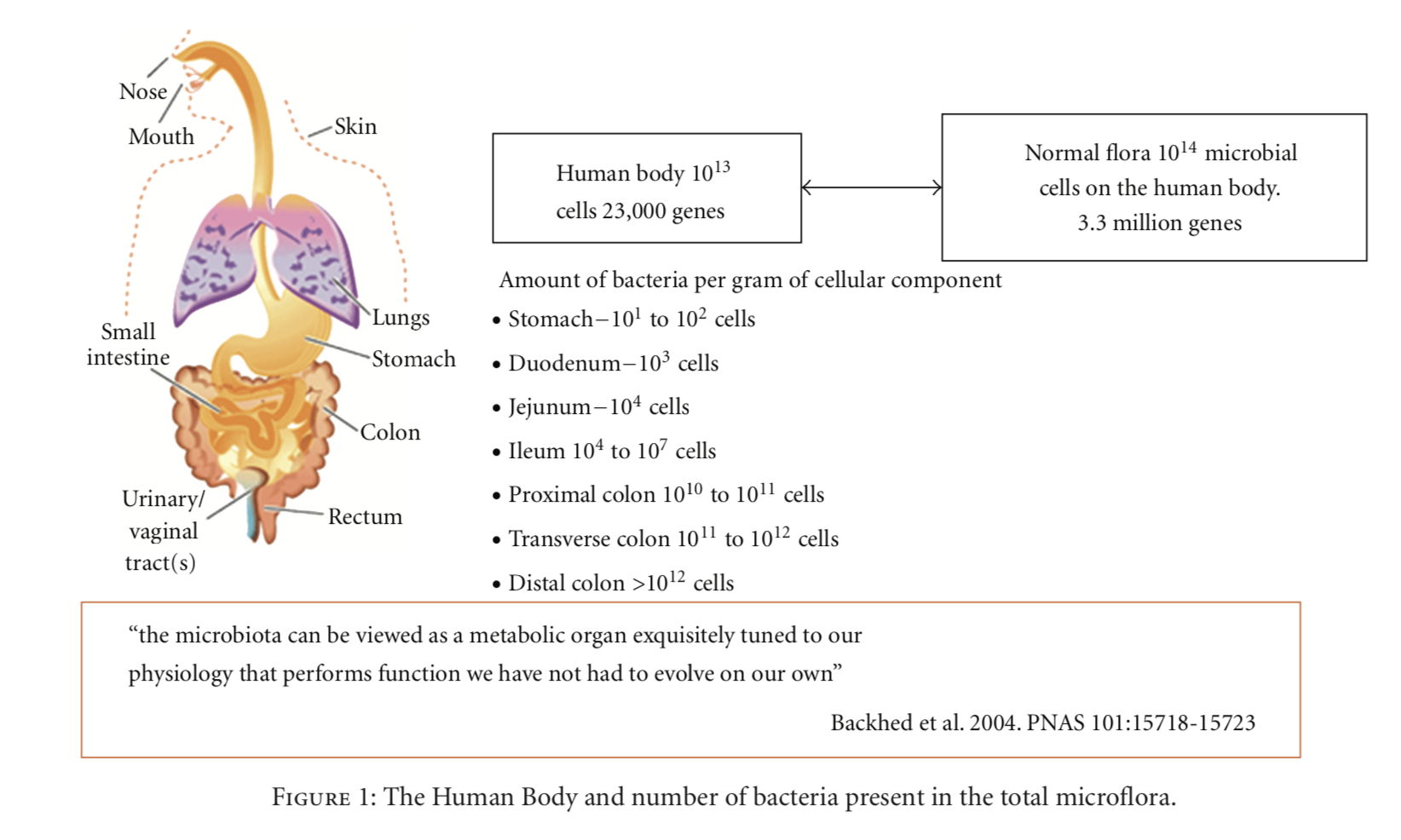
Microbial Composition: The human body hosts trillions of bacteria with diverse functions crucial to health.
Page 30: Gut Microbiota
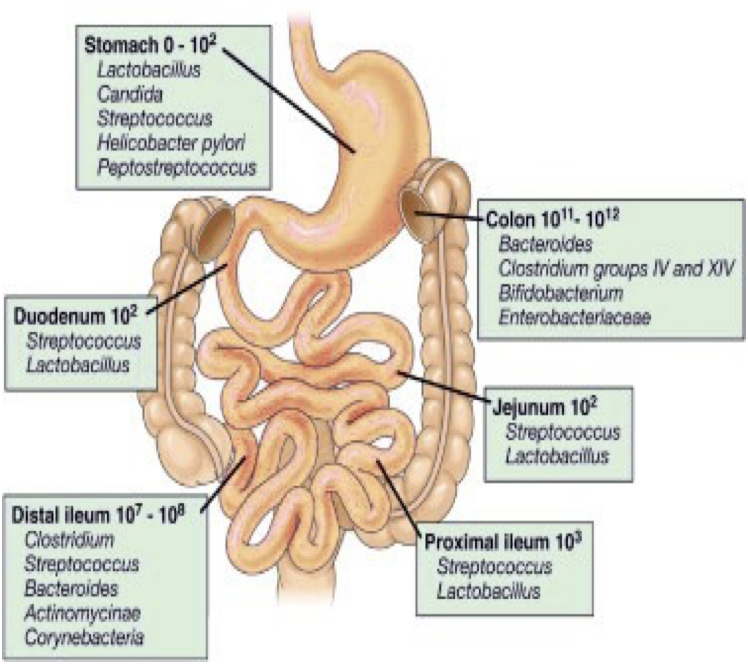
Diversity Matters: Different microflora in various gut sections, with implications for digestion and health.
Page 31: Gut Microbiota & Disease
Studies link lower gut diversity with inflammatory diseases, including allergies.
Page 32: Gut Microbiome Insights
Types of Biotics: Discussion on prebiotics, probiotics, and postbiotics for health.
Page 33: Further Allergies Discussion
Overview of other allergens including pollen and food allergens with their effects and involved families.
Pollen
Quercus, Poaceae, Ambrosia
Food allergens
Triticum(wheat), Arachis(peanut)
Contact allergens & dermatitis
Anacardiaceae(cashew), Hippomane
Mucuna, Opuntia, Urticacaeae
Phototoxins
Furocoumarin (Fabaceae, Apiaceae, Rutaceae, Moraceae)
Remedies
immunotherapy, Urtica, Tylophora
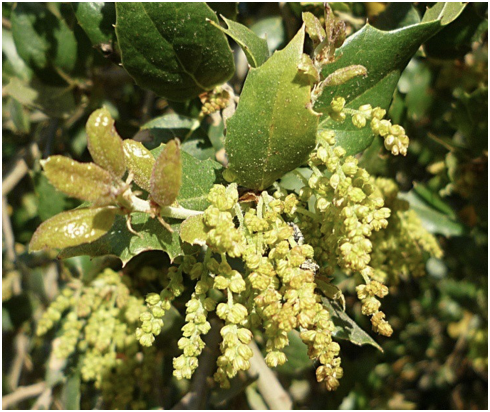
Page 34: Pollen from Quercus spp.
Contribution to spring pollen allergies.
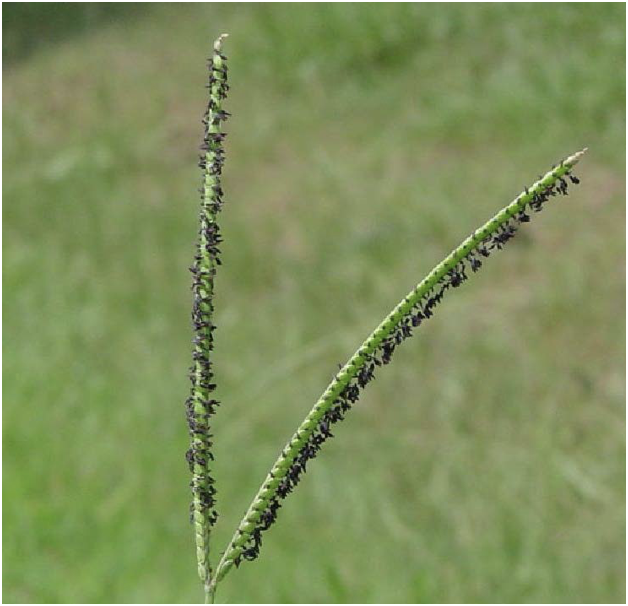
Page 35: Poaceae (Grass family)Family Pollen
Predominating in summer and fall.
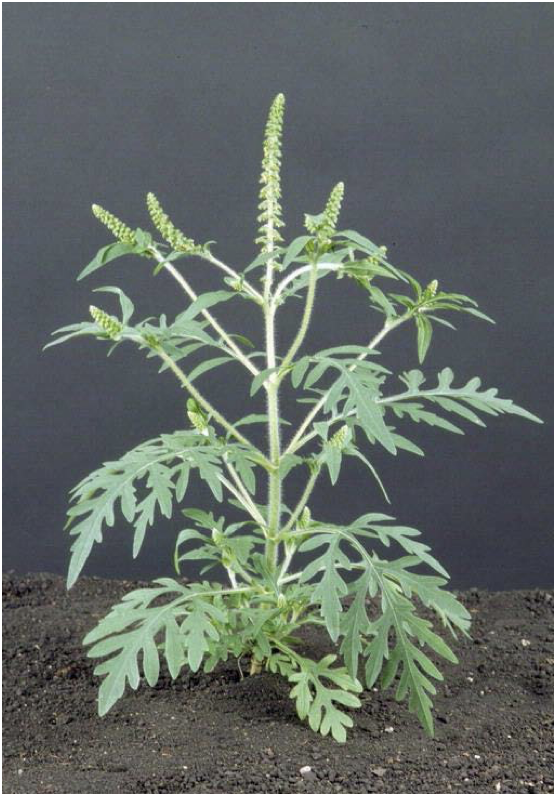
Page 36: Ambrosia Artemisiifolia(ragweed)
Major source of late summer/early fall pollen allergies (ragweed).
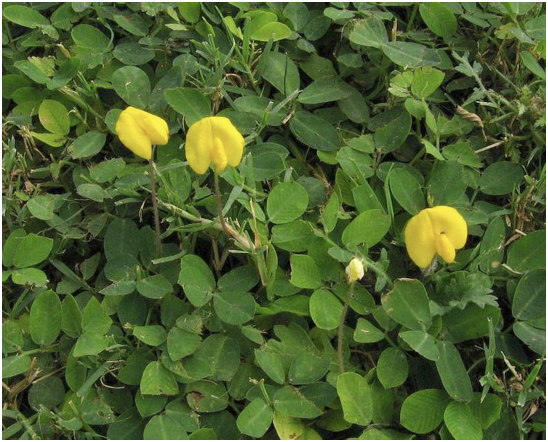
Page 37: Arachis Hypogaea
Common Name: Peanut
Noteworthy protein: Ara h 1 (vicillin).
Page 38: Triticum Aestivum
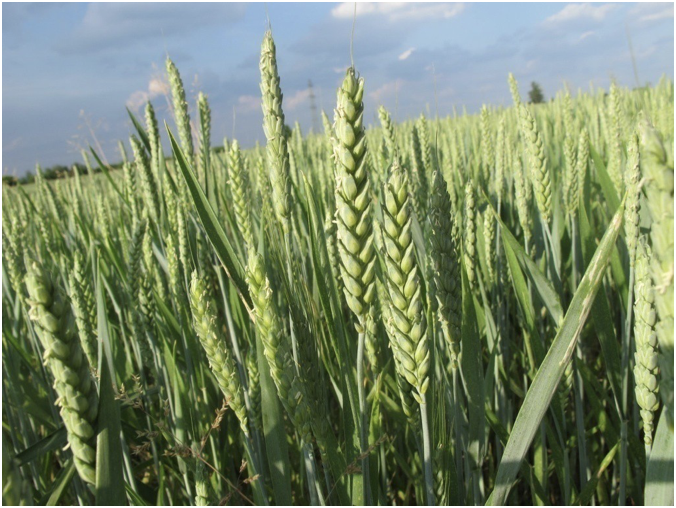
Common Name: Wheat
Gluten protein characteristics, including partial digestion.
Page 39: Celiac Disease
Consequences: Atrophy of villi leading to malabsorption. Treatment requires lifelong gluten-free diet.
Page 40: Plant-derived Treatments for Allergies
Discussion on potential herbal remedies.
Page 41: Pollen Immunotherapy
Mechanism: Gradual exposure to allergens for desensitization (via sublingual or injection).
Page 42: Urtica Dioica
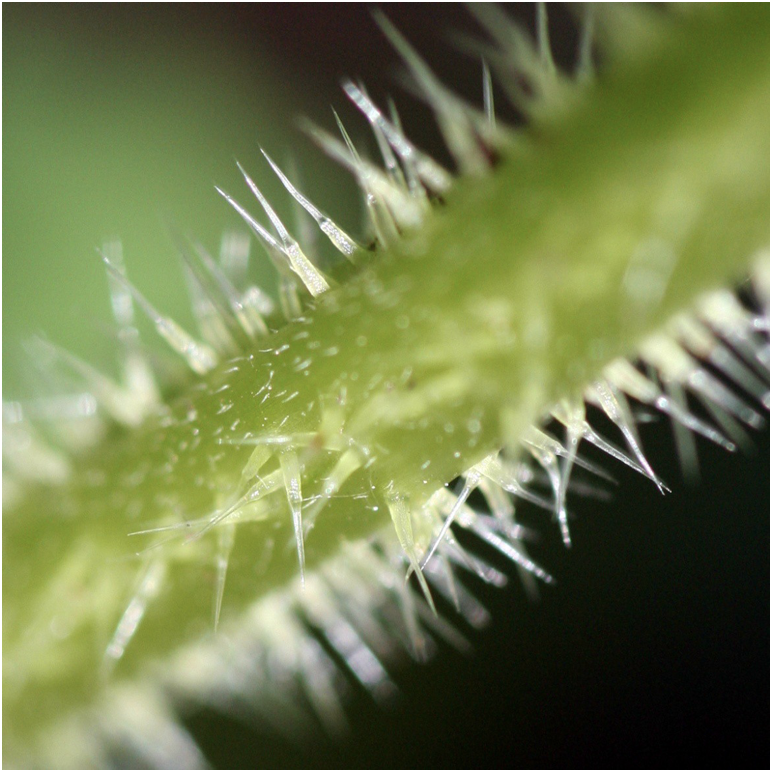
Common Name: Stinging nettles
Acts as an anti-inflammatory and anti-histamine.
Page 43: Urtica Dioica Uses
Shown benefits for allergic conditions(eg allergic rhinitis,pollinosis) through preparations of leaves.
Page 44: Tylophora Indica
Family: Apocynaceae; notable for its anti-asthmatic properties.
Page 45: Tylophora Indica Mechanism
Active Compound: Tylophorine; illustrated effects on asthma.
Page 46: Conclusion
Summary of the topic covering Teratogens, the Immune system, and Allergies.