Changes in the Exchange Rate
Reasons for appreciation in the exchange rate
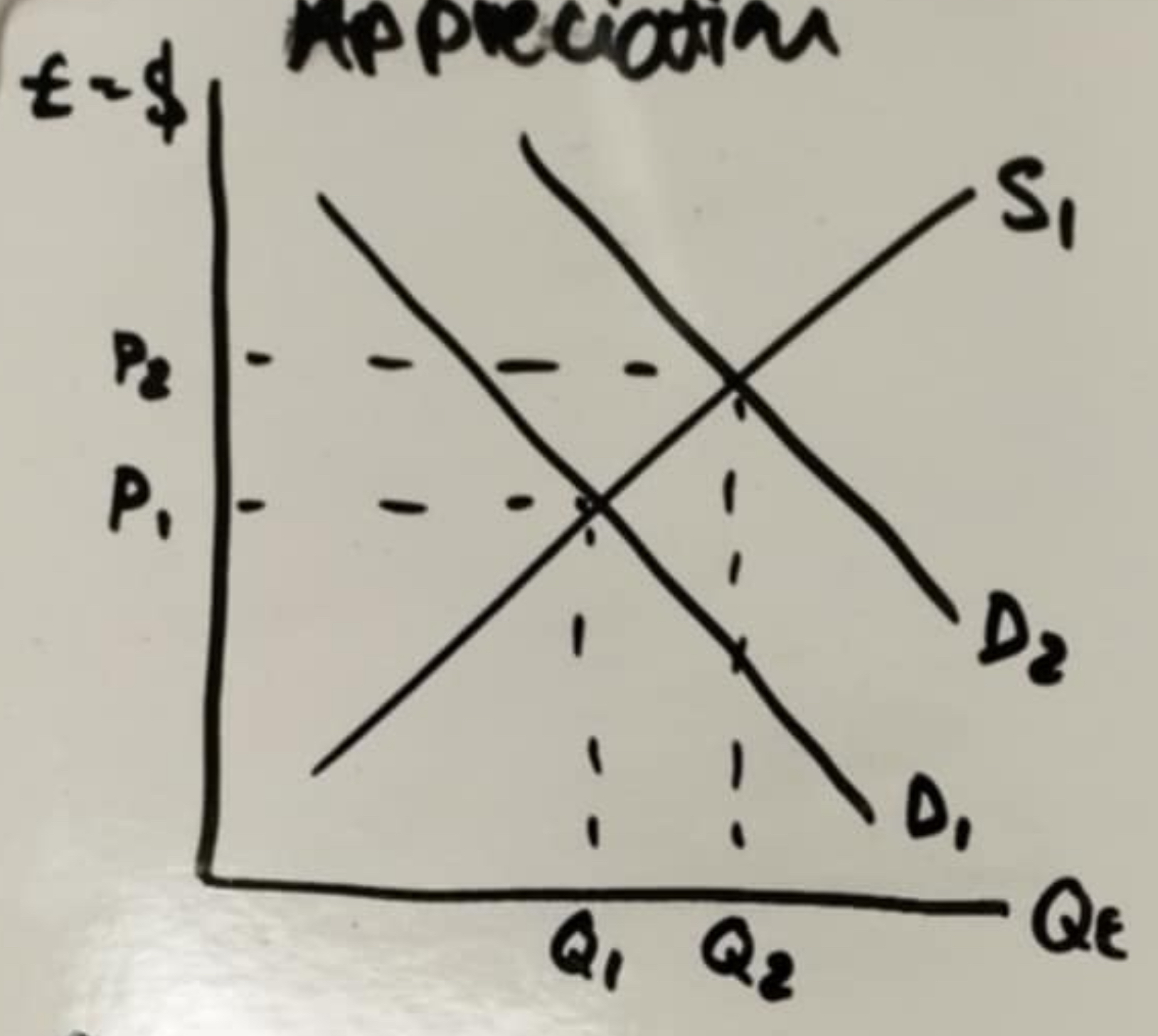
Demand may shift outward because:
Increase in relative interest rates - this means that there are higher returns on savings in the UK, therefore, other countries sll their currency in exchange for pounds so the demand for pounds increases.
Speculators anticipate an increase in the value of the pound - people see higher returns from the pound, therefore, they move their money into the pound so demand increases.
Increase in FDI - i.e. MNCs placing their firms into a country and transactions for set-up costs cause upward demand for the pound.
Increases in incomes abroad - increase in disposable incomes abroad, increase in exports and an increase in demand for the pound as they exchange money to pay for imports.
Increase in competitiveness - unit labour costs decrease, inflation decreases, investment increases and firms perform better.
Reasons for depreciation in the exchange rate
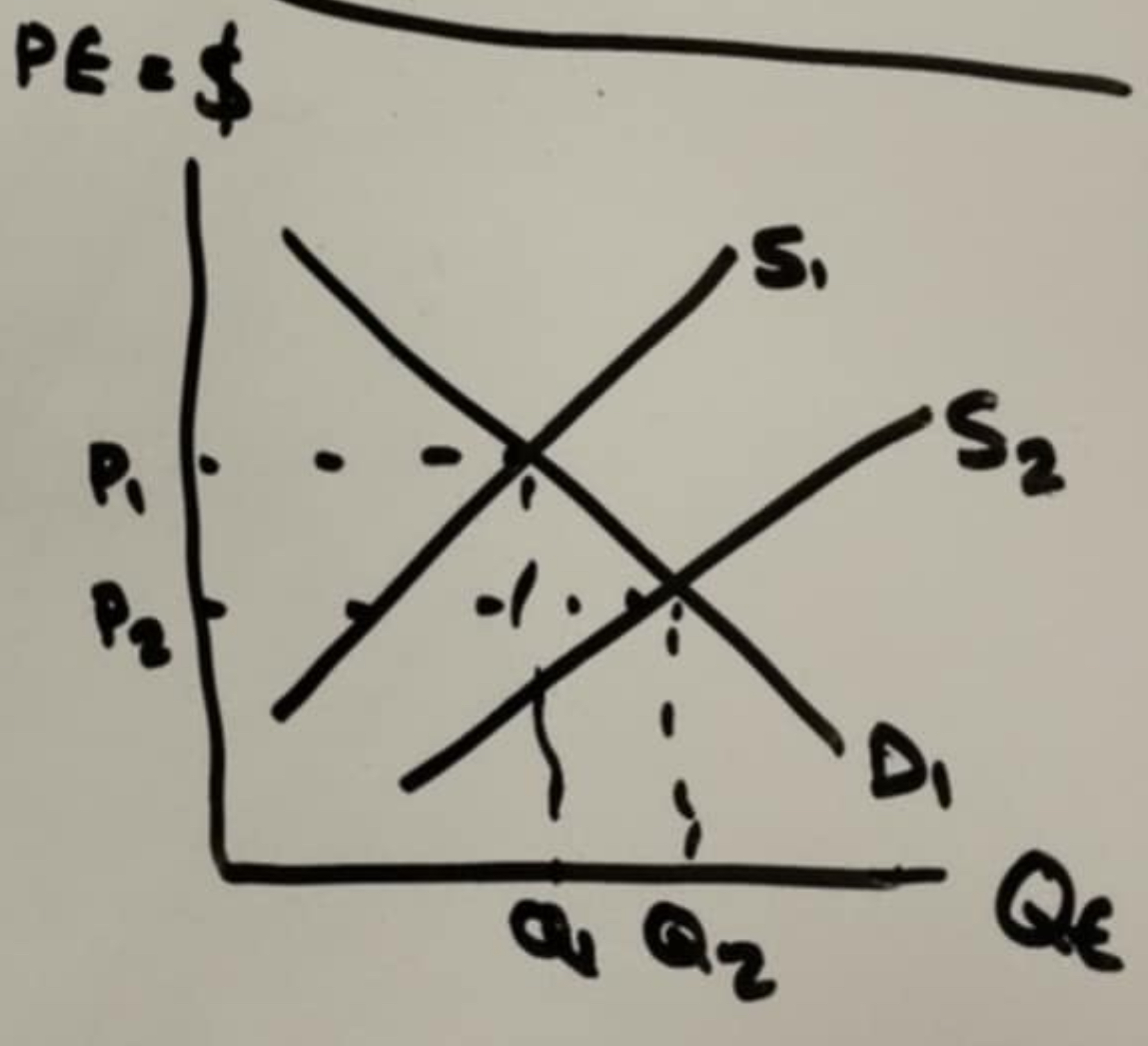
Supply may shift outward because:
Decrease in the interest rate - fewer returns on savings, so people will sell their pounds so they can exchange it for a currency in a nation with a higher exchange rate.
MNCs moving away from the UK
Speculators anticipate a fall in the £ - less profitable, so investors take their money out of the pound
Increase in domestic demand - increase in disposable income, individuals have more money to spend on imports, more pounds supplied to exchange for foreign currency.
Impact of Appreciation of the Exchange Rate
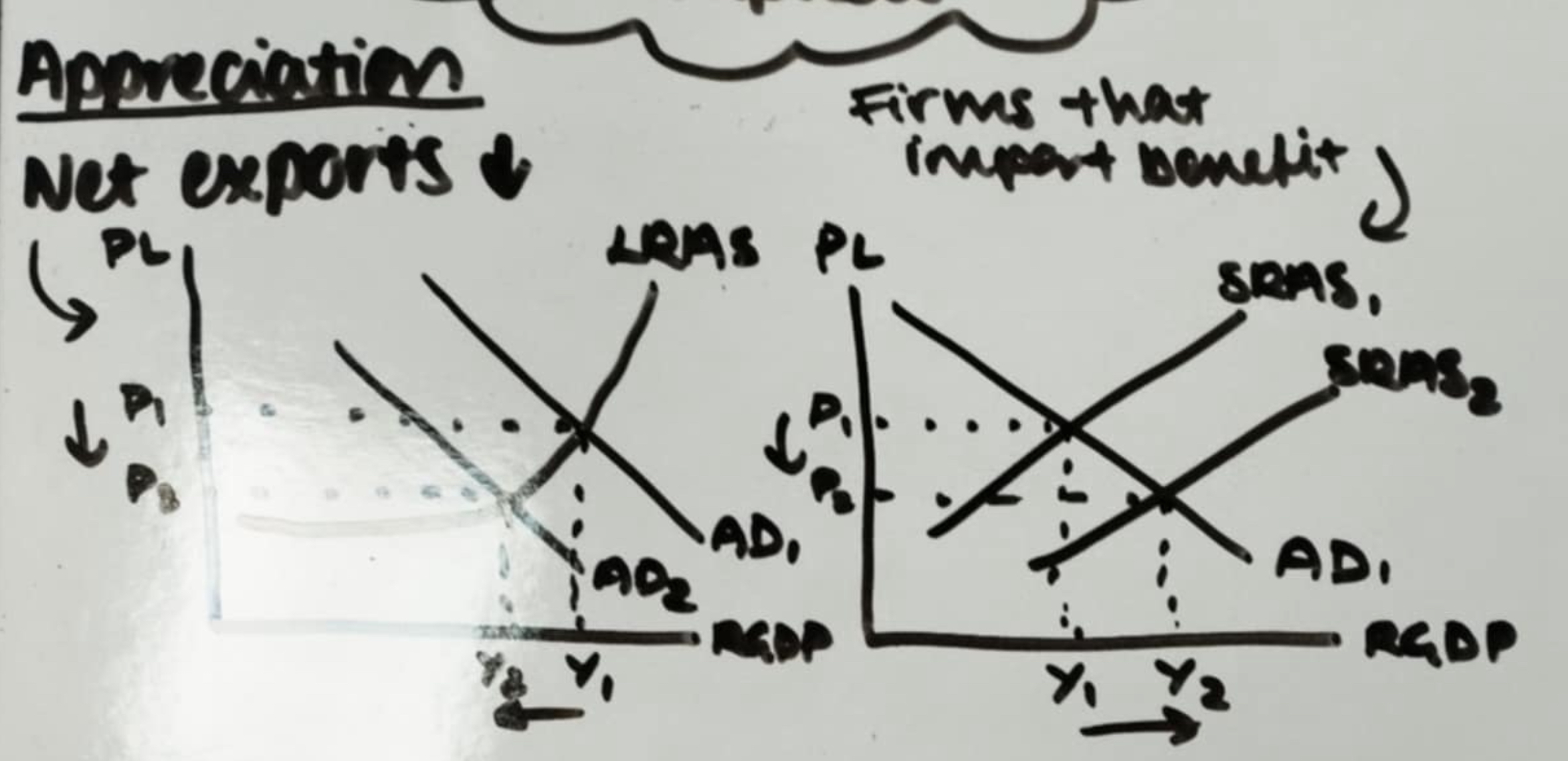
Lower growth - appreciation means that exports fall as they become more expensive, this causes a fall in domestic AD, as a reult growth falls and there is a current account deficit.