EC&M Study Notes -Science Year 8
Checklist:
structure of an atom
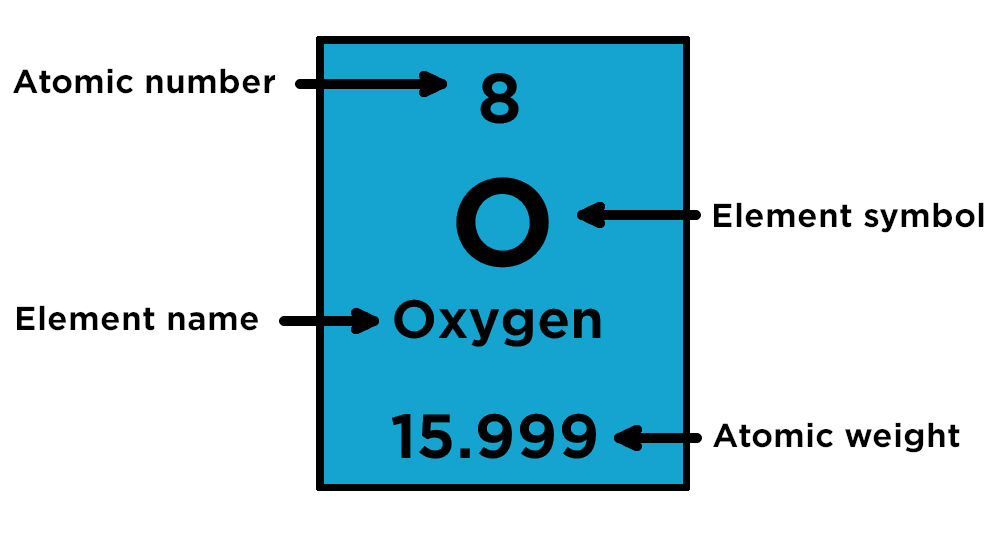
how to read the periodic table
history of element names (unusual ones)
definitions of elements, compounds & mixtures
representing elements, compounds and mixtures with diagrams
common examples of elements & compounds
the carbon cycle
Structure of an Atom

Element Symbol Diagram
What is the periodic table?
The periodic table is a table that lists all known elements.
In the periodic table, groups refer to the vertical columns and periods refer to the horizontal rows.
The last group in the periodic table contains elements that are inert. This group is known as the noble gas group, and contains elements such as helium, neon and argon.
Definitions:
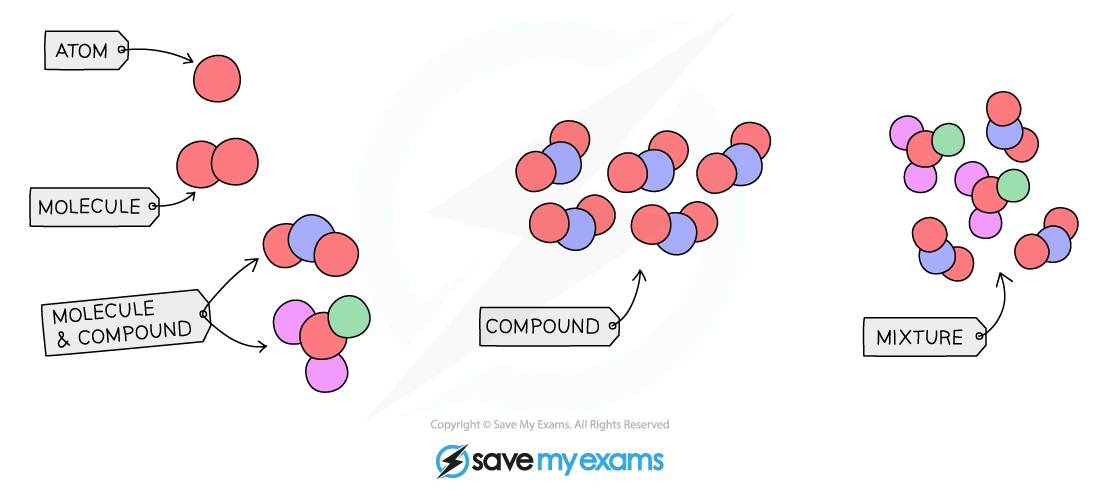
Elements: A substance made up of only one type of atom.
Compounds: A substance made up of two or more elements chemically bonded.
Mixtures: A physical combination of two or more elements that are not chemically joined.
Molecules: Atoms chemically joined together.
ECMM Diagram
Unique Elements: Elements which have a greek/latin name
sodium = Na (natrium)
mercury = Hg (hydro argyros)
lead = Pb (plumbum)
iron = Fe (ferrum)
silver = Ag (argentum)
Element examples: oxygen (O), hydrogen (H), gold (Au), silicon (Si)
Compound examples: water (H20), carbon dioxide (CO2), methane (CH4)
The Carbon Cycle
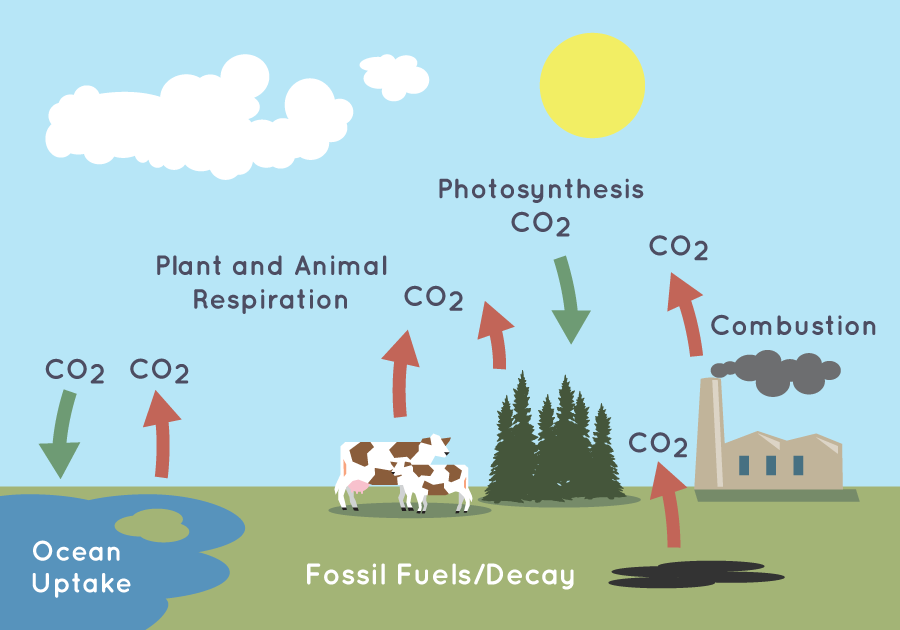
Plants, animals and burned fossil fuels release carbon dioxide.
Plants release oxygen and absorb carbon during the day.
Animals absorb carbon when they eat plants.