civics media
CE.9a – Role and Rights of the Press in Reporting Events
a) explain the role and rights of the press in reporting events
Freedom of the Press means the government cannot control what the media publishes or broadcasts. This is protected by the First Amendment to the U.S. Constitution.
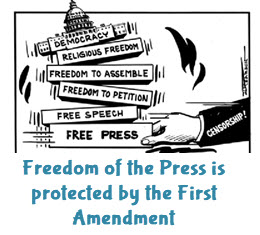
The press includes newspapers, TV, radio, online news sites, and blogs.
A free press is essential to democracy because it:
Informs citizens about events and issues.
Investigates and reports on government actions.
Provides a platform for different viewpoints.
Holds leaders accountable
Example: Investigative journalists exposing corruption, such as in the Watergate scandal, which led to President Nixon’s resignation.
CE.9b – Effect of Biased Reporting on Public Opinion
b) describe the effect biased reporting can have on public opinion
The media informs policymakers and influences public policy.
Media bias occurs when a news outlet presents information in a way that favors one perspective over another.
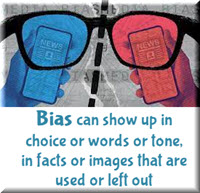
Bias can show up in:
The choice of words or tone.
Which facts are included or left out.
The images used.
Impact: Biased reporting can:
Influence how people view events or candidates.
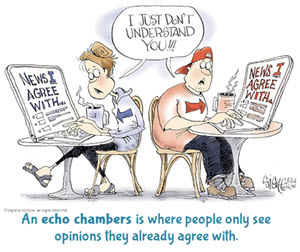
Cause group polarization (people only listening to sources that agree with them).
Reduce tolerance for different viewpoints.
Example: Two news channels covering the same protest might portray it either as peaceful civic action or as disorderly, depending on their perspective.
CE.9c – Role of Individuals in Policy-Making Through Media
c) explain the role that individuals play in the political policy-making process by expressing their opinions formally or informally via print media, electronic media, or in-person
Citizens can influence government policy by sharing their opinions:
Print media – Letters to the editor in newspapers or magazines.
Electronic media – Emails to officials, online petitions, opinion pieces.
In-person – Speaking at public meetings, rallies, or community forums.
Social media – Posting about issues, using hashtags to raise awareness.
Example: Social media campaigns like #MeToo brought national attention to harassment and influenced workplace policy changes.
CE.9d – Effect of Social Media on Campaigns, Politics, and Civic Discourse
d) evaluate the effect of social media on political campaigns, politics, and civic discourse
Social media platforms like Instagram, TikTok, X (Twitter), and Facebook have transformed politics by:
Allowing candidates to reach votersinstantly.
Giving citizens a voice to share opinions widely.
Enabling grassroots fundraising and organizing.
Positive effects:
Quick spread of information.
Encourages participation from younger voters.
Negative effects:
Spread of misinformation.
Heated or disrespectful online debates (poor civic discourse).
Echo chambers, where people only see opinions they already agree with.
CE.9e – Identifying Sources and Possible Bias
e) identify the source of information and considering possible motivations or biases of its creator
Check who created it – Is it a journalist, organization, political group?
Ask why it was created – To inform? Persuade? Sell something?
Look for loaded language or selective facts.
Consider funding sources – Who supports the platform or person?
Example: A climate change article from a scientific journal is likely more fact-based than one funded by a fossil fuel company.
CE.9f – Evaluating Multiple Sources
f) evaluate multiple sources describing the same event or idea and reflecting on the reasons for any discrepancies
When different sources describe the same event, details can vary because of:
Different eyewitness perspectives.
Intentional focus on certain facts.
Time constraints in reporting.
Bias or editorial decisions.
Best practice for informed citizens:
Compare multiple credible sources.
Look for common facts across reports.
Think critically about why differences exist.
Big Picture: A free and responsible media is crucial for:
Holding leaders accountable.
Providing accurate, diverse perspectives.
Helping citizens make informed decisions.