Modern American Drama
Modernism in America
Like the English, Americans during the early 1900s struggled with feelings of disillusionment, confusion, and anger at the world. Many American artists moved to Paris in an attempt to leave behind the difficulties of America. American writers Gertrude Stein and Earnest Hemingway described their peers as "the Lost Generation." After experiencing World War I, the Spanish Flu Pandemic, and the Great Depression, these artists struggled to grapple with the reality of World War II and its effect on the generation under them.
As a result, American literature and art from the Modern period carry a similar lost and wandering feeling to European literature.
Modern literature focuses on innovation and exploring new forms while discussing social ideas such as race, social class, and the psychological distress leftover from the war.
Simultaneously, the Harlem Renaissance movement in New York popularized African-American artists and writers, adding new and diverse voices to the conversations about society.
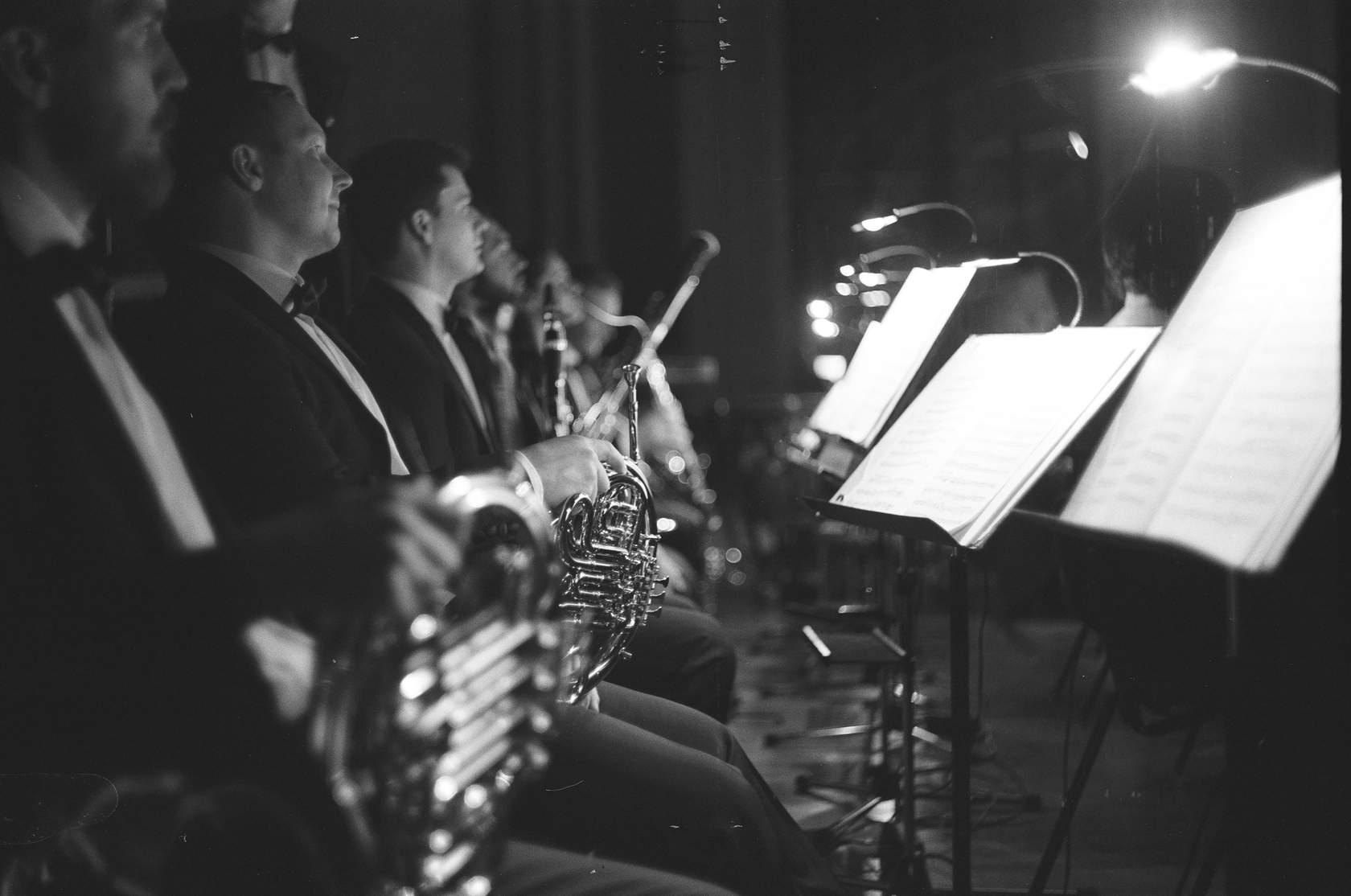
A pit orchestra prepares to play music for a show.
American Drama
American theater has always been influenced by British theater, with professional theater productions beginning in Williamsburg, Virginia, as early as 1752 by a British theater company. Most early plays written and produced in America came from European playwrights or featured political satire surrounding the Revolutionary War.
Throughout the 1800s, American theater typically did not have a good reputation, especially with a religious crowd, as it was seen as something common and bawdy. However, it became more popular after the Civil War, and several theater companies were founded.
In the late 1800s, many European influences led to the development of the American Musical. A musical is a stage play that uses song and dance to tell a story. The play might contain a few songs or be entirely sung, but the music drives the story, reveals the characters' inner thoughts, and provides an auditory theme for the show. British theater musicals and cultural influences from immigrants led to the rise of this type of play in America. Shows from the 1900s, such as Oklahoma! and Show Boat, are still performed today. American theater became known for its large-scale musicals, which typically included a sweeping romance and large-scale dance numbers. Most of these shows open on "Broadway," a term that refers to the street where many theaters are located in New York City. However, not every contemporary theater is on Broadway anymore; the term still symbolizes American theater.
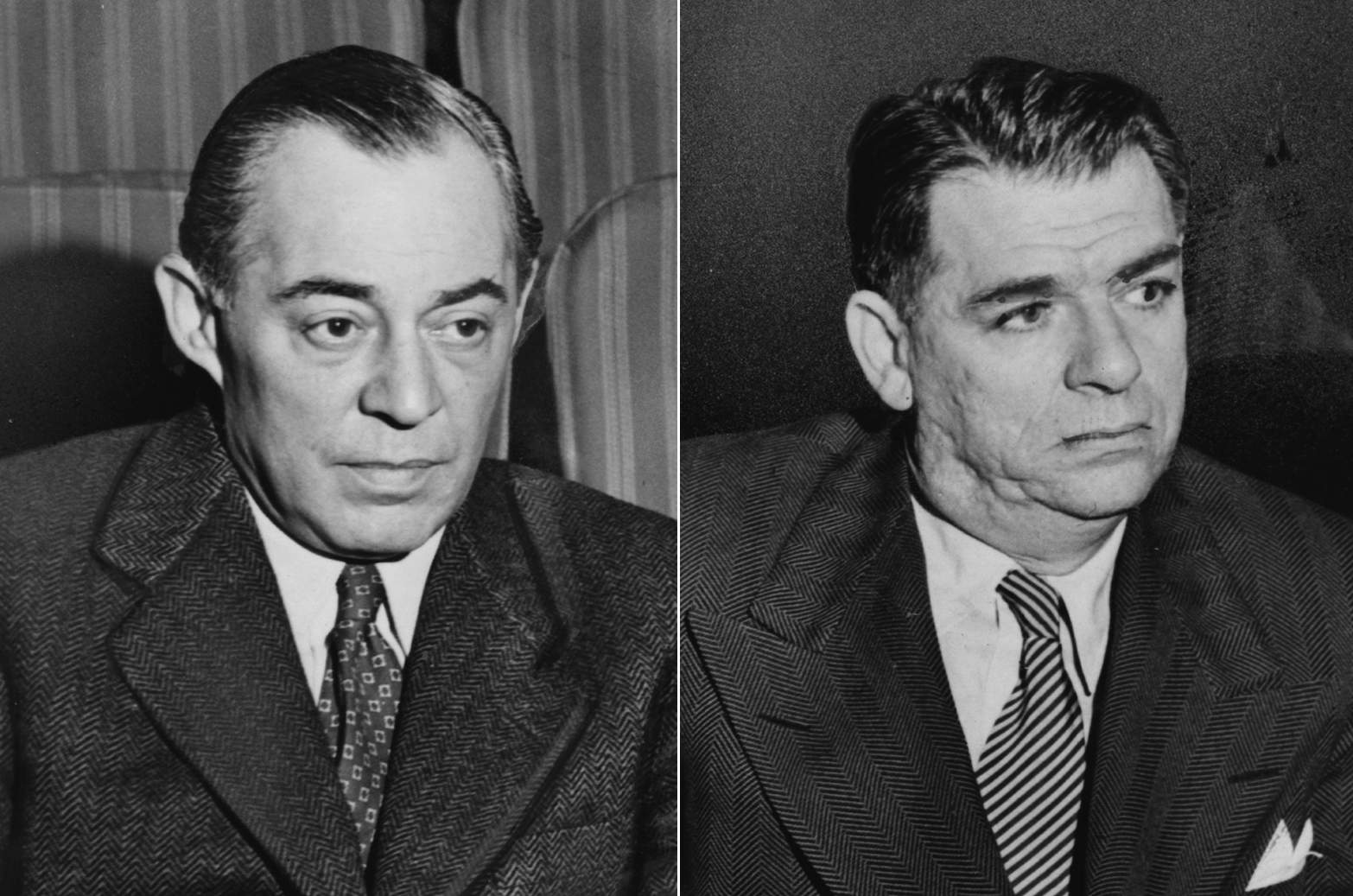
Rogers & Hammerstein are responsible for the creation of 12 Broadway musicals, 6 of which were turned into well-acclaimed movies, like The Sound of Music.
Modern Drama
Drama from the Modern era highlights the diverse cultures in America at the time. While large-scale musicals were popular, "drawing room dramas" similar to the ones Shaw was inspired by were also popular. Many Modern plays focused on social issues, such as Lorainne Hanberry's A Raisin in the Sun (1959), which deals with an African American family facing housing discrimination, and Tennessee William's The Glass Menagerie, which examines topics such as poverty in the South and mental illness.
American musicals changed during the Modern period, too. Musicals began including these real-world topics and moved away from always having a happy ending. For example, West Side Story looks at the effects of immigration, racism, and poverty in New York in the 1950s and how these factors negatively impact lives. Many musicals struck a balance between joyful dance and song numbers and serious intimate moments, such as South Pacific, which tells the story of men and women deployed in Japan during WWII.
As you read about the American re-telling of Pygmalion called My Fair Lady, look for examples of how the play reflects American culture and the Modern spirit.