Volcanoes
How volcanoes are formed
- Two plates collide or separate
- Magma rises from the mantle to the vent
- This is called an eruption
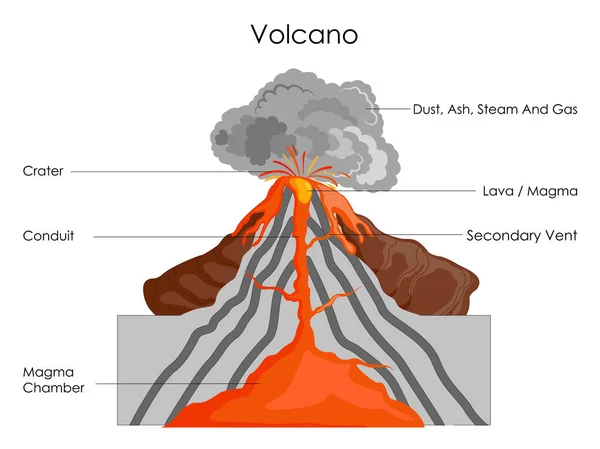
- Magma wells from the magma chamber and reaches the surface where it cools and hardens.
- This is known as lava.
- After many eruptions, layers of lava and ash build up around the vent.
- As a result, a cone-shaped mountain is formed with a crater on top from which the lava flows.
Types of volcano
Active - Erupted in the past 10,000 years. (Mt. Helen's, USA)
Dormant - Has not erupted in the past 10,000 years but may erupt again. (Kilimanjaro, Tanzania)
Extinct - Never expected to erupt again. (Mount Kenya, Kenya)
Case Study
Iceland - E15 (Eyjafjallajokull)
· 14 April 2010
· Very little lava
· Huge amounts of ash
· Blown south-easterly towards Europe
· 3-4 on VEI scale
Economic Impacts
Positive
· Visitor centre built, generating income for local community.
· Fertile soil
Negative
· 100,000 European flights cancelled over 8 days
· Cost airlines 145 million per day
· Loss of earnings
Social impacts
Positive
· Tourism
· Employment
· 2008: 500,000 visitors
· 2016: 1.8 million
Negative
· Contaminated water supply
· Evacuation of locals