Plasmids and Gene Cloning
Basic Concepts
Bacterium: A prokaryotic microorganism commonly used in genetic engineering and molecular cloning.
Bacterial Chromosome: The main genetic material, typically circular and not surrounded by a nuclear membrane.
Plasmid: A small, circular DNA molecule that can replicate independently of the chromosomal DNA in bacteria, generally ranging from 1-20 kb in size.
Gene Cloning Steps
Gene cloning is a method to create multiple identical copies of a specific gene or DNA fragment through several essential steps:
Generation of DNA Fragments: Isolation of the desired sequence from the source DNA.
Selection of Required Sequence: Choosing the DNA fragment that is to be cloned.
Joining to a Vector or Carrier Molecule: The DNA fragment is inserted into a plasmid or another vector that will help transport the DNA into host cells.
Introduction into a Host Cell for Amplification: Transforming bacterial cells with the recombinant DNA for replication.
Gene Cloning: The process culminates in the creation of many clones of a specific DNA fragment within the host organism.
Construction of the recombinant DNA molecule
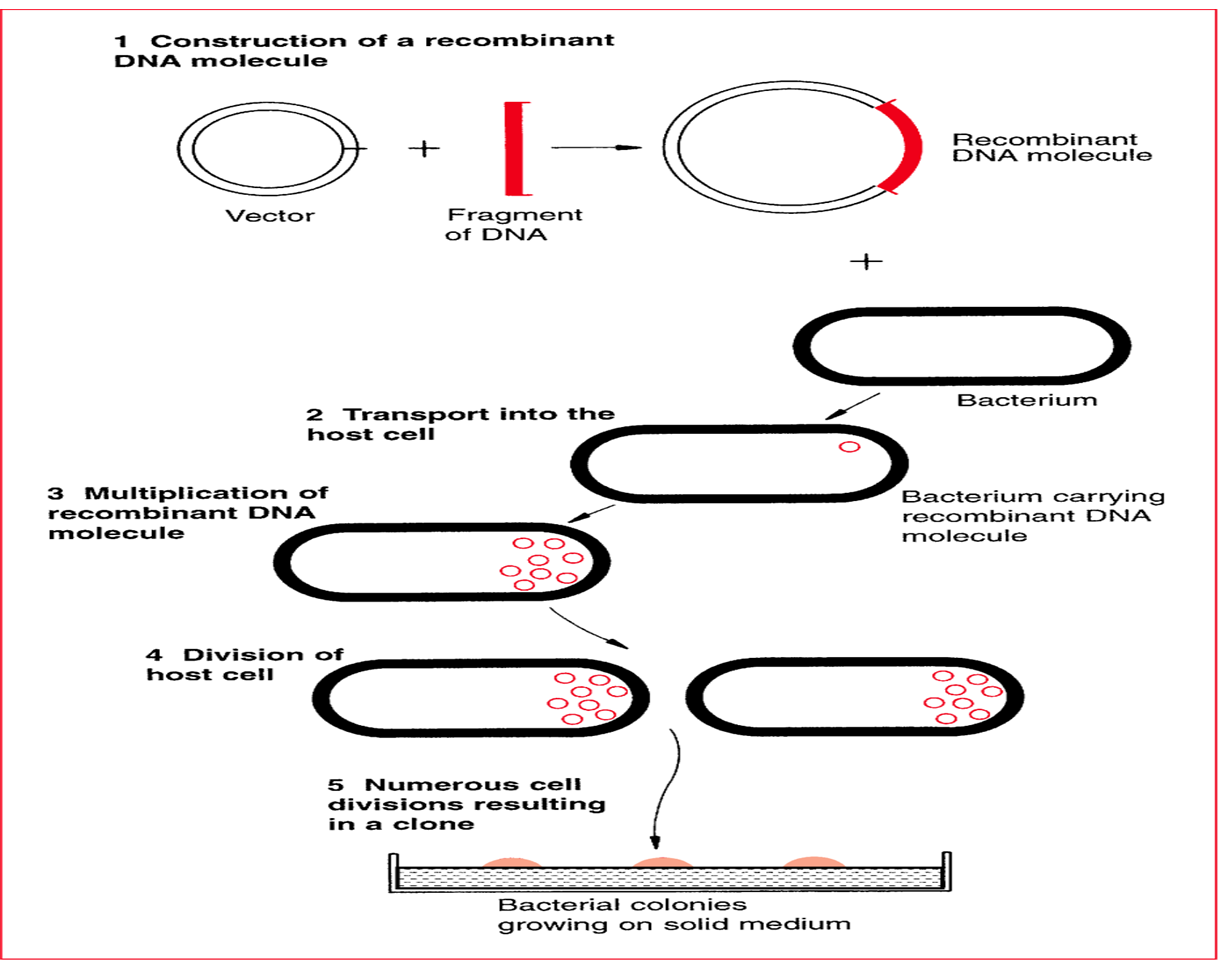
Construction of a Recombinant DNA Molecule: The vector and DNA fragment are ligated together.
Transport into the Host Cell: The recombinant DNA is introduced into bacterial host cells, often via transformation methods.
Multiplication of Recombinant DNA Molecule: The host cells replicate the recombinant DNA as their own.
Division of Host Cell: As the bacteria divide, they carry the recombinant DNA into the daughter cells.
Numerous Cell Divisions Resulting in a Clone: Resulting bacterial colonies on solid media consist of genetically identical cells containing the cloned DNA.
Importance of Gene Cloning
Obtaining Pure Copies: Researchers can obtain a pure copy of a single DNA fragment and 'immortalize' it for future study. Less prone to error.
Fundamental Science: It's essential for studying gene function, enabling investigations using expression vectors. also producing mRNA.
Isolation of DNA: It allows for the isolation of specific DNA pieces from complex mixtures, critical for genetic studies.
Selection Strategies in Gene Cloning
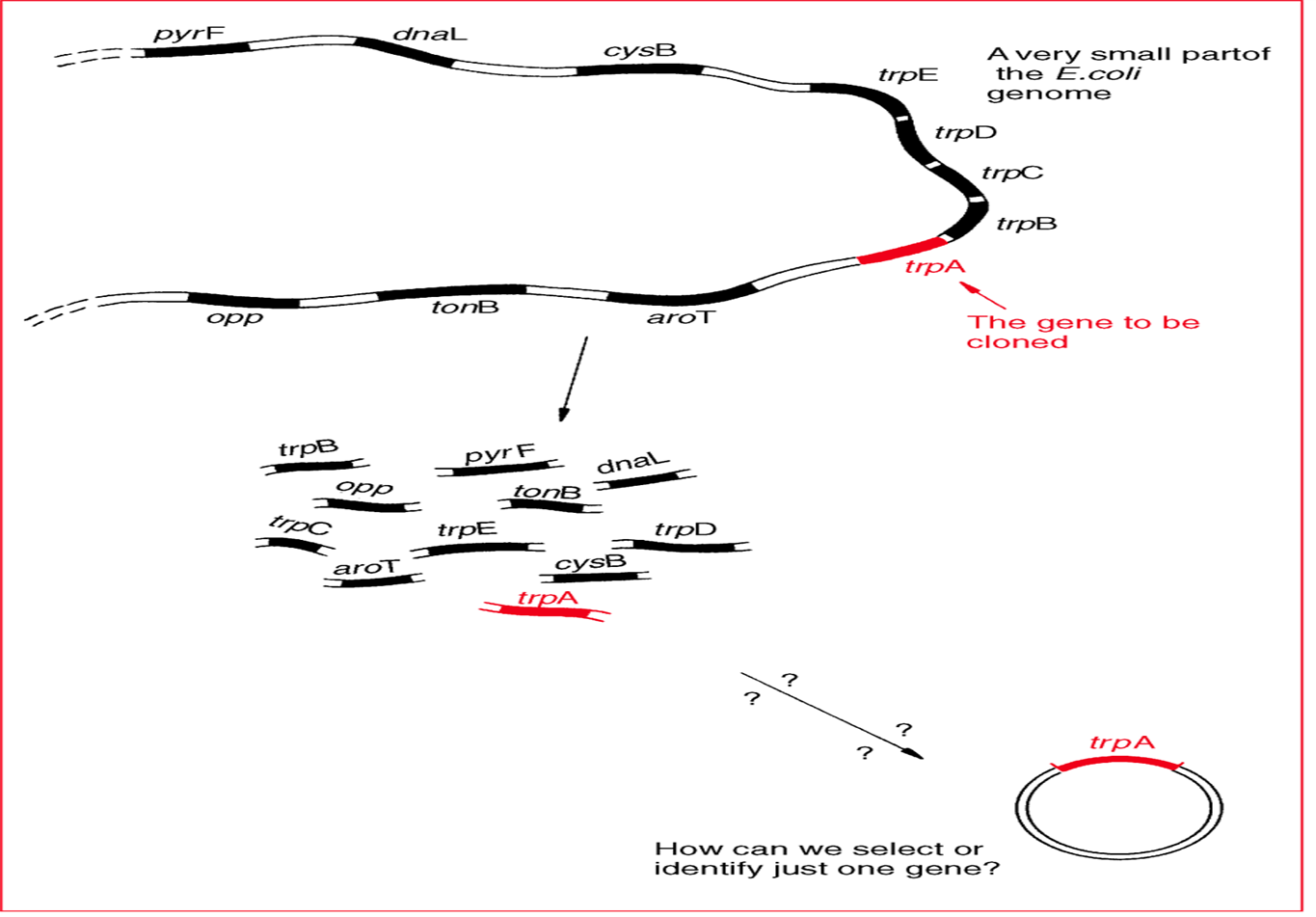
Effective identification of the desired gene from a library is crucial
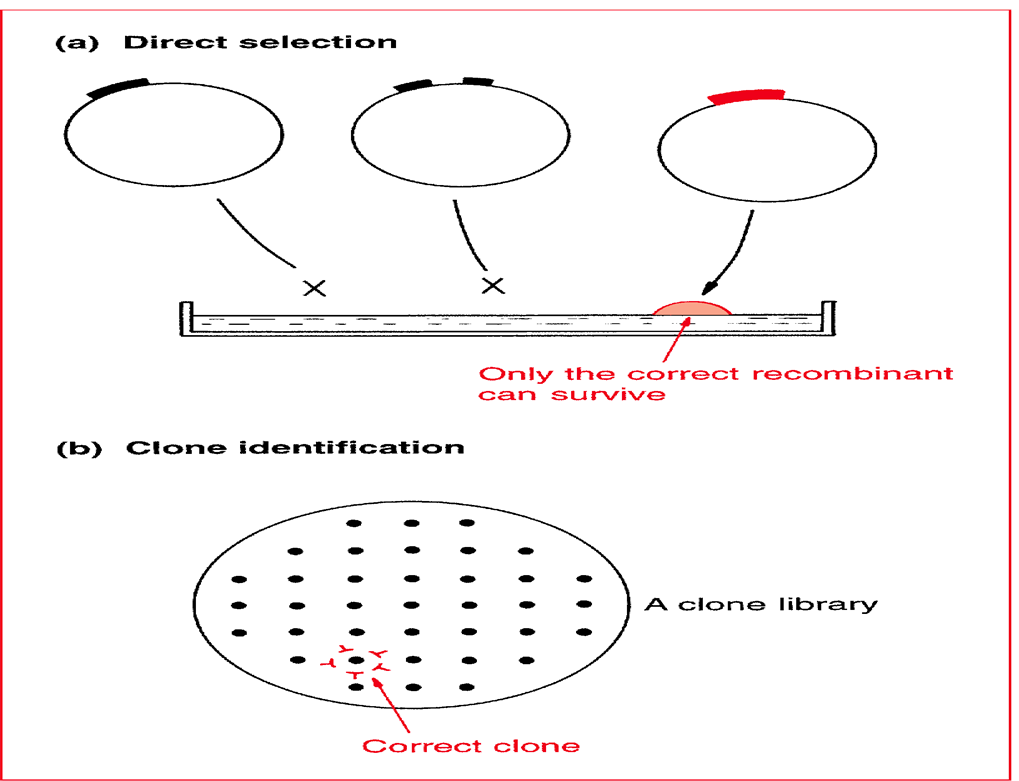
Direct Selection for the Desired Gene: Selecting clones that express the target gene directly.
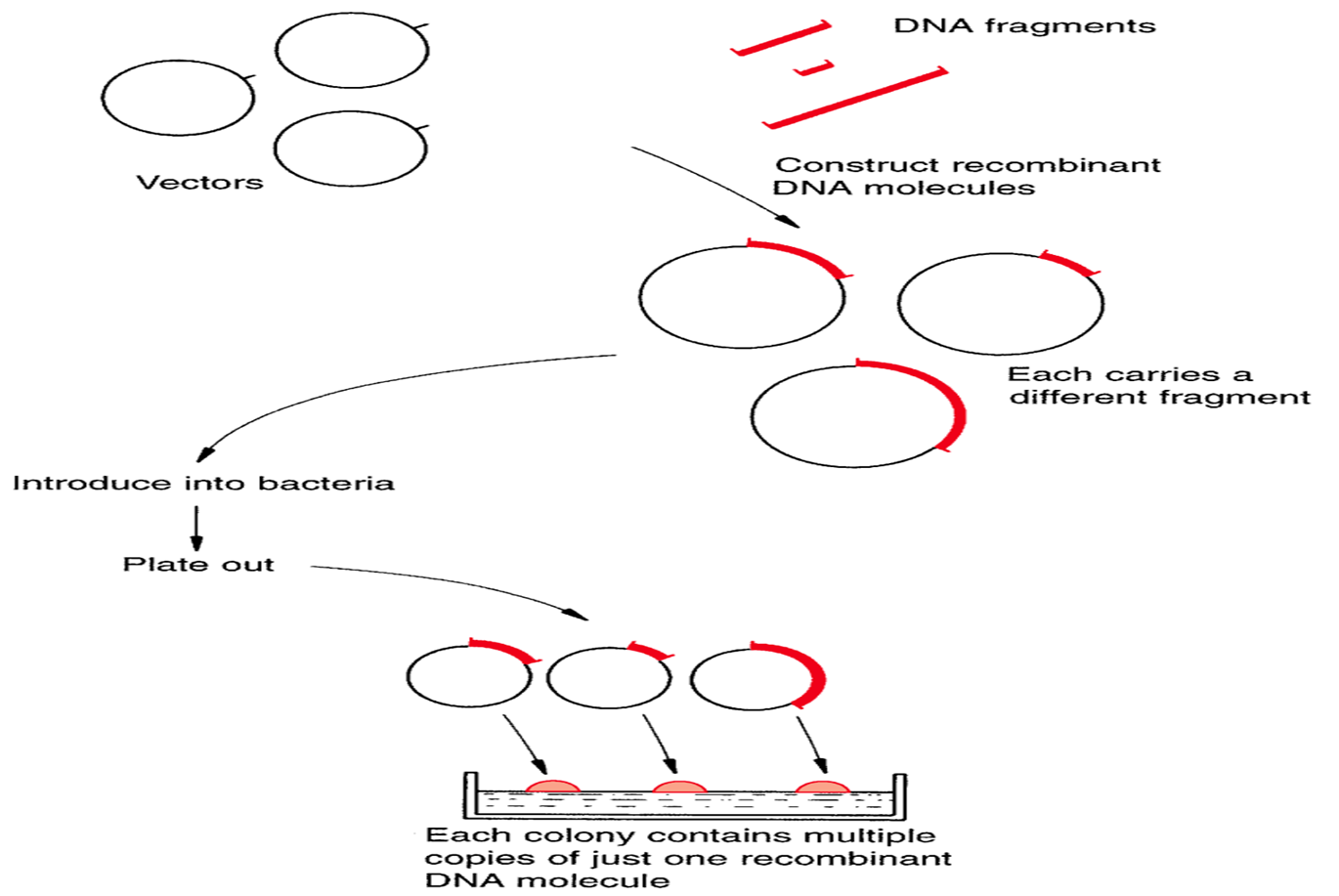
Identification of the Clone from a Gene Library: Utilizing methods to identify clones harboring the gene of interest.
Target Amplification
Target amplification techniques like the Polymerase Chain Reaction (PCR) enhance gene cloning ability by producing millions of copies of a specific DNA sequence efficiently.
Major Groups of Host Cells
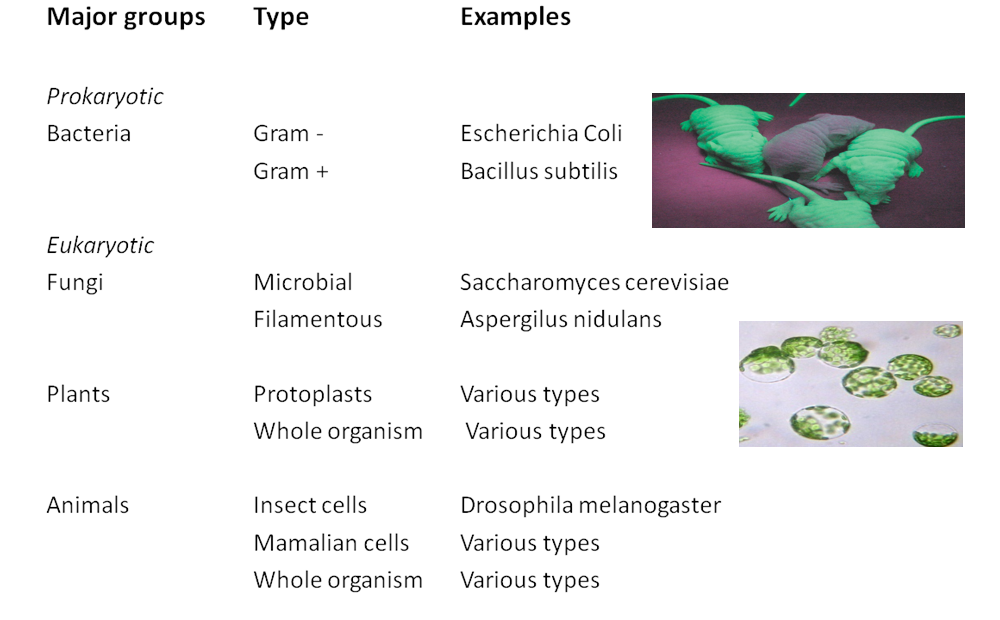
Cloning Vectors
The choice of cloning vectors is critical in gene cloning. Vectors are categorized based on their use and specific features:
Vectors for Prokaryotic Cells
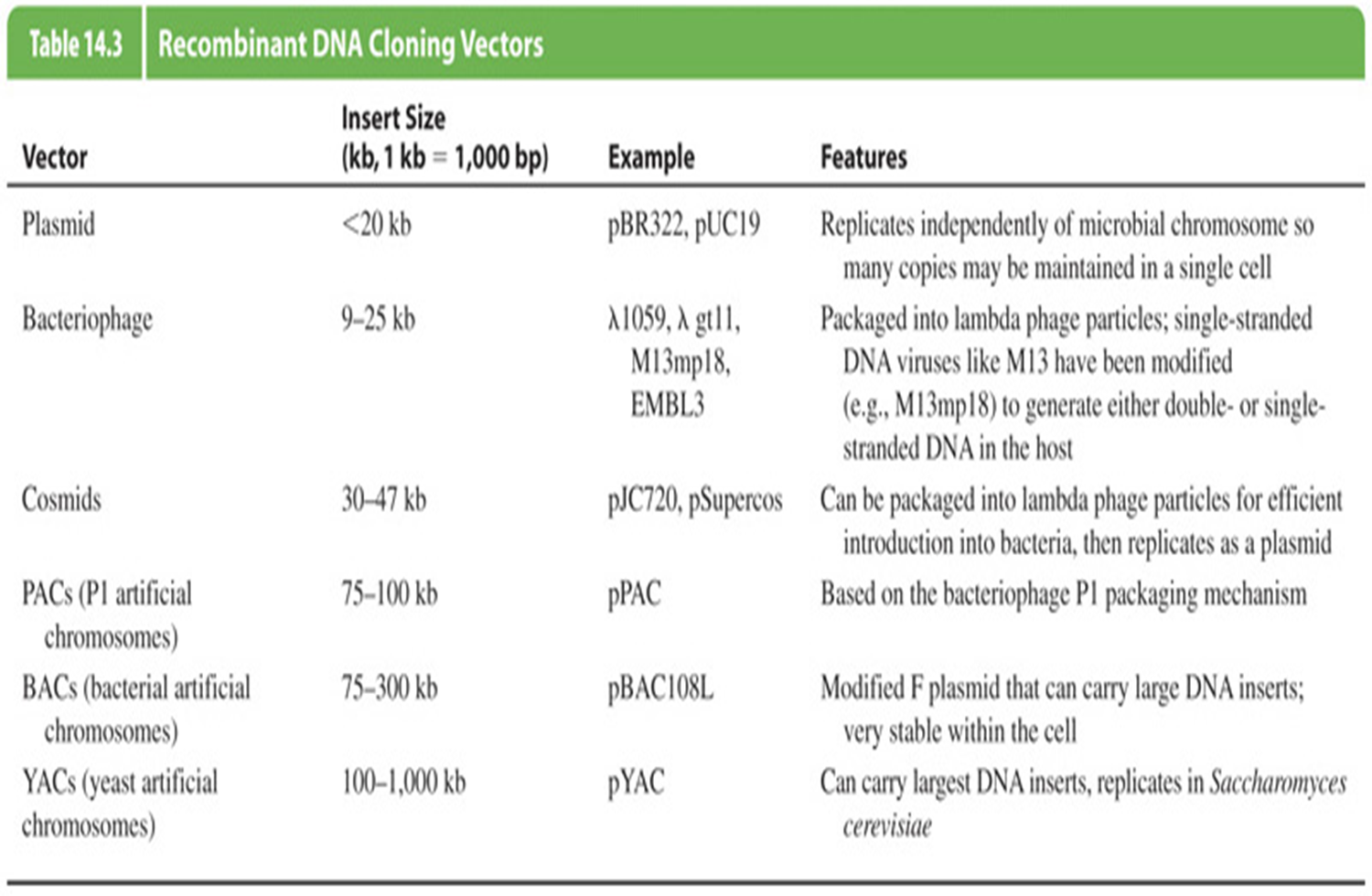
Essential Features of Cloning Vectors
Every cloning vector must comprise certain essential features:
Origin of Replication: Allows the vector to replicate within the host.
Selectable Marker: Typically an antibiotic resistance gene that enables the identification of cells that have successfully taken up the vector.
Multicloning Site (Polylinker): A region compatible with multiple restriction enzymes for easy insertion of DNA fragments.
May include conditional markers for recombinant screening and sequences for promoter/terminator for gene expression.
Key Factors in Gene Cloning
Considerations must be taken into account during gene cloning:
Source of DNA: Must be free from contaminants.
Physical State of DNA: Whether DNA is sheared or intact.
Genomic/Plastid DNA or cDNA: The form of DNA affects cloning strategies.
Sizes of Restricted Fragments: Must be optimally sized for the vector.
Directional Cloning Requirements: Some applications may require specific directional inserts.
Maximizing Insertion Frequency: Achieving high integration rates of target DNA.
Choice of Vector: Depends on whether the aim is cloning, or gene expression is required.
Host Restriction Modification System: Understanding the host's defence mechanisms against foreign DNA.
Selection of Recombinants: Techniques such as insertional inactivation, drug resistance screening, or colorimetric assays (e.g., X-gal screening).
Process of Ligation
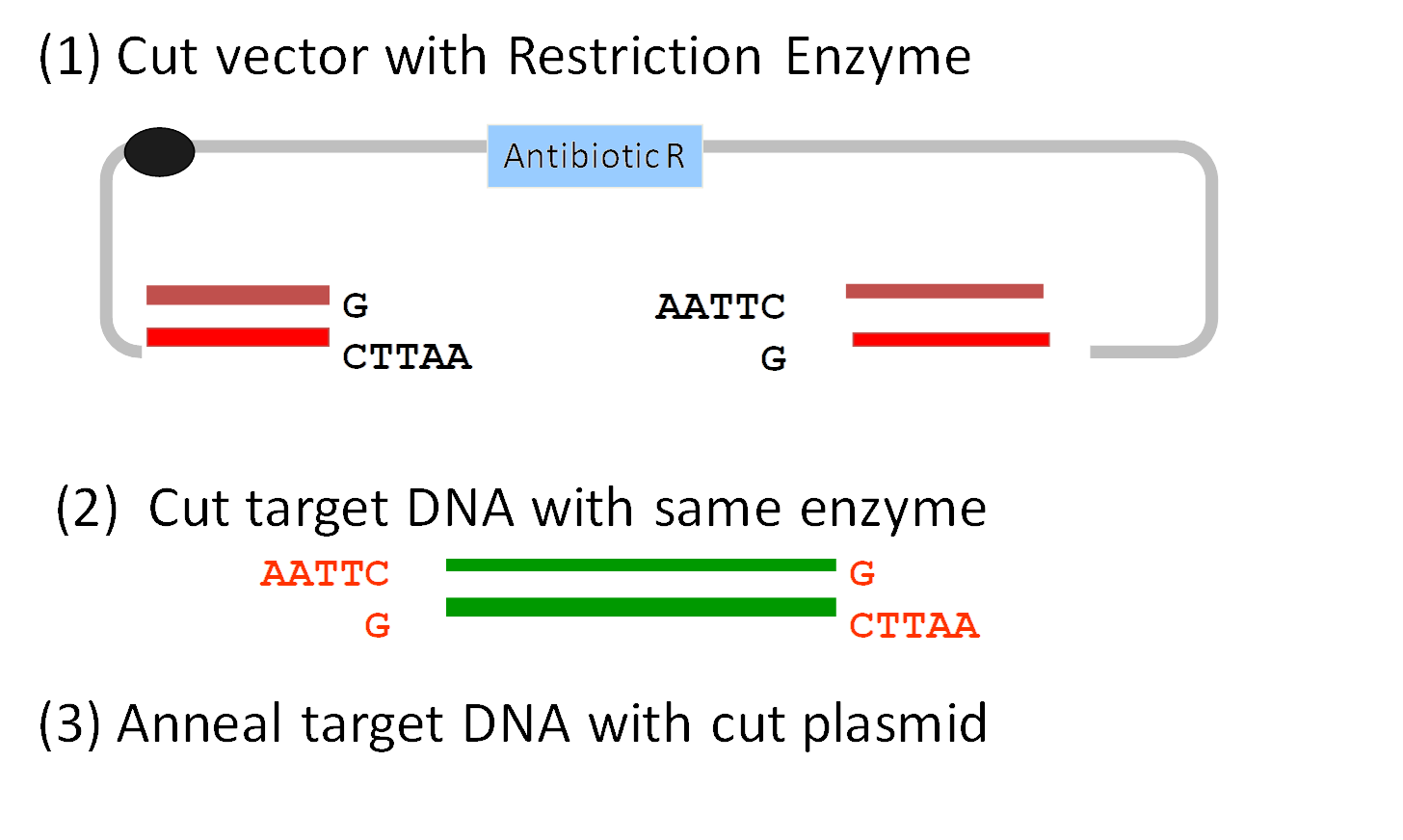
Cohesive (‘Sticky’) Ends: DNA fragments cut with the same restriction enzyme produce complementary overhangs that facilitate the ligation process:
Transform plasmid and target DNA using the same restriction enzyme to create matching ends.
Allow annealing of the fragments.
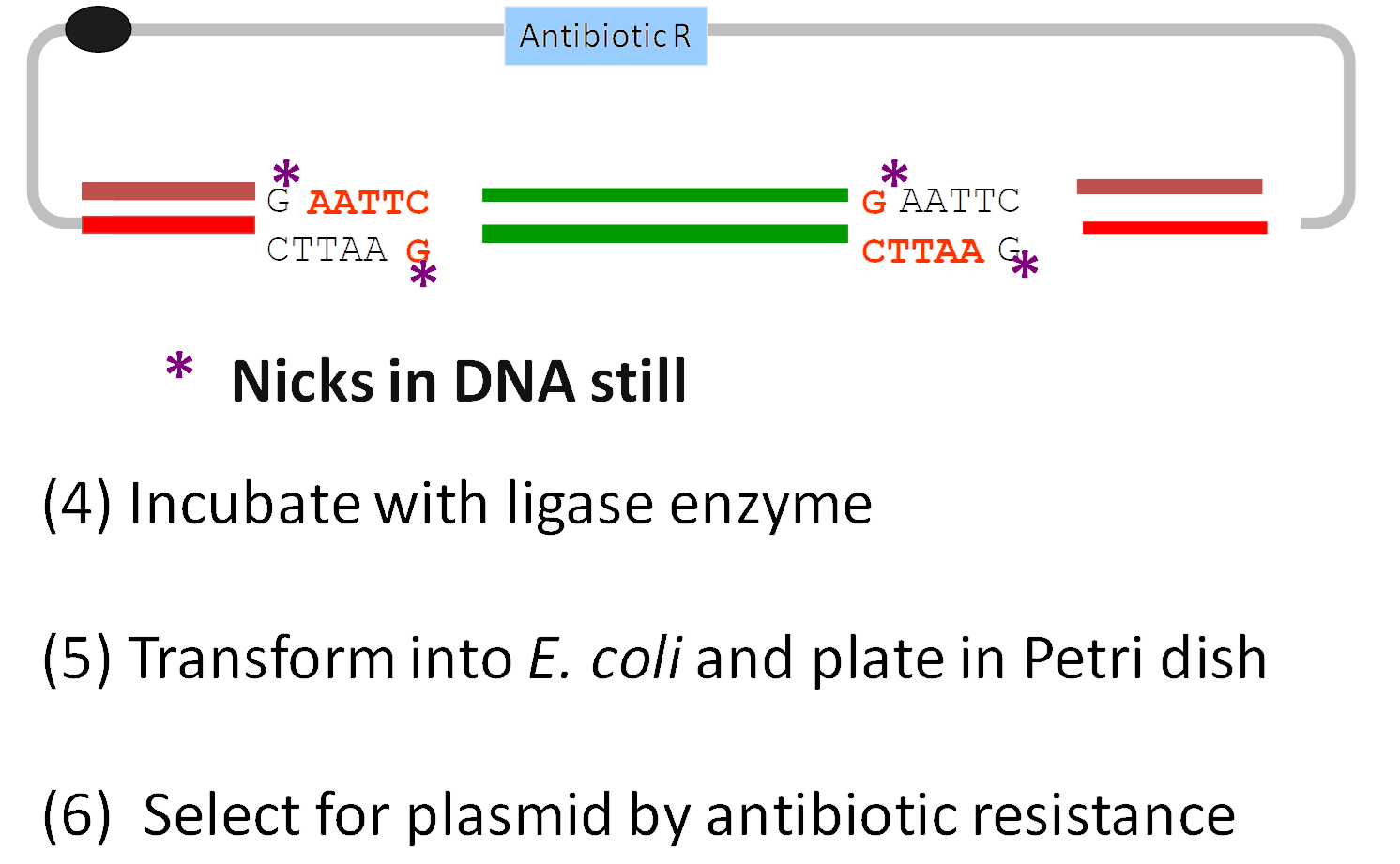
Incubate with Ligase Enzyme: This enzyme catalyses the formation of covalent bonds between DNA fragments.
Transform into E. coli: The resultant plasmid can be introduced into host bacteria for selection on selective media.
Cloning DNA with cohesive ends
Considerations for Efficient Cloning
High cancer of self-cyclization during transformation must be avoided to ensure most cells contain the vector of interest.
Maintain a balance between high concentrations of both vector and insert DNA to improve ligation efficiency, ideally at a molar ratio of 2:1 for target to vector DNA.
Challenges in DNA Cloning
Using blunt-end cloning methods is often inefficient and threatens the control of insert orientation.
Adding restriction sites via linkers/adaptors can overcome this issue, but may also introduce complications like self-annealing which could inhibit proper ligation.
Examples of Cloning Techniques
T/A Cloning: Adding A overhangs to blunt-ended DNA targets.
Modified Primers in PCR: Allowing the addition of restriction sites to the 5' end of primers for subsequent cloning.
Plasmids as Cloning Vectors
Plasmids are advantageous for cloning for multiple reasons:
Easy transformation into bacterial hosts.
Frequently present at high copy numbers, facilitating yield.
Simple extraction and purification processes.
Attributes of Modern Plasmid Vectors
Plasmid vectors incorporate:
An origin of replication.
A selectable marker (like antibiotic resistance).
A marker for non-recombinants, such as the lacZ gene for blue/white screening of colonies.
Screening Transformants
To identify transformed cells, different screening methods are implemented:
Antibiotic Screening: Only cells containing the plasmid can survive in antibiotic-laden media.
X-gal Screening (Blue/White Screening): Utilizes the lacZ gene, where successful recombinants will appear white due to disruption of β-galactosidase production, while non-recombinants produce blue colonies via X-gal hydrolysis.
By understanding the mechanisms of plasmids and gene cloning, researchers can effectively manipulate genetic material for a variety of scientific applications, from basic research to therapeutic interventions.