Yr 10 Electricity- test note
Charge of an object is a result of electron transfer
Atoms are made of protons, neutrons, and electrons.
Protons don’t move, but electrons can move from one object to another.
Protons are inside the nucleus. Electrons are outside, so it can move.
When electrons are transferred, the object becomes charged.
Gain electrons → object becomes negatively charged
Lose electrons → objects become positively charged.
Examples:
Rubbing a balloon on your hair causes electrons to move from your hair to the ballon.
The balloon becomes negatively charged.
Your hair becomes positively charged.
Define current as a flow of charge
Notes:
Electric current is the flow of electric charge through a material (usually a wire)
Electrical current measures how many electrons are flowing in a circuit per second.
Measured using an instrument called Ammeter ( which is always placed in series with the circuit.
This charge is carried by electrons, which move through the circuit.
Current is the rate at which charge flows past a point in a circuit.
The unit for current is called an amperes.
Know that materials that do not allow charge to flow are called insulators
Notes:
Insulators are materials that do not allow electric charge to flow easily.
This is because their electrons are tightly bound and cannot move freely.
Insulators can stop us from getting electrocuted and are very often for this purpose (due to the water stored in the human body.)
Examples:
Electricians often use tools with plastic coated handles because plastic is a good insulator.
Plastic
Rubber
Glass
Wood
Know that materials that do not allow charge to flow are called conductors but that all conductors have resistance
Notes:
Conductors are materials that allow electric charge to flow easily because their electrons can move freely.
A flow of electrons in a conductor is called an electric current.
Even though conductors let charge flow, they still oppose the flow a little, this is called resistance.
This means it slightly slow down the flow of current and can produce heat.
Examples:
Copper
Aluminum
Silver
Know that the purpose of an electrical circuit is to charge electrical energy into useful energy such as heat, light, sound and movement
Notes:
An electrical circuit carries electrical energy from a power source to devices (components)
These devices convert electrical energy into other useful forms of energy.
Examples:
Light bulb: electrical energy → light and heat
Speaker: electrical energy → sound
Toaster: electrical energy → heat
Draw a circuit diagram from an actual circuit or a picture of a connected circuit using symbols
Notes:
Cells: supplies electrical energy. The larger terminal (on the left) is positive.
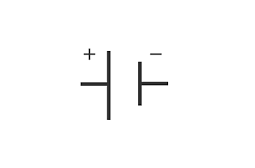
Battery: supplies electrical energy. ( supplies more than one cell)
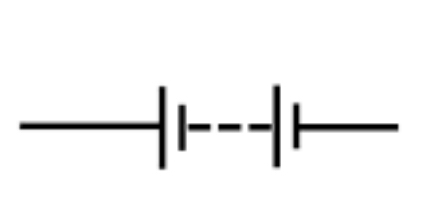
Power pack: supplies electrical energy. (Voltage can be set to a desired value.
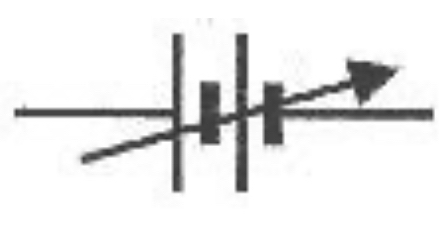
Wire: To pass current very easily from one part of a circuit to another.

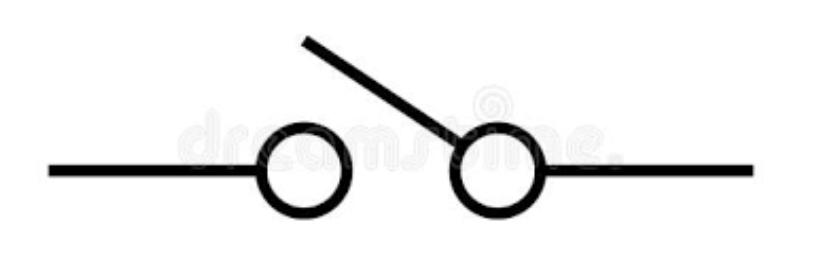
Switch: An on-off switch allows current to flow only when it is in the closed (on) position.
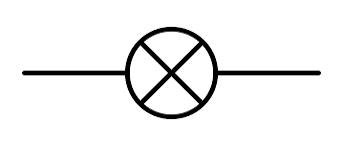
Lamp: A lamp converts electrical energy to light.
Resistor: A resistor restricts the flow of current, and charges electrical energy to heat.

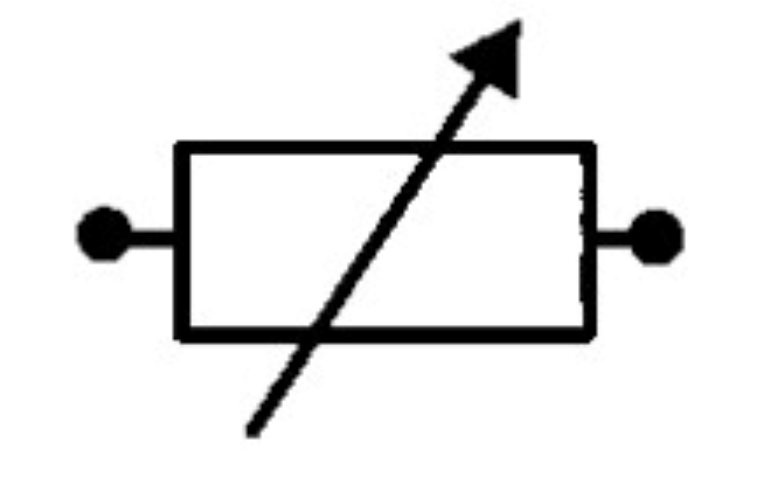
Variable resister (rheostat): A rheostat is usually used to connect the current in a circuit.
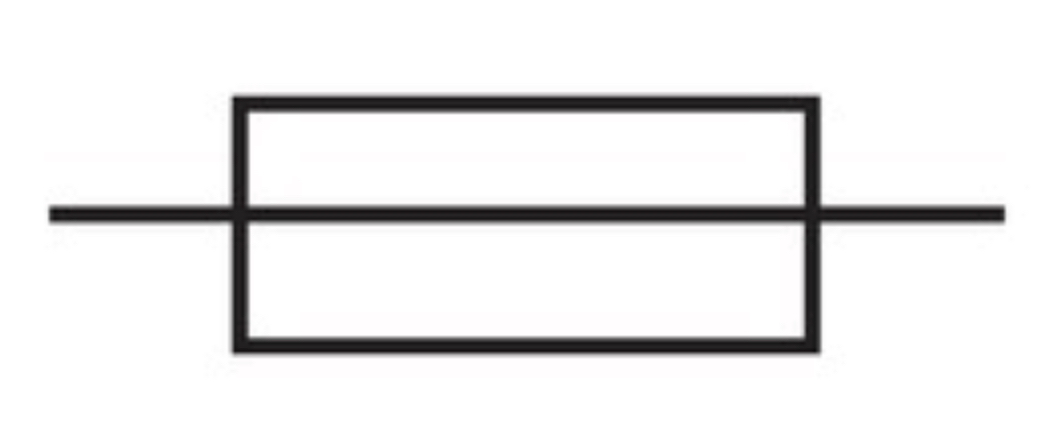
Fuse: A safety device which will blow if the current flowing through it exceeds a specified value.
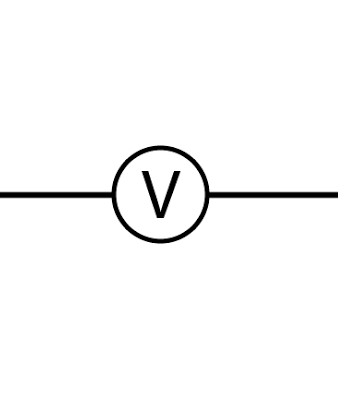
Voltmeter: A voltmeter is used to measure voltage
Ammeter: An ammeter is used to measure current
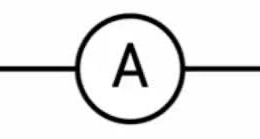
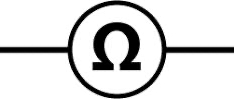
Ohmmeter: An ohmmeter is used to measure resistance.
Know the difference between series and parallel circuit
Notes:
Series circuit>
Components are connected one after another in a single loop.
Same current flows through every component.
If one component (like a bulb) breaks, the whole circuit stops.
Examples:
Old Christmas lights
Parallel circuit>
Components are connected in separate branches
The current splits between the branches
If one component breaks, the other still work.
Examples:
Home wiring (each light or socket works independently)
Know that current is the rate of flow of charge in a circuit
Notes:
Current is the amount of electric charge that flows past a point in a circuit each second.
It tells you how fast the electrons are moving through the wire.
Measured in amperes (A) using an ammeter.
Higher current =more charge flowing every second.
Use an ammeter to measure the current in a circuit
Notes:
To use it as an ammeter>
It must be connected into the circuit in series
Choose the top and bottom terminals
Choose the scale setting 10A
To use it as a voltmeter>
It must be connected into the circuit in parallel
Choose the middle and bottom terminals
Choose the scale setting 20V
Describe how series and parallel circuits connections affect total resistance
Notes:
Series Circuit>
Total resistance increases as more resistors or components are added.
The current has only one path, so it had to go through every resistor
Total resistance is the sum of all resistors
Parallel circuit>
Total resistance decreases as more branches are added
The current has multiple paths, so it flows more easily.
The total resistance is less than the smallest resister in the circuit
More branches = more paths for current = lower resistance.
Describe how total resistance affects the current drawn from a battery
Notes:
Current (I) = Voltage (V) / Resistance (R)
If total resistance increases
The current decreases (less current drawn from the battery)
The battery has a harder time pushing charge through
If total resistance decreases
The current increases ( more current drawn from the battery)
It’s easier for charge to flow
Know where the energy comes from in an electrical circuit
Notes:
The energy in an circuit comes from the power source- usually a battery or power supply
The battery provides electrical energy by using stored chemical energy
This energy is transferred through the circuit to power components like bulbs, motors, or speakers
Know that it is resistance of a conductor which changes electrical energy into heat and light energy
Notes:
When electrical current flows through a conductor with resistance, some electrical energy is converted into heat and sometime light.
This is because resistance opposes the flow of electrons, causing them to collide and generate thermal energy (heat)
Examples:
A filament in a light bulb has high resistance, As current flows:
It heats up and glows → light energy
It also gives off heat
Toasters and electrical heaters work the same way - resistance wires converts electrical energy heat.
Know what voltage measures the energy carried by charge
Notes:
Voltage is a measure of the energy that each unit of charge carries in a circuit.
It tells us how much energy is being transferred to or from the components.
Measured in volts (V) using a voltmeter.
Example:
A 9V battery gives 9 joules of energy to every 1 coulomb of charge that flows.
Use a voltmeter to measure the energy change across components in circuits
Notes:
A voltmeter measures voltage, which tells us how much energy is gained or lost by the electric charge as it passes through a component.
The voltmeter is always connected in parallel with the component you’re measuring (like a bulb or resistor)
Know how the current and voltage affect the brightness of a lamp
Notes:
A higher voltage gives more energy to the charges, so the lamp shines brighter.
A higher current means more charge is flowing, delivering more energy per second - also making the lamp brighter.
State the purpose of a fuse in a circuit
Notes:
A fuse is a safety device in a circuit
It is designed to protect the circuit by breaking (melting) if the current gets too high.
This stops the flow of electricity and helps prevents fires or damage to components.
Too much current flows where there is an electric fault which causes a short circuit
Short circuits are caused by broken plugs, broken electrical wires and etc
Know the safety features of a three pin plug
Notes:
Earth Pin (longest pin)
Connects to the earth wire for safety.
Directs excess current safely into the ground prevent electric shock.
Fuse:
Inside the plug
Melts if too much current flows breaking the circuit and protecting appliances
Plastic casing:
The plug is made of insulating plastic to prevent electric shock
Cable grip:
Holds the wires firmly in place so they don’t loosen or touch each other
Three wires:
Live wire ( brown): carries current to the appliance.
Neutral wire (blue): Returns current to the power source
Earth wire (green/yellow): safety wire to prevent shocks