Chapter 1 A&P
●Anatomy: The study of the structures of the body.
●Physiology: The study of the functions of the body structures.
Levels of Organization
Subatomic
Atomic
Molecular
Macromolecular
Cellular
Tissue
Organ
System >>> Organism
Life Functions: What do living things do?
●Boundaries: cellular and organismal
●Movement: mostly muscle, but also cells
●Responsiveness: sense changes
●Digestion: cellular and organismal break down
●Metabolism: chemical reactions
●Excretion: removing wastes
●Reproduction: asexual (cell division) and sexual (offspring)
●Growth: hyperplasia (growth from cell division) and hypertrophy (growth from cells getting bigger)
Organ system functions
●Question: how do we get each cell to have all its needs accounted for??
●Answer: we are no longer a single cell, so we need organs and organ systems!
Integumentary, Skeletal, Muscular, and Nervous Systems

Integumentary
●Skin, Hair, Nails
●1. Protects body
●2. Creates a boundary for organism
●3. Maintains fluids inside
Skeletal
●1. Protection
●2. Shape/structure
●3. Muscle attachment (helps in movement)
●4. Blood cell manufacture
Muscular
●1. Shortens
●2. Moves joints
●3. Warms body/thermoregulation
Nervous
●1. Main controlling system of body
●2. Controls muscle contraction
●3. Controls glands
●4. Enables conscious and unconscious body responses
Endocrine, CV, Lymphatic/Immune, and Respiratory Systems

Cardiovascular
●1. Pumps/moves fluids/blood
●2. Contains vessels to direct flow
●3. Has fluid that transports all needed nutrients, wastes, hormones, respiratory gases, etc.
Lymphatic/Immune
●1. Picks up fluid outside cells and returns to CV system
●2. Identifies “invaders” and mounts attack against them
Endocrine
●1. Second major controlling system
●2. Works through hormone release
Respiratory
●1. Brings in Oxygen/O2 and delivers to blood.
●2. Picks up Carbon Dioxide/CO2 and returns to lungs for exhalation.
●3. Participates in blood acid/pH regulation
Urinary, GI, and Reproductive Systems
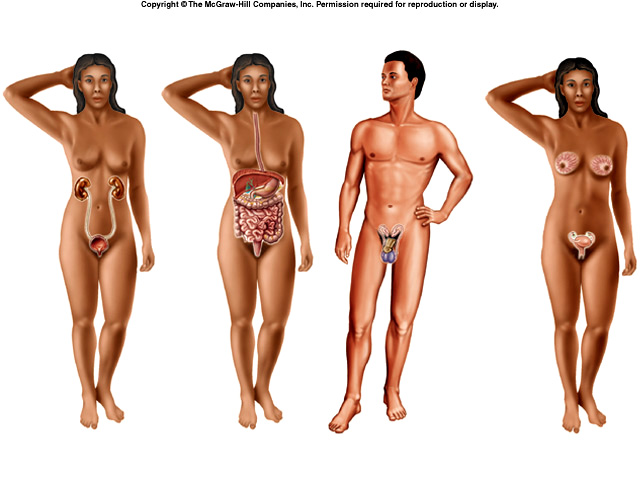
Urinary System
Kidneys filter blood
Filters blood
Excretes wastes, excess electrolytes, etc
Need sodium
Picks up waste
Gas
Stomach, intestines
Digestion- breaks down
When eating it breaks down comes out in waste
Have to absorb in blood stream
Would call it absorb-oration system
Obtains and absorbs nutrients into blood stream
Removes undigested/unabsorbed materials
Reproduction
●1. Produces sex hormones (Estrogen and Progesterone or Testosterone)
●2. Produces sex cells (Eggs or Sperm)
●3. Has anatomic features to ensure fertilization
●4. Incubator for developing fetus (female)
Females have different trimesters
4th trimester is the hardest
Imagery
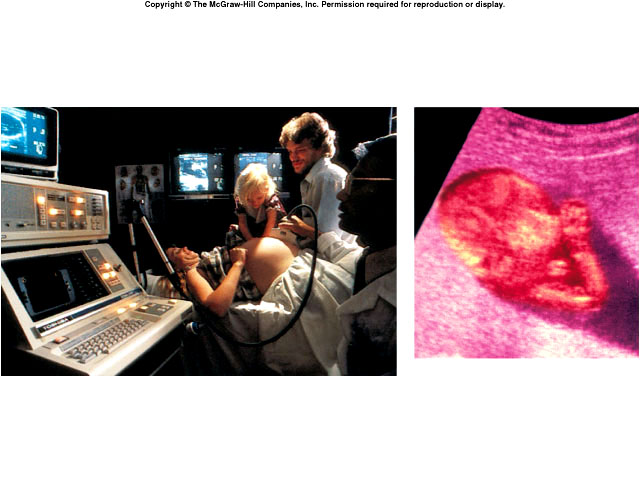
Exploratory surgery
Sliced up to see if there’s anything
Ultrasound is more common now
Bhs tape can record ultrasound
Put jelly on stomach
Homeostasics
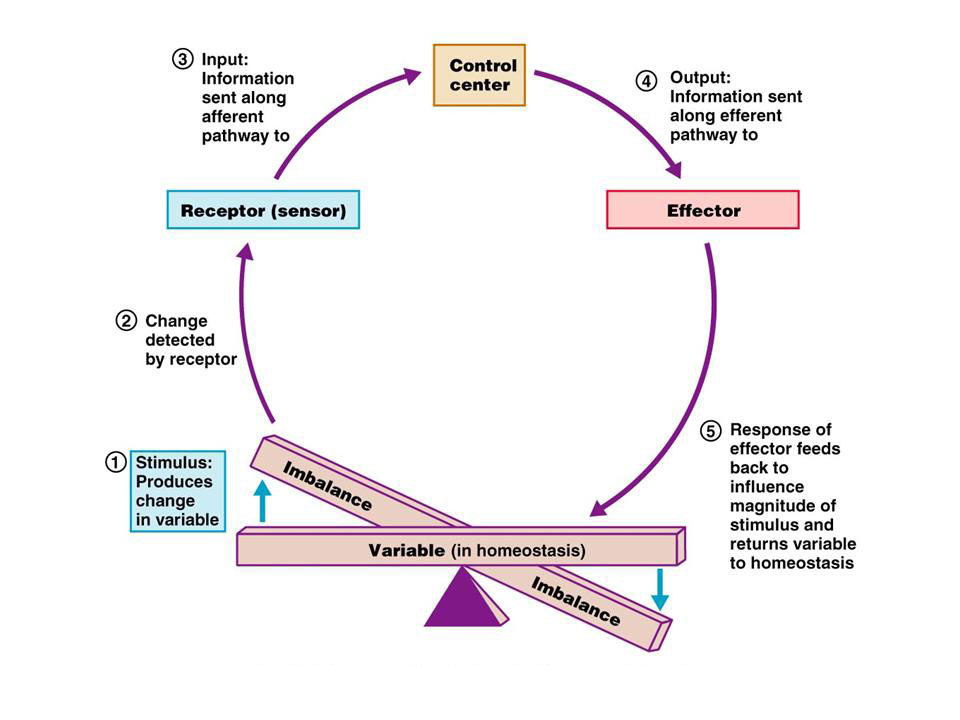
Body controls itself
We get an imbalanced
Stimulus gets changed
Picks up in hydrogen
Communicates
Have to breathe quicker
Speed up heart rate
Blood glucose at 90, get sugar, glucose will go up,insulin will go up