Innate Immunity
DefStructure and Function of the Organs and Immunity
the study of the body’s second and third lines of defense is called immunology
functions of a healthy functioning immune system:
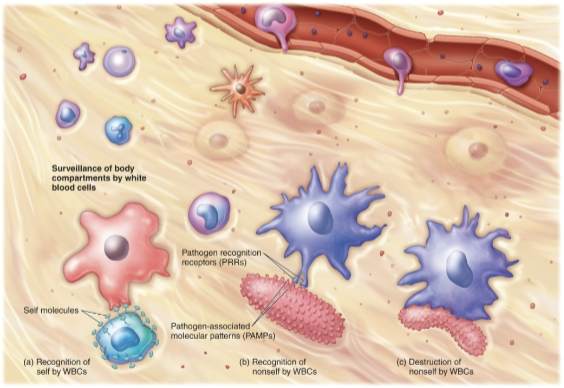
surveillance
recognition of foreign material
destruction of entities deemed to be foreign
Defense Mechanisms of the Host
host defenses
innate, natural defenses: present at birth
provide nonspecific resistance to infection
defenses against any pathogen
adaptive immunities: specific, acquired
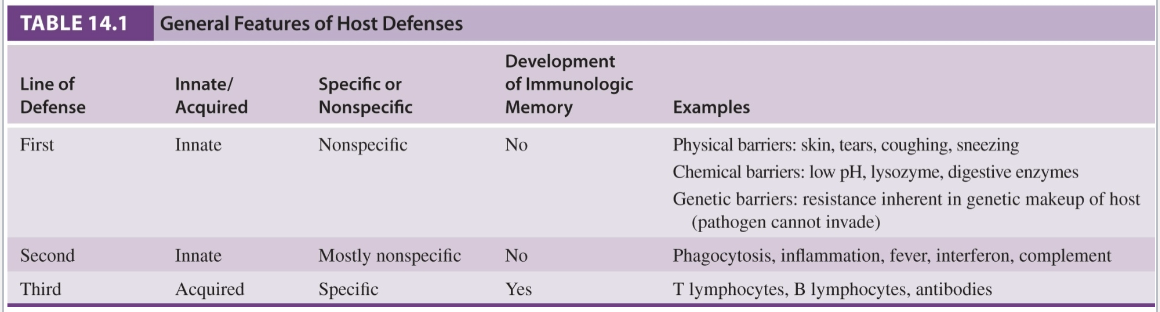
innate- first line of defense
any barrier that blocks invasion at the portal of entry
nonspecific
innate- second line of defense
protective cells and fluids
inflammation and phagocytosis
nonspecific
acquired- third line of defense
acquired with exposure to foreign substance
produces protective antibodies and creates memory cells
specific
Physical or Anatomical Barriers: First Line of Defense
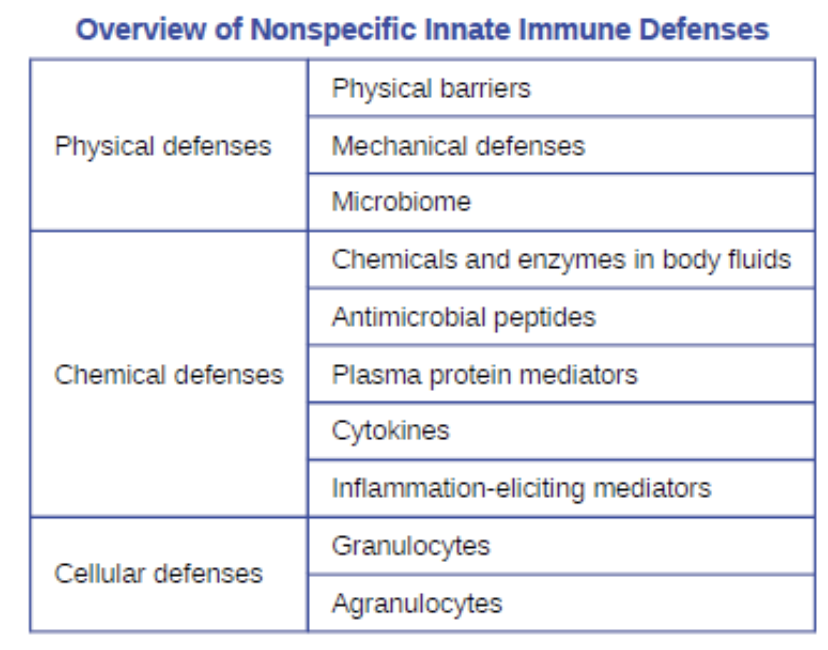
skin and mucous membranes
outermost layer
tight junctions between cells
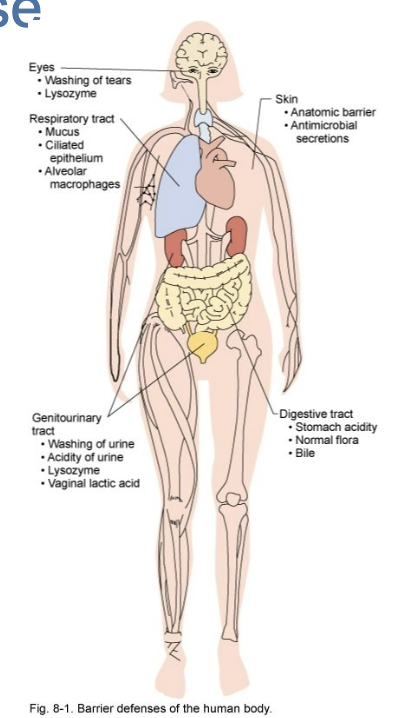
blinking and tear production
stomach acid
nasal hair
ear wax
mucous coat
normal flora: compete for nutrients, change pH, stimulate production of antimicrobial compounds
washing/ removal methods (move ‘em on out)
normal turnover- cells shed
flushing effect of sweat glands
blinking and tear production
flow of saliva
mucous coat impedes attachment and entry of bacteria
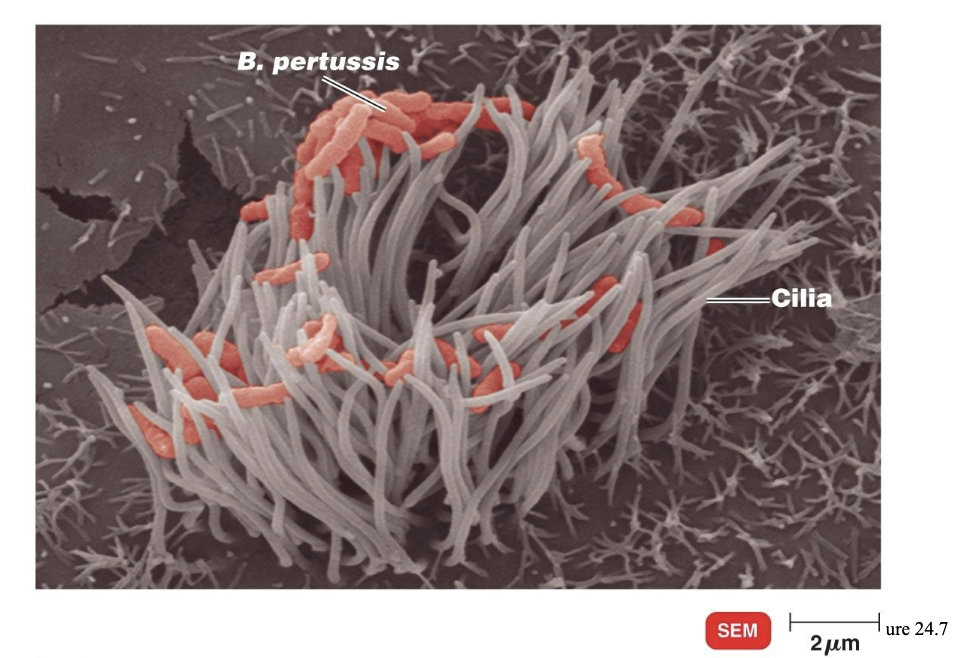
cilia sweep material out of respiratory tract
urination, defecation, vomiting, menstruation, ejaculation
bleeding of a wound
coughing, sneezing, runny nose
Ciliary Escalator
cilia in the lungs beat mucous and microbes trapped in mucous upward and out of the lungs
Nonspecific Chemical Defenses
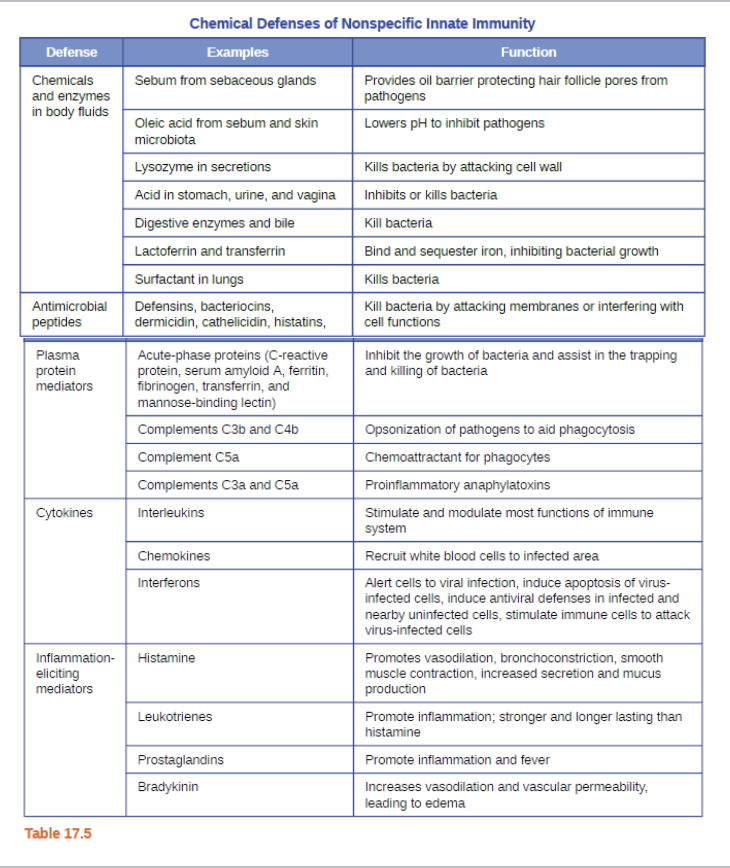
sebaceous secretions- oil; sweat
lysozyme, an enzyme that hydrolyzes the cell wall of bacteria, in tears, sweat, saliva, and urine
acidic pH- sweat, skin (3-5), stomach (1.2-3), intestinal, vagina (3-5), urine
digestive juices/enzymes and bile of intestines
semen contains an antimicrobial chemical, seminalplasmin
lactoferrin, transferrin- transport of iron
play ‘keep-away’
also can bind bacterial cell envelope- inhibit H+ transport
First Line of Defense: Chemical
antimicrobial peptides (over 100 identified)
psoriasin (skin, tongue) sequesters zinc, especially control E. coli
SP-A, SP-D, galectins, pentraxins= opsonins= promote phagocytosis
defensins, histatins, cathelicidins
bind phospholipids found on outer layer of cell membrane of prokaryotes, some protozoa, not animals
disrupt membrane, inhibit ATP production, may enter and inhibit biosynthesis
many also promote wound healing
Genetic Defenses
some species genetically resistant to certain diseases of other species
structure or presence of a biomolecule differs between species; eg. sugar linkages in carbohydrates of glycoproteins control influenza virus binding
some hosts are genetically immune to the diseases of other hosts
slight variation on cell receptors can alter pathogen ability to enter
intensity of immune response may differ
Second Line of Defense
large, complex, and diffuse network of cells and fluids that penetrate into every organ and tissue
4 major subdivisions of immune system:
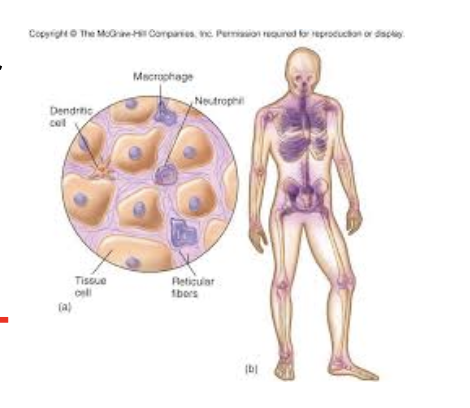
reticuloendothelial system (RES)
network of connective tissue fibers that interconnects other cells and meshes with the connective tissue networks surrounding organs
inhabited by phagocytic cells-mononuclear phagocytic system - macrophages that are ready to attack and ingest microbes that cross the first line of defense
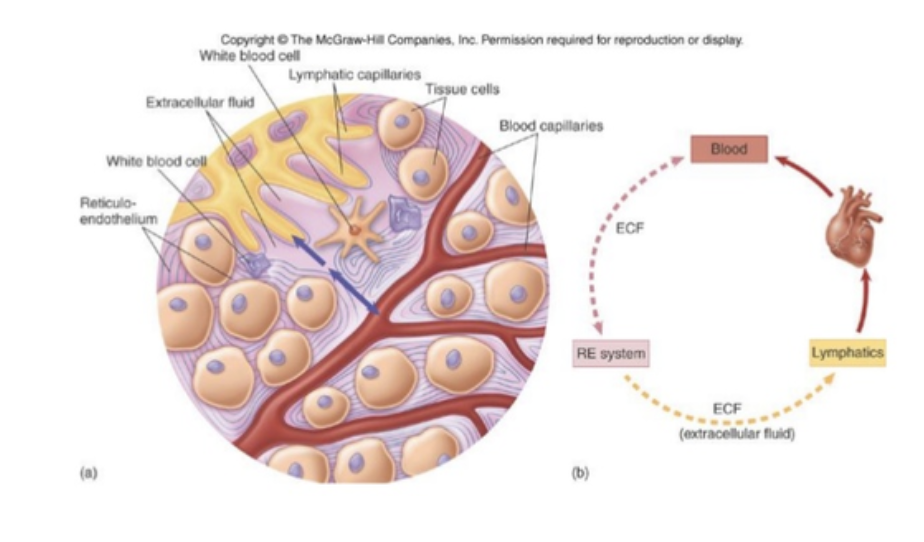
extracellular fluid (ECF)
bloodstream
lymphatic system
Body Compartments that Participate in Second Line of Defense
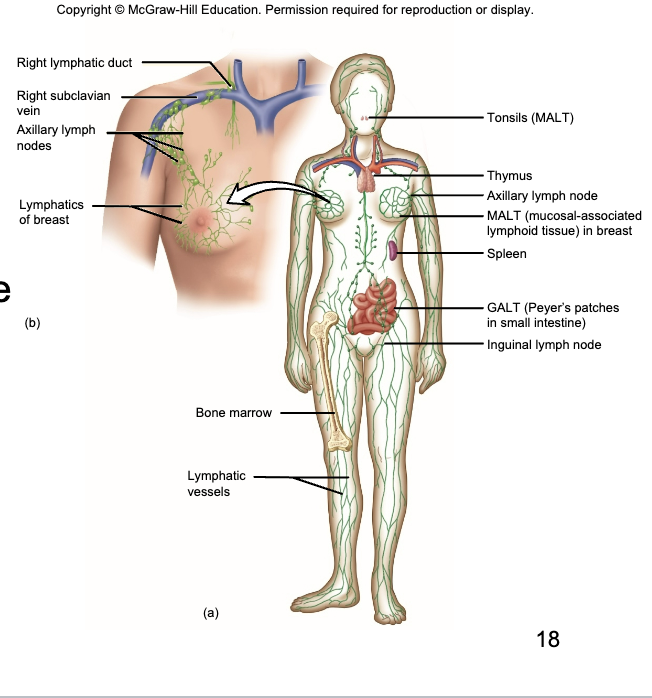
Lymphatic System
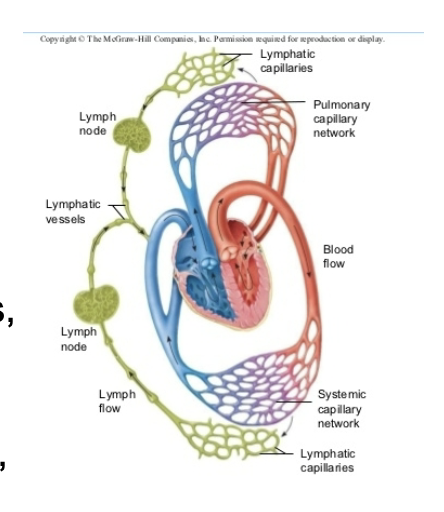
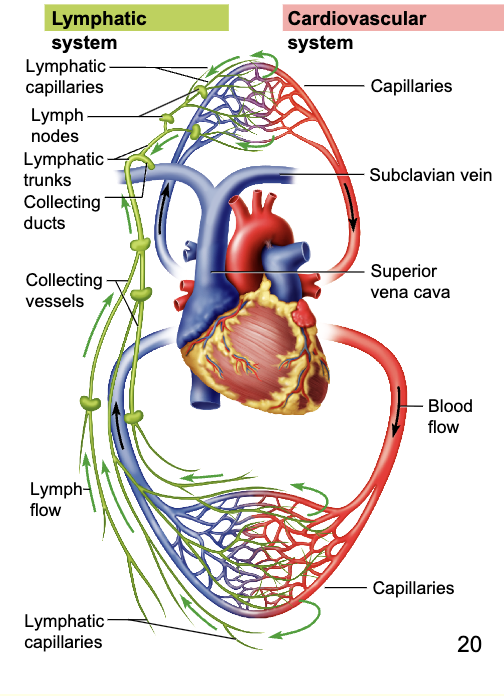
route for return of extracellular fluid to the circulatory system
acts as a drain-off system for the inflammatory response
surveillance, recognition, and protection against foreign material
Lymphatic Fluid
lymph - plasma-like liquid carried by lymphatic circulation
formed when blood components move out of blood vessels into extracellular spaces
made up of water, dissolved salts, 2-5% proteins
transports white blood cells, fats, cellular debris, and infectious agents
Lymphatic Vessels
lymphatic capillaries permeate all parts of the body except the CNS, bone, placenta, and thymus
Lymphoid Organs
classified as primary and secondary
primary lymphoid organs
site of cell production and maturity
bone marrow-production of blood cells, maturation of B- cells
thymus- site of T-cell maturation
secondary lymphoid organs
sites where cells will hangout and survey for disease
lymph nodes, tonsils
spleen - filters circulating blood to remove worn out RBCs and pathogens
Origin, Composition, and Functions of the Blood
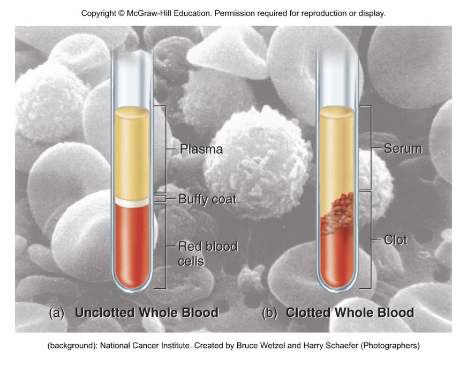
whole blood consists of plasma and formed elements (blood cells)
serum is the liquid portion of the blood after a clot has formed - minus clotting factors
plasma - 92% water, metabolic proteins, globulins, clotting factors, hormones, and all other chemicals and gases to support normal physiology functions
A Survey of Blood Cells
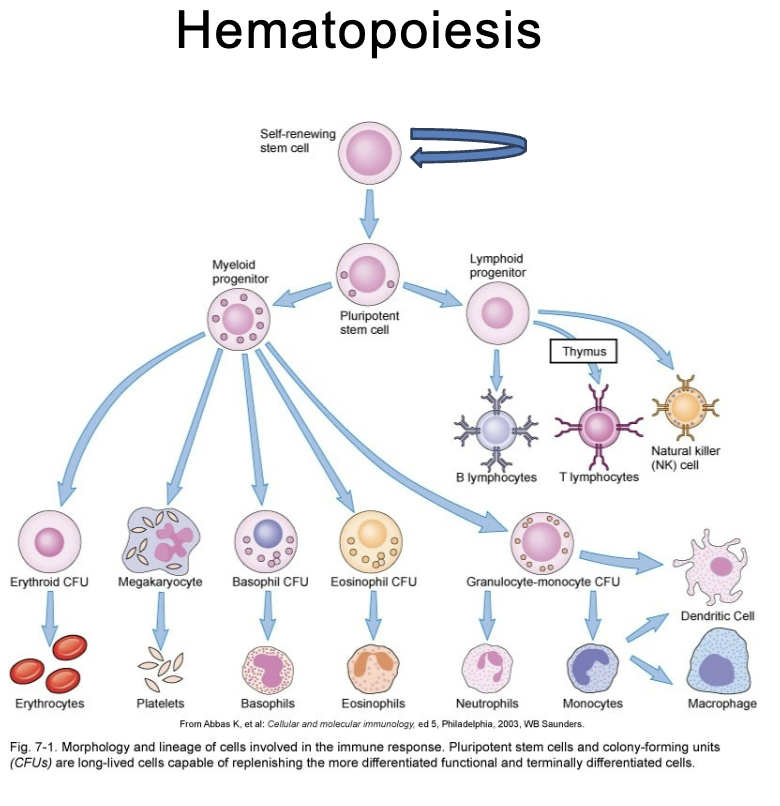
hemopoiesis - production of blood cells
stem cells - undifferentiated cells, precursor of new blood cells
leukocytes - white blood cells
granulocytes : lobed nucleus
agranulocytes : unlobed, rounded nucleus
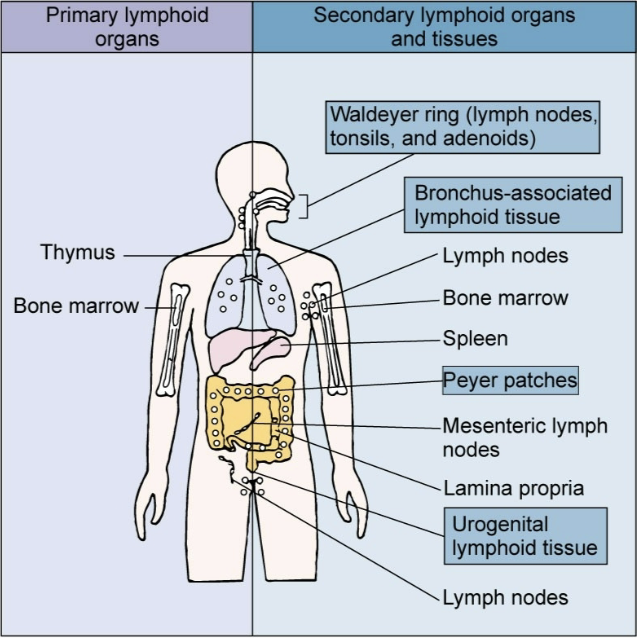
primary lymphoid organs - where immune cells develop
secondary lymphoid organs - where adaptive immune cells get activated
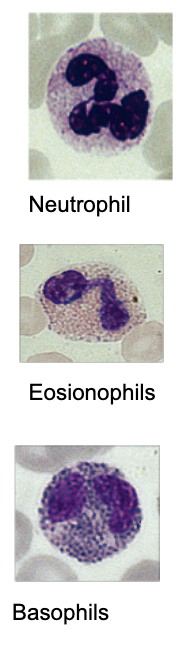
Granulocytes
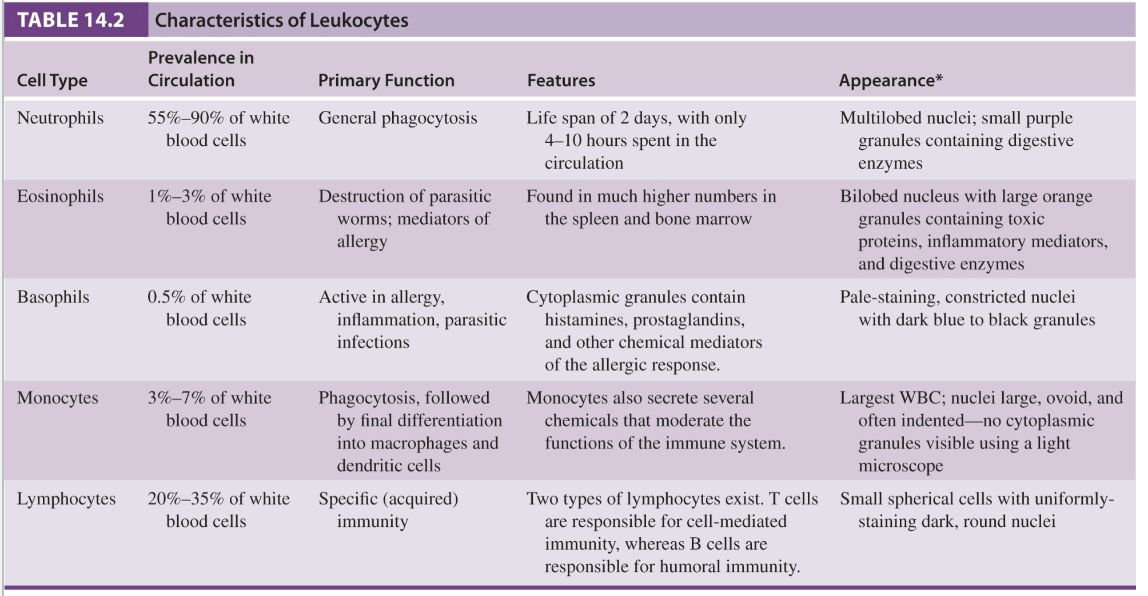
neutrophils - 55-90% - lobed nuclei with lavender granules; phagocytes
eosinophils - 1-3% - orange granules and bilobed nucleus; destroy eukaryotic pathogens
basophils - 0.5% - constricted nuclei, dark blue granules; release potent chemical mediators
mast cells: nonmotile elements bound to connective tissue
Leukocytes
Agranulocytes
lymphocytes - 20-35%, specific immune response
B (humoral immunity): activated B cells produce antibodies
T cells (cell-mediated immunity): activated T cells modulate immune functions and kill foreign cells
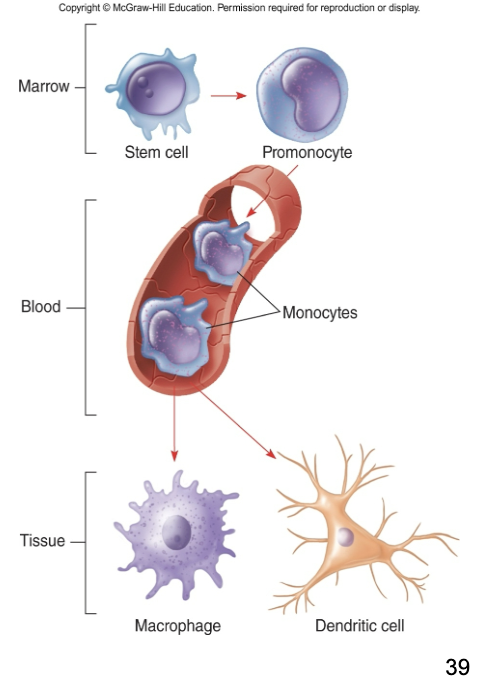
monocytes, macrophages- 3-7% largest of WBCs, kidney-shaped nucleus; phagocytic
macrophages: final differientiation of monocytes
dendritic cells: trap pathogens and participate in immune responses
Erythrocytes and Platelet Lines
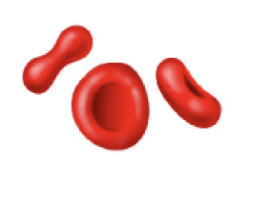
erythrocytes (red blood cells): develop from bone marrow stem cells, lose nucleus, simple biconcave sacs of hemoglobin
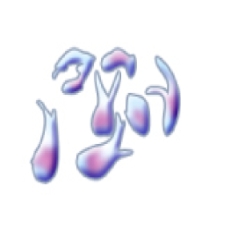
platelets: formed elements in circulating blood that are not whole cells
Actions of the Second Line of Defense
recognition
inflammation
phagocytosis
interferon
complement
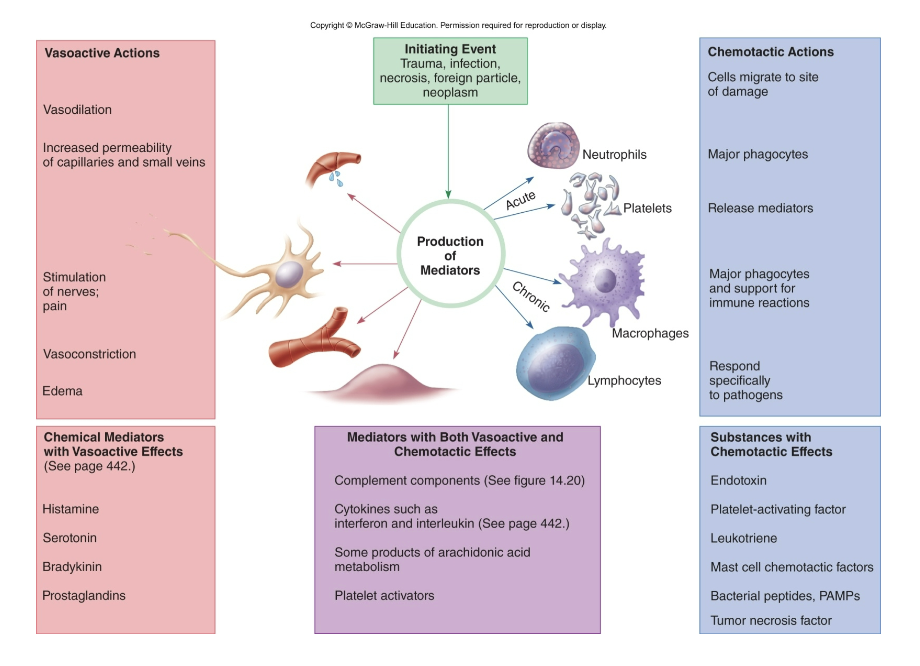
Inflammatory Response
classic signs and symptoms characterized by:
redness (rubor) - increased circulation and vasodilation in injured tissues in response to chemical mediators
warmth (calor) - heat given off by the increased blood flow
swelling (edema or tumor) - increased fluid escaping into the tissue as blood vessels dilate - edema; WBC’s, microbes, debris, and fluid collect to form pus; prevents spread of infection
pain (dolor) - stimulation of nerve endings
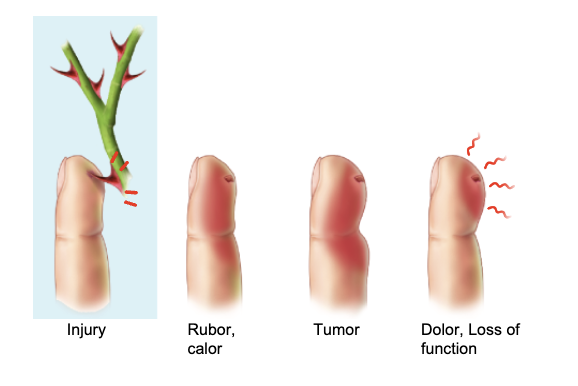
The Major Events in Inflammation
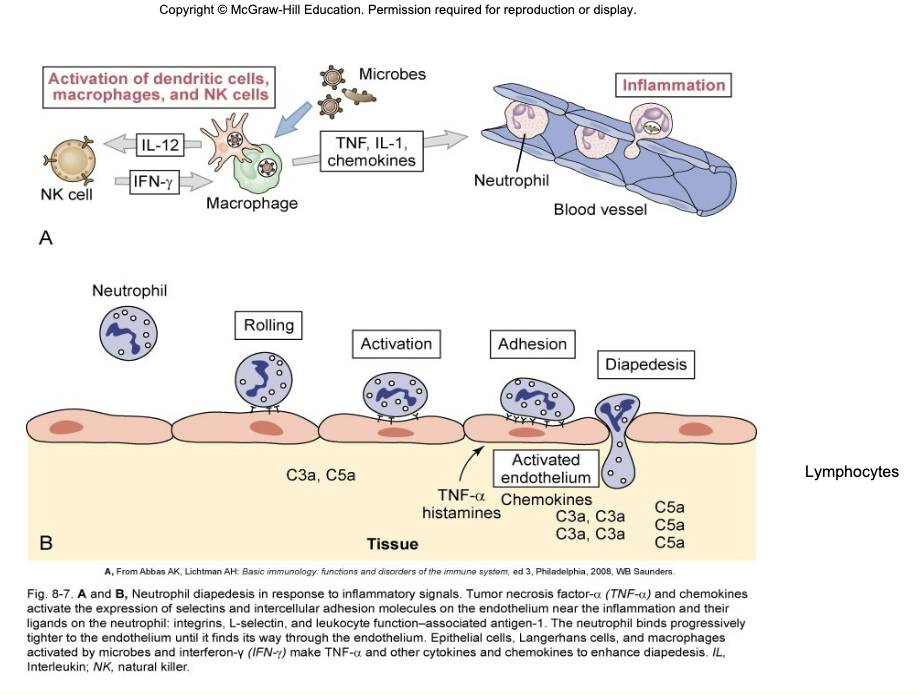
The Chemical Mediators of the Inflammatory Response
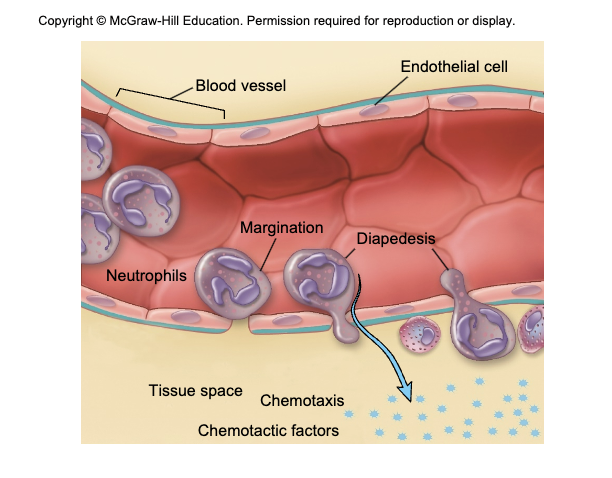
Unique Characteristics of Leukocytes
diapedesis - migration of cells out of blood vessels into the tissues
chemotaxis - migration in response to specific chemicals at the site of injury or infection
Fever
initiated by circulating pyrogens
reset the hypothalamus; signals muscles to increase heat production and vasoconstriction
exogenous pyrogens
products of infectious agents
endogenous pyrogens
liberated by monocytes, neutrophils, and macrophages during phagocytosis; interleukin-1 (IL-1) and tumor necrosis factor (TNF)
advantages
inhibits multiplication of temperature sensitive microorganisms
impedes nutrition of bacteria by reducing the availability of iron
increases body metabolism and stimulates immune reactions and protective physiological processes
disadvantages
tachycardia
acidosis
dehydration
44-46ºC fatal (111-114ºF)
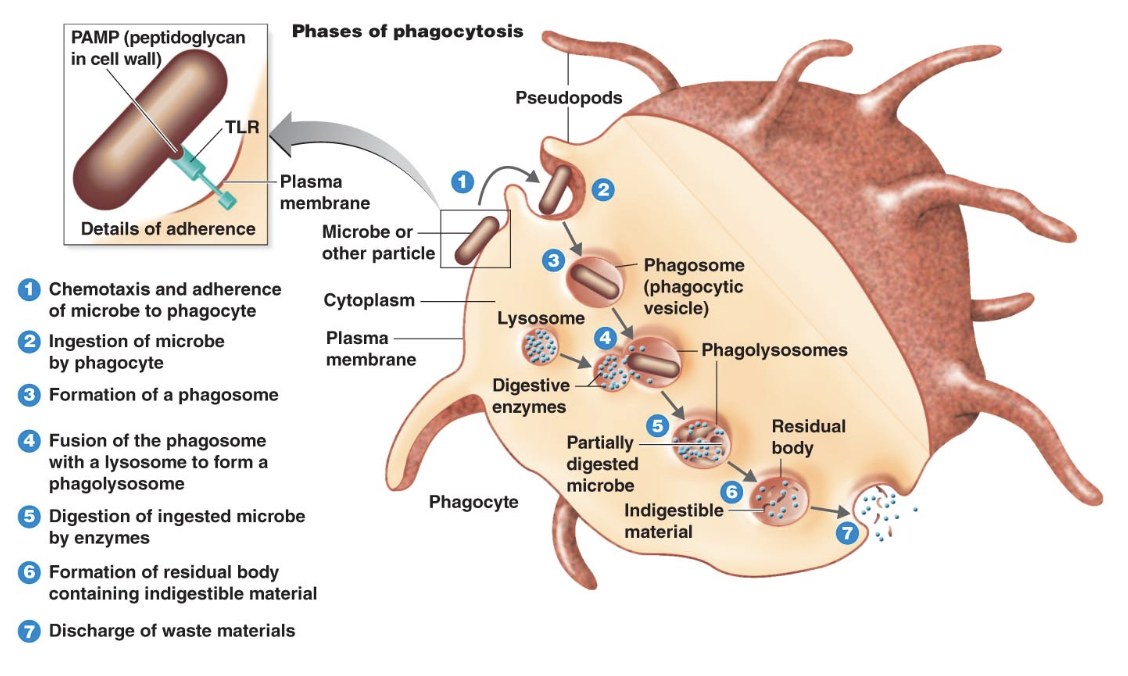
Phagocytosis
general activities of phagocytes:
to survey tissue compartments
to ingest and eliminate these materials
to extract immunogenic information from foreign matter
Phagocytes and Phagocytosis
neutrophils- general purpose; first line of defense to bacteria and foreign materials, and to damages tissue
eosinophils - attracted to sites of parasitic infections and antigen-antibody reactions
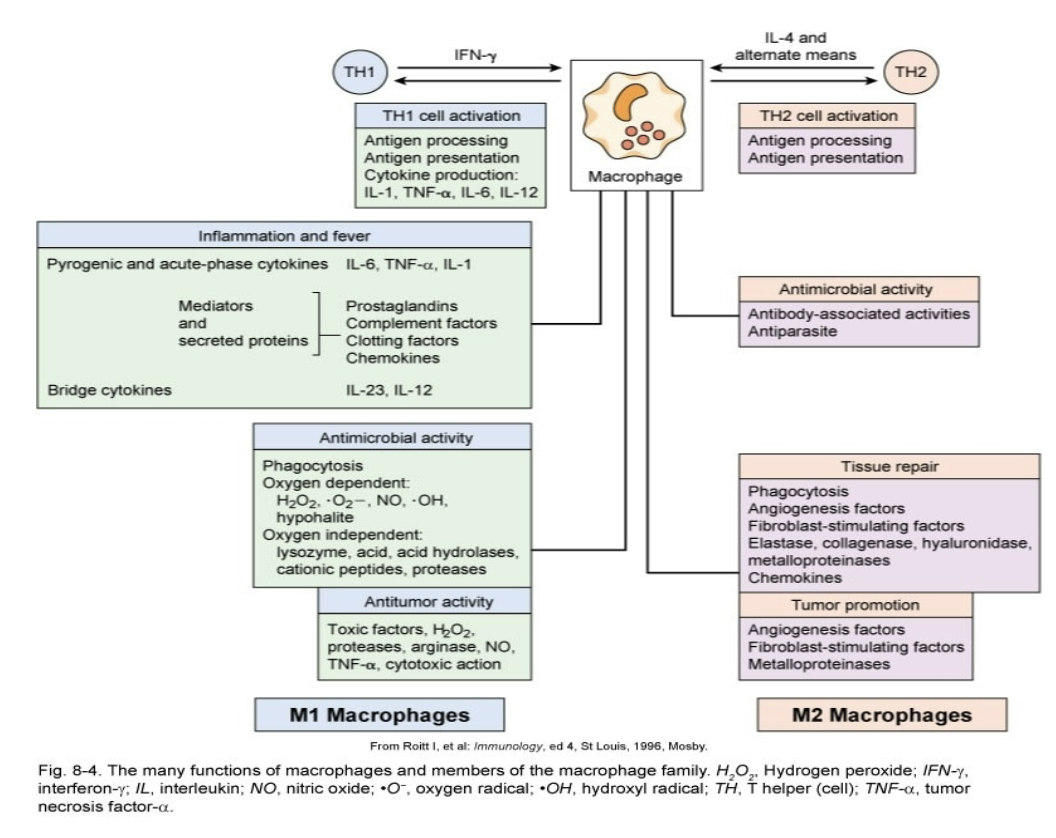
macrophages- derived from monocytes; scavenge and process foreign substances to prepare them for reactions with B and T lymphocytes
Recognition of Foreign Cells
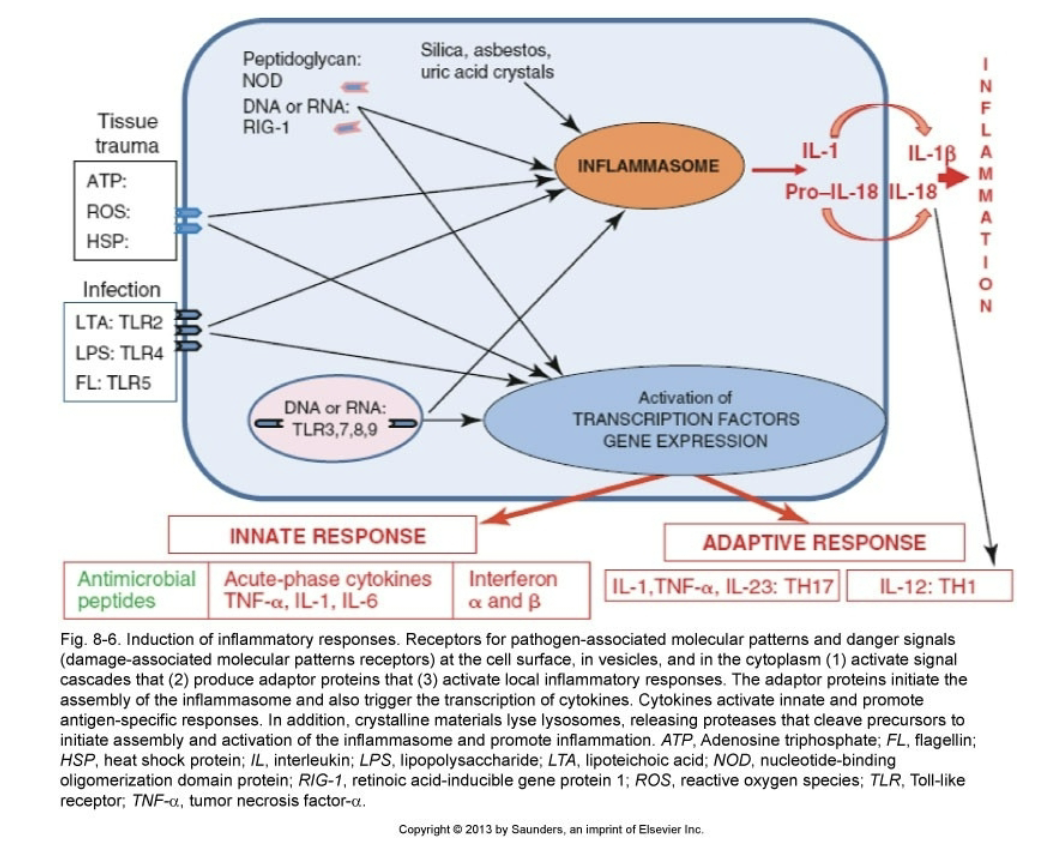
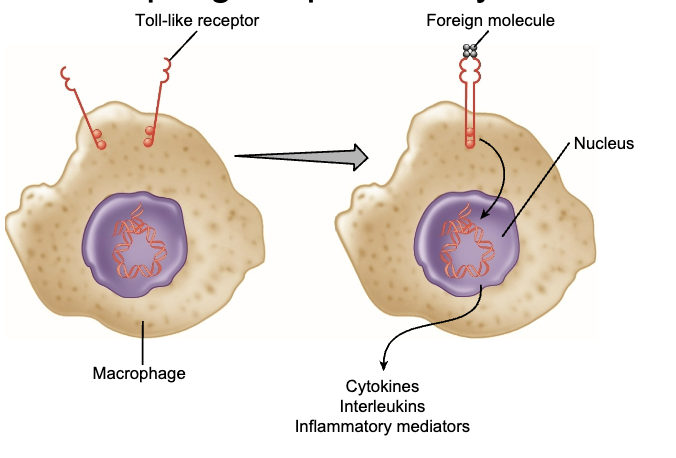
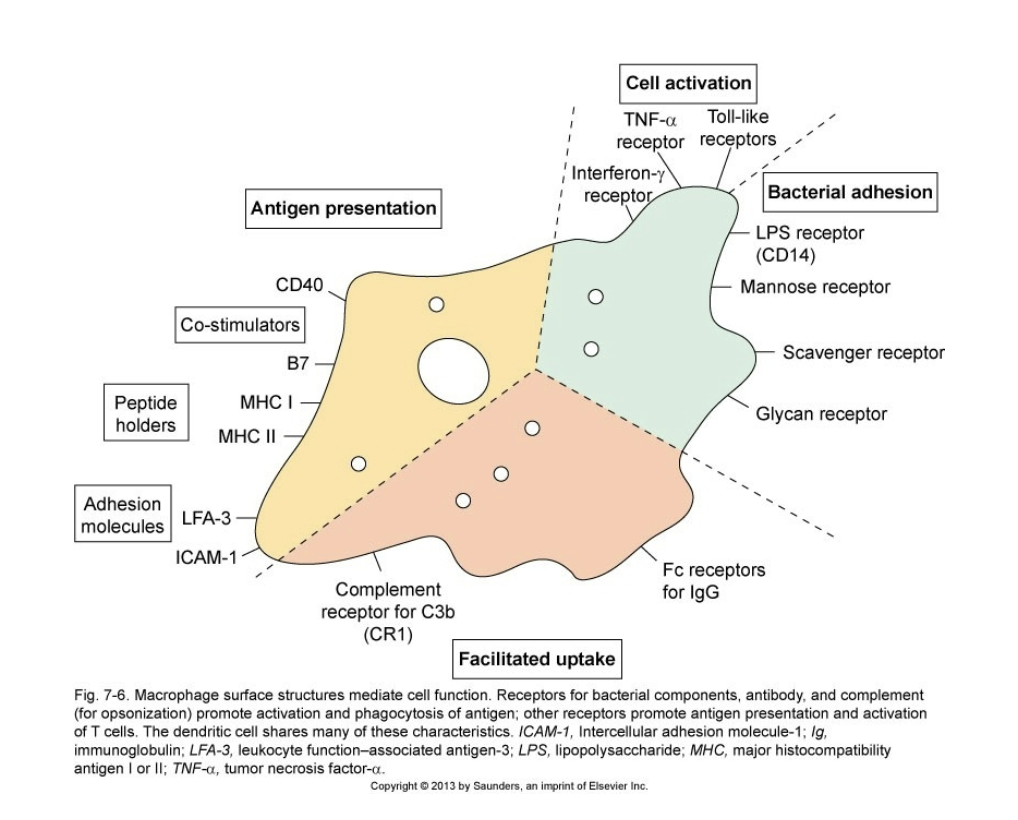
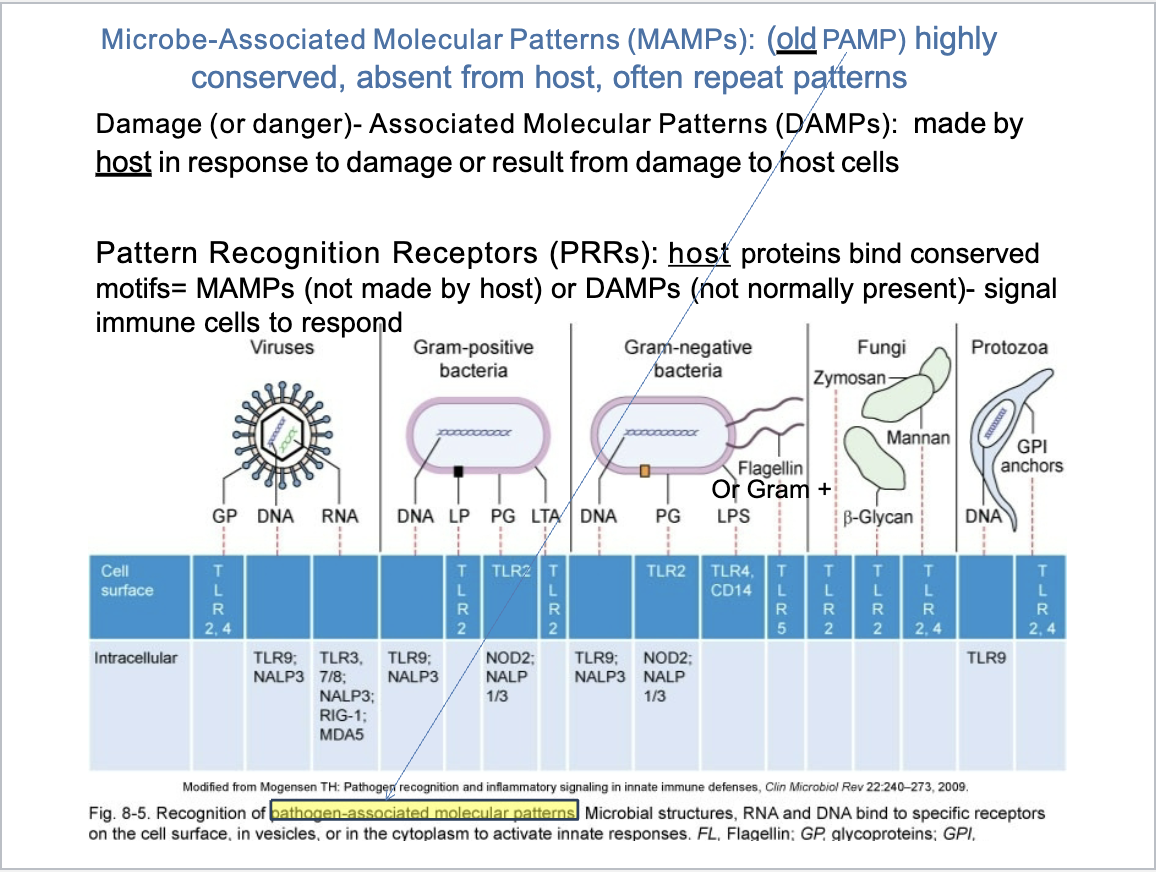
pattern recognition receptors (PRRs)
protein receptors within cell membrane of macrophages, Toll-like receptors (TLR) attach to Pathogen Associated Molecular Patterns (PAMPS)
signal the macrophage to produce cytokines
Phagocytosis
Extracellular Killing
eosinophils
bind structures on parasitic helminths
secrete what would be in lysosome- damage, may kill
neutrophils
secrete reactive oxygen species (kill nearby)
NETs- sticky DNA traps
NK Cells (totally different mechanism)
leukocytes, recognize our not-normal cells (virally infected or tumor), binding signals to secrete perforins, granzyme
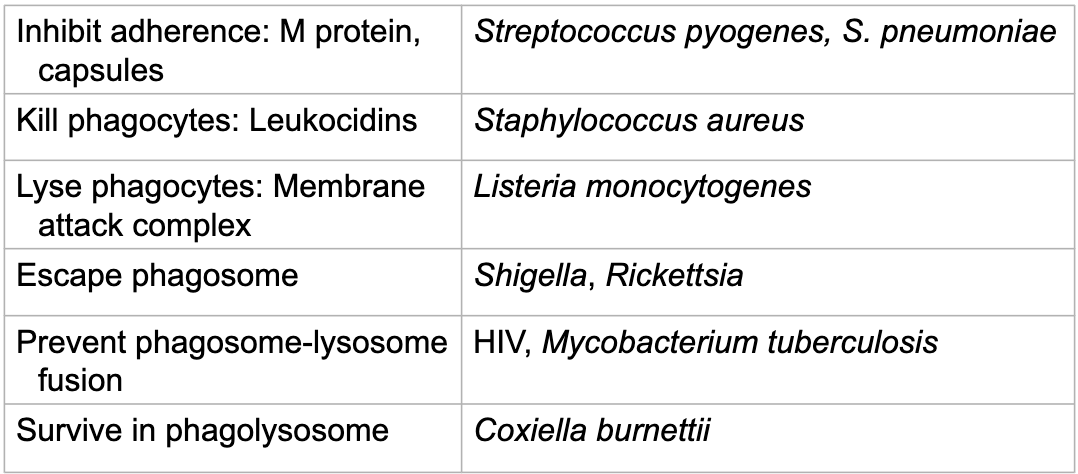
Microbial Evasion of Phagocytosis
Interferon
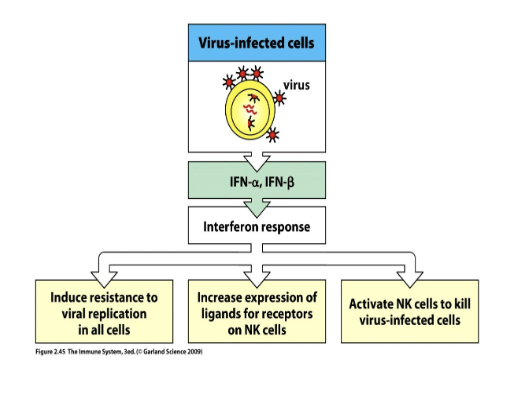
small protein produced by certain WBCs and tissue cells
interferon alpha- lymphocyte and macrophages
interferon beta- fibroblasts and epithelial cells
interferon gamma- T-cells
produced in response to viruses, RNA, immune products, and various antigens; binds to cell surfaces and induce expression of antiviral proteins and inhibit expression of cancer genes
Complement
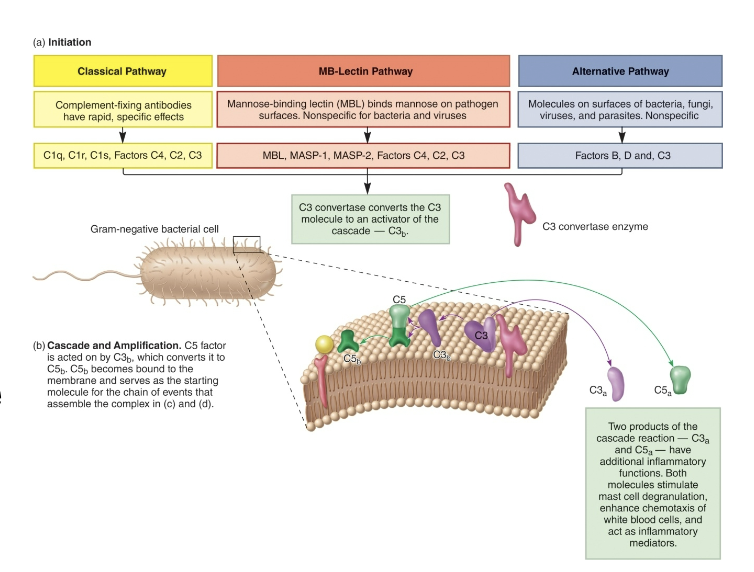
consists of 26 blood proteins that work in concert to destroy bacteria and viruses
complement proteins are activated by cleavage (cascade reaction)
pathways
classical - activated by the presence of antibody bound to microorganism
lectin pathway - nonspecific reaction of a host serum protein that binds mannan
alternative - begins when complement proteins bind to normal cell wall and surface complements of microbes
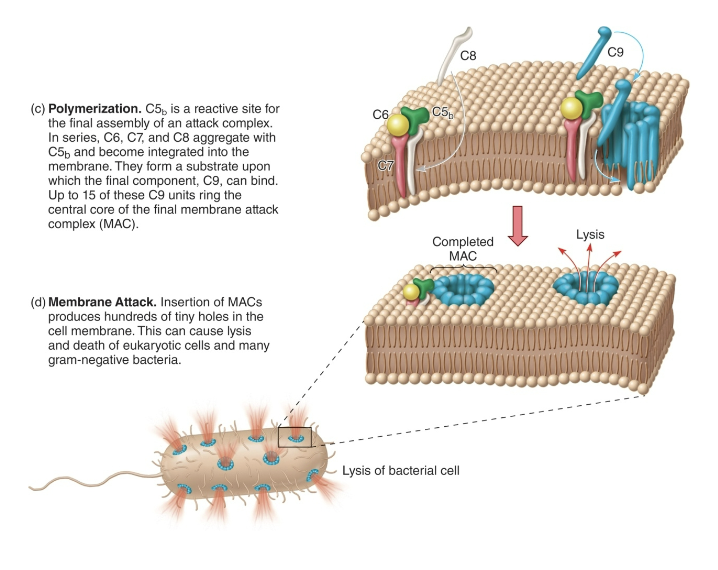
4 Stages in the Complement Cascade
initiation
amplification and cascade
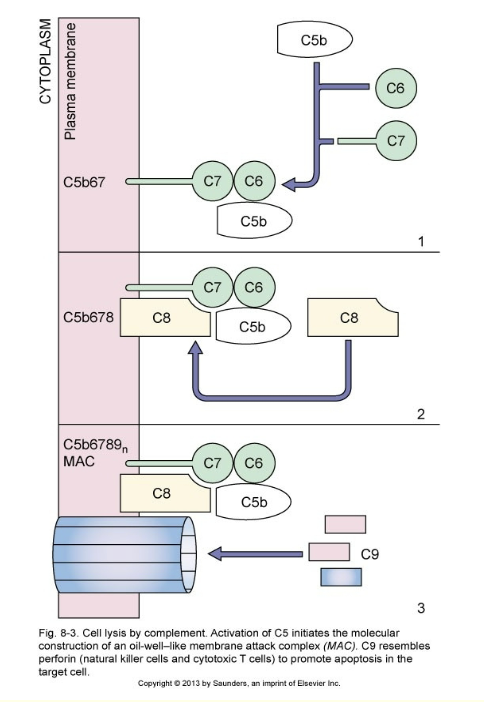
polymerization
membrane attack
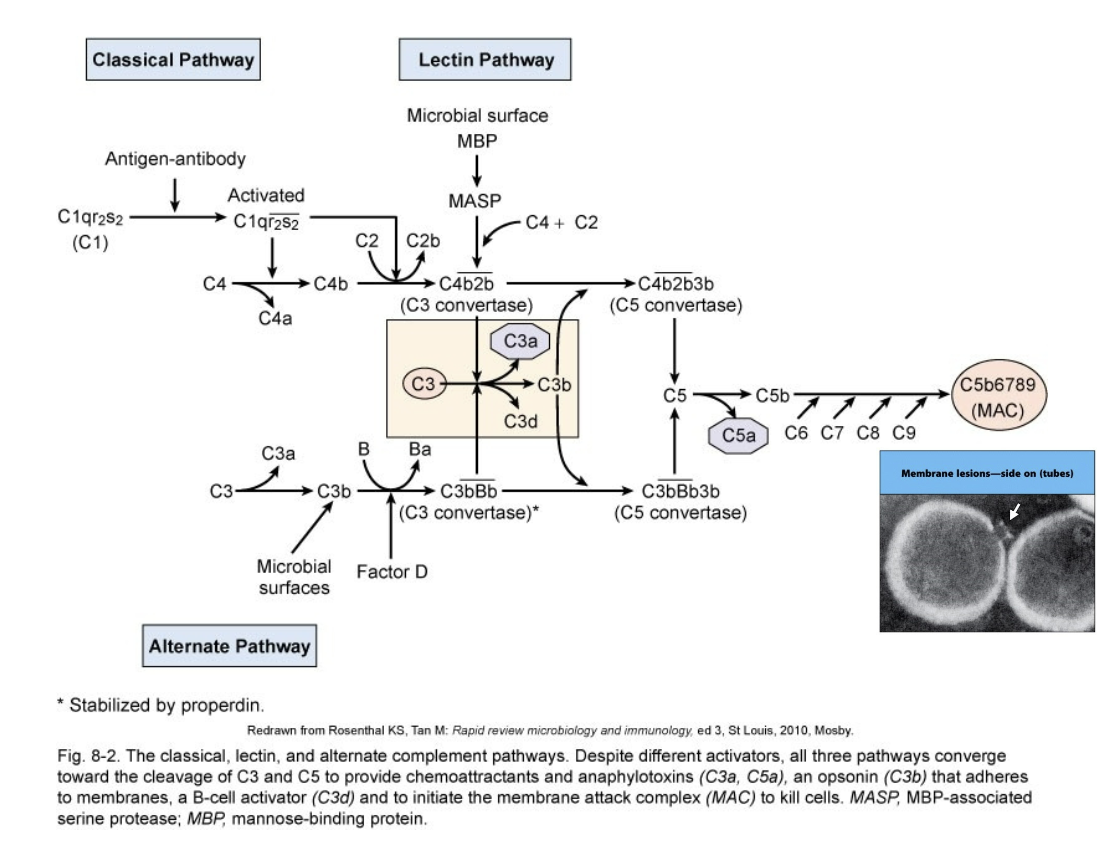
C3a and C5a- promoteinflammation and chemotaxis
C3b- opsonin
MAC- direct killing gram- bacteria maybe some virally infected cells
our cells have proteins in membrane to inactivate
Effects of Complement Activation
opsonization: enhanced phagocytosis
coats the pathogen with opsonin (marker)
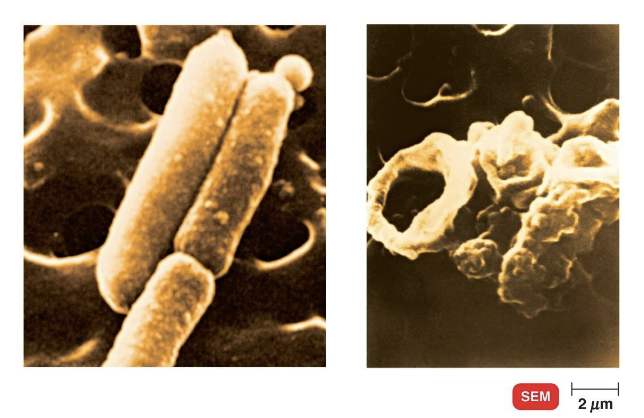
membrane attack complex: cytolysis
forces fluid in the cell causing it to rupture
attract phagocytes
inflammation
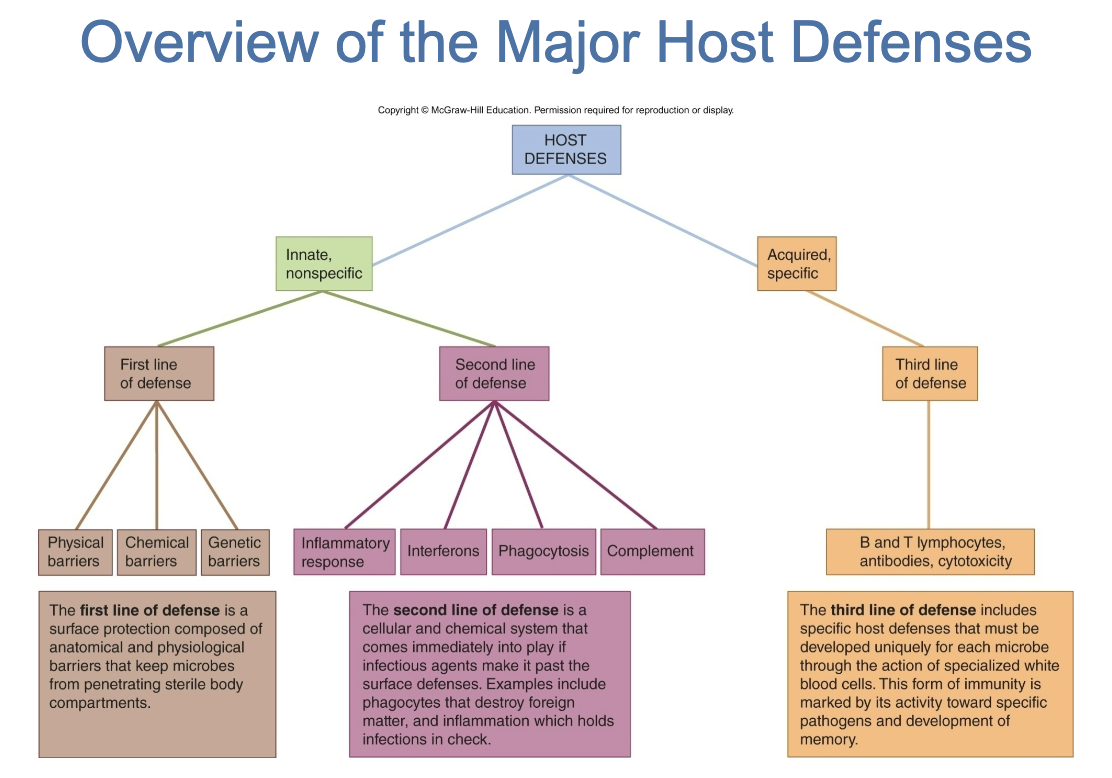
Summary
immunology- study of immune system
first line of defense- mechanical barriers
structures and chemicals that keep foreign invaders out
skin, mucous membranes, tears, wax, sweat
second line of defense- cells and inflammation
white blood cells (excluding T and B cells)
inflammation (heat, redness, swelling and pain)
phagocytosis and complement