Semester Review Part 1
Unit 1-Unit 5
1492: Columbus “discovers” the New World
Christopher Columbus went on an expedition to the New World in search of a westward route to Asia, believing he could find a quicker path to the spice markets.
Led to the discovery of the NEW world
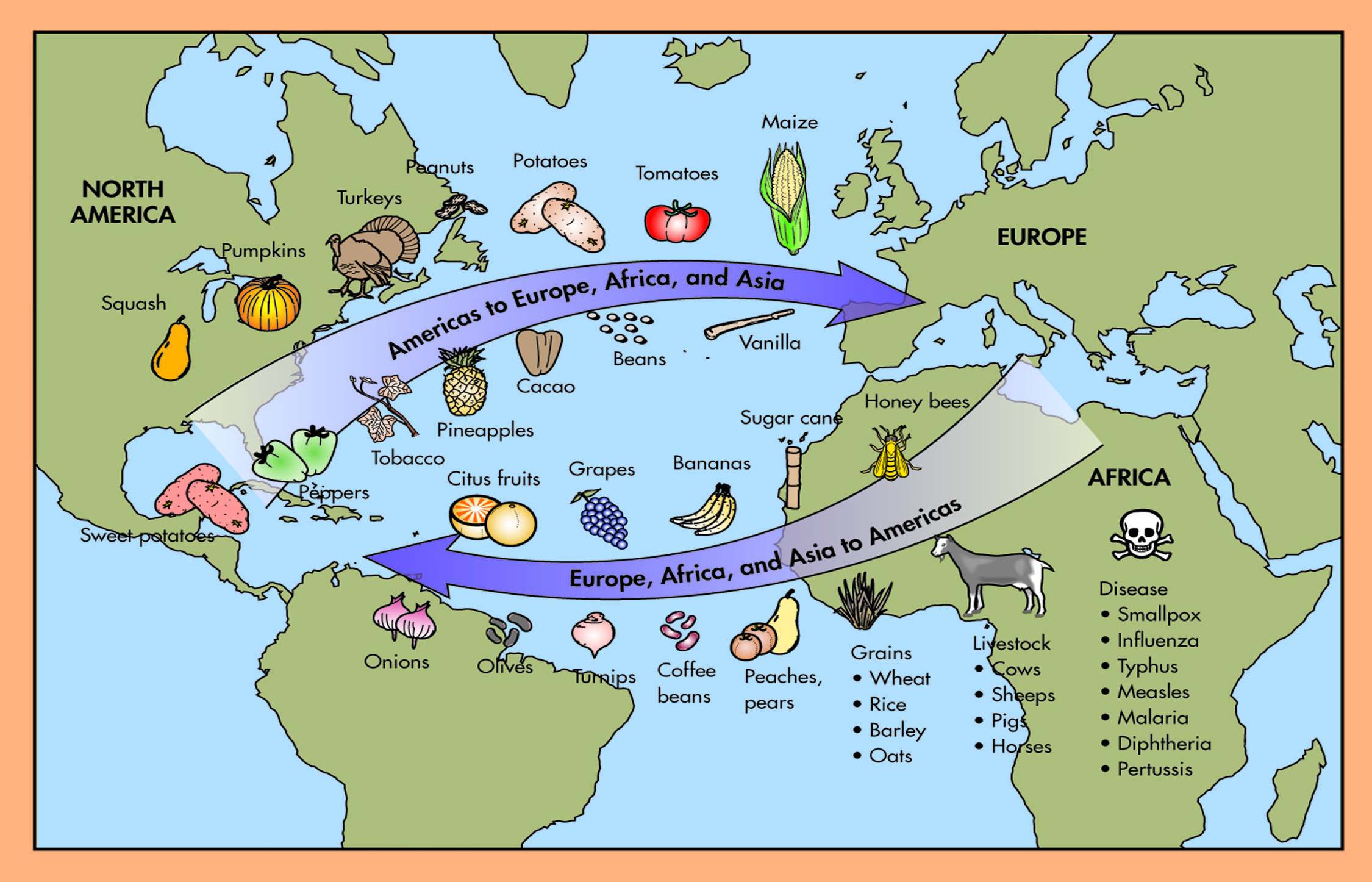
Effects The Columbian Exchange Brought
Effects to Native Americans.
Devastating impact on Native populations due to diseases brought by Europeans, which led to a dramatic decline in their numbers. 90% population Decline
Effects to African Americans
Population increases despite the intense labor conditions * Africans were now used as labor since Native Americans weren’t a reliable source Natives weren’t immune to diseases
Significant Historical Events
1588: Establishment of St. Augustine St. Augustine, founded by the Spanish holds the 1st European settlement in North America it served as a strategic military outpost and trading center, symbolizing the broader Spanish claim to territories in the New World.
1607: Jamestown (English colony) First English settlement in North America Beginning of English settlements in the New world
1608 Quebec (French colony) Founded by Sammuel de Champlain established in North America established as a trading post for Furr trading
Colonies
French colonies focused on alliances with Native Americans WHY? to be part of the Lucrative fur trade *intermarried
Spanish colonies - focused on extracting wealth and converting
Dutch Colonies- economic gain through commerce
1676- Bacon’s Rebellion uprising in Virginia mostly by frontier settlers against Governor William Berkely since he didn’t want to drive out Native Americans out of Virginia it eventually led to attacks on Native American settlements and the burning of Jamestown
1680 Pueblo Revolt also known as pope rebellion Pueblo uprising against Spanish colonizers in New Mexico because of their harsh treatment
Uprising SUCCESSFUL caused Spanish to leave Symbol of colonial resistance
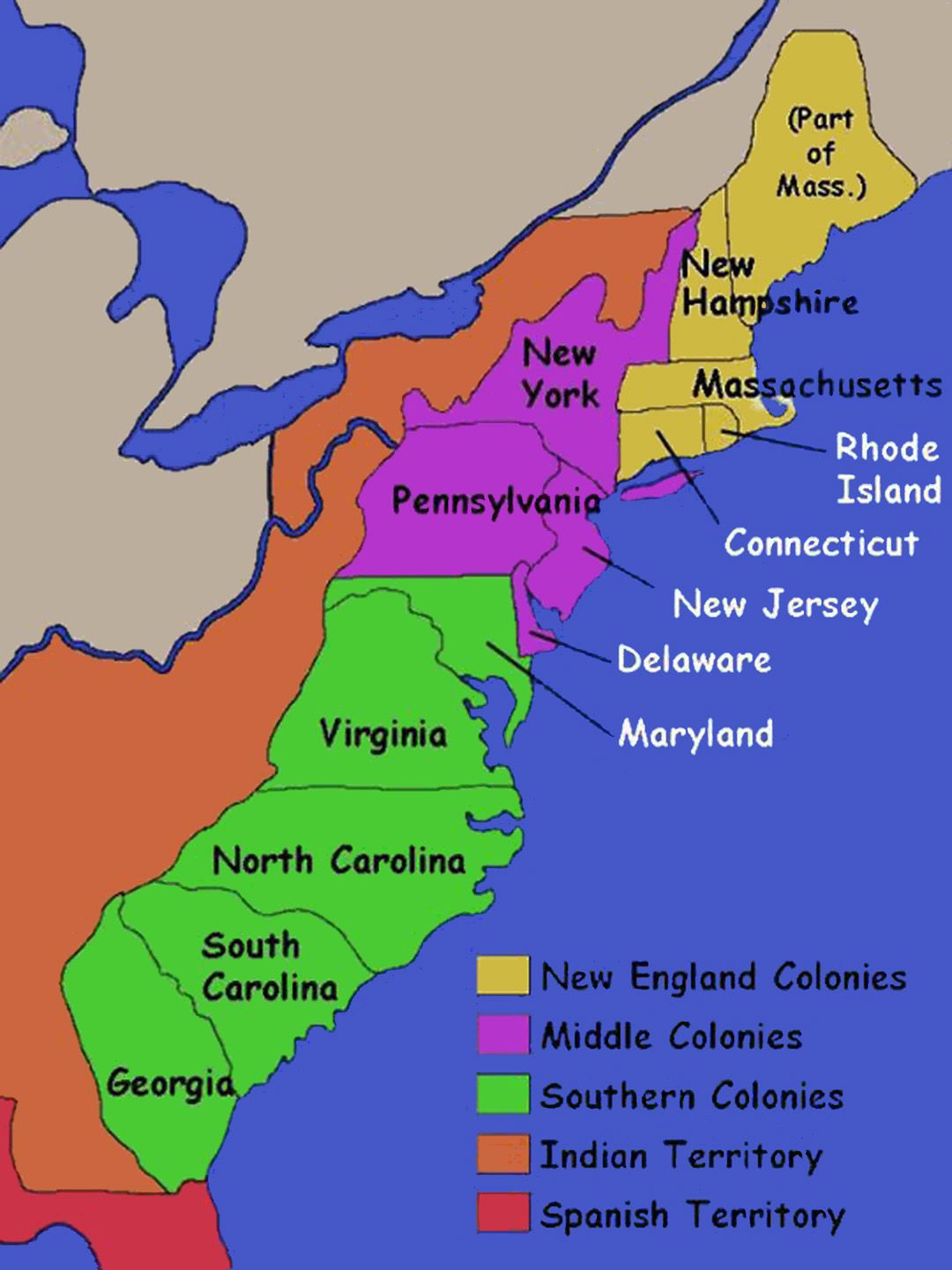
1700’s Colonial Development 13 colonies group of British settlements
New England Colonies Massachusetts, New Hampshire, Connecticut, Rhode Island
Provided religious refugee
Primarily refugee for Puritans *Puritans established strict religious laws
Had Rocky Soil primarily relied on fishing, small scale subsistence farming and trade
Middle Colonies- New York Pennsylvania, Delaware, New Jersey
Provided Religious refugee for several religious groups such as Quakers, Roman Catholics
Mild climate with warm summers and cold winters Practiced farming milling and lumbering
Southern Colonies- Virginia, Maryland, North Carolina, South Carolina, Georgia
Provided Religious Refugee to a certain extent for Catholics particularly Maryland most of the religion in southern colonies were Anglican faith it was predominate
Warm climate/hot summers mild winters did large scale plantation and agriculture
*Climate effects economic practices
1st Great Awakening
took place on American colonies (13 colonies)
1730’s-1740’s
Through 13 colonies and England
Jonathan Edwards wrote sermon Sinners in the
hands an angry God
George Whitfield from England
paved way for Independence and the
constitution
impact growth of new Baptists and Methodists
Second Great Awakening
Religious Revival in the United States
between the late 18th century and early 19th century
(1790’s- 1830’s)
rejected the Enlightenment influences
Impacts inspired major religious reform movements (abolitionists, temperance movement, and women right’s
American Temperance in (1826) goal was to reduce alcohol consumption as society wanted to reduce crime
Abolitionists Movement Driven by moral opposition to slavery
significant people
William Lloyd Published the Liberator and called for immediate Emancipation
Federick Douglas former slave became leading voice during abolitionist and civil rights
Women Rights Movement sought to address gender inequality and provide women with opportunities
Seneca Fall convention of 1848 Leader like Elizabeth Cady Stanton Marked beginning of organization of women rights in the U.S
Declaration of sentiments 1848 outlined women injustices called for woman suffrage (Suffrage=voting rights) and property rights
emphasized personal salvation and idea that everyone could achieve it through faith
society improved because of reform movements and by emphasizing personal responsibility, equality and community action
FRENCH AND INDIAN WAR (1754-1763)
War between France and Britain fought for territorial claims on the Ohio River Valley *Britian ruler King George III
had lasting impacts on the 13 colonies Britian and France
Britian in debt despite their win effected the 13 colonies *British Parliament heavy tax the colonies first tax imposed was the Stamp Act (1765)
French and Indian war had contributed to the American Revolution in (1775)
Salutary Neglect - British Government policy on the 13 colonies loosely enforcing regulation on trade. Britain had little direct control over colonies
Proclamation of (1763) British attempted to assert tighter control by stopping westward migration *Preserves Native American territory
Enlightenment Ideas
Social contract- King protects citizens and citizens must follow the law or go to jail IF king breaks the law the people can overthrow the king
Universal Manhood Suffrage- Men can vote *If they have property or no property they can vote