UD22 Infection.docx
Infection
Antibacterial/Antibiotics Overview:
When selecting an antibiotic, factors that are considered:
- Identity of the causative agent
- Sensitivity of the infecting organism to an antimicrobial
- Other factors (location of infection, age, allergies, and immune status of host)
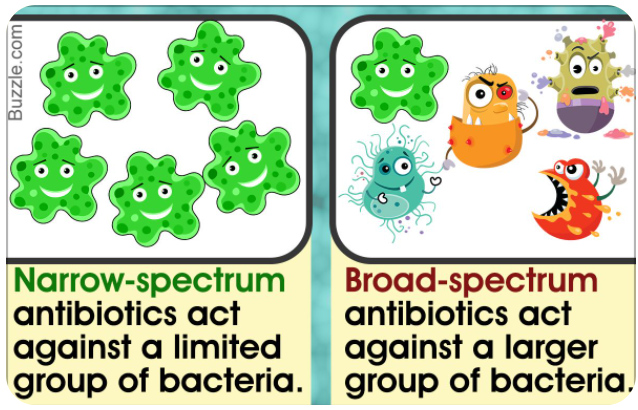
Narrow vs broad spectrum antibiotics:
Narrow Spectrum | Broad Spectrum |
Antibiotic primarily effective against limited types of organism. | Effective against multiple types of organisms |
Special Considerations
- Organ decline - adjustments may be made based on organ system declines (example, renal failure)
Teaching Point: Complete entire prescription
Penicillin |
|
Use: Treats broad-spectrum infections
Adverse Drug Reactions:
Drug Allergy | GI Upset (oral routes) | Superinfections |
|
|
|
Contraindications:
- Previous allergic reaction
Nursing Implications:
Interactions:
- Penicillin can reduce the effectiveness of oral contraceptives.
Administration:
- After administration by IM/IV routes, keep at facility for 30 minutes
Cephalosporin |
|
- Categorized by generations
Adverse Drug Reactions
GI Symptoms | Allergic Reactions |
|
|
Vancomycin |
|
Use: MRSA, C. Diff, Alternative for clients allergic to penicillin
Adverse Drug Reactions:
Toxicities | Red Man Syndrome | Thrombophlebitis |
| Tachycardia, hypotension, flushing |
|
Monitor:
- Anaphylaxis
- Superinfections
Labs:
Creatinine | Normal ranges: |
Urine output | Normal ranges: |
Vancomycin Lab Levels | Trough level – help to determine if drug is at therapeutic dose Drawn minutes before next dose
|
Administration
- For treatment of C-diff, oral route the only effective
- Unpleasant taste
Macrolides |
|
Use:
- Broad spectrum antibiotic
Adverse Drug Reactions
GI symptoms | Ototoxicity
| Superinfections |
Monitor:
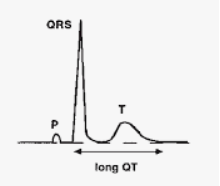
Assess for history of prolonged QT | Report any signs & symptoms of adverse reactions |
 |
|
Education
- Monitor PT/INR if also taking warfarin (blood thinner)
- PT/INR – lab that monitors the clotting ability of the blood
Aminoglycosides |
|
Ototoxicity | Nephrotoxicity |
| Monitor:
|
Education:
- Client should immediately call the provider for the onset of tinnitus, headache, vertigo, or hearing loss
Fluoroquinolones |
|
Use
- Wide range of bacterial infection
- Severe urinary tract infections
Adverse Drug Reactions:
Mild CNS Symptoms | Rupture of Achilles Tendon | Photosensitivity |
|
|
|
Caution:
- When administering to clients receiving warfarin
Administration:
- For oral administration – separate antacids, iron and calcium supplements, and sucralfate 2 hours after or 6 hours before ciprofloxacin
Sulfonamides |
|
Use:
- UTI
- Acute otitis media
- Chronic bronchitis
Adverse Drug Reactions:
Education:
Urinary Tract Antiseptics: |
|
Use:
- Treat and prevent lower urinary tract infections
- Prophylaxis for recurrent UTI’s
Adverse Drug Reactions:
Antimycobacterials: |
|
Use: Treatment of Mycobacterium tuberculosis (TB)
Adverse Drug Reaction:
- Liver toxicity
- Monitor liver enzyme levels
Education:
------------------------------------------------------------------------------------------------------------------------------------------
Antiparasites |
|
Use: Treatment of bacterial and protozoal infections
Adverse Drug Reaction:
Education:
- Darkening of urine
- Harmless
- Drug interactions: can cause disulfiram - type reaction
- Client might exhibit: facial flushing, vomiting, dyspnea, tachycardia
- Avoid alcohol
- Reacts with several types of drugs
Antifungals |
|
Use:
- Treatment of fungal infections
Adverse Drug Reactions
- Topical
- Burning, itching, redness
- Oral
- Liver toxicity
- GI upset
Monitor
- Liver function tests: ALT, AST
Interventions
- Avoid antacids, proton-pump inhibitors, and H2-antagonists at least 2 hours before
- Oral azoles require acidic environment in stomach for absorption.
- Consume with soft drink
- Oral azoles require acidic environment in stomach for absorption.
Antivirals |
|
Use
- Herpes simplex virus
- Herpes zoster virus
Adverse drug reactions – vary based on the route
Topical | Oral | IV |
| GI symptoms (N, V, D) |
|
Interventions
- Kidney function:
- BUN, Creatinine
- IV administration:
- Hydrate during infusion and 2 hours after
- Wear gloves when applying topical:
- Prevents cross contamination
Education
- Instruct client to use condoms during sexual contact and avoid sexual activity while lesions are present