Lecture 3 notes
Overview of Classical Language of Architecture
Lecture by Catherine Karusseit, Department of Architecture, EBIT (OML 210)
Key Themes
Architecture as a social act (Kostoff, 1995).
Distinct set of ideas & paradigm shifts leading to architectural evolution.
Focus on form, order, structure, and surface elaboration in architectural analysis.
Essentials of Classicism
Root language of Western architecture traces back to antiquity.
A common architectural language was established between the 15th and 19th centuries.
Two Meanings of Classicism (Summerson)
Decorative Elements:
Derived from the vocabulary of antiquity.
Recognizable standards in design.
Architectural Harmony:
Essence focused on harmony of parts.
Importance of proportion, which relates to architectural Orders and ratios.
The Five Orders of Architecture
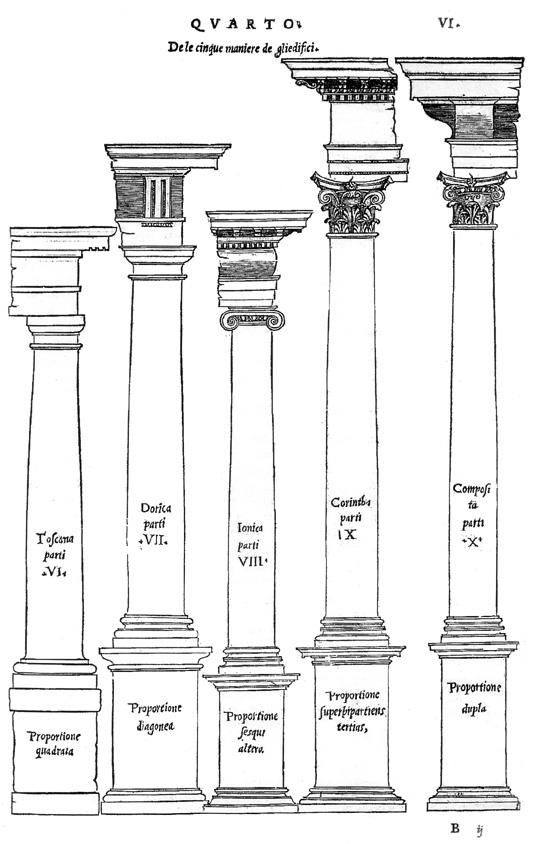
Sebastiano Serlio’s Contribution (1540):
Illustrated five architectural orders: Tuscan, Doric, Ionic, Corinthian, and Composite.
Orders defined columns and structural elements.
Exploration of these Orders should be documented accurately in student journals.
Specific Case Analysis
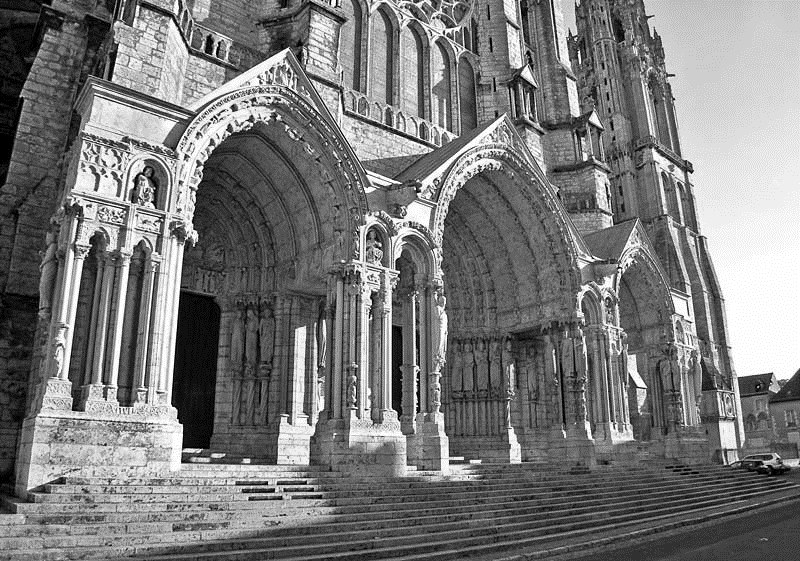
Chartres Cathedral North Porches:
Evaluated as non-classical despite possible classical proportions.
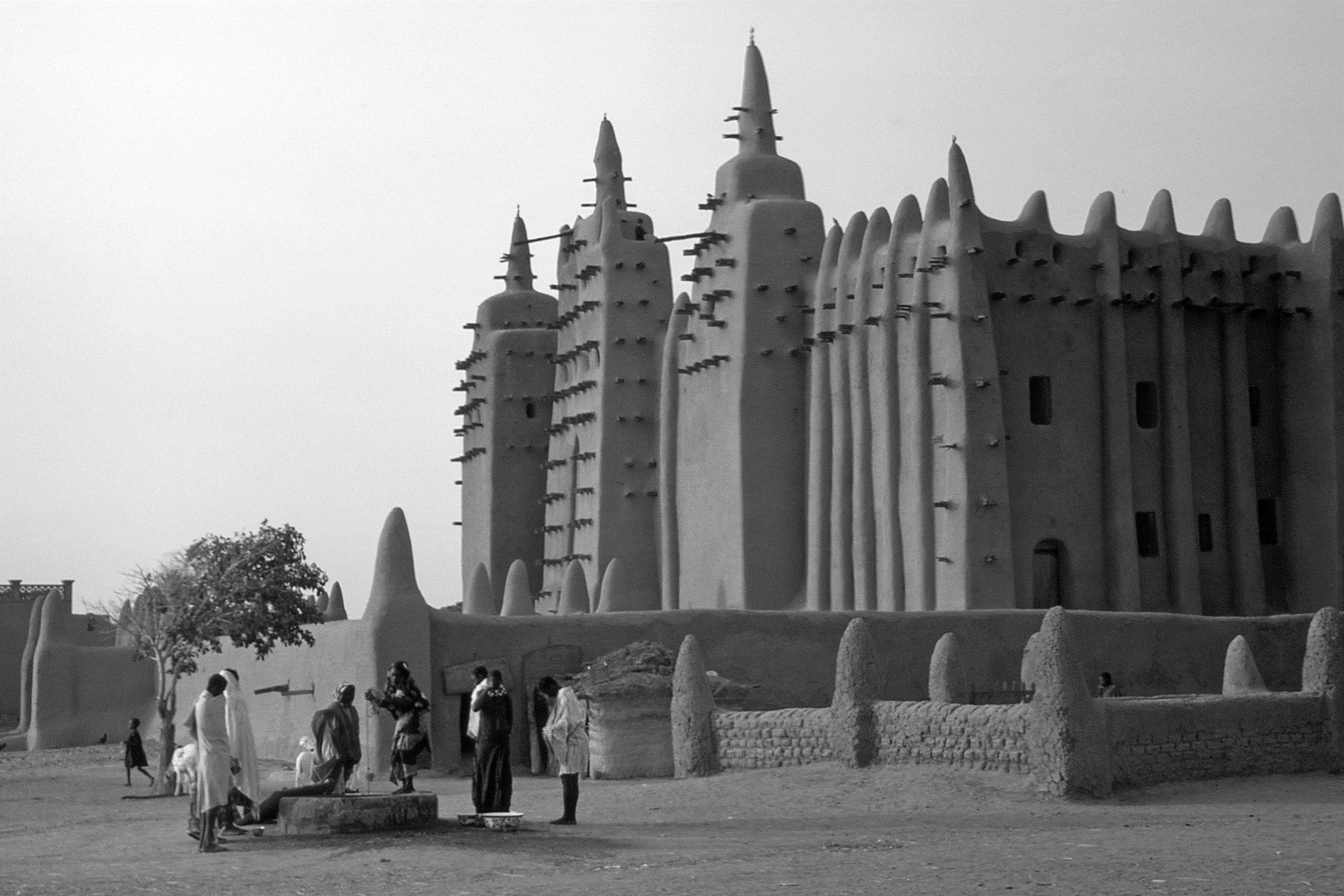
Great Mosque of Djenné (1907):
Architecture recognized for its distinctive style separate from classical standards.
Classical Architecture Defined
Recognizable only when there is a reference to the Orders.
Orders viewed as foundational elements of architectural grammar.
Serlio’s Interpretation
Vitruvius vs. Serlio:
Vitruvius describes four classic Orders; Serlio expands on this to introduce a fifth.
Presentation of the Orders as canonical authority established a universal architectural language.
Architectural Grammar and Expression
The five Orders function as grammatical expressions in architecture, emphasizing discipline.
Romans used Orders as both structural controls and decorative elements, merging with arched and vaulted architecture.
Key Architectural Examples
Colosseum, Rome:
Visual complexity with three open galleries highlighted by a solid top storey.
Blended elements of temple architecture within a multi-storeyed structure.
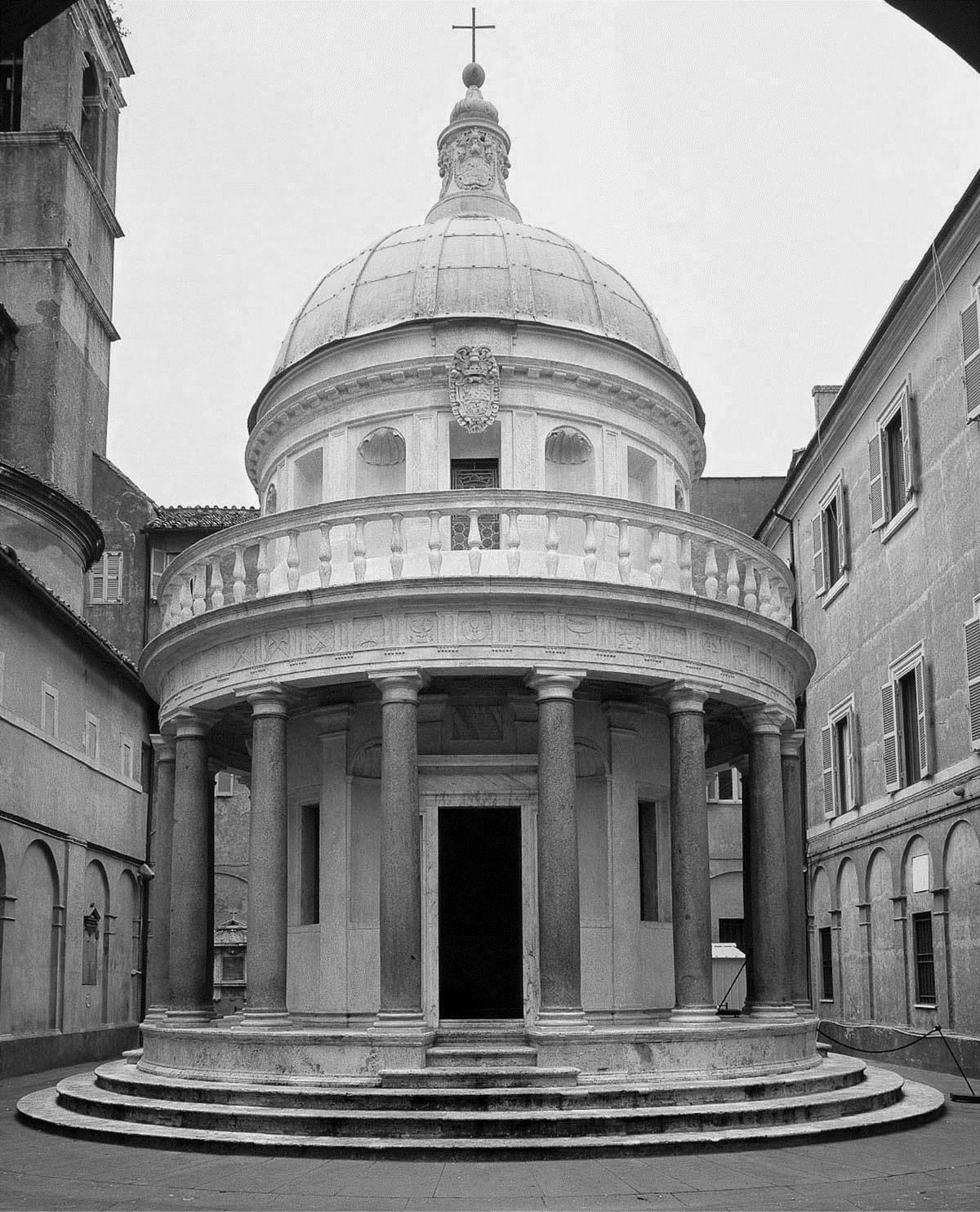
Tempietto by Donato Bramante (1502):
Example of perfect architectural prose, draws from ancient themes, and elevates holiness with careful detailing.
Evolution and Mastery in Architecture
Andrea Palladio (1508-1580):
Mastered the grammar of Roman architecture, using Orders prominently in his designs.
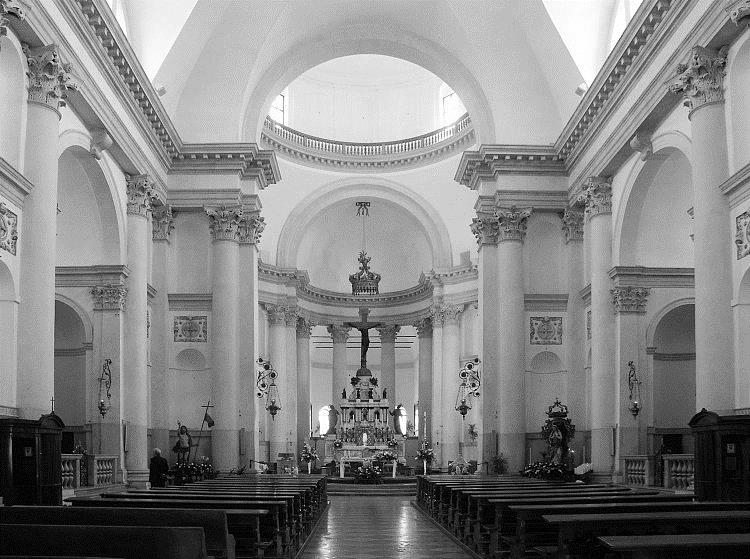
Example: Il Redentore with refined column usage and aesthetic manipulation.
Michelangelo (1475-1564):
Innovatively transcended traditional orders while introducing personal expression in his designs.
Analysis of Michelangelo’s Work
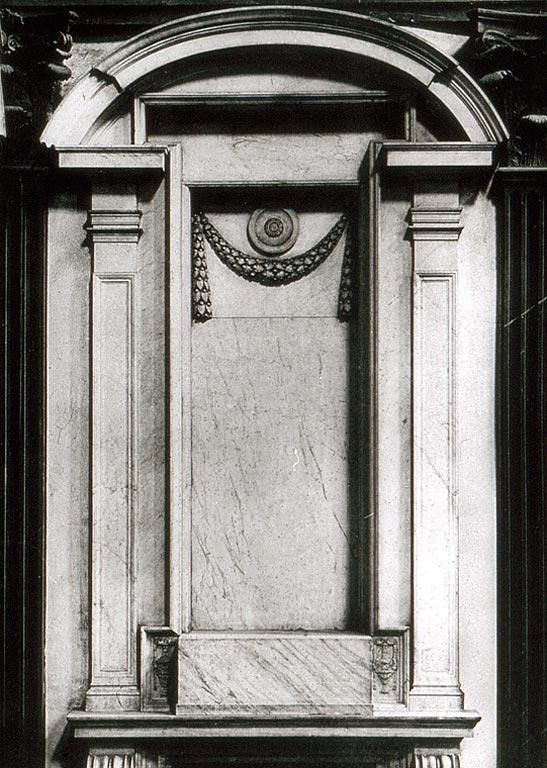
Contrasts with Raphael by introducing uniqueness in traditional structures, causing intrigue and discussion.
Conclusion
Classical architecture is a universal language, balancing between rigorous control and inventive expression.
The Orders serve dual purposes: they impose grammatical rules and offer expressive potential, shaping architectural discourse.
References
Summerson, J. (1963). The Classical Language of Architecture. London: Methuen.
More in detail type of notes:
Architecture as a social act (Kostoff, 1995).
Architecture serves not only functional purposes but also deeply influences and reflects social relations, cultural norms, and historical contexts.
It establishes a dialogue between the built environment and the society that inhabits it, reinforcing identity and continuity over time.
Distinct set of ideas & paradigm shifts leading to architectural evolution.
Architectural history is marked by significant shifts that respond to technological advancements, philosophical thoughts, and social movements.
Key periods include Gothic, Renaissance, Baroque, Neoclassicism, and Modernism, each contributing distinct characteristics to the architectural lexicon.
Focus on form, order, structure, and surface elaboration in architectural analysis.
Analysis includes understanding the physical form of buildings, the underlying order that governs design decisions, structural integrity, and decorative surfaces that contribute aesthetic value.
Scholars emphasize the importance of context and symbolism in enriching everyday architectural experiences.
Essentials of Classicism
Root language of Western architecture traces back to antiquity.
The foundational ideas and principles of architecture can be traced to ancient civilizations such as Greece and Rome, whose philosophies still inform contemporary practices.
A common architectural language was established between the 15th and 19th centuries.
This period witnessed a revival of classical ideals following the Renaissance, leading to a synthesis of ancient principles with new techniques and materials.
Two Meanings of Classicism (Summerson)
Decorative Elements:
Derived from the vocabulary of antiquity, classical architecture often employs ornamental elements such as friezes, pilasters, and cornices that embody the elegance of past civilizations.
Recognizable standards in design allow for a shared visual language that transcends geographical boundaries, fostering a sense of continuity in architectural heritage.
Architectural Harmony:
The essence of classicism focuses on the harmony of parts within an architectural composition, emphasizing balance and proportion as fundamental principles.
Importance of proportion is particularly relevant, relating to architectural Orders and ratios that create visual unity and symphony in structures.
The Five Orders of Architecture
Sebastiano Serlio’s Contribution (1540):
Illustrated five architectural orders: Tuscan, Doric, Ionic, Corinthian, and Composite, providing a systematic approach to architectural detailing and design.
Orders defined columns and structural elements, establishing a vocabulary that architects could draw upon to evoke historical resonance.
Exploration of these Orders should be documented accurately in student journals as a means to trace architectural evolution and understanding.
Specific Case Analysis
Chartres Cathedral North Porches:
Evaluated as non-classical despite possible classical proportions, highlighting the complexities in architectural classification.
Examining its design reveals the negotiation between local architectural expressions and classical ideals.
Great Mosque of Djenné (1907):
Recognized for its distinctive style separate from classical standards, reflecting the integration of local materials and cultural context in a synthesis that remains true to its function and aesthetics.
(/ Proportions may be classical but the architecture is undoubtedly
Gothic.
/ Essentials of architecture are found throughout the architecture of the
world.
/ Classical architecture recognizable only when it contains a reference to
the Orders)
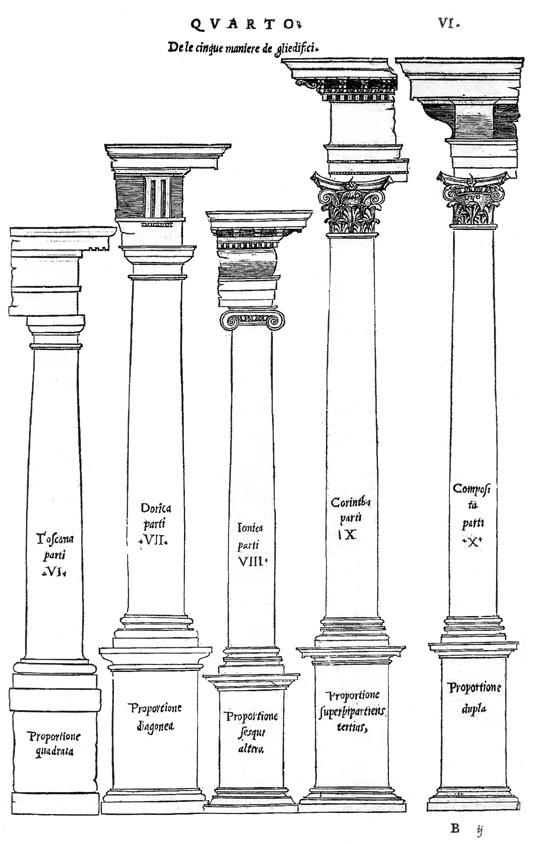
Serlio’sFive Orders
/ Column and superstructure unit of a temple colonnade
/ Tuscan, Doric, Ionic, Corinthian and Composite
Five
Classical Architecture Defined
Recognizable only when there is a reference to the Orders, wherein architectural grammar takes shape through the application of standardized forms and techniques.
Orders viewed as foundational elements of architectural grammar, enabling a shared language that enhances communication among architects and builders.
Serlio’s Interpretation(Why are there five in Sebastiano
Serlio’s woodcut?
Vitruvius vs. Serlio:
Vitruvius originally described four classic Orders; Serlio expands this to introduce a fifth, showcasing the evolving nature of architectural discourse.
Presentation of the Orders as canonical authority established a universal architectural language, influencing generations of architects and designers.
Two lessons to learn from Vitruvius and Serlio-
1. Romans accepted individuality of Doric, Ionic, Corinthian, Tuscan columns.
2. Renaissance canonization the Orders
Architectural Grammar and Expression
The five Orders function as grammatical expressions in architecture, emphasizing discipline and coherence across diverse structures.
Romans effectively used Orders as both structural controls and decorative elements, merging this system with emerging architectural innovations like arches and vaults.
Key Architectural Examples
Colosseum, Rome:
Exhibits visual complexity with three open galleries, each featuring distinct columns, and highlighted by a solid top storey that showcases the engineering ingenuity of the Roman period.
Blended elements of temple architecture within a multi-storeyed structure, demonstrating the versatility and adaptability of classical principles.
or:
/ Three open galleries = arch upon arch with solid top storey above.
/ Every row of arches is framed inside a continuous colonnade.
/ Colonnades have no structural purpose.
/ Carved representations of temple architecture in relief on a building which is
not a temple, which is multi storeyed, built on a system of arches and vaults.
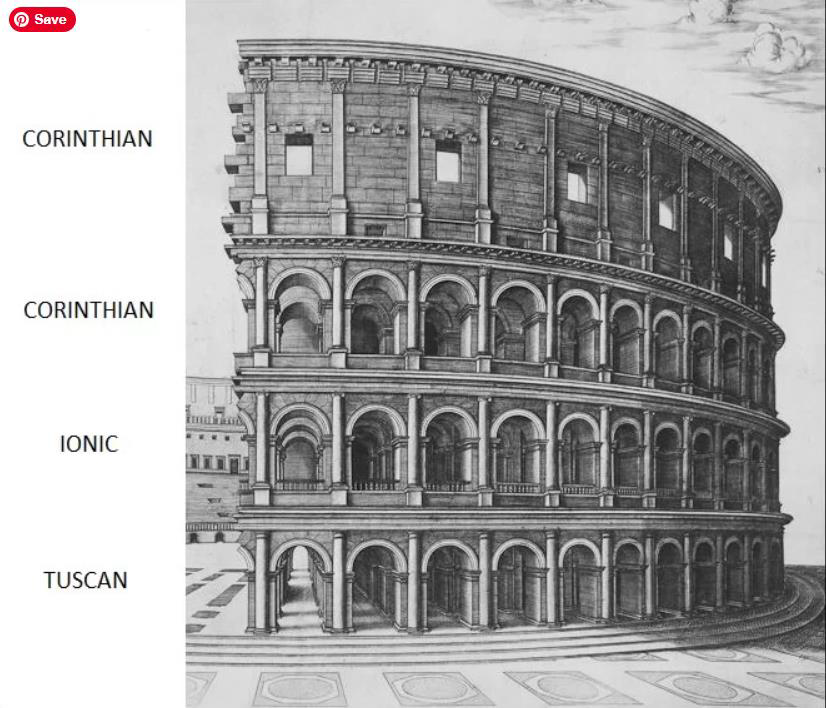
Turn our attention to a single bay –
Grammatical construction, controlled by Ionic Order obeys nothing except its own traditional aesthetic rules.
Orders serve as both expression and control.
Renaissance
Re
establishes the grammar of antiquity as a universal discipline.
Tempietto by Donato Bramante (1502):
An exemplary model of perfect architectural prose, drawing from ancient themes while elevating the sense of holiness through meticulous detailing that captures light and form harmoniously.
/ Plinth
/ Vertical penetration of the cylinder up
through to the hemispherical dome.
Yet, it is in a temple of this sort that Bramante found his theme.
•
He mounts it on three steps and sets a continuous moulded plinth
under the Order. The plinth gives the little building a lift, assuring the
viewer of its holiness.
•
Then comes the Doric Order (Vesta employed Corinthian) and then the
balustrade. Each Doric column has an answering Doric pilaster on the
wall of the inner building, the cella .
•
The cella rises higher than the colonnade and is covered with a
hemispherical dome.
Evolution and Mastery in Architecture
Andrea Palladio (1508-1580):
Mastered the grammar of Roman architecture, using Orders prominently in his designs, significantly influencing Western architectural thought.
Example: Il Redentore with refined column usage and aesthetic manipulation that embodies elegance and clarity of form.
/ Il Rendentore half columns moving to east are freed to form apsidal screen behind
altar.
/ Tall columns supporting
heavy entablature: walls
and arches as mere infill
(paradox of Colosseum).
Michelangelo (1475-1564):
Innovatively transcended traditional orders while introducing personal expression in his designs, pushing the boundaries of classical language towards a more dynamic and emotive form.
Analysis of Michelangelo’s Work
Contrasts with Raphael by introducing uniqueness in traditional structures, causing intrigue and discussion among contemporaries about the role of individual expression in classical architecture.
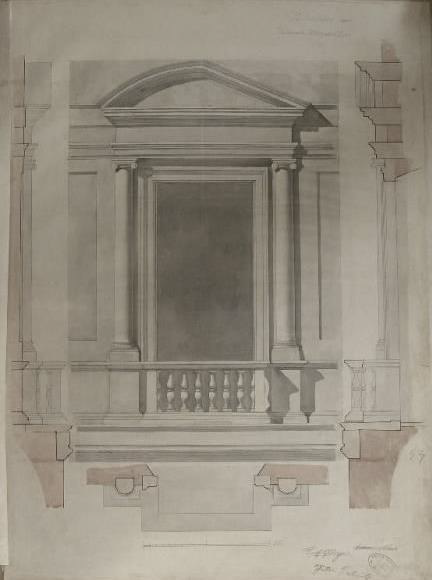
Michelangelo
/ Has the main elements of Raphael’s work: pilasters, pediment and architrave,
but re invented.
/ Michelangelo’s treatment of the niche is
strange, even unacceptable, it both intrigues
and confounds
Conclusion
Classical architecture is a universal language, balancing between rigorous control and inventive expression, fostering appreciation for both tradition and innovation in design.
The Orders serve dual purposes: they impose grammatical rules and offer expressive potential, shaping architectural discourse well into modern times.
References
Summerson, J. (1963). The Classical Language of Architecture. London: Methuen.