Analyzing Transaction to Start a - Business
the financial structure of a business
financial position
assets
liabilities
owner’s equity
financial performance
revenues
expenses
Assets
resource obtained from a past event
enterprise has control over it
future economic benefits will be received from it use
Liabilities
present obligation
arose from a past event
settlement is expected to be mad in the future in the form of an outflow of resources
equity
residual right or interest of the owner(s) over the entity’s net assets
Double entry bookkeeping or venetian model
for every value received there is an equal value parted

Qualitative Attributes
fundamental attributes
relevance - the quality of the information should make difference to enable the statement user to make informed judgment
faithful representation - objective and free from errors or misstatements.
enhancing attributes
understandability - users have enough knowledge of finance, accounting and economics to be able to appreciate the financial reports.
verifiability - data given in the reports may be duplicated by independent measures or methods that will give the same results confirming
timeliness - reports be submitted promptly or within the time needed by the statement user to come up with a sound judgement that will enable him to make informative decisions.
compatibility - helps one identify changes taking place in the entity between two or more periods so users ill be able to determine the change or trend and its financial performance or position.
consistency - uniformity of accounting treatment from on period to another period or from one entity to another entity or else comparison is not valid
Generally Accepted Accounting Principles (GAAP)
rules which are universally used in identifying, measuring and reporting financial information that guide that conduct and practice of the profession
Going Concern Principle
it is expected that the business will continue to exist indefinitely (PAS 1 par. 25) that financial statement should be prepared on a going concern basis unless management intends to close the business or cease trading.
Business Entity Concept
assumes that the business enterprise is separate and distinct from its owner or investor
Exchange Price or Cost Principle
cost is the amount agreed upon is an arm’s length transaction
Measurement in Terms of Money
all business transaction are measured and recorded using one unit of measurement.
Accrual Assumption
cash accounting
record income when you receive it
record an expense when you pay it
accrual accounting
record income when you earn it
record an expense when you incur it
Objectivity
Assets acquired must be verifiable and substantiated by documents such as invoices, vouchers or official receipts.
Reporting
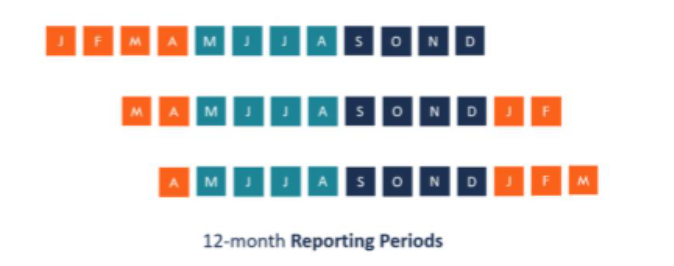
how often should the accountant prepare the financial statements especially since it is assumed that the business is a continuing concern?
Accounting Equation
Assets = equity
whereas
equities = liability + equity
thus
assets = liabilities + equity
debit = credit
/
rules of debit and credit
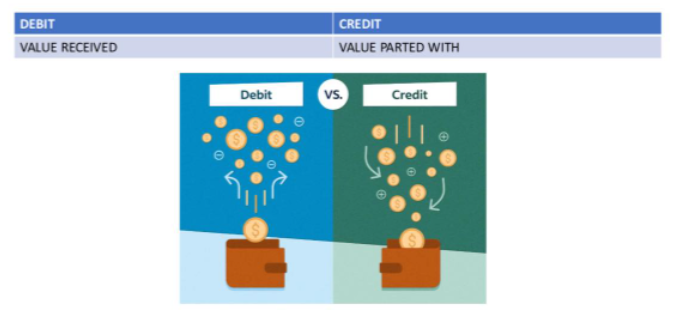
rules and debit and credit

rules of debit and credit CONT
notes
for every transaction, DEBITS = CREDITS
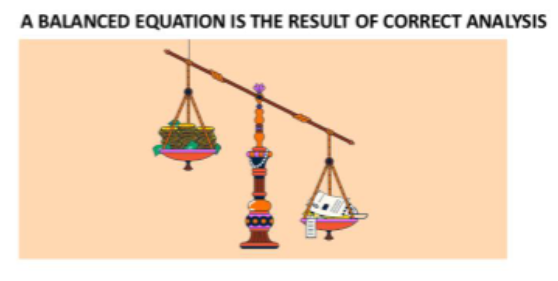
the objective of accounting is not simply to have a balanced equation but to have a correct analysis of the transactions