psych unit 2
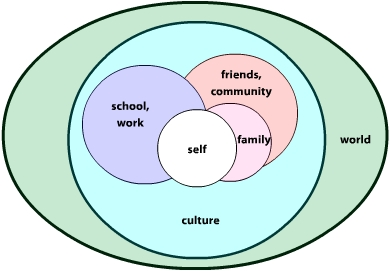
Social Psychology
- Psychology that studies effects of social variables & cognitions on individual behavior & social interaction
- Social context: real, imagined, or symbolic presence of others.
- Attitude: set of beliefs/feelings
- What influences attitude?
- Mere exposure effect: just seeing something and knowing about it makes us like it more
- Communication: people who try to influence our attitude
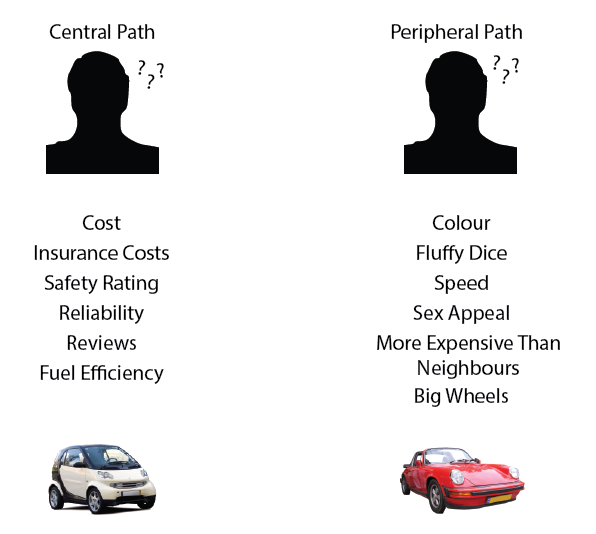
- Elaboration likelihood model: central (logic) v. peripheral (aesthetics) route
- Social context: real, imagined, or symbolic presence of others.
- Cognitive dissonance theory: people want to have consistent behaviors and attitudes
- Will change their attitude to fit a past behavior
- Compliance strategies:
- norm of reciprocity
- Foot in the door: gradually keep asking for things until you get what you want
- Door in the face: start w/ a lot
- Attribution theory: tries to explain how people determine the cause of the behavior they observe (what causes a behavior)
- situation/unstable attribution
- dispositional/stable attribution
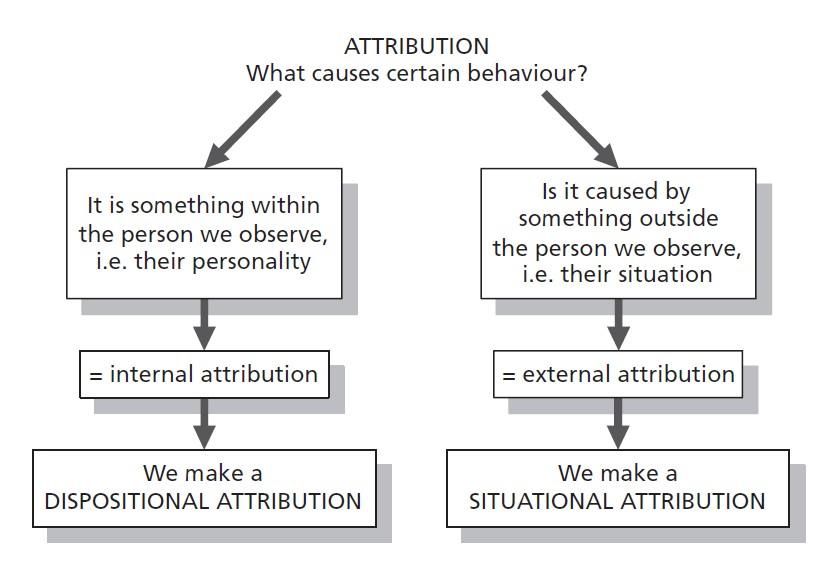
- fundamental attribution error: we overestimate dispositional factors in others & situational factors in ourselves
- Individualistic v. collectivist culture
- Self-serving bias
- Just world phenomenon: we want to believe the world is a just place & good things happen to good people & bad things happen to bad people
- Stereotype: overgeneralized idea about a group of people
- Prejudice: undeserved (negative) attitude toward a group of people
- In group v. out group
- Scapegoat theory: someone you throw under the bus
- Ex: holucaust
- Other race effect: we think other races look similar
- Outgroup homogeneity bias: if people look the same, they are the same person -> stereotypes
- Mirror image perception: mutual views often held by conflicting people, as when each side sees itself as ethical and peaceful and views the other side as evil and aggressive.
- vicious cycle of hostility
- Implicit bias test: underlying bias (implied)
- Discrimination: action based on a prejudice
- Contact theory: if you take 2 hostile groups and give them something common it will bring them together
- Roles: expected set of behaviors for a group
- Asch’s experiment:
- ⅓ participants conformed
- 70% conformed at least once
- Strengthen conformity:
- Feel insecure
- Know other people will see
- Culture encourages social standards
- Normal social influence: desire to conform to social norms to fit in
- Informational social influence: influencing from one’s willingness to accept others opinions about reality
- You think the group has some sort of knowledge you don’t
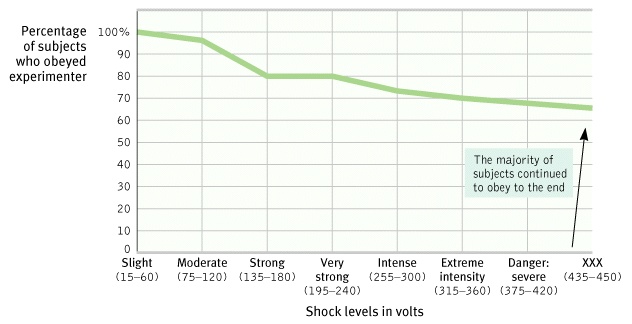
- Milgram’s study of obedience
- Obedience: listening to a higher authority
- People are most likely to obey: when witnessing someone else disobeying, people of high order were running experiment
- Obedience: listening to a higher authority
- Group influence:
- Social facilitation: when ur in a crowd being watched, you perform better (if your good)
- Social impairment: the opposite of facilitation
- Something your not good at, when people watch you you do bad
- Social loafing: people in a group use less effort when pooling their efforts toward a common goal
- Group polarization: when like minded people get together, their beliefs enhance
- Group think: mode of thinking that occurs when a desire for peace and coming to a decision quickly overrides a realistic view of alternatives.
- Deindividuation: people get swept up in a group and lose their sense of self
- Rioting
- Group thinking
- Everyone is responsible for actions
- Prisoner’s dilemma: cooperation vs. competition
- Social trap: “tragedy of the commons”
- You rely on others to be selfless, so you can be selfish
- Slide 45:
- False: social facilitation
- False: social loafing
- True: deindividualization
- False: group polarization
- False: groupthink
- Stanford prison experiment: showed how we deindivituate & become the roles we’re given
- Aggression
- Instrumental aggression: goal focused (innate-follows natural instincts)
- Hostile aggression: no particular aim
- Bandura’s theory: we become aggressive after watching people be aggressive
- Social scripts: cultural model guides for how to act in certain situations
- Help us understand what to expect
- bystander effect
- Kitty genovese
- Altruism: a good act that doesn’t benefit yourself
- Good samaritan laws:
- Social exchange theory: social behavior is an exchange behavior, we want things that help us the most and hurt us the least
- Social responsibility norm: expectation that people will help those needing help
- Attraction
- Interpersonal attraction
- Reward theory of attraction: we like those who give us maximum rewards or benefits at a minimum cost
- Four sources of attraction:
- \
- proximity
- \
- similarity
- \
- self disclosure- people who know us best, vulnerability
- \
- physical attraction
- Good questions: 1-5, 7-12, 31, 16, 17
- Bad questions: 18, 35, 36, 26, 23-24
- Pick 2 questions and ask someone them
- Halo effect: we assume attractive people are better
- Matching hypothesis: most people will find friends/mates on the same level of attractiveness
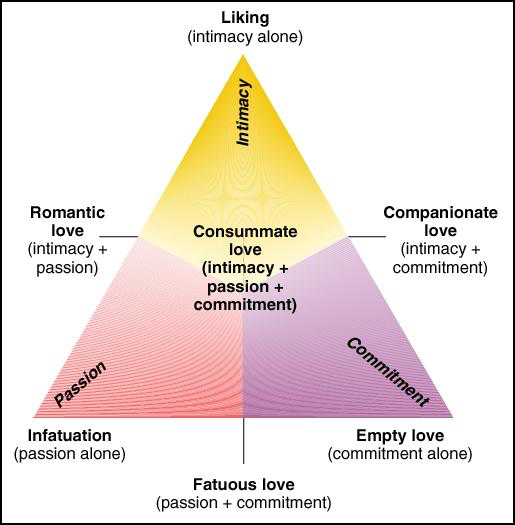
- Sternberg's triangular theory of love:
- Intimacy
- Passion
- Commitment