Pesticide
Catergory 8
public health pest control, govermental employees using pesticied
Food handling establishments
An area or place other then a private residence in which food is prepared, processed, and or served
Held includes displayed for sale as well as stored
Example: Restaurants, lunchrooms, caterers, cafeterias, bars and etc
Non-food Areas
Garbage rooms, Lavatories, Floor drains to sewers, entries and vestibules, offices, locker rooms , machine rooms, boiler rooms, garages, mop closets, and storage after canning or bottling
Food Areas
Areas for receiving , severing, storage , packaging, canning , bottling, wrapping, boxing, preparing, cleaning, slicing, cooking, grinding, edible waste storage and enclosed processing systems , oils, dairies, edible oils, syrups
Residual Applacations
General - this application to broad expanses of surface such as wall, floors,and cellings or as an outside treatment.
Spot - limmited area where incects are likely to occur. can occur on wall, floors, and bases or underside of equipment
limited area- will not exceed two squre feet.
most be as surface on which insects are likley to occur
Crack and Crevice- this is an aplacation of small amounts of insecticide into craks and crevices in which insects hide or thourgh which they may enter the building
Void treatment- is the application of insecticide into an empty space insiade a wall or ceiling, behinde a kickplate, inside a table leg or in any other void.
usually done thourgh an injector tip
insectide residue are ou of reach of people and inside prime harborage sites for cockroaches, ants, and other pests\
Baiting- is the placment of insecicide baits, which are enclosed inside bait stations or applied into cracks, crevices and voids
Sapce treating- mister, follger
General Pests
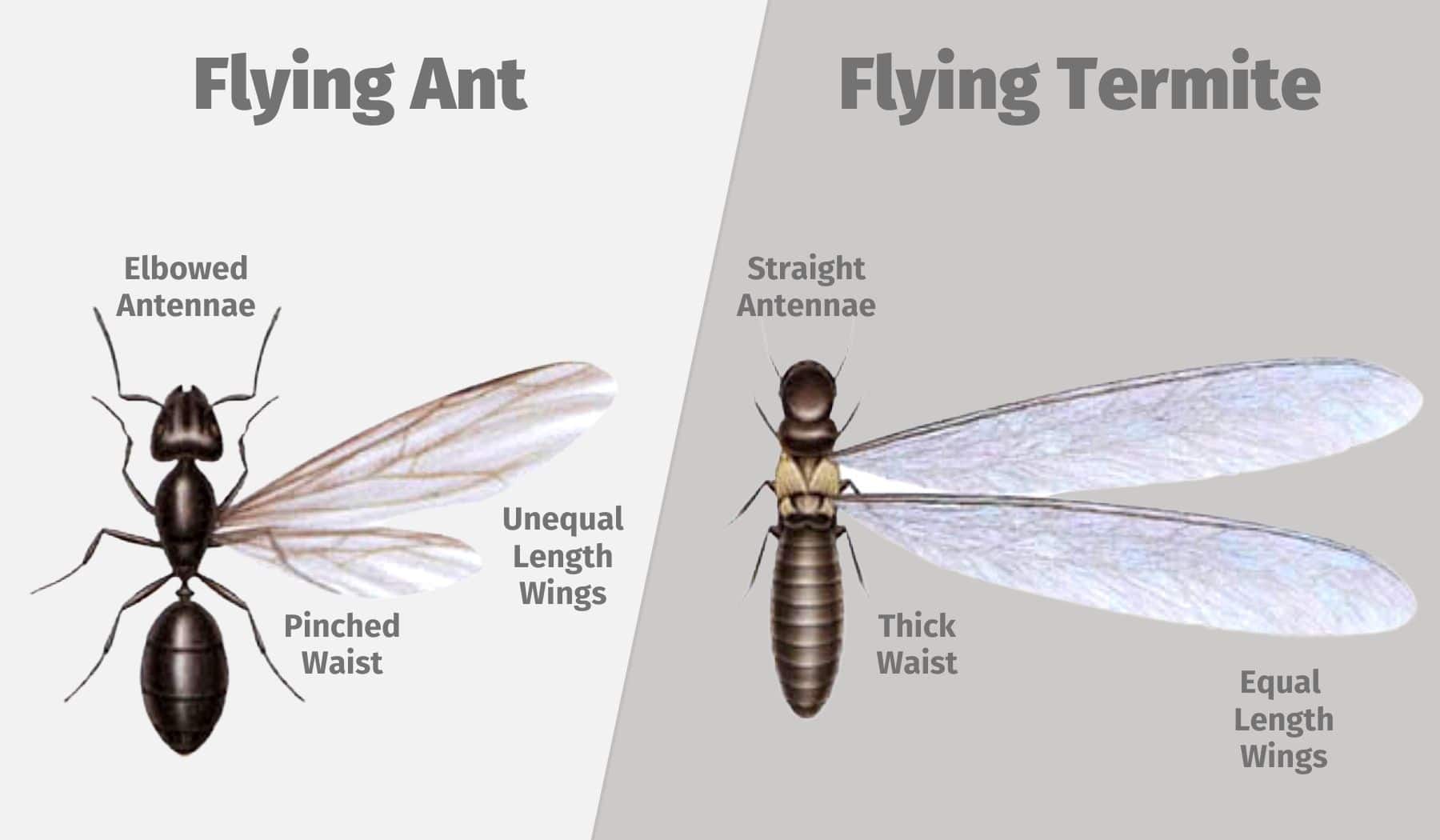
Ants -have elbowed antennae and there body a have a distinctly narrow waits
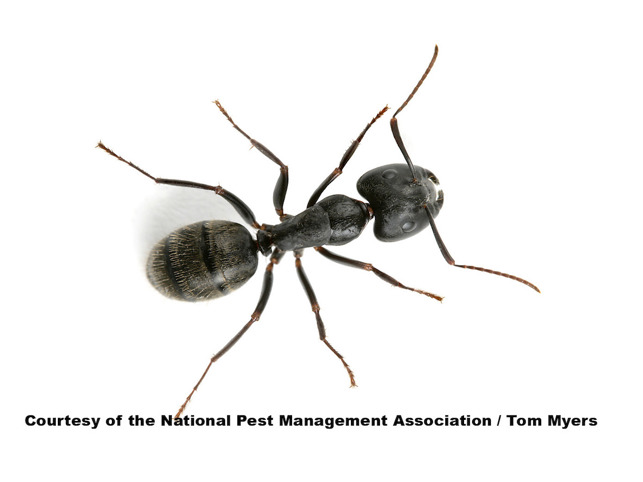
Carpenter ants build nests in hollow trees, logs, telephone poles, posts, porch, pilliars, and othher wood used in homes.
a samll pile of coarse sawdust beneath wood that has a higer then normal moisture content is a common sigin of infestation
they do not eat wood they just hollow it out
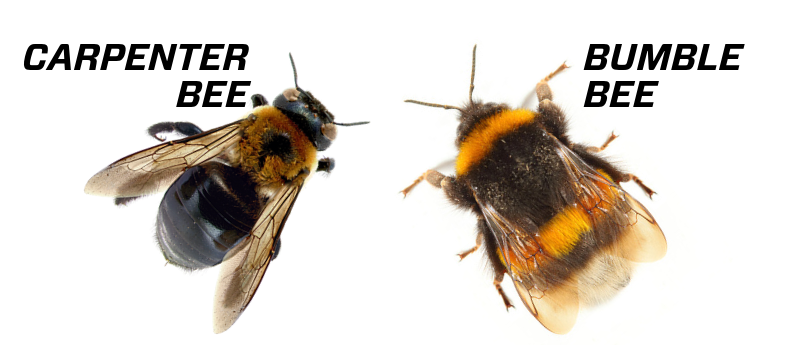
Carpentar Bees- drill ½ inch holes into exposed wood
they have a solid, shiny black abdomen
Carpet beetles and Clothes moths attack variety of woolen products, furs, feathers, and hair.

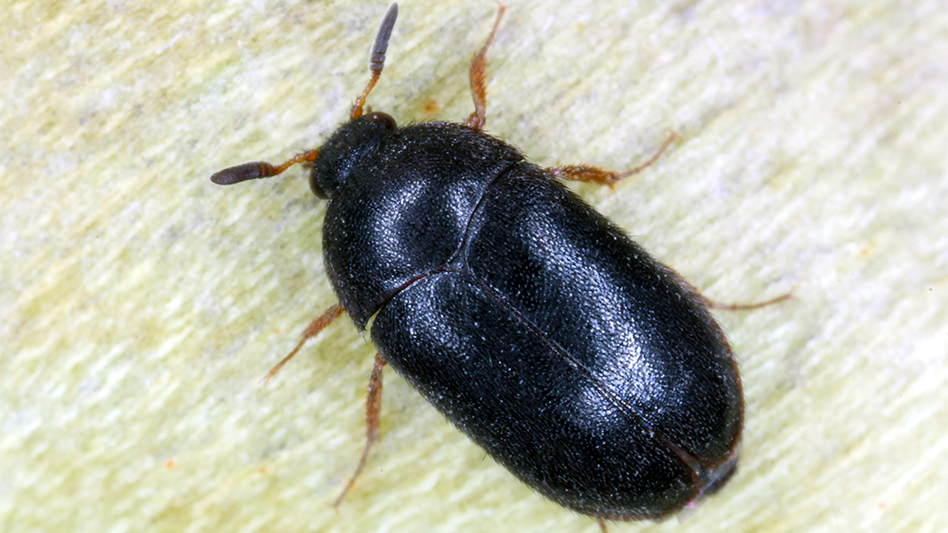
infestations are common in boxes of old clothing, overstuffed furniture, woolen coats, and piano felt
Termites
they have Straight Antennae
thick wasit
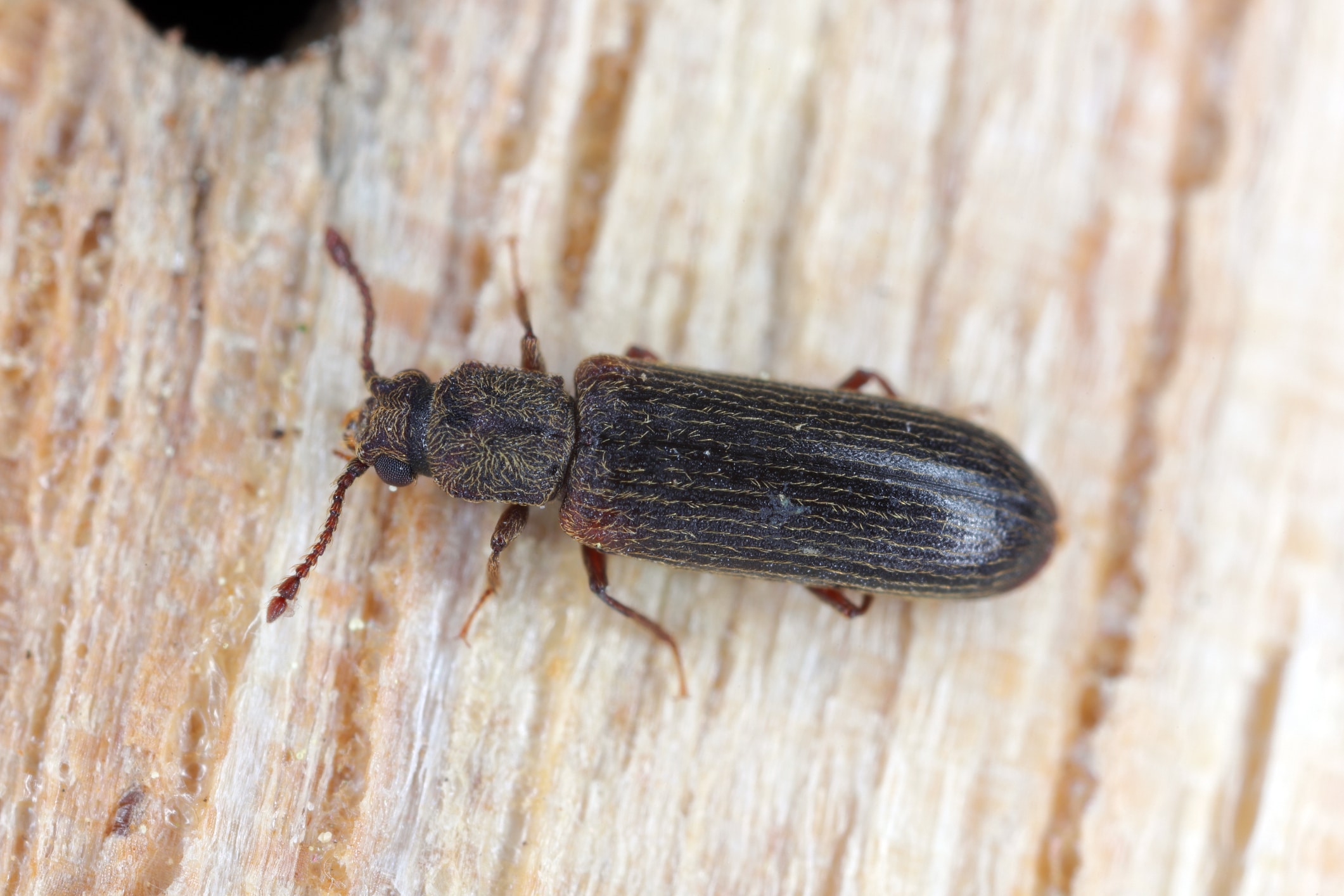
Poderpost Beetels
small shot hole exit openings in wooden surfaces are a sign of an infestation
slight jarring of the wood causes a fine powder to shift from these holes.
joists, subflooring hardwood flooring, sillls, plates, and interior trim are the parts of buldings most frequently attacked
Cockrockes
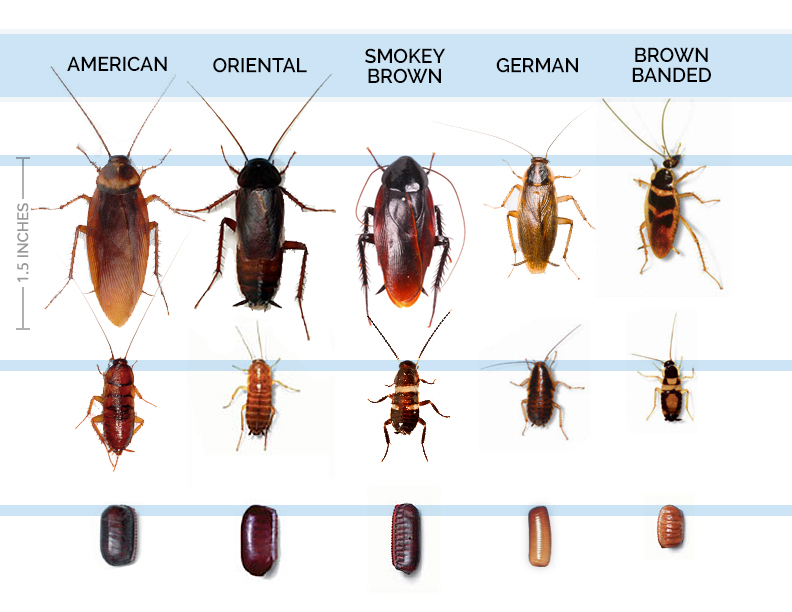
German cockroach -
most common
light brown with two parallel dark bars on the shield like like area behind the head.
Require warmth, moisture, and food
Mostly common in kitchen, bathrooms, and eating areas
Height and Kraken crevices
American cockroach
Preferred dark, moist areas such as basements and crawlspaces
Found in floor drains sump pumps pipe chases in laundry areas boiler room
Oriental cockroach calmly, dark, damp, places, sewers, and basements
where it feeds on garbage
Brown banded cockroach
Two transverse yellow bands across the base of the wings
Do not stay near water can be found anywhere in the building
Prefers locations inside up areas of ceilings walls, cabinets, and closets behind picture frame and wall decorations
Use a flushing agent, help reveal hidden pockets of cockroach, sticky tribes, glue pores
Hazard and First Aid
Signal word & symbol | Toxicity level & (Class) | LD50 Oral (mg/ kg) | LD50 Dermal (mg/l) | Toxicity Concern |
Danger- Poison/Skull & Crossbones | Highly toxic (1) | Trace to 50 | Trace to 200 | A few drops to 1 teaspoon could kill |
Danger | Highly toxic (I) | -- | Based on corrosive or irritant properties | |
Warning | Moderately toxic (II) | 50 to 500 | 200 to 2,000 | *1 teaspoon to 1 ounce |
Caution | Slightly toxic (III | 500 to 5,000 | 2,000 to 20,000 | *1 ounce to 1 pint or 1 pound |
Caution or no signal word | (I) | Greater than 5,000 | Greater than 20,000 | Slight to none |
DANGER-POISON, DANGER, WARNING, and CAUTION, the four distinct signal words currently found on pesticide labels,
Danger-Poison and a skull and crossbones appear on pesticides classified as highly toxic.
Danger (without the word "poison" or the skull and crossbones symbol) indicates the potential for permanent or severe damage to skin, eyes, or lungs from contact exposure.
Some herbicides, insecticides, and antimicrobials carry the DANGER signal word.
Warning signal word alone does not indicate whether the concern is systemic, contact, or both. Consult the precautionary statements that follow the signal word on the label to learn about the product's specific contact or systemic hazard for humans.
Caution - Contact effects are generally irritation of eyes, skin, or respiratory tract, Consult the precautionary statements that follow the signal word on the label to learn about the product's contact or systemic hazard to humans.
Oral or dermal exposure:
Remove all contaminated clothing immediately.
Rinse the exposed area with water to dilute the pesticide and to prevent skin absorption. Use the cleanest water available.
Wash the affected area, including the hair, with water and soap. Then, rinse well. Showering is better than bathing to avoid prolonged contact with pesticide resides. Avoid harsh scrubbing, which could damage the skin and enhance pesticide absorption. Gently dry the affected area and wrap it in loose cloth or a blanket,
If the skin has chemical burns, cover the area loosely with a clean, soft cloth. Do not use ointments, greases, powders, and other medications unless instructed to do so by a medical authority.
Never try to give an unconscious person anything by mouth.
Do not induce vomiting unless the label tells you to
If inhalation exposure has occurred, get the victim to fresh air immediately.
Become familiar with the proper techniques of artificial respiration. It may be necessary if a person's breathing has stopped or becomes impaired
If first responders are likely to be directly exposed to a pesticide, be sure they wear appropriate PPE
Pesticide in the Eyes
Because eyes readily absorb material, fast action is required.
Hold the eyelid open and immediately begin gently washing the eye with drips of clean water. Do not use chemicals or drugs in the wash water unless instructed to do so by a medical professional or a poison
Drip the water across-not directly into-the eye, or use an eyewash dispenser.
Continuously rinse the eye for 15 minutes. If only one eye is affected, be careful not to contaminate the other one
Flush under the eyelid with water to remove debris.
Cover the eye with a clean piece of cloth and seek medical attention immediately.
Inhaled Pesticide
Immediately carry the victim to fresh air (do not allow him or her to walk).
Do not attempt to rescue someone who is in an enclosed, contaminated area unless you are wearing appropriate PPE.
Warn other people in the area of the danger.
Have the victim lie down and loosen his or her clothing.
Keep the victim warm and quiet. Do not allow him or her to become chilled or overheated.
If the victim is convulsing, protect his or her head, turn the head to the side, and watch that breathing continues. Do not attempt to insert anything into the person's mouth during a seizure.
Keep the person's chin up to ensure that air passages are open for breathing.
Give artificial respiration if breathing stops or is irregular,.
Pesticide in the Mouth or Swallowed
If pesticide is in someone's mouth but has not been swallowed, rinse the mouth with plenty of water. Then, give the victim large amounts (up to 1 quart) of milk or water to drink.
If the pesticide is swallowed, one of the most critical first aid decisions is whether to induce vomiting. Induce vomiting only if the label instructs you to do so. Several pesticides cause more harm when vomited than if they remain in the stomach. To provide first aid for a swallowed pesticide, you must know the appropriate treatment. The decision to induce vomiting must be made quickly and accurately-the victim's life may depend on it.
Never induce vomiting if the victim:
Is unconscious or having convulsions.
Has swallowed a corrosive poison, such as a strong alkali or acid. The material burns the throat ar mouth as severely coming up as it did going down. Also, it can be aspirated into the lungs and causes damage.
Has swallowed an emulsifiable concentrate or oil solution product, which is dissolved in petroleum solvents. Emulsifiable concentrates and oil solutions may be fatal if aspirated into the lungs during
Formalation
Emulisifier- mixed with oil and water
Bait - is a pesticide, active ingredient mixed with food or other attractive substance.
Works best in small amounts in many different places
Contact treatment-the application of wet spray to kill insects immediately