Unit 0: Probability
PROBABILITY— how likely an event is to occur
“random” is a description of a kind of pattern that emerges in the long-run in a chance phenomena
Law of Large Numbers: after many repetitions of any chance process, the relative frequency of a particular outcome approaches the actual probability of that outcome
Combining these two concepts…
probability: the proportion of times an outcome of a random phenomena would occur in a very long series of reptition; long-term relative frequency
probability model: all possibile outcomes/their possibilities
sample space: the set of all possible outcomes for a random phenomenon
event: a subset of the sample space that is any outcome of a random phenomenon
PROBABILITY RULES
Probability is a number between 0 and 1
Probability 0 - the event is certain to not occur
Probability 1 - the event is certain to occur
All possible outcomes have a combined probability of 1
The complement of any event is the probability of that event not happening,
The Complement Rule:
ONE EVENT
Use addition rule for disjoint events (“mutually exclusive”) with no common outcomes (can never occur simultaneously)
The Addition Rule:
Use general addition rule for events that are joint (“mutually inclusive”) with common outcomes (can occur simultaneously)
The General Addition Rule:
MULTIPLE EVENTS
Use multiplication rule for multiple, independent events (the outcome of the first event does not affect the outcomes of subsequent events)
The Multiplication Rule:
Use general multiplication rule for multiple, dependent events (the outcome of the first event affects the outcomes of subsequent events)
The General Multiplication Rule:
The Conditional Probability:
Tree diagram, Venn diagram, Two-way table
tree diagram: use with probabilities with mutually exclusive events

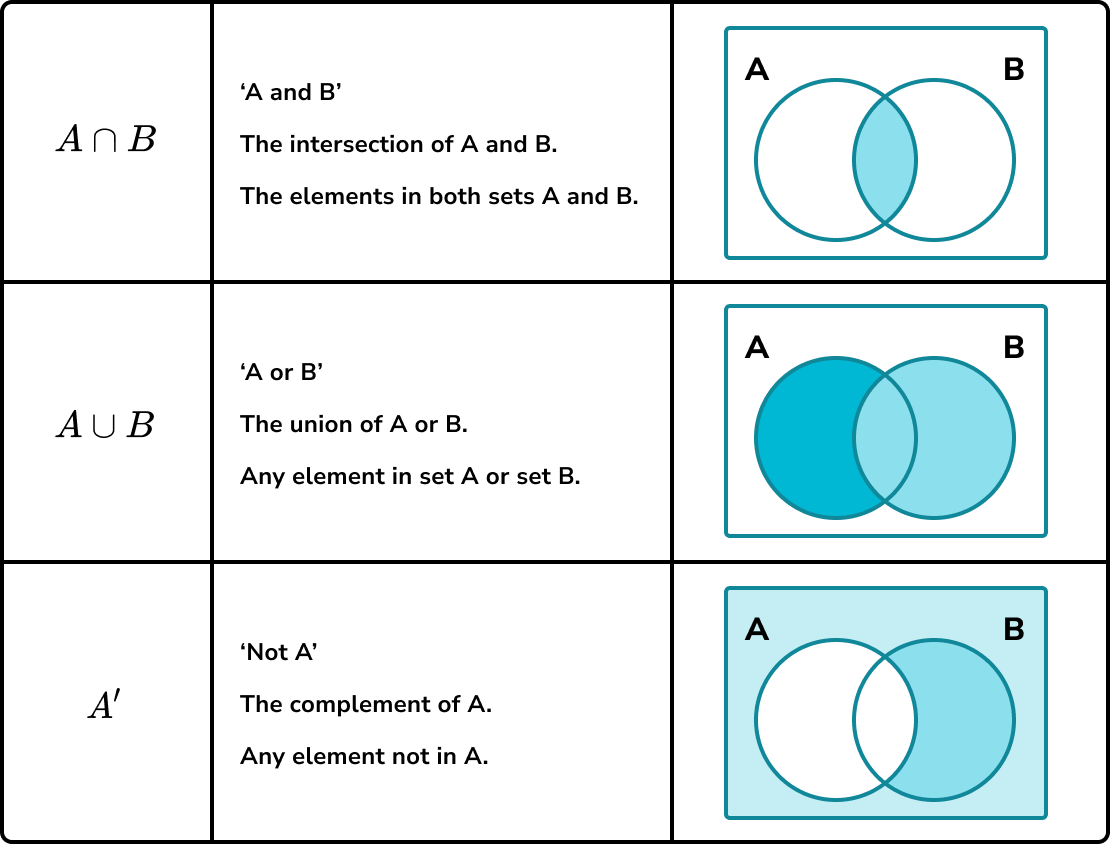
venn diagram: use with probabilities involving unions and intersections
union: this event OR that event;
intersection: this event AND that event;
complement: all elements NOT in that group;
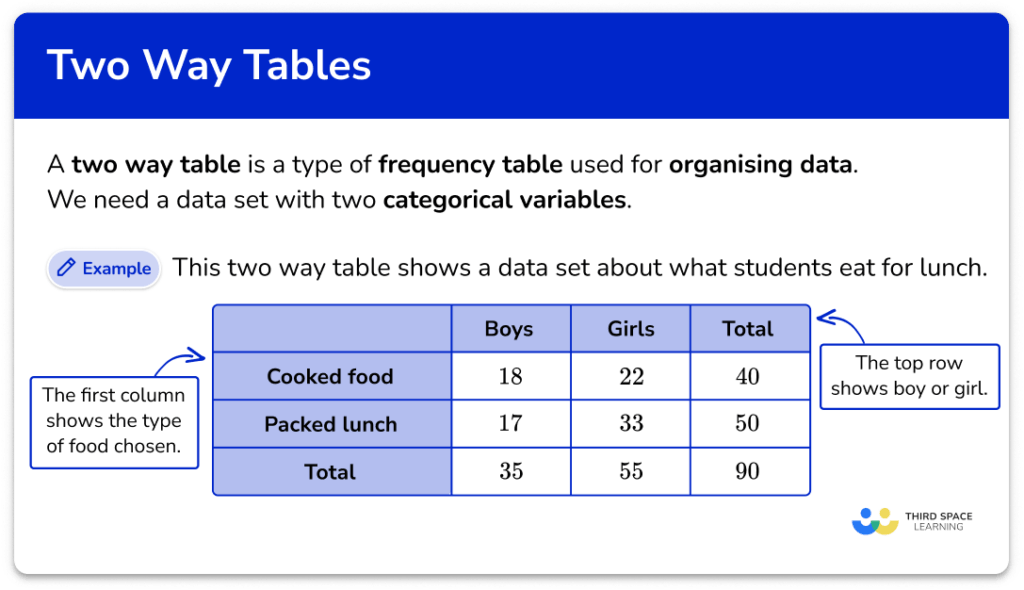
two-way tables: use with multiple variables/categories
COMBINATIONS
combinations: the number of ways an event can occur
Combinations:
is the total number of objects in the set
is the number of choosing objects from the set
TI-84: [MATH] > [PROB] > 3:nCr >
Manually: Multiply the product of the probabilities of one way by the number of ways the even can occur
“At least 1” = “1 or more” = complement of none;
Multiple events within multiple events: Multiply the probability of each event with the probabilities of two eventsb.