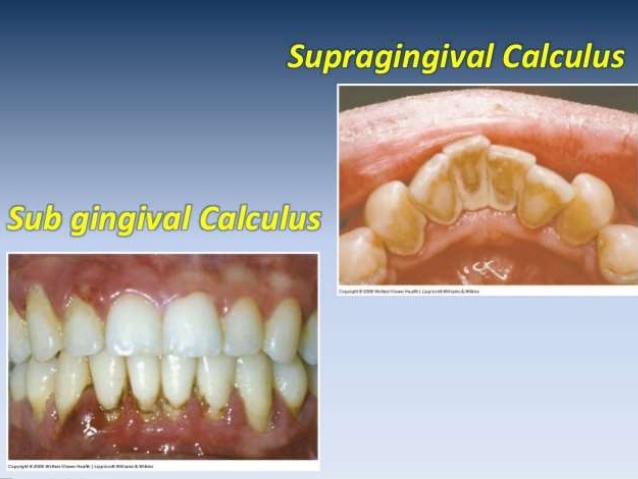
Advanced Instrumentation and Instrument Sharpening
Advanced Periodontal Instrumentation
The use of specialized instruments is to access challenging areas
deep pockets and furications
improving ergonomics
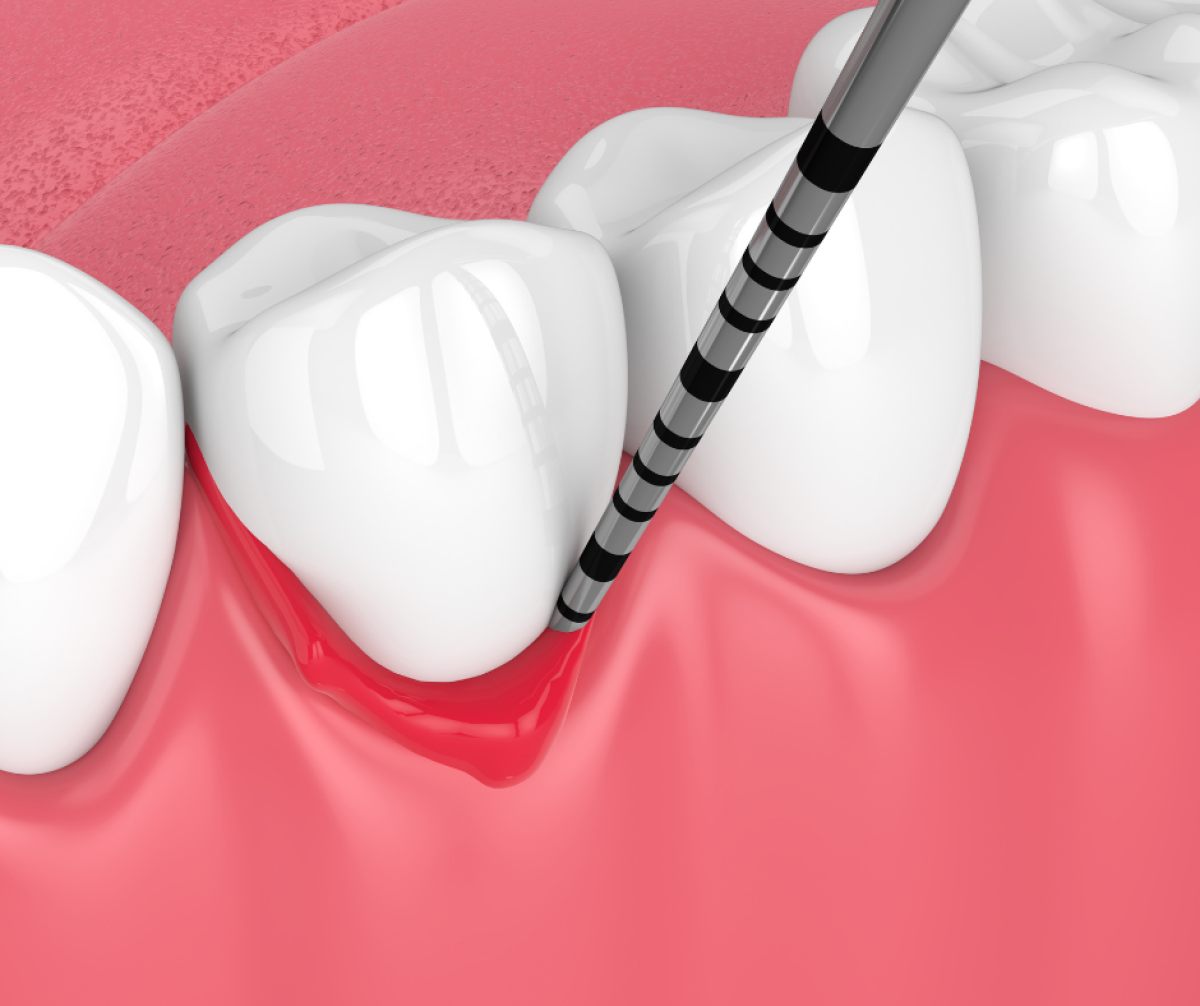
instruments are designed with:
Extended terminal shanks
Thinner blades
Modified designs for enhanced access
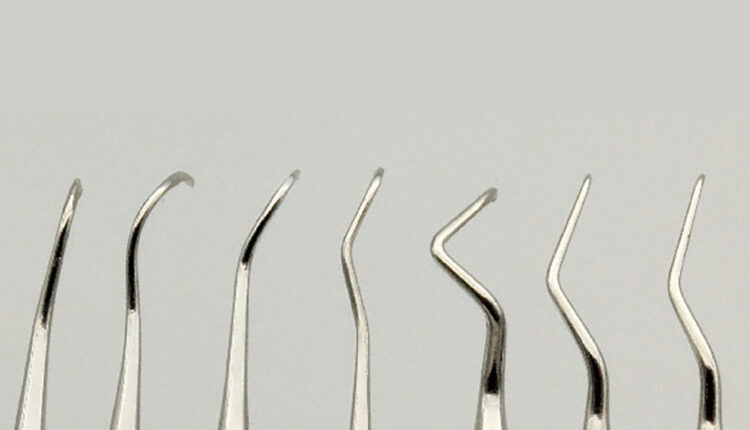
NOTE: These features allow for effective debridement in complex situations
Instrument Sharpening
How Often to Sharpen:
only as needed
Check periodically
Use selective sharpening (focus on dull areas)
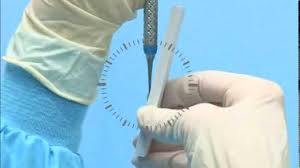
Types of Sharpening Stones
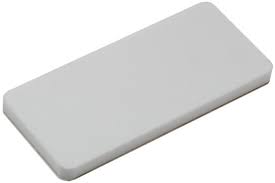
Ceramic: Fine grit; maintains cutting edge
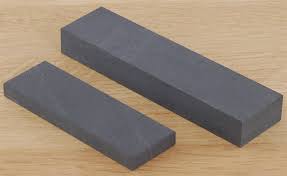
Arkansas Stone: Moderately coarse; oil recommended; restores partially dull blades
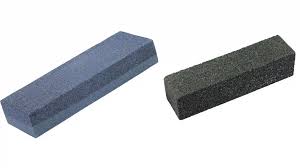
Carborundum Stone: rough, irregular particles that restore dull blades
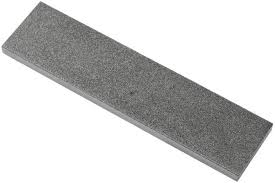
Diamond-Coated (Card/Steel): Most aggressive; for completely dull instruments
Sharpening Procedure
Position the terminal shank:
Area-specific: slightly tilted away
Universal/scaler: perpendicular to the floor
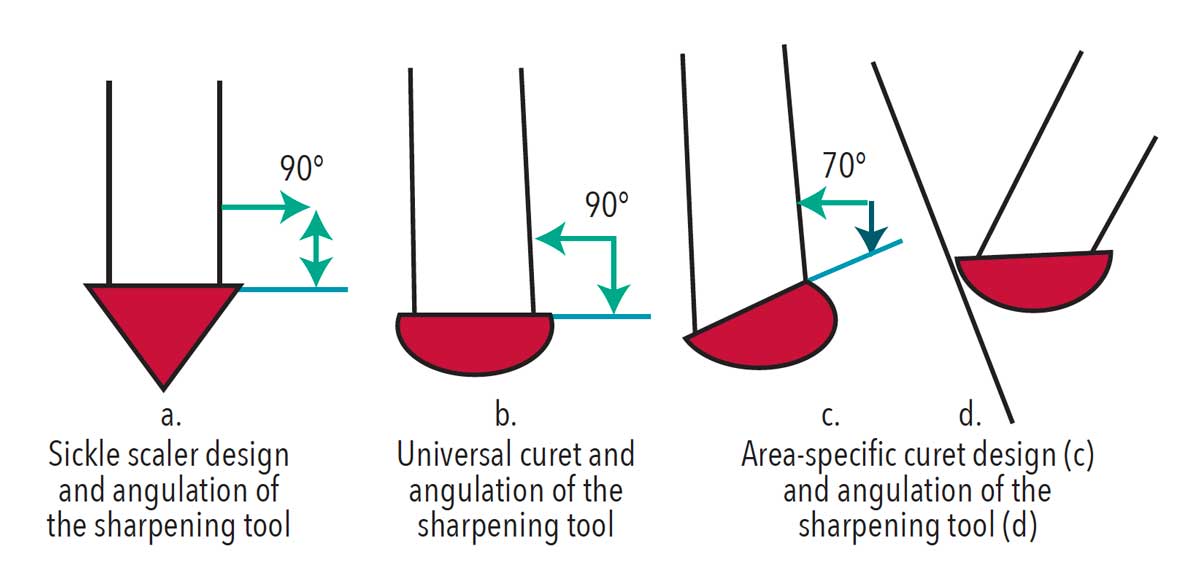
Motion:
up-and-down motion (end on a downward stroke)
Maintain correct angulation
Focus on the heel, middle, and toe (tip third)
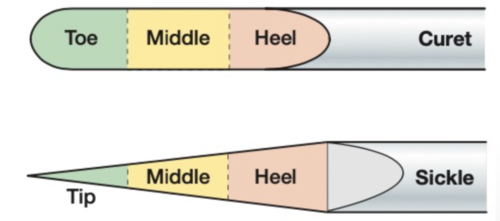
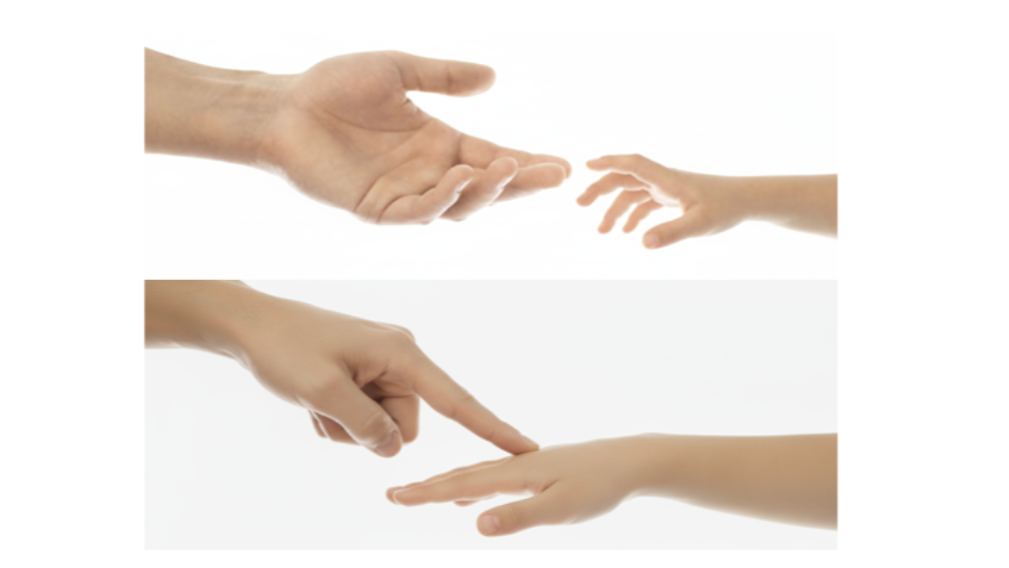
Pressure:
light to moderate
Listen for a “squeak”
3–5 strokes
Check Your Work
Test all thirds for a “bite”
Re-sharpen if needed
Round tip/toe last
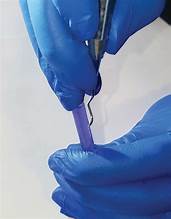
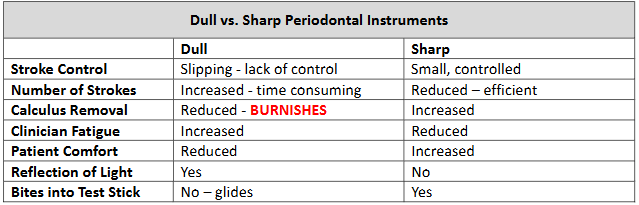
Characteristics of Dull vs. Sharp Instruments
Instrument Review
Instrument | Primary Uses | Key Design Features | Stroke Style |
|---|---|---|---|
Chisel Scaler | Anterior teeth with Type III embrasures and lingual calculus bridges | 45° angle to terminal shank | Facial-to-lingual push stroke. |
Hoe | Removal of large supragingival calculus deposits. | Cutting edge is at a 99° angle; not for subgingival use due to gouging risk. | Vertical pull stroke |
Debridement Curette | Smoothing root surfaces and removing residual deposits in deep pockets. | Multidirectional strokes with feather-light pressure. | |
Periodontal Files | Crushing/fracturing heavy or burnished calculus; used when ultrasonics are contraindicated. | Multiple cutting edges at 90° to the shank; must be followed by a curette. | Moderate lateral pressure; pull stroke only. |
Finishing files | |||
Vision Curvette | |||
Laser Therapy |
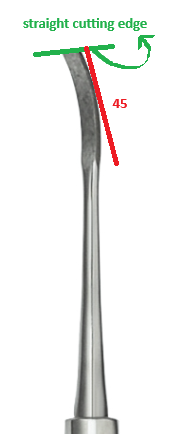
Chisel Scaler
Uses:
Type III embrasures (anterior teeth only)
Removes calculus bridges on lingual
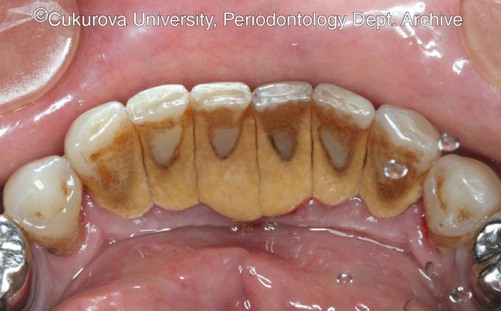
Stroke: Facial → lingual push stroke
Design: Straight cutting edge at 45° to terminal shank
Extended Gracey Curets
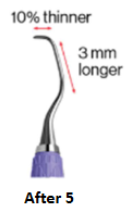
After Five Curettes
Terminal shank 3 mm longer
Blade 10% thinner
Designed for pockets ≥ 5 mm
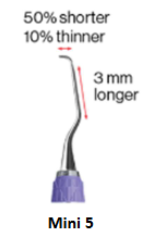
Mini Five Curettes
Terminal shank 3 mm longer
Blade 10% thinner
Blade length 50% shorter
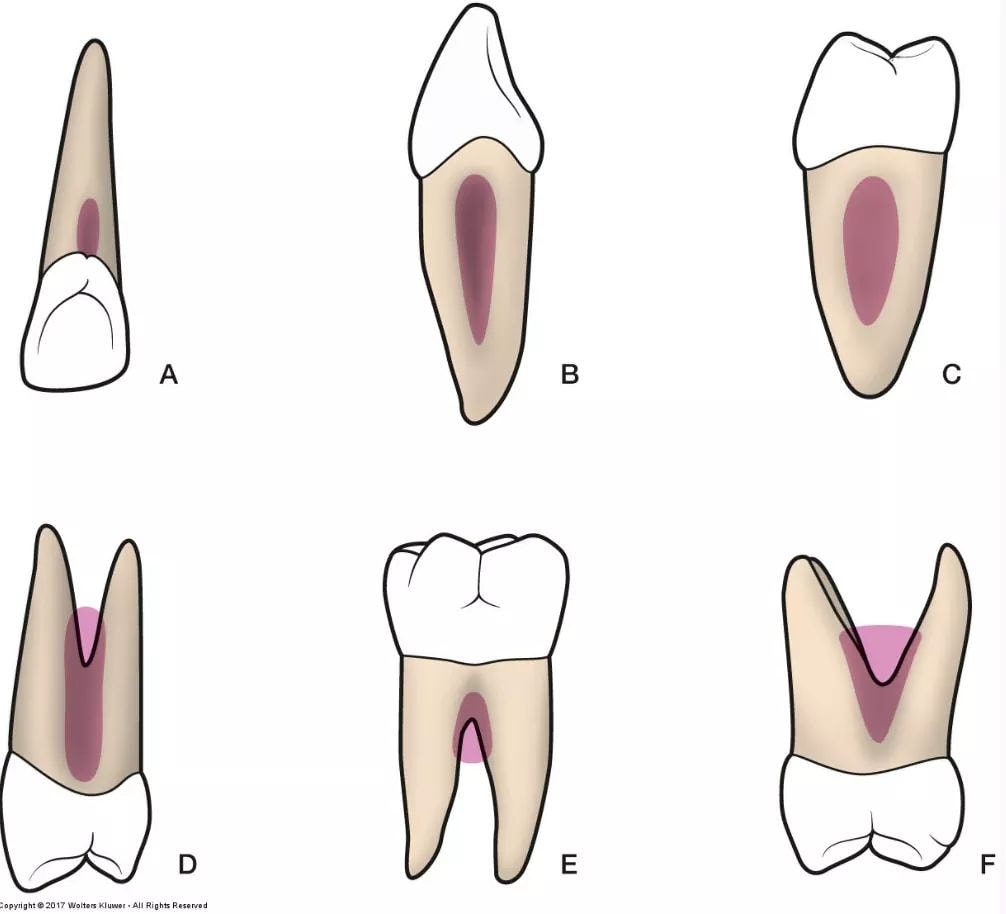
Best for:
Deep pockets (≥ 5 mm)
Concavities
Longitudinal depressions
Furcations
Hoe Scaler
Uses:
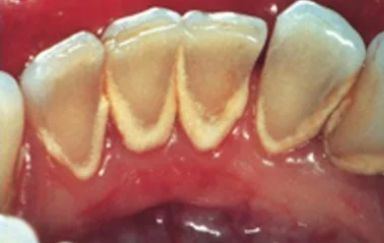
Removes large supragingival calculus
Design: Cutting edge at 99° to terminal shank
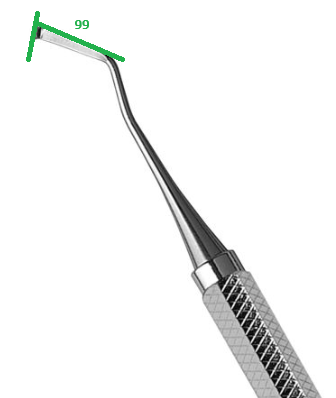
Limitations:
Not for subgingival use
Risk of gouging root surfaces
Stroke: Vertical pull stroke (coronal direction only)
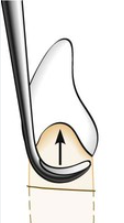
Debridement Curette
Uses:
Smooth root surfaces
Remove residual deposits
Ideal for deep pockets
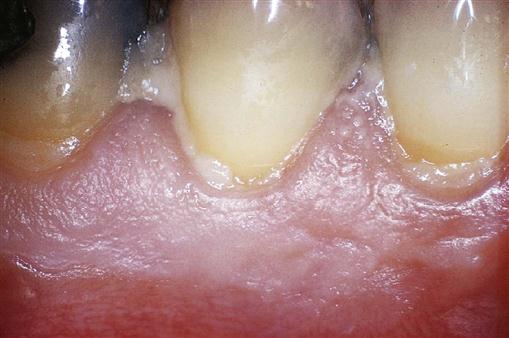
Design:
1.5 mm disc blade (270°)
Long shank (15mm)
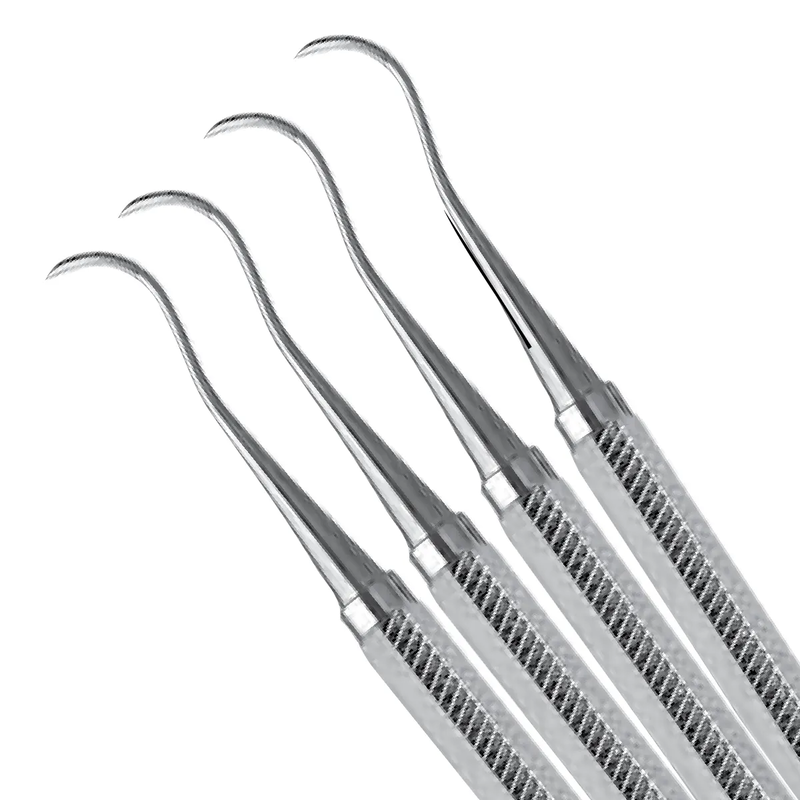
Application:
Feather-light pressure
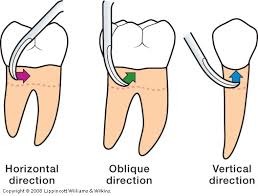
Multidirectional strokes (horizontal, vertical, oblique)
Push-pull motion
Periodontal Files
Uses:
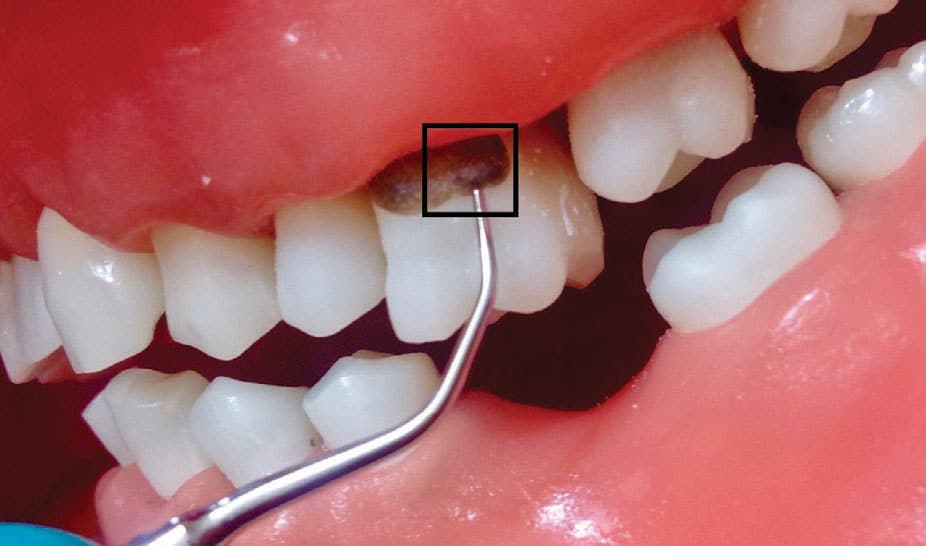
Crush and burned calculus
Used when ultrasonics are contraindicated
Must be followed with a curette
Design:
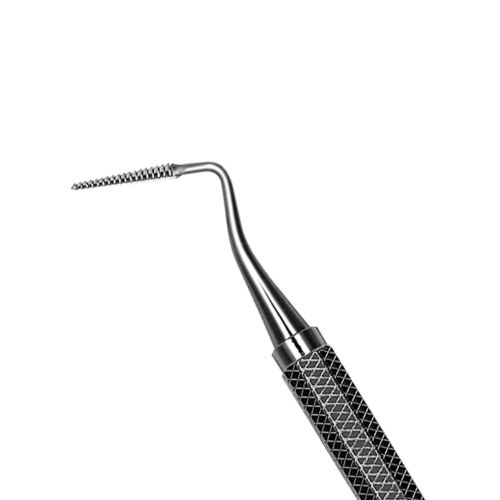
Multiple cutting edges
Blades at 90° to the terminal shank
Paired working ends
Application:
Can be used supra- or subgingivally
Moderate lateral pressure
Pull stroke only