Marine Bio: Phylogeny and Evolution
Studying the Evolution of Marine mammals
Extant species - living species
Fossil records
anatomical connection
genetic connection
Convergent evolution
Homology -similar structure due to ancestry
Common ancestor
Homoplasy -similar structure due to the environment
They don’t share ancestry
Feature evolve independently due to their environment (convergent evol.)
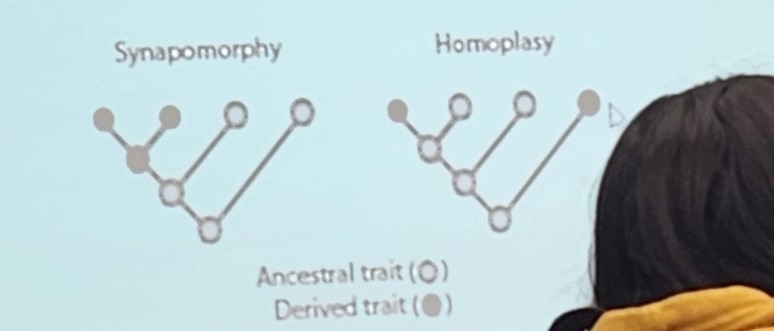
Left - convergent
Shared trait not ancestry
Right - homoplasy
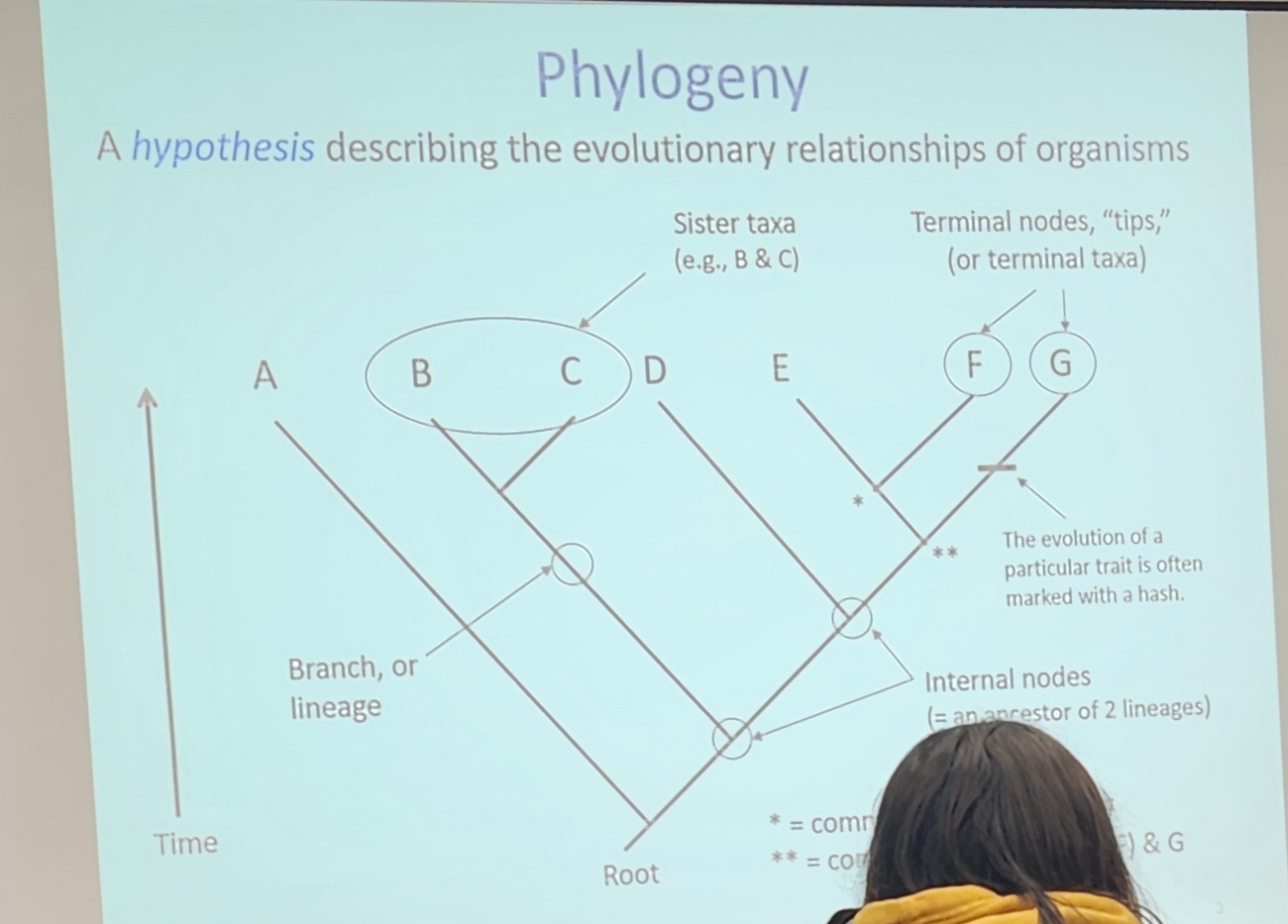
Uses the 3 sources of data to make a strong hypothesis (fossils, autonomy, genetics)
Sister taxa = connected by a single common ancestor
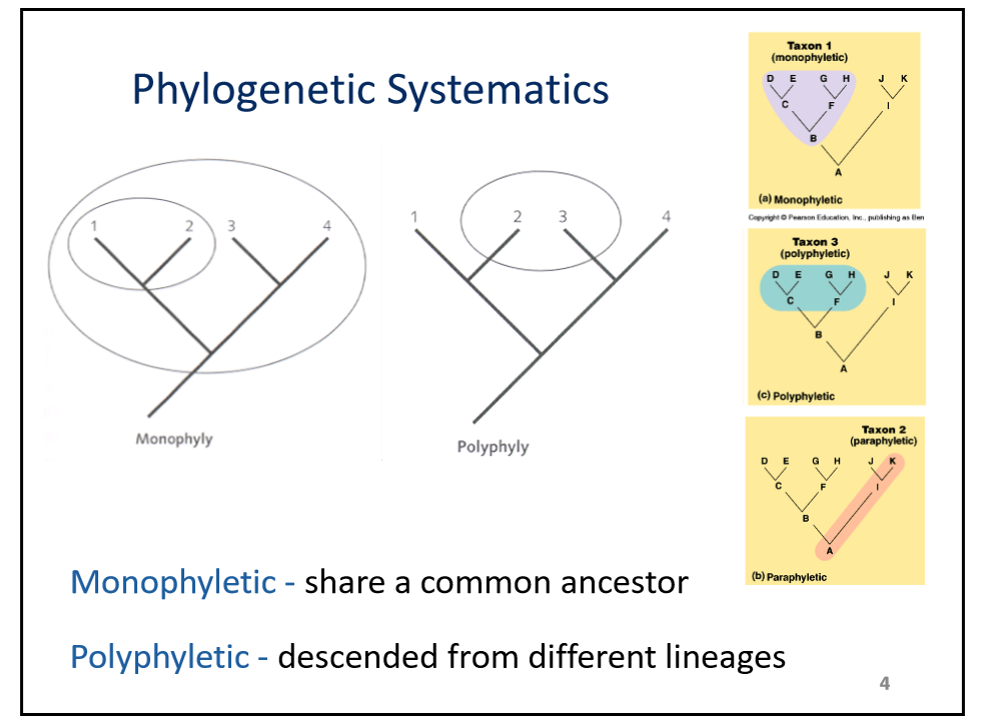 Monophyletic - share a common ancestor
Polyphyletic - descend from diffrent linages
All Epoch era
Ecocen
first whales (cetaceans and sirenians)
Oligocene (late)
first seals (pinnipeds)
Pleistocene
first mammals (sea otters and polar bears)
Separate the phocates from otiradea and odbenidea
H1 Diphyletic Evolution: originated from 2 carnivore
Primitive anatomical features of otariids
Separate locations of earliest fossil phocids and otariids
All pinnipeds have the same common ancestor
Closest relative to all 3 is bears (Ursidae)
H2 Monophyletic Evolution: single common ancestor
Unique morphological features in all 3 families
Similarities in molecular biology of otariids and phocids
Evolutionary Origins of Pinnipeds
Monophyly -supported
Closest relatives of pinnipeds - Arctoid carnivores:
Ursidae (bears)
Mustelidae (weasels, otters, skunks)
Family Enaliarctidae -Earliest Pinnipeds
End of Oligocene
Elongated fore and hind limbs for aquatic living
Longer hind limbs (tibia and fibula) than current pinnipeds
Heterodont dentition
different types of teeth. Specialized teeth for different purposes
Modern day have homodont dentition (same teeth)
Earliest family of pinnipeds but may not be an ancestor of pinnipeds. This is a debated topic. On page 3 they are separated out as their own family
Family Desmatophocidae
Early to mid-Miocene
Homosont dentition
single point cone-shaped
Large and sexually dimorphic
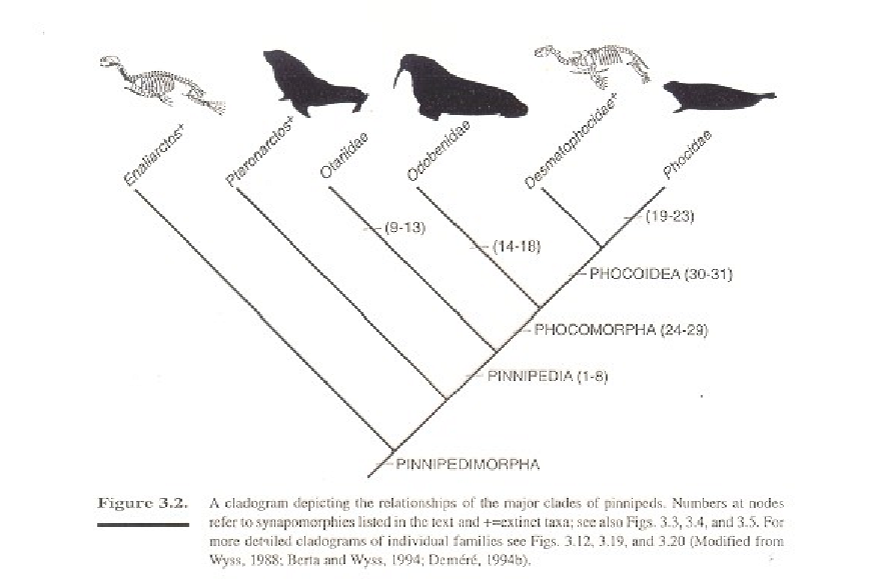 Enaliarctidae, Otarildae, Odobenidae, Desmatophocidae, Phocidae
Phylogeny of Sirenians
Sirenians
manatees and dugongs
Desmostylia
only extinct order of mammals
Closest living relatives to sirenian are Proboscidea
All are in the monophyletic group Tethytheria
Come from the Thethyla sea
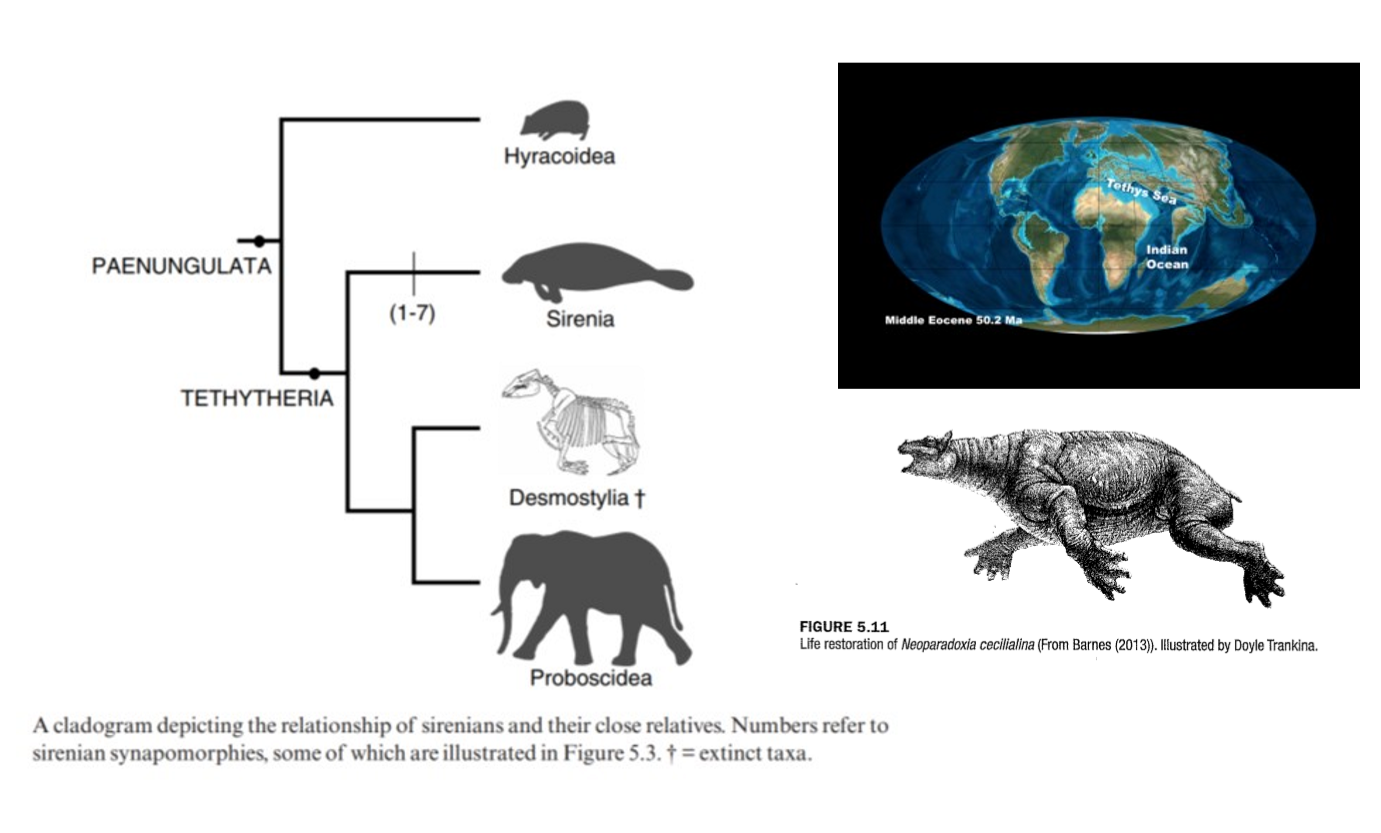
First Sirenians
Family Proastomidae
Well-developed legs with thick bones.
Dense bones prevent floating in water and allows then to wade in water but legs allude to them being amphibious. (Like hippos)
Protosirenidae (reduced hindlimb)
amphibious with reduced/weaker hind limbs
Middle Eocene
Eosirenidae (vestigial hindlimb)
loss of hind limbs (tiny vestigial bones left)
Late Eocene