lecture 9 Notes on Aristocratic Baroque Architecture and Landscape Design
Overview of the Lecture on Aristocratic Baroque
Focus on architecture of the Aristocratic Baroque in 17th Century France
Shift of attention from Italian church architecture of Counter-Reformation to urban landscapes of France
Key Figures: Louis XIV (Sun King) and landscape designer André Le Notrê. Louis XIV focused on consolidating power, and his architectural choices reflected his vision of a centralized, glorious France. André Le Notrê's innovations in landscape design helped to establish a new aesthetic in garden layouts, emphasizing the relationship between the natural landscape and the regal authority.
Structure of the lecture:
The City
The Palace (East Wing of Palais de Louvre)
Absolutism (Paradigm of Louis XIV)
The Parc (Conception, Principles, Three Artefacts of André Le Notrê)
Conclusion
The City
Development of Paris as a Baroque city correlates to visible embodiment of Baroque ideals.
Planned visits to holy and power places made easy, unlike Medieval/Renaissance cities.
Baroque cities feature wider streets for movement, aligning with the era’s desires for participation and dynamism.
Key Characteristics of Baroque City
Loss of individual building identity: Buildings integrated into a greater urban system, emphasizing collective grandeur rather than individual style.
Importance of space: The spaces between buildings were essential elements of urban design, creating a breathable urban environment that prioritized the experience of the observer.
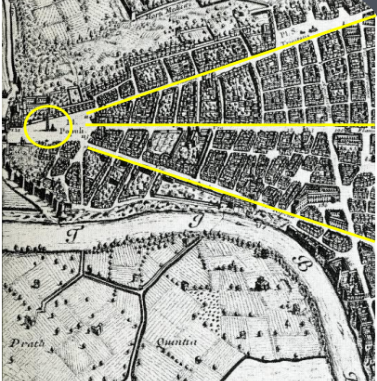
Organized city plans: Designed around foci with dominant axes that determined the flow of traffic and the movement of people, showcasing architectural features aligned along central lines of sight. For example, the Piazza del Popolo in Rome exemplifies this with radiating avenues extending from a central obelisk, guiding visitors through the space.
The Palace
Dominance of city-palace and country-house architectures in the 17th century.
Palaces blend private and public realms, extending their ideological power.
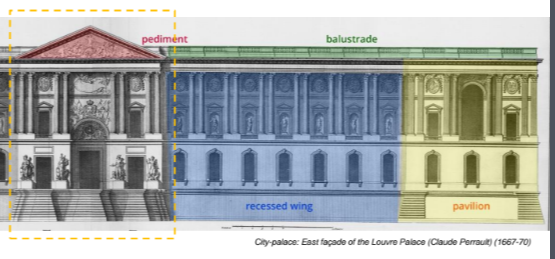
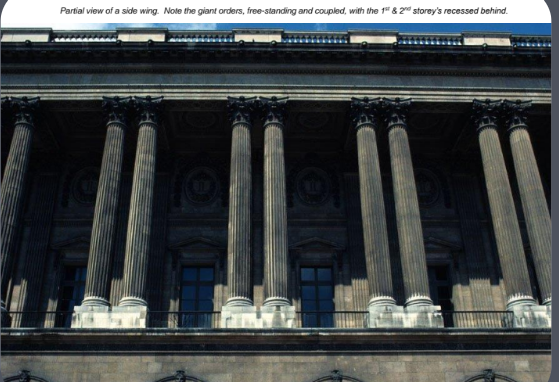
The East façade of the Louvre is a prominent example:
Designed by Claude Perrault (1667-70). This façade represented the glory of monarchy through classical features, implying both aesthetic beauty and political power.
The East Wing - Louvre Palace Design Process
Initial designs by Bernini rejected; led to the collaborative design by Le Vau, Lebrun, and Perrault.
Perrault’s design linked Louis XIV to classical Roman emperors, inforcing his position as a figure of absolute power.
Designed by Claude Perrault (1667-70): This façade represented the glory of monarchy through classical features, implying both aesthetic beauty and political power.
Absolutism
Spain’s decline contrasted with rising power of France under Louis XIV.
Louis XIV epitomized absolutism; famously declared "I am the State."
The concept of Divine Right of Kings reinforced his absolute rule.
Total control over arts, sciences, religion, politics, and culture.
Louis XIV’s grand vision was reflected not only in governance but also in the opulent architectural styles of the era, which sought to visually represent his power and supremacy.
The Parc
André Le Notrê redefined garden design in France, creating organized, heroic landscapes.
Shift from medieval compartments to organized open spaces reflecting state power.
Principles of Le Notrê's Landscape Design
Emphasis on infinite perspectives: Landscapes were created to minimize barriers and maximize visual continuity, enhancing the experience of visitors immersed in the beauty of the surroundings.
Dynamic movement: Paths and waterways were designed to guide guests through a majestic experience, simultaneously showcasing the monarchy's grandeur while promoting participation in the experience.
Reflective water elements: Water was skillfully integrated as a reflective element that enhanced a sense of unity between the earth and the sky, further symbolizing the divine aspect of the monarchy's power.
Key Artefacts of Le Notrê's Work
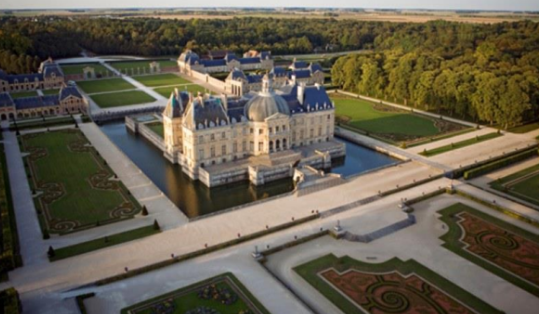
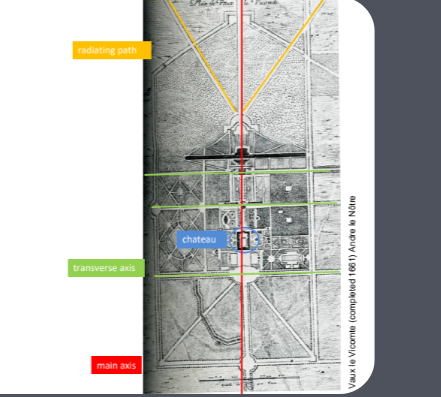
Vaux le Vicomte (1661)
First major work of Le Notrê, emphasizing landscape over architecture.
Featured grand canals and elements of surprise.
Chantilly (1663)
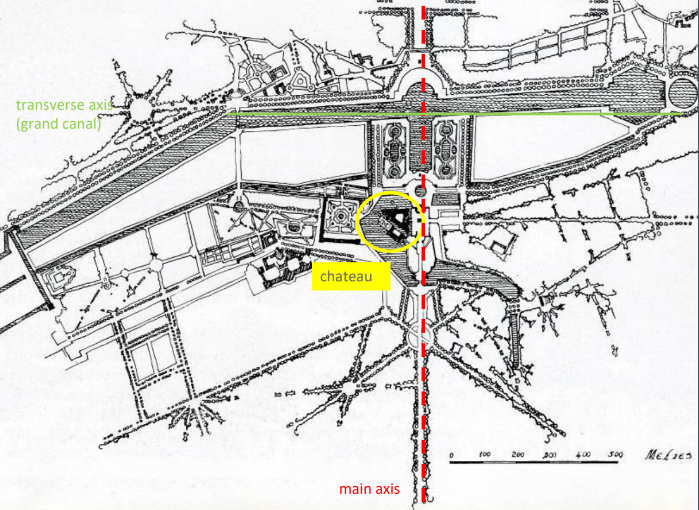
Introduced a new main axis; water features enhanced scale and grandeur.
Versailles (begun 1661)
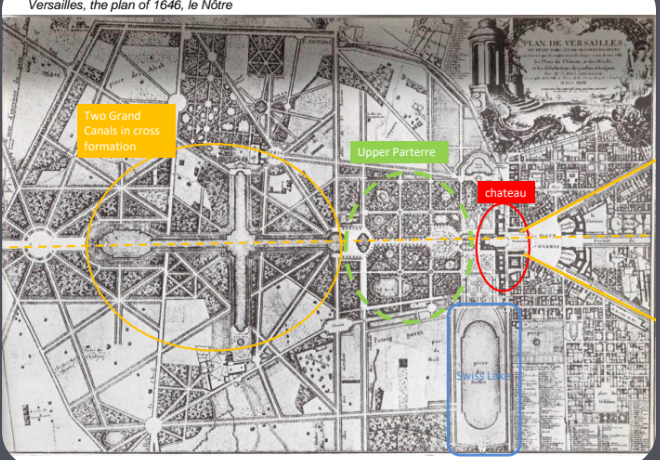
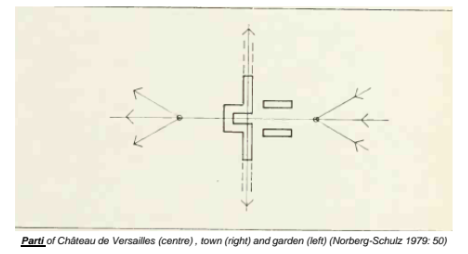
Represents Baroque ideals in urban planning, gardens, and architecture.
Main axis runs through the palace, with paths radiating to illustrate power.
Conclusion
The essence of the 17th-century aristocratic Baroque is represented through the city, palace, and parc.
Focus on creating a sense of absolute, organized spaces to express the French monarchy's physical but also the ideological power and grandeur.
Focus on architecture of the Aristocratic Baroque in 17th Century France
The Aristocratic Baroque era in France marked a significant transformation in architectural design and urban planning, reflecting the grandeur and absolute power of the monarchy, epitomized by Louis XIV, also known as the Sun King. Under his rule, there was a notable shift in attention from the Italian church architecture of the Counter-Reformation to the rich urban landscapes of France, which incorporated elements of grandeur, symmetry, and spatial organization.
Key Figures: Louis XIV (Sun King) and landscape designer André Le Notrê played pivotal roles in the evolution of the architectural style during this period. Louis XIV focused on consolidating power, and his architectural choices reflected his vision of a centralized, glorious France. André Le Notrê's innovations in landscape design helped to establish a new aesthetic in garden layouts, emphasizing the relationship between the natural landscape and the regal authority.
Structure of the lecture:
The City
The Palace (East Wing of Palais de Louvre)
Absolutism (Paradigm of Louis XIV)
The Parc (Conception, Principles, Three Artefacts of André Le Notrê)
Conclusion
The City
The development of Paris into a Baroque city aligns with the visible embodiment of Baroque ideals that emphasized order, coherence, and the expression of power through urban design. Planned visits to holy sites and places of power were made accessible through a well-defined urban structure, enhancing the city's capacity to reflect the grandeur of the monarchy.
Baroque cities typically represented a dramatic departure from the more chaotic layouts of Medieval and Renaissance cities, featuring wider streets that facilitated movement and social interaction. This urban planning mirrored the era's desires for participation and dynamism, allowing citizens to feel a part of the grand narrative that the architecture portrayed.
Key Characteristics of Baroque City
Loss of individual building identity: Buildings integrated into a greater urban system, emphasizing collective grandeur rather than individual style.
Importance of space: The spaces between buildings were essential elements of urban design, creating a breathable urban environment that prioritized the experience of the observer.
Organized city plans: Designed around foci with dominant axes that determined the flow of traffic and the movement of people, showcasing architectural features aligned along central lines of sight. For example, the Piazza del Popolo in Rome exemplifies this with radiating avenues extending from a central obelisk, guiding visitors through the space.
The Palace
In the 17th century, city-palaces and country houses dominated architectural design. These palaces served a dual purpose, blending the private and public spheres and extending the ideological reach of the monarchy. The East façade of the Louvre is a prominent example of this trend:
Designed by Claude Perrault (1667-70): This façade represented the glory of monarchy through classical features, implying both aesthetic beauty and political power.
The East Wing - Louvre Palace Design Process
The initial designs proposed by Bernini were ultimately rejected, leading to a collaborative effort among architects Le Vau, Lebrun, and Perrault, who created a design that echoed classical Roman imperial aesthetics. Perrault's architectural realization effectively linked Louis XIV to the legacy of ancient Roman emperors, reinforcing his position as a figure of absolute power.
Absolutism
The decline of Spain paralleled the meteoric rise of France under Louis XIV, who epitomized absolutism through his famous declaration, "I am the State." This philosophy was rooted in the concept of the Divine Right of Kings, which bolstered his authority to exercise total control over the arts, sciences, religion, politics, and culture in France. Louis XIV’s grand vision was reflected not only in governance but also in the opulent architectural styles of the era, which sought to visually represent his power and supremacy.
The Parc
André Le Notrê transformed garden design in France by cultivating organized, heroic landscapes that symbolized the power of the state. His designs shifted from medieval compartments to expansive open spaces that reflected the grandeur associated with the monarchy.
Principles of Le Notrê's Landscape Design
Emphasis on infinite perspectives: Landscapes were created to minimize barriers and maximize visual continuity, enhancing the experience of visitors immersed in the beauty of the surroundings.
Dynamic movement: Paths and waterways were designed to guide guests through a majestic experience, simultaneously showcasing the monarchy's grandeur while promoting participation in the experience.
Reflective water elements: Water was skillfully integrated as a reflective element that enhanced a sense of unity between the earth and the sky, further symbolizing the divine aspect of the monarchy's power.
Key Artefacts of Le Notrê's Work
Vaux le Vicomte (1661): This was the first major work of Le Notrê, which prioritized landscape over architecture, featuring grand canals and unexpected vistas that created an atmosphere of surprise and admiration.
Chantilly (1663): Introduced a new main axis that, alongside its intricate water features, enhanced the sense of scale and grandeur of the estate.
Versailles (begun 1661): Represents the culmination of Baroque ideals through urban planning, gardens, and architecture, with a main axis running through the palace and paths radiating outward, illustrating the power and influence of the monarchy.
Conclusion
The essence of the 17th-century aristocratic Baroque is encapsulated through the interconnected concepts of the city, palace, and parc. Focused on creating an absolute, organized space, these elements serve to express not just the physical but also the ideological power of the French monarchy. The lecture effectively illustrated how architectural choices and urban design influences served as tools for the monarchy to project strength, control, and grandeur in the narrative of France's royal legacy.