Switch Energy Alliance
Norway: Powerplant inside the mountain
Energy: Water (99%)
How it works: a generator are connected to lakes in the mountains above by a 20 mile underground pipeline network (no huge dams = environmental footprint is tiny)
took 70 years
How long will it take to make the switch for the rest of us?
the energy to run & make everyday & household appliances, car, heat & cool buildings is 20 000 000 watt hours per 1 person in a year
Energy Transition from coal to electricity
at Belle Ayr Mine, Wyoming, it has the ability to power 3 600 000 per year, in the Power River Basin (largest coal reserve in the world), move 3000 feet a year, coal supplied half of us(and worldwide) primal energy, and there is a lot of coal left (billions of tons in the Basin), 80 000 tonnes per day, and half is from the powder and Wyoming
parish generating station. Texas 900 000 people per year
steps to coal making electricity:
trains unload coal
moving into units making electricity 24h a day
coal coming from coal yard goes through conveyer
coal goes into each corner of the boiler
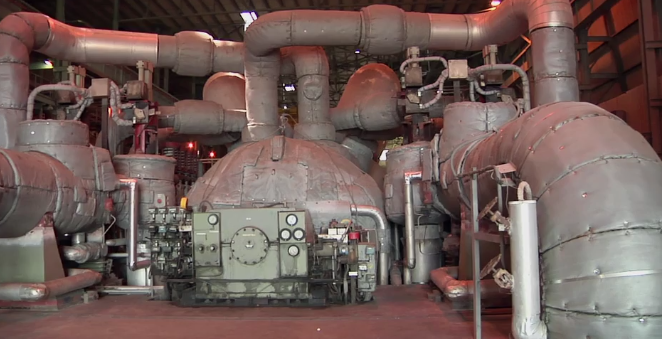 5. makes a big fire in the boiler
heats up the water inside the boiler
heats up the steam
steam turn the turbine
turbine turns generator
generator makes electricity for Texas
massive global fuel supply + fast simple power generation = cheapest electrcity in the world
biggest driving factor is economics
external problems of coal:
local air pollution (sulfur)
global problem of carbon dioxide
In order to use coal in a sustainale way, then the need to develop & deploy carbon capture & storage technology is crucial
ex: false advertisement of “clean coal”, it uses a lot of money (300 million dollars to get 2% of CO2 at a specific plant, could make coal clena but cant afford to)
Oil: allows us to move
impact of oil price on the whole economy: biggest impact (affects global but also individuals)
oil & the economy are intertwine
6 of the 7 global recessions were preceded by a spike in the price of oil (driven by supply & demand)
future oil supply will come from offshore
from Perdido (deepest water plant in the world)
powers 1 700 000 people per year
8000 ft of water
several billion dollars
in terms of accidents: having a remote “help” is important
risk will increase = future oil supply will be hard
Richmond Refinery plant powers 3 million people per year
gasoline is about 50% of what they make
jet fuel 20%
diesel fuel
ships by marketing terminal & pipeline
makes 25% of gasoline & 70% of the jet fuel for California
4x the energy density in liquid hydrogen
a lot of technical advantages=replacing it will not be easy
US consumes 20+ million barrels of oil a day, Richmond only gives out 75k (about 1/30 of daily consumption of crude oil)
pop. increase + increase in demand = expensive oil in the future
India’s population is growing = demand for energy is also growing
oil consumption is rising = population is rising = demand for electricity is rising
energy demands in India & China are expected to exceed those in the US & all European countries combined
Bottom Line: Carbon emissions(not clean) will soon come from mostly in India, China, & the developing world (oil demand will increase, & so will risk & price), others will develop carbon sequestration but it will be too expensive, not adopt, and will become a point of friction in the future which will not be solved
several degrees of Global Warming = learn to live with = no alt. because unless it is cheap & affordable the developing world cannot afford it
oil alt = biofuels
easiest alt = most similar to petroleum
Hybrud sogrum
make cellulose - broken down into ethanol
use feedstocks, not food (structural material to fuel)
productive on farmland & in a warm climate
in conditions where theyre not ideal: need to look at overall availbity
cellulosic crops looks good - high yield per acre in marginal land& in different climates
uses microbes to convert sugars to biofuels
but mass producing (in a lab), compared to the real oil it is smaller (only about 25 million a year) - scale
biofuels are a good option but biomass wont rpelace petroleum
CNGL natural: alt.
like in your stove at home
run through a compressor
pump it to 3800 lbs
emissions are very low; clean fuel
when it burns, its just carbon dioxide & water vapour
actual cost is less; natural fas is cheaper
biggest issue: getting into it; needs compressors to compress gas
higher capital cost but a lower energy cost
but changing all the engies to bus; its a very small portion
but if all fleets were to change it, there would be a large impact
still not a replcaement for oil
Surmont Oil Sands Plant
340 000 people per year
80% of oil sands have to be recovered by thermal or steam methods
Natural gas is being burned
Boiling some big boilers
Keep feeding water in
Keep taking steam off
Pump steam injection
melt oil out of rock
results in hot water & mixture
in conclusion: main replacement foi oil will be diff. sources for oil
Electricity: alt
mor eeffiecient; reason why the change is not fast is because the battery is expensive
too heavy & too expensive
almost 7000 batteries
base price: $909 000
advantage: good performanfce vehicle; takes from 0 - 60 in 3.9s, sports is 0 - 60 in 3.7s
no noise, no transmission,no gas stations
gradual eletrficiation, battery tecnology
if not oil; then it will be electricity (20-40% more power)
Geothermal:
sea level is 10m below, sea water is heated up by steam (200C)hot waters to create steam to feed into the geothermal power plant
powers 90k poeple per year
Blue Lagoon, hit water in spa comes straght out of power plant
but is dependent on geology (places on Earth; specific)
desnty of geothermal energyhas a power density that is 10k less than solar energy
Solar:
popularity has increase in the last 34 years
most decisions are based on the econimic reason
80% 20& enviornmental reasons
incentive utilityalso get a federal investment fax credit
8-10 tear payback
avg. solar array powers just 100.4 people per year
will take several years
solar is regional; affordable where sun subsides & electric prices are high
in a university, there is a shaded paeking where the solar produces about 50% of the campuses peak electricla demand
drives economics down much better on a shaded parking lot than a rooftop
campus is in along term power purchase agreement that is less thna what theyre buying from the local utility
enterwith a financial institiotn that owns the asset
workable solution: creative financing & in the right places; high price - low output
only 200 per year
a solar concentrating solr tower; 1200 solar tower people per year
plants are larger- more efficientl uses heat to produce energy (heat inertia) = more stable production
powers 16k people a yaer
stores heat not electrons w/ solar storing electricity
have to be in places that have very claer direct sunshine (not reflected)
Wind:
Denmark: makes up 20% of electricity
produces a lot of power, scalable in size, fast to install, big export commodity
0 to 22%, slowly but surely
works for 20 years or more
when the wind doesnot blow; generares nothing (intermittent)
hard to store electricity
onlypowers 340 000 people per year
in Texas: roscoe wind farm powers 100 000 people per year
20& of US, would require 200 000 more
wind power is best but not many poeple live there
in a much bigger scale: problem is who iwll pay for it & scalanility (no one wants a line to go through their 100 year old family ranch)
problem: willingess to go property by property with county judges to incite theselines
Wind in a Grand Scale:
Genreated at exactly the same pace as we use it
Wind output doesnt match actual energy usage, because of the intermittent resource, when the demand is going up, the wind is going down that causes us to bring on additional conventional generation that makes the difference between the actual renewables output & what our demand is
To fill in the gap because solar & wind is intermittent, natural gas plants
can support a growing amount of renewables
Technique called Hydrofracking: unlocked a huge unconventonal supply
Barnett Shale Natural Gas Field, Texas powers 18 000 000 people per year
dont flow easily out of the rock, has to be induced
Hydrofrasking:
first, drilling a whale
pumping down fluids, water, other chemicals, & inducing the rock to break
rock breaks → opens up new surface area where the gas can flow out
inexpensive & plentiful resouces makes cost not expected to go up in the next few decades
problem: fossil fuel & produces carbon dioxide (half as much as coal)
water: 3 million gallons for the whole job (for each well)
ober 99% of lfuid is just water & sand (but still 15 000 gallons of additives in these wells
problem: contamination of water supply
no documented case of groundwater contamination
not the underground process itself but what happens in the surface
risk: not with fracking but with handling waste water
Other parts of the world: Conventional natural gas supplies are growing
LNG: freeze it then it turns into a liquid so we put it in a ship → move it across the ocean
only way they can built economically is to build very large scale plants
RasGas LNG Plant, Qatar
18 500 000 people per year
To keep the LNG cool in boats, they are put in huge insulation boxes which keeps the temp. inside the tank steady
A world market where Natural Gas will be the new oil resulting in more diverse supply
Nuclear
Comanche Peark Nuclear Power Plant can power 1 000 000 people per year
Structires are designed even with tornadoes of 300 miles an hour
mg per year for a person
run on diesel oil; would run all the equipment necessary to keep protecting the core
less fangers of not havibg sufficent energy; ;ess dangerous than coal
fuel doesnt cost much
5 or 6 billion (putting money at front)
rely on revenue stream from electricity for the next 30 - 40 years
System with more nuclear energy: no coal, no oil (France) in about 35 years, footprint of France (minimal & cheap)
solution for waste management
Recycling (La Hauge Nuclear Recycling Center)
powers 17 000 000 people per year
96% of fuel is bein recycled
fresh onion (reserve of fresh onion)
reduce volumet fo waste & reserve of energy
cooling in (forbidden) pool: representing 6 months of oil production
Conclusion:
Switch needs to happen first
Modern economy:
OIl transportation
Coal
Higher price = more oil
Reserve is dependent on price
Alt:
Solar (parking lot)
Winf
Geothermal
scale is a big thing
Hydro - works for Norway because of its renewable energy
Future:
34%oil today
29& coal
23% naturla gas
nuclear 5%
hydro 6% decliing
biomas/biofuels (wind, heothermal)2%
if we combine ofundational fuels, slwoly decline in the future
alt: moves up but the change is not big enough for it to be a primary source
Combining natural & nuclear gas (sits in the middle = approaching but not the crossover point)
until we combine nuclear, natural gas w/ the renerwables
50 years out, not easy
1.7x Gas
2.6x Nuclear
Renewables 4.8x
How to achieve: energy that we dont use
efficiency & changing energy behaviours inflences our energy future
world uses 40% of energy in buildings
by insultaing your house, there’s a short payback time & reaps greatenergy benefits (check windows & leaks in doors/windows)
Important thing:change about how we think about energy, so we can change the way we use it
use less; emit less
Norway: Powerplant inside the mountain
Energy: Water (99%)
How it works: generator connected to lakes in the mountains above by a 20 mile underground pipeline network
Environmental footprint is tiny due to no huge dams
Took 70 years to complete
Energy Transition from coal to electricity
Belle Ayr Mine, Wyoming has the ability to power 3,600,000 people per year
Coal supplied half of US and worldwide primal energy
Coal reserves in Power River Basin (largest in the world) are still abundant
Steps to coal making electricity: trains unload coal, coal goes through conveyer, coal goes into boiler, fire heats up water and steam, steam turns turbine, turbine turns generator, generator makes electricity
Oil
Impact of oil price on the economy: biggest impact, 6 out of 7 global recessions were preceded by a spike in oil price
Future oil supply will come from offshore, such as Perdido (deepest water plant in the world)
Accidents and risk will increase as oil supply becomes harder to obtain
Alternatives to oil
Biofuels: easiest alternative, similar to petroleum, can be made from cellulose
Natural gas: clean fuel, emissions are low, cheaper than oil
Hydrofracking: unlocks unconventional natural gas supply, inexpensive and plentiful, produces less carbon dioxide than coal
Other energy sources
Geothermal: dependent on specific geology, powers 90,000 people per year in Iceland
Solar: increasing in popularity, economic incentives, regional affordability, can power 100.4 people per year on average
Wind: scalable, fast to install, intermittent, can power 340,000 people per year in Texas
Nuclear: Comanche Peak Nuclear Power Plant can power 1,000,000 people per year, less dangerous than coal, waste management through recycling
Achieving energy transition
Focus on energy efficiency and changing energy behaviors
Insulating buildings for energy benefits
Changing mindset about energy usage and emitting less