Part 3 Controlled Substances
Part 3 - Federal Regulatory Overview for Veterinary Practices
Sobering Statistics:
2019-2020 More than 87,200 overdose deaths in the past year (CDC data).
A profound concern is the increased risk of psychiatric disorders and thoughts of suicide among veterinarians when compared to the general population, highlighting the mental health impacts of the profession.
The Opioid Crisis in Veterinary Medicine
Daily Impact:
Daily, approximately 100 Americans die from opioid overdoses, a stark reminder of the nationwide crisis.
Easy access to medication
Stressors inherent in veterinary practice, such as emotional strain from animal care and client interactions, can exacerbate risks of substance misuse among practitioners.
Depression and suicide
Drug Classes with High Abuse Potential
Examples of Controlled Substances:
Anabolic Steroids: Methyltestosterone, Testosterone
CNS Depressants: Pentobarbital, Alprazolam, Diazepam
Hallucinogens: Ketamine
Opioids: Fentanyl, Hydrocodone, Morphine
Stimulants: Amphetamine, Methamphetamine
Signs of Drug Addiction Among Healthcare Professionals
Behavioral Indicators:
Frequent absenteeism and patterns of unexplained absences may suggest underlying issues.
Noticeable reductions in work performance and fluctuations in productivity can serve as early warning signs.
An increase in excessive time spent near drug supplies and concerns over disorganized record-keeping should raise red flags.
Signs of substance abuse may also include a progressive deterioration in personal appearance and hygiene.
confusion, memory loss, and difficulty concentrating or recalling details and instruction
If a behavior is being ignored, the DEA will consider you an enabler of there addiction. EAP employee assistance program. Counseling and drug addition assistance.
Client seeking drugs
specific requests or combinations of med
is it necessary for you to script out controlled drugs
document!
keep DEA # confidential
don’t hand write scripts
Uphold laws surrounding controlled substances to protect both clients and the community from drug abuse.
Demonstrate vigilance by recognizing and reporting suspicious behaviors among colleagues, contributing to a safer workplace.
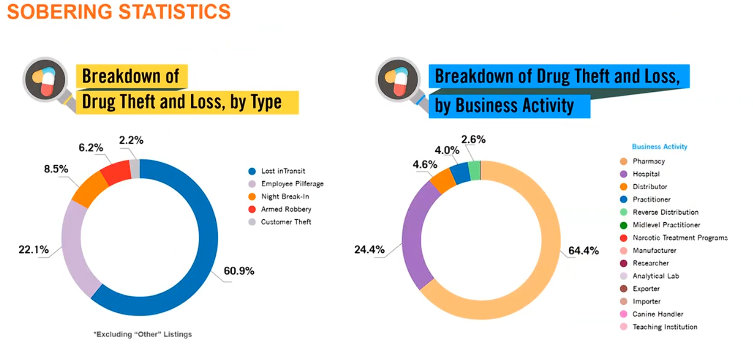
Reporting Requirements for Theft or Loss of Controlled Substances
Any theft or significant loss of controlled substances must be reported to the police and the DEA within specified timeframes.
Use DEA Form 106 to formally document and detail incidents of loss or theft.
The Role of the DEA in Inspections
The DEA maintains the authority to inspect any environment where controlled substances are managed, including veterinary practices. No specific reason.
It is your right to decline access, but if you do, they will get a warranty, and any issue may become a probable cause.
Noncompliance can result in civil or criminal penalties arising from violations, often due to poor record-keeping and inadequate security measures.
DEA inspection
two different department
Diversion control program
First visit, no warrant, just a check-in
Enforcement
warrant
raid
civil or criminal penalties
letter of admonition
monetary fin to licensees and registrant
suspension or revocation of a DEA license
permanent loss of DVM license
Prison sentence
Safety Preparedness
Forming a safety committee can effectively manage emergencies and ensure all staff members are well-informed about protocols during hazardous situations.
Collaborative training with local police education officers is encouraged to improve practice security and enhance staff safety readiness.
Audit Preparedness
Each practice should maintain a DEA audit readiness file that includes essential documents such as registration details, inventories, and staff training records.
Proactive approaches to training staff on compliance and regulations can mitigate risks during audits.
Conducting an Audit or Inspection
Maintain professionalism and foster open communication with inspection agents to facilitate smoother audits.
Be prepared to promptly answer questions and provide pertinent records when requested.
DEA Audit Readiness File
Copies of
DEA registration : this should also be posted in a visible place in your office
State Practitioner License. Check your State Regs: this should also be posted in a visible place in your office
Your most recent biennial (or annual) inventory. Check your state regs
DEA form 222 records or CSOS for Schedule II substances
Your Purchasing Records
Invoices for Schedule III, IV, and V substances
Receiving and Closed Reconciliation Logs/Records
Open Controlled Substance Reconciliation Logs/Records
DEA Form 106 records - Report of Theft or Loss of Controlled Substances
DEA Form 41 records Registrant Record of Controlled Substances Destroyed : Medical Waste Destruction logs/records
Expired/Unwanted Destruction log/records
Other records you keep that document accounting of controlled substances
Power of Attorney
Revocation of Power of Attorney
Security System Company Information
Copy of the Practice’s Floor Plan
Staff Training Manual, DEA’s Practitioner’s Manual and Controlled Substance Policy, etc.
DEA Arrival Protocol
Understand your rights during a DEA inspection; be sure to request credentials, clarify the reason for the audit, photo ID, contact info and business card(s)
Ask for open conference
Sign the notice of inspection DEA form 82
Throughout the inspection
Accompany DEA agents throughout their inspection and document their findings thoroughly for future reference.
Dont leave them alone with the printer
Take copious notes
List anything they take and request
If they want to take original copies ask for a DEA form 21
A person with each agent
close end questions and answers
Closing conference
Plan of correction
Link each correction in your POC to the actual citation/regulation quoted in your Letter of Admonition
You must assure that all identified areas are corrected precisely and concisely
Meet or beat all required time frames
Keep all copies
Politely follow-up with the Agent through email and telephone calls
Additional Notes from Lecture:
EAP (Employee Assistance Program): This program offers cost-effective support, approximately $2.50 to $5 per person monthly, aiding employees facing addiction concerns.
Caution with Clients: It is imperative for practitioners to be vigilant towards clients who request specific controlled substances by name, as this raises the possibility of drug-seeking behavior.
Security Practices: Implement strict protocols for access management regarding prescription pads and controlled substances. All staff should be trained in safety protocols regarding potential theft.
Education and Prevention: Regular training sessions, along with collaboration with law enforcement and mental health resources, can enhance prevention efforts and promote a safe environment within veterinary practices.
Resources:
For regulatory help or questions, contact Jan Woods at Ask Jan For Help.
Refer to the DEA's regulations for compliance and audits.
Explore resources from the CDC and groups like Not One More Vet for additional support related to mental health and addiction issues.
Contact Zoetis for insights on purchasing pharmaceuticals or diagnostics to facilitate practice growth.