Engage: Hygiene
Learning Objectives
Review the role of the body in maintaining the first line of defense against pathogens.
Explore the impact of hygiene on health.
Discuss client-specific factors that can affect hygiene practices.
Describe procedures for providing hygiene-related care in a safe, comfortable environment.
Apply the nursing process through the use of clinical judgment functions while providing care to clients experiencing alterations in hygiene.
The Body as the First Line of Defense Against Pathogens
The body’s physical barriers, such as the integumentary system, serve as a defensive system that prevents pathogens from entering the body. The integumentary system consists of the skin, hair, nails, and sebaceous and sweat glands. This system blocks pathogens from the outside environment from entering the body. Mucous membranes, which are found in the mouth, respiratory tract, gastrointestinal tract, and urinary tract, line those body passages that are open to the exterior environment and also act as a barrier against pathogens.
Skin
The skin is the largest organ, covering most of the outer surfaces of the body, and is the body’s first line of defense against pathogens. Pathogens are organisms that cause disease in humans. Pathogens that affect human beings include viruses, bacteria, fungi, and parasites. The skin plays two roles in protecting against pathogens. First, it serves as a physical barrier that protects the internal parts of the body from the outside world. Second, the skin contains Langerhans cells that can travel throughout the body and activate the body’s immune response.
The skin consists of three layers: the epidermis, the dermis, and the hypodermis. The epidermis, the outermost layer, is made of squamous epithelial cells that are organized into four or five layers, thereby providing strength to the skin. The epidermis receives its nutrition from the underlying (dermal) layer, because the epidermis is avascular—that is, it lacks blood vessels or blood.
dermis
The dermis, which is below the epidermis, is made up of connective tissue together with nervous tissue, blood, and blood vessels. The network of connective tissue and collagen fibers helps provide the skin with strength and elasticity. The dermis contains large-ended nerves that can sense pressure and alert the body to potentially dangerous stimuli.
The hypodermis, also known as the subcutaneous layer, is below the dermis. It separates the dermis from the underlying organs. The hypodermis contains adipose tissue that protects the body against physical trauma. It also insulates the internal environment of the body by serving as a site of fat storage.
hypodermis
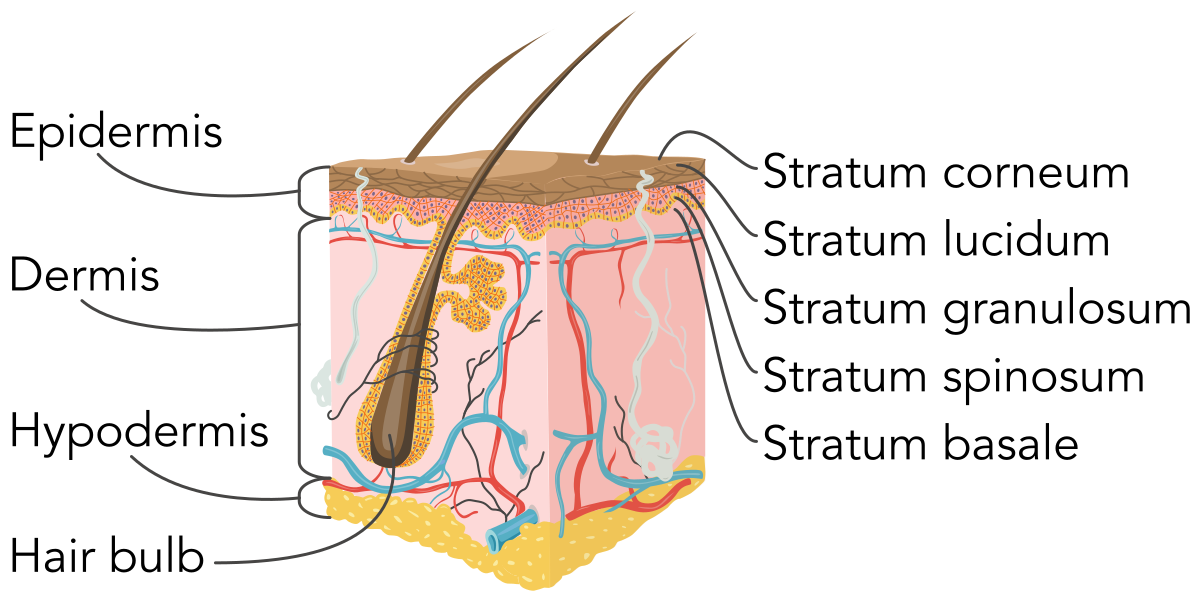
Layers of the skinThe skin consists of the epidermis, dermis, and hypodermis layers.
Mucous Membranes
Mucous membranes act as a physical barrier, blocking pathogens from invading the body. As noted earlier, these membranes line the respiratory, digestive, and urinary tracts, as well as other areas of the body that are exposed to the outside environment, and they help capture and get rid of pathogens that try to enter the body. Mucous membranes secrete mucus, a viscous liquid that entraps pathogens and small particles, forming yet another barrier against invading pathogens. The mucous membranes of the nose contain cilia, which are shaped like little hairs and trap particles that a person inhales when breathing. The cilia push the particles to either the front of the nose or the back of the throat; the person then either coughs or sneezes, preventing the particles from invading the body.
mucous membranes
Teeth
The primary roles of the teeth are chewing food to form a ball that can be easily swallowed, providing support and structure to the face, shaping the face, and assisting in producing sounds during speech. The teeth’s first line of defense, which protects the teeth from plaque and pathogens, is a coating known as enamel, which is the hardest material in the human body. Below the enamel is dentin, which protects the pulp inside the teeth. Pulp is composed of blood vessels, nerves, and connective tissue that supply nutrients to the teeth. Bacteria in the mouth produce acid, and over time, this acid can dissolve the enamel, leading to dental caries, infection, and loss of teeth.
enamel
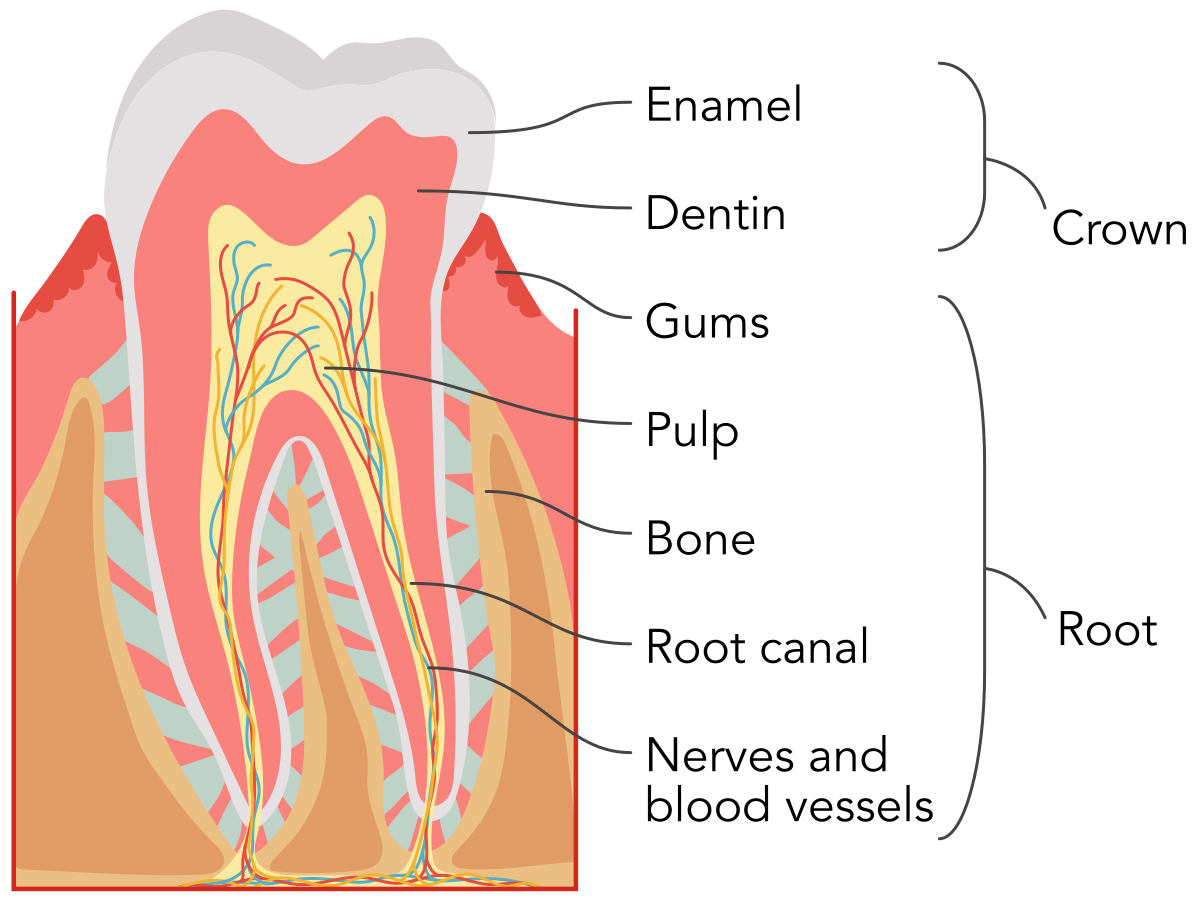
anatomy of a toothThe teeth’s first line of defense, which protects the teeth from plaque and pathogens, is enamel, which is the hardest material in the human body.
Nails
Nails consist of layers of keratin that protect the distal ends of the fingers and toes from injury. The cuticle, which surrounds the proximal and lateral edges of the nail, is a thick layer of skin cells that connects the skin on the finger and nail plate to form a barrier and prevent infection of the underlying tissue. Under the nail is another barrier, known as hyponychium, which provides the skin with additional protection against pathogens.
Nail care for clients not only keeps nails tidy but also helps to prevent accidental scratches. Consistent nail maintenance can eliminate germs that accumulate under the fingernails, reducing the risk of infection. It is important to carefully examine the client’s nails, fingers, and toes. Be vigilant for any signs of inflammation, nails that are unusually thick or fragile, alterations in the texture or color of the nails, extreme sensitivity, or the presence of sores, especially on the feet. Clients who have diabetes require extra attention in this regard. Before starting nail care, the nurse should perform hand hygiene. Nail care is more effective after the client’s bath or after soaking their nails in warm, sudsy water for about 10 min. After soaking, rest the client’s hands on a towel. Use an orange stick to clear away any debris from beneath the nails, cleaning the stick with a paper towel before proceeding to the next nail. Once the nails are debris-free, if needed, trim them with nail clippers. Cut the nails straight across, avoiding cutting too close to the skin to prevent injury. If there are any sharp edges after cutting, gently file them down. Apply lotion to the client’s hands afterward . For clients who have diabetes, it is crucial to practice diligent foot care. When cutting toenail for a client who has diabetes, make sure the area is well-lit and cut the nails straight across with great care to avoid injuring the foot.
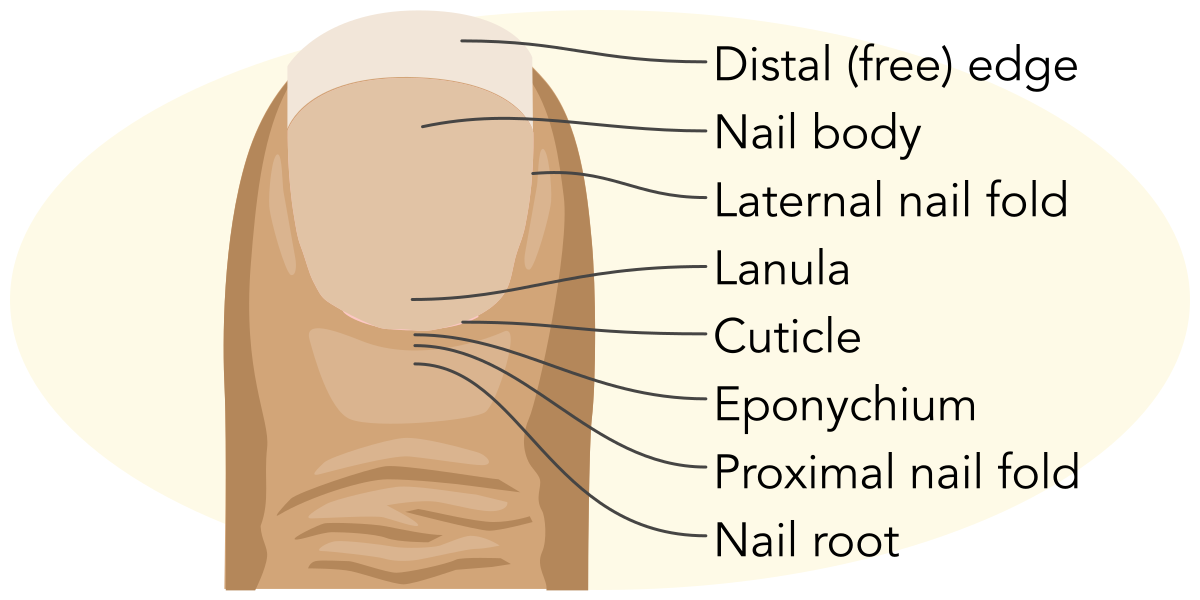
Anatomy of a fingernail Nails consist of layers of keratin that protect the distal ends of the fingers and toes from injury.
Effect of Hygiene on Health
Implications of Hygiene Care: Skin Integrity and Infection Prevention
Hygiene can be defined as actions the client takes and health practices the client engages in that decrease the spread or transmission of pathogens, thereby decreasing the risk of illness. Hygiene practices include washing the hands, face, and body with soap and water; dental care; and nail care.
Washing the hands, face, and body can decrease the spread of disease when these areas are washed at specific times. In general, hygiene includes keeping the body clean and well-groomed. Hygiene practices that keep the body clean involve handwashing, maintaining oral health by brushing the teeth, and removing pathogens through routine bathing. Bathing and showering have been shown to have positive health benefits, including decreased stress, increased happiness, and adequate rest and sleep. The use of warm water facilitates vasodilation, leading to an increased supply of oxygen and nutrients in the body, and the removal of carbon monoxide and other waste products. Psychological benefits of bathing in warm water in cancer patients showed improved feelings of relaxation, revitalization, and decreased pain.
Skin Integrity
Skin integrity can become compromised when a client’s skin becomes irritated and inflamed, or when the skin barrier is open from a cut or tear. Such a breach allows bacteria to enter the body, which can lead to infection. Even though the skin has many defenses, it is always at risk of injury or breakdown. Changes in the integrity of the skin can increase the risks of infection, loss of a leg or arm, and death. Washing skin regularly keeps it healthy by removing oil, dead skin cells, and bacteria that might cause skin breakdown. Mild soap is recommended for this purpose, as it has fewer chemicals that might irritate skin.
A major cause of skin breakdown is urine and fecal incontinence, which renders the skin increasingly vulnerable to bacterial and fungal infection. Clients who frequently experience incontinence have an increased risk of skin damage. The skin around the hips, genitals, buttocks, and perineum is most likely to be affected. It is recommended to clean the area with a pH-balanced cleanser to decrease skin irritation and dryness, thereby decreasing the risk of impaired skin integrity.
Infection Prevention
Nurses will encounter many infectious pathogens during routine client care, but proper hygiene practices can help reduce the nurse’s and client’s risk of developing infection from these pathogens. Specifically, infection control measures such as effective handwashing can protect both nurses and clients from harmful infections. Effective handwashing by the nurse is necessary to prevent health care–associated infections (HAIs), as evidence has shown that hand hygiene can decrease infection rates. HAIs develop while a client is in the hospital or other health care facility, and were not present upon the client’s admission to the facility. HAIs are the most common adverse events that occur when caring for clients.
Handwashing is an easy, low-cost, and efficient method of decreasing the risk of infection and should be performed frequently both by the nurse and the client. Performing hand hygiene prior to client care decreases the transmission of germs from the nurse to the client. Performing hand hygiene after client care decreases the transmission of germs from the nurse to other clients. Hand hygiene can be accomplished by either cleaning the hands with an alcohol-based hand sanitizer (a solution that contains 60% alcohol) or washing the hands with soap and water. The nurse should use an alcohol-based hand sanitizer just before touching a client, before completing a sterile technique (such as inserting an intravenous catheter) or touching an invasive device, after contact with a soiled area and before moving to a clean area on the same client, after touching an object in the client’s environment or the client, after coming in contact with body fluids, and immediately after the removal of gloves. The nurse should use soap and water in the following circumstances when performing hand hygiene: when hands are visibly soiled, after providing care for a client who has or is believed to have infectious diarrhea, and after being exposed to bacteria-produced spores (Clostridioides difficile).
The nurse should instruct the client about the importance of handwashing to prevent infection. Important times to wash hands with soap and water include after using the restroom, before and after eating, and after blowing your nose, coughing, or sneezing.
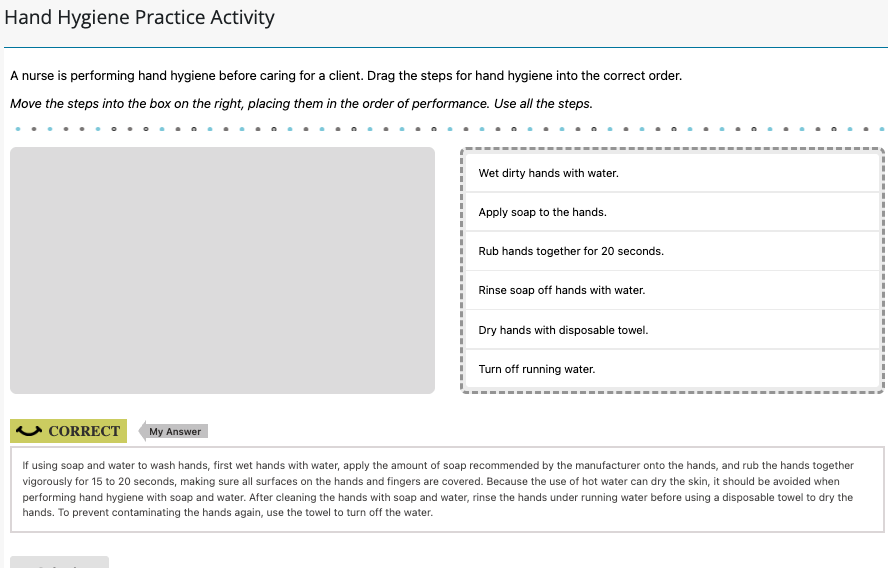
When using an alcohol-based hand sanitizer, place the product on the hands and rub together, making sure to cover all surfaces for approximately 20 seconds until the hands are dry. If using soap and water to wash hands, first wet hands with water, apply the amount of soap recommended by the manufacturer onto the hands, and rub the hands together vigorously for 15 to 20 seconds, making sure all surfaces on the hands and fingers are covered. Because the use of hot water can dry the skin, it should be avoided when performing hand hygiene with soap and water. After cleaning the hands with soap and water, rinse the hands under running water before using a disposable towel to dry the hands. To prevent contaminating the hands again, use the towel to turn off the water.
Health Promotion
Health promotion can be viewed as facilitating the client’s control over and ability to improve their general health. Health promotion focuses on creating awareness of health problems, producing positive behavior changes related to prevention and beliefs around illness, and encouraging increased utilization of health services. Health promotion encompasses the whole person, including mental, physical, spiritual, and social well-being. The purpose of a health promotion program is to decrease the risk of illness and disease development through empowerment of communities and individuals, so that they make healthy changes and engage in health promotion behaviors.
The World Health Organization has greatly influenced health promotion reform by emphasizing that some illness, disease, and disability is “socially constructed” and beyond an individual’s control. Numerous conditions—such as where an individual is born, raised, lives, works, and ages—contribute to an individual’s health. These conditions, known as social determinants of health, play a significant role in health inequities, defined as differences in clients’ state of health on both national and global scales. Improving quality of life, through measures such as ensuring availability of affordable housing, public safety, healthy foods, and educational opportunities, can greatly influence population health outcomes.
Client-Specific Factors That Can Affect Hygiene Practices
A client’s hygiene practices are influenced by various factors, including culture, religion, developmental stage, cognitive functioning, and personal preferences. In turn, nurses need to evaluate clients’ practices to provide client-specific assistance.
Client Privacy/Demographic Considerations
When a client’s body is exposed, such as when the nurse is providing personal care, the client may feel as if they have lost control; in such a case, the client’s perception of being cared for is compromised. To maintain the client’s privacy and dignity, the nurse should ensure the client is dressed appropriately and expose only the body part necessary when providing personal care. For example, the nurse should cover the client with a bath blanket while dressing. Ask the client to hold a towel over their body when they are getting in or out of the bathtub or shower. Helping clients to wash and dress may be delegated to unlicensed assistive personnel or certified nursing assistants, but a nurse can also perform a holistic assessment while attending to a client’s hygiene needs.
Hygiene practices can be influenced by religious and cultural traditions, which vary throughout the world. As nurses develop or contribute to a plan of care for their clients, they must consider the clients’ cultural and religious preferences. Religious groups can encompass people of various ethnicities with differing perspectives on health and illness. In the health care context, religious practices to be considered include client privacy and modesty, beliefs regarding gender of the nurse caring for the client, and reluctance to remove clothing and expose one’s body during personal care. For example, many clients who follow various religious practices prefer to receive care from a nurse of the same gender. The nurse should ask the client before exposing their body, and expose only the necessary body part as briefly as possible.
Clients often follow specific faith-based practices regarding bathing and cleanliness. Clients may have customs they follow every morning upon awakening. They may brush their teeth immediately upon waking in the morning. Then they may bathe, engage in prayer, and finally eat. In some cultures, it is essential for individuals to wash their hands prior to eating, as it is common for them to handle food exclusively with their hands instead of with utensils.
Developmental Considerations
Newborns and Infants
As the newborn client seldom becomes dirty or perspires, bathing three times a week should be sufficient during the first year. Bathing an infant more often can dry out the infant’s skin. A sponge bath should be performed until the umbilical cord falls off, which typically occurs between 1 to 2 weeks after birth. Umbilical cord care consists of keeping the cord stump clean and dry until it shrinks and falls off. It is expected to see one or two drops of blood on the diaper when the stump falls off. If active bleeding occurs when the stump falls off, the health care provider must be notified immediately. Nursing care of the residual cord includes observing for infection, which is manifested by a foul-smelling, yellowish discharge, reddened skin at the cord stump site, and crying when the cord or surrounding skin is touched.
Diaper dermatitis is a condition in which the skin becomes inflamed in response to various substances, such as urine or feces; fungal or bacterial infection; or an allergic reaction to substances in the diaper. Diaper dermatitis can occur in clients of any age who wear a diaper, although it is most likely to occur in infants aged 9 to 12 months. The most notable risk factor for diaper dermatitis is the increased moisture from wearing a diaper, which results in the skin becoming inflamed and soft, increasing the risk of pathogen exposure. Treatment for diaper dermatitis consists of changing the diaper frequently to decrease the skin’s exposure to urine and feces, which irritate the skin; washing and cleaning the skin with water and a soap-free cleanser; and using topical emollients to provide a barrier between the skin and diaper.
School-Age Children and Teenagers
Hormonal changes during the preteen and teenage years may cause changes in the skin, often caused by oily skin and increased sweating. Good hygiene habits during this period of development include bathing daily and washing the hair at least every other day to prevent odors and buildup of oily skin. In addition, using deodorant or antiperspirant daily will assist in preventing body odor. Mild cleansers and soaps that are noncomedogenic (hinder the clogging of pores) may be used to prevent oily skin.
noncomedogenic
Older Adults
Some older clients may resist showering or bathing for various reasons. This reluctance can be due to illness or disease, but other factors, such as pain with mobility, fear of water or the sound of the water, fear of falling, fear of the temperature of the water (too cold or hot), difficulty getting in and out of the tub/shower, and lacking the energy it takes to bathe or shower, may also result in resistance. Sometimes, giving clients a choice regarding bathing is enough to entice them to bathe or shower. Ignoring a client’s refusal to bathe can be considered abuse. Even though clients have a right to refuse care, overlooking clients’ hygiene needs can jeopardize their health. The nurse should determine the reason for the client’s reluctance to bathe or shower and work with the client to find a solution.
Physiological Considerations: Disabilities
Stroke
A client who has suffered a stroke can suffer from motor loss, weakness, or paralysis on one side of the body, an effect caused by damage to the brain cells. Hemiparesis is defined as a minor loss of strength in the face or upper or lower extremity on one side of the body. Clients with hemiparesis can have trouble grabbing objects, reduced accuracy of movement, muscle fatigue, and decreased coordination. Hemiplegia is defined as a paralysis that affects one side of the body. The motor disability caused by a stroke usually affects the opposite side from which the stroke occurred in the brain. For example, if a stroke affected the left side of the brain, the client will have problems with the right side of the body.
The role of the nurse during the acute phase of a stroke includes evaluating the client’s ability to complete personal care activities and to ensure that the client’s needs are met through therapeutic interventions, education, and care coordination. Notably, poor oral hygiene in the stroke client is associated with aspiration pneumonia, which can lead to death. Physical limitations and loss of function may restrict the client’s ability to perform routine oral care after a stroke. Therefore, it is important for the nurse to perform an oral hygiene assessment and provide oral care to the client who has experienced a stroke and is unable to perform oral hygiene .
In assisting the client who has had a stroke with dressing, the unaffected arm is used first to place clothing on the affected side. When undressing, the clothing is removed from unaffected side first, then the affected side. Showering is the preferred method of bathing, if possible, as there is less risk of a client falling while showering versus taking a bath. The nurse should assess the client’s balance and mobility, as both can be affected by paralysis or weakness in the lower extremities. When the client is using the shower or bath, the nurse should check the area for wet floors, which can cause falls. Adaptive bathroom equipment should be available for the client, including shower chairs and tub benches, long-handled brushes or wash mittens, and handheld shower heads with a hose.
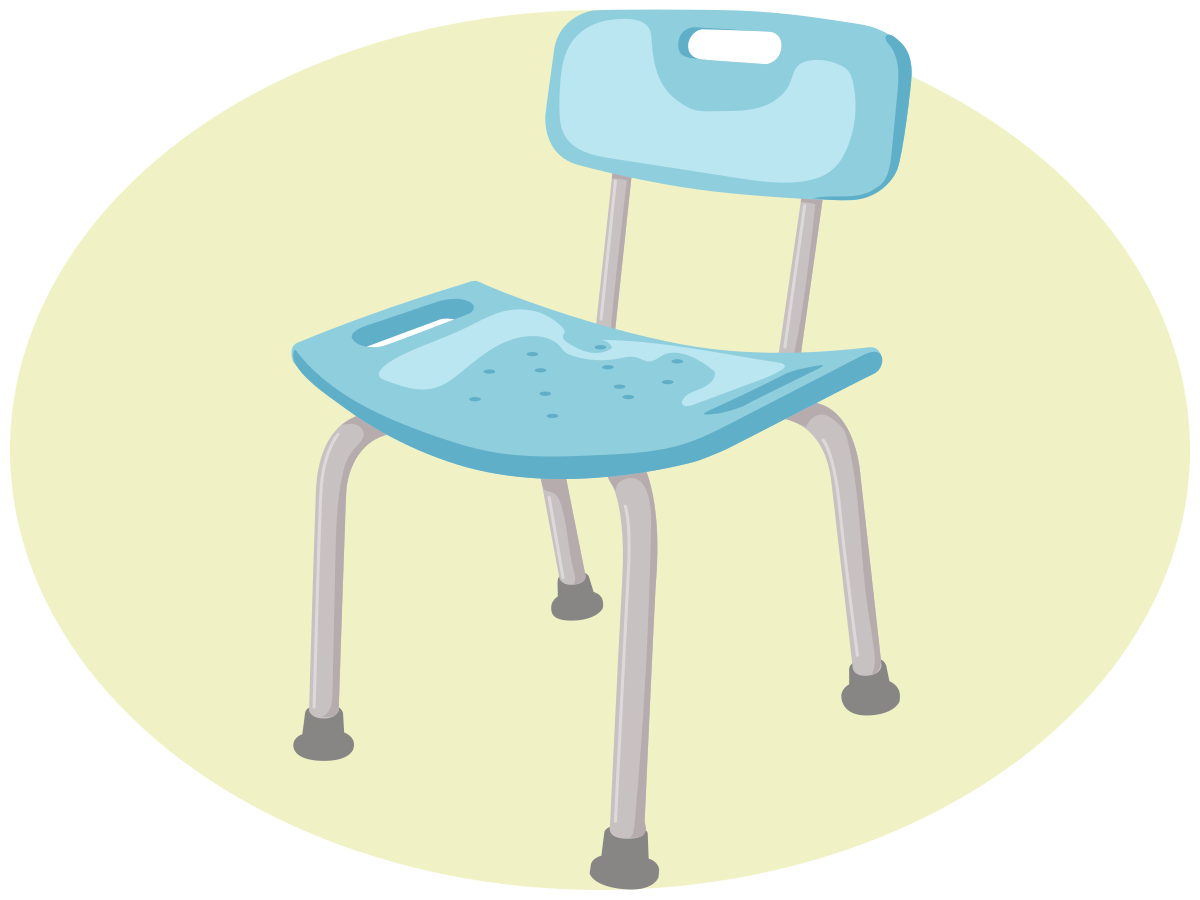
Shower ChairFor clients who have experience a stroke, showering is the preferred method of bathing. Shower chairs provide a place for the client to sit, which helps prevent falling.
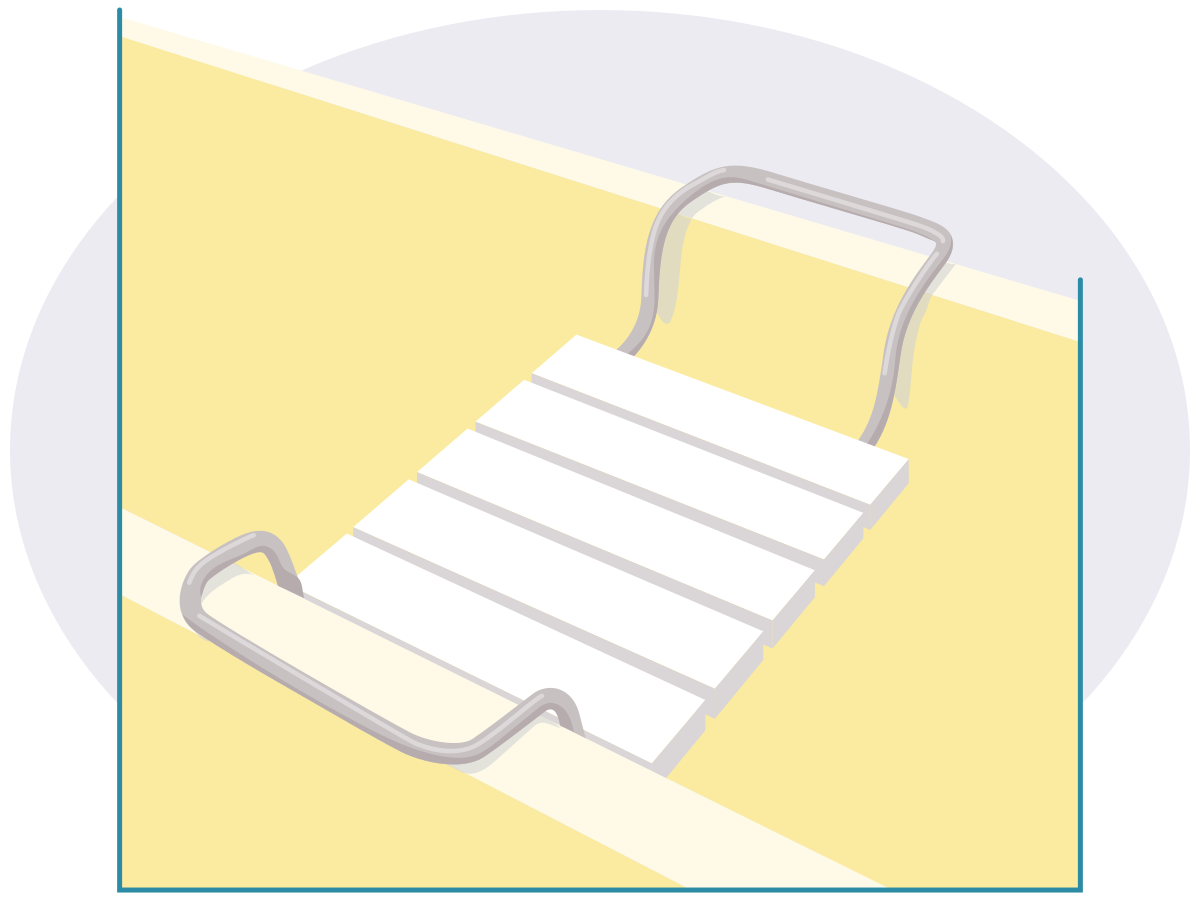
Tub BenchA tub bench is another option for seating while bathing or showering.
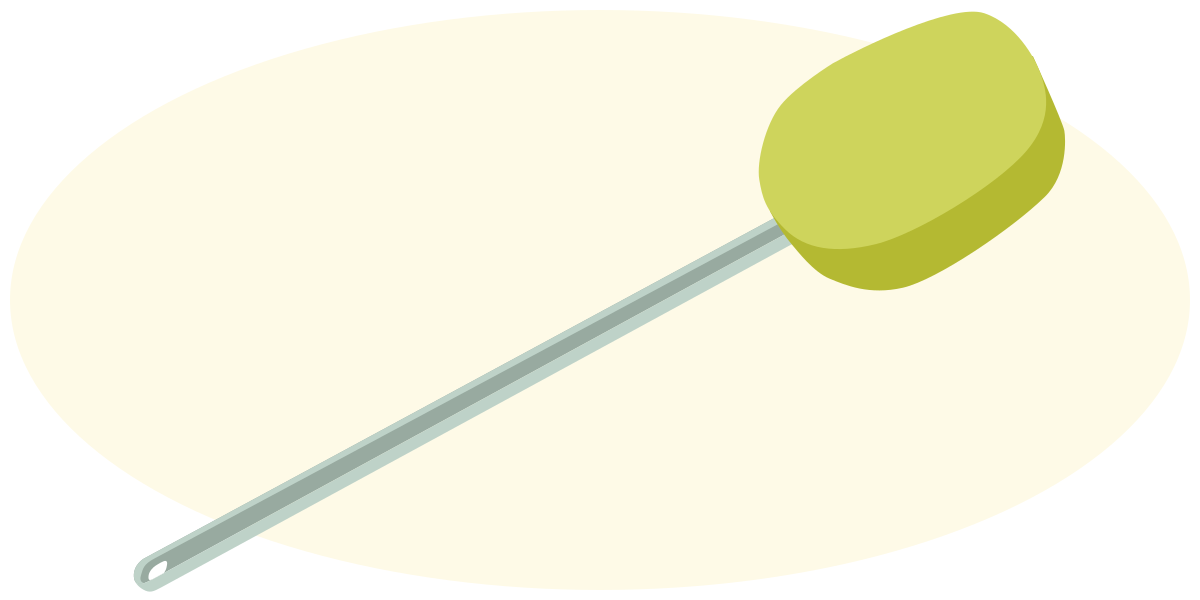
Long-Handled BrushThis adaptive bathroom tool helps clients who have had a stroke to clean themselves.
Spinal Cord Injury
Specific adaptations for bathing and showering are necessary for the client who has a spinal cord injury to keep the client safe and avoid injuries. Spinal cord injuries can cause loss of the ability to feel temperatures, such as hot and cold, requiring adjustments to the water temperature to prevent skin burns. Special equipment such as a bath bench with a commode cut-out, sponges that are attached to a long handle, soap on a rope, and wall-mounted soap dispensers are available to assist the client when bathing. For the client who has reduced hand function, special devices, such as a bath bench and handheld shower head, can assist the client in maintaining independence while bathing .
Clients with spinal cord injuries have an increased risk for the development of pressure injuries caused by hard surfaces when the skin is wet. Pressing and pulling on wet skin, which is more fragile than dry skin, can potentially lead to a pressure injury, emphasizing the need to keep the client’s skin dry. The nurse should carefully dry the skin using a soft towel, paying close attention to areas in which the skin surfaces touch, such as the groin and buttocks.
Visual Impairment
Visual impairment may result from numerous causes, including cataracts, ocular disease, diabetes mellitus, stroke, cortical visual impairment, congenital visual impairment, accidents, age-related degeneration, and macular degeneration. People with visual impairment often have trouble performing activities of daily living. The nurse can assist the client who has a visual impairment with personal hygiene needs while providing education to foster the client’s independence.
A nurse can provide client education regarding personal hygiene practices such as shaving—a task many consider to be dangerous for a client who has a visual impairment. However, with basic safety adaptations, the client can learn to perform this skill. The client should first take time to explore their facial contours and feel the areas in need of shaving. Encourage the client to practice first with an empty razor or with the electric razor turned off. The client can use the hand not holding the razor as a guide for the razor and to draw the skin taut. Providing the client who has a visual impairment with this education, as the nurse offers assistance, can increase the client’s comfort level with performing this kind of personal hygiene.
Accessibility can be a barrier in obtaining dental care, as clients with visual impairments may need to rely on other individuals to transport them to dental appointments. The nurse should educate the client and caregivers about the importance of adequate oral health, which includes routine dental visits.
Visual impairment should not keep a client from living an active and fulfilling life. The nurse should be aware of resources to assist the client who has a visual impairment with learning skills for personal grooming and personal hygiene. Fostering independence with skills such as fingernail care, applying makeup, and other essential skills should be an integral part of the client’s plan of care.
Bariatric Challenges
Clients with bariatric needs have increased body weight or body mass index (BMI). The precise criteria used to define bariatric status are hotly debated in both clinical practice and the literature. Whichever criteria are applied, studies have shown that having an increased BMI correlates with a higher need for assistance with personal care needs due to increased comorbidities and decreased functional ability. These clients will need to develop methods for performing self-care, and nurses should discuss such methods that will allow the clients to maintain their self-care independence.
Excessive weight causes distinctive physiological changes that affect skin integrity. Clients who have bariatric needs can have deep skin folds (an area of excessive skin that folds onto itself, creating a fold), especially in the abdominal region. The folds can extend down to their knees, hampering their ability to perform hygiene care. Other areas that are susceptible to deep skin folds include the groin, gluteus maximus, underneath the breast, behind the knees, elbows, ankles, and neck. It is not uncommon for clients who have excessive weight to experience overheating, leading to sweating and persistent moisture in the skin folds. This moisture, along with skin friction, can cause a rash between the skin folds, leading to infection. Proper hygiene is the primary treatment for the rash, which can be difficult for clients to perform independently, as they may have difficulty reaching the area. Nursing interventions to manage skin fold moisture include washing the skin with a pH-balanced liquid soap and lightly dabbing the skin dry.
Perineal care can be a challenge for clients who have excessive weight and are experiencing excessive moisture in addition to incontinence. When performing perineal care, the nurse should assess the area well while maintaining privacy and comfort. The area should be cleaned and dried gently. Use of barrier creams and films is recommended to protect the skin from irritants such as stool, urine, and other fluids excreted by the body.
Clients who have an increased BMI can experience a decreased ability to perform skin care after toileting due to their increased body build and shape. The inability to clean the skin after toileting can result in irritant dermatitis.
Dementia
Clients who have dementia will see their condition progressively worsen over time, ultimately leading to an inability to independently perform activities of daily living (ADLs), such as bathing, dressing, and grooming. A client’s inability to perform ADLs independently is associated with a decreased quality of life.
When assisting with ADLs, the nurse must provide support to the client with dementia while following guidelines and strategies that are evidence-based, consider the client’s mental capability, and are relevant to the ADL being performed. The nurse can employ several strategies to provide client-centered care that focuses on the client as an individual. For example, the nurse might use nontraditional methods of bathing to meet the client’s needs, such as bathing the client on the commode or toilet after the client has finished having a bowel movement. Another strategy is to perform a towel bath, which involves covering the client with a warm, moist towel to which a nonrinse soap solution has been applied. Other strategies include bathing the client while the client is sitting up in a recliner or washing one part of the body on different days.
To maintain the client’s dignity, respect, and freedom of choice when assisting with ADLs, the nurse should incorporate the client’s personal abilities, likes, and dislikes into these processes. For dressing, facilitate independence by offering choices and using basic verbal instructions in a safe setting. Observe the client for signs of incontinence, schedule routine toileting times, ensure the bathroom is accessible, and encourage the client to avoid consuming caffeine and fluids later in the day.
Clients who have dementia may have poorer oral health than those without dementia. Oral hygiene may become compromised as the client’s ability to process information and dexterity decline, such that the nurse needs to assist the client in performing oral care. In the older adult, inadequate oral hygiene is a risk factor for aspiration pneumonia due to food or other substances in the back of the throat being inhaled into the lungs. It is essential for the nurse to ensure oral hygiene is completed to decrease the possibility of the client developing aspiration pneumonia, as it is a potentially fatal condition.
Amputation
Clients who have had an extremity amputated can find it difficult to perform ADLs independently. In some of these clients, movements of the hand and wrist may be compromised due to pain or limitations in ability and flexibility, strength, and arm extension and rotation. Personal hygiene care can impact these clients’ safety when attempted without the use of assistive aids, as evidenced by the larger number of accidents that occur in the bathroom as compared to other rooms in a client’s residence.
Nursing interventions to assist clients in brushing their teeth include having the client use a battery-powered toothbrush. Once the client has the toothbrush in the mouth, turn it on and instruct the client to use their mouth to move the toothbrush around. There are adaptive devices to assist with oral care, bathing, dressing, toileting, and other personal care tasks.
The nurse should assess the client’s balance, strength, and coordination in performing ADLs, as they can be affected after amputation. The nurse should ensure that assistive devices are available to lessen the risk of falling as the client gets in and out of the bathtub and shower. Grab bars located on the wall or side of the tub can help support the client as the client transfers in and out of the tub. A bath seat can be used in the shower or bath to assist with transfer and allows the client to sit while bathing.
Maintaining personal cleanliness and getting dressed are crucial steps towards achieving or preserving self-sufficiency following limb removal. Initially, many individuals face challenges with personal care and putting on clothes, necessitating assistance from nurses. Over time, clients learn and adapt, and as they advance in their recovery, they frequently find ways to adjust, such as employing a seat to aid with bathing, devising a water-resistant protector, or purchasing an item to fully shield the limb to keep it dry. For example, the nurse can place hygiene items in an area that the client can reach, implement safety precautions including anti-slip mats on the floor, make a bathtub chair available, assist the client in transfers involving the toilet and bathtub, and be present when the client is performing hygiene care. Bath strips in the tub will reduce the client’s risk of slipping and falling while in the bathtub.
Daily cleansing of the residual limb consists of washing the skin with soapy water, followed by rinsing and thoroughly drying the skin. Any changes in the client’s skin should be reported to the health care provider.
Procedures for Providing Hygiene-Related Care
Page 1
Providing a Safe and Comfortable Environment
Benefits of the nurse assisting the client in performing hygiene-related activities include supporting the client’s health and providing an opportunity to form a bond with the client. When assisting the client in performing ADLs, the nurse evaluates the client’s ability to perform ADLs while taking into consideration the health care setting and the individual client’s needs. The nurse decides how much assistance a client needs based on the client’s specific situation. Clients should be permitted to complete as much of their ADLs as they can perform.
The nurse also considers the client’s faith when assisting the client in performing ADLs, as knowledge of the client’s culture and spiritual beliefs enables the nurse to provide culturally sensitive care. Delivering culturally sensitive care requires knowledge of religious meaning, as well as the client’s beliefs regarding health, sickness, conventional medicine, and privacy. Every nurse should be able to provide care that respects the client’s cultural and spiritual beliefs.
Bathing
Bathing is used to clean the skin or for its therapeutic benefits. Washing the skin removes dirt, sweat, pathogens, and dead skin, and enhances circulation of the blood. The method of bathing depends on the individual needs of the client and should take into account the client’s preferences and religious beliefs.
Bathing of the client can be accomplished in the bed, shower, or bathtub. Clients who bathe in the shower or bathtub are usually able to ambulate to the bathroom and require little assistance. Clients may bathe in bed if they are able to wash themselves but are unable to move out of the bed and into the bathroom. A complete bed bath is usually required for those clients who are unable to ambulate to the bathroom and bathe themselves.
complete bed bath
Helping clients with fundamental self-care tasks such as bathing fosters a bond between the caregiver and the individual receiving care. It is important for clients to participate in their own hygiene routines as much as they can. However, they might require help with activities like using the toilet, shaving, hair care, dental care, and washing. The core elements of personal cleanliness for adults encompass dental care, bathing, toileting, shaving, and hair maintenance. While these activities might appear simple, they are crucial for keeping the client healthy. This is also a time for the nurse to examine the client’s skin for redness or breakdown. It is essential for there to be open and effective communication between the medical professional and the client when discussing personal hygiene. Clients might feel self-conscious when talking about their personal hygiene requirements, especially concerning topics like bowel or bladder functions. By engaging in frank conversations about these sensitive subjects, clients can become more at ease, and health care providers can gain a thorough understanding of the client’s needs.
Washing a client in bed is less effective than having the client shower and should be used only if no other option is feasible.
A complete bed bath can be given using either disposable wipes or soap and water. Traditional bathing of the client consists of using a plastic basin, soap, water, washcloths, and towels. Wash basins have been shown to contain pathogens; however, using a bath basin could aid in the transfer of hospital pathogens. Another risk of using soap and water for bathing is that it can lead to skin deterioration in hospitalized clients.
Other methods of bathing that omit soap and water decrease the risk of skin deterioration and preserve skin integrity, which forms an essential barrier to infection. Health care facilities can purchase various prepackaged bathing products to be used instead of the traditional method of basin, soap, and water. The prepackaged product consists of disposable washcloths that are bathed in a no-rinse cleaning fluid and do not require any water. A package contains several cloths, each of which is used to clean a specific body part. After the body part is washed, the area should be allowed to dry without rubbing with a towel).
Chlorhexidine gluconate (CHG) bathing is used to decrease the risk of infections in hospitals. This method is especially useful in the intensive care unit, where clients are at increased risk for infection. The nurse provides the CHG bath using cloths premoistened with CHG. To perform the bath, the client’s clothing is removed; the nurse then massages all of the client’s skin with the cloths, except for the face.
Refer to Skill: Bathing: Complete Bed Bath.
Linen Changes
Ideally, bed linen changes will occur after the client has had a bath and is out of bed. However, for clients who cannot get out of bed, linen can be changed with the client in bed. If an occupied bed linen change is required, first determine if the client will need any PRN pain medication before beginning the procedure.
Types of bedding used in the health care environment include bed sheets and blankets. Bed linen can become soiled with body fluids, blood, and skin particles, causing contamination with pathogens. This requires action to decrease the risk of transmitting the pathogens to clients and staff. Guidelines used to minimize the possibility of infection from contaminated laundry are based on principles of hygiene, judgment, and consensus. The nurse’s uniform can become contaminated with pathogens when handling soiled linen, increasing the risk for cross-contamination as the nurse moves from one client to another. Nurses should wear gloves and avoid placing soiled linens against their body. Soiled linen should be placed in the appropriate designated receptacle to avoid cross-contamination.
Hair and Scalp Care
Although a client’s hair does not require daily washing, the hair should be brushed as needed to avoid tangling and to spread oil to all areas of the hair shaft. Ask the client about preferences regarding their hair care to foster respect and dignity. Shampooing keeps the hair and scalp clean. Several types of products can be used to wash hair. Ask the client about any preferred hair products and use these when possible. Clients may use specific products to address their hair type, scalp condition, or allergies to ingredients in some products. Hair hygiene can be performed while assisting the client with showering or bathing. A client’s hair can also be washed in bed by using a no-rinse shampoo cap and shampoo basin or tray.
The frequency of hair washing often depends upon the client’s hair texture, style, and individual preference. Too much shampooing can cause hair damage, depending on the hair texture and condition. Very curly or kinky hair can be prone to damage because it is more mechanically fragile and tends to develop fissures along the shaft, leading to breakage. Individuals who have curly or kinky hair might wash their hair several times a week if curls are loose, or less often if curls are tightly coiled. Shampooing frequency may also depend on the client’s hairstyle; individuals who have certain styles may prefer to wash their hair every 2 weeks or more. Hairstyles that include braids, weaves, or extensions may require the use of a moisturizing product on the hair and scalp area.
Some clients—especially those who have thick, coarse hair or dry, curly hair—may prefer to cowash their hair. Cowashing involves cleansing the hair and scalp with only conditioner to remove oils and debris from the hair and scalp. It avoids the use of shampoo, which is drying and can cause breakage in dry hair. Cowashing softens the hair, making it easier to comb and leading to less hair breakage.
After shampooing, the client’s hair can be dried with a towel. If shampooing causes the hair to tangle, you may need to divide the client’s hair into sections and detangle it with your fingers. A wide-toothed comb, pick, or brush may also be used to help detangle the client’s hair.
Some clients regularly brush their hair. When brushing a client’s hair, start brushing at the ends and work up toward the roots. Hold the client’s hair at the scalp if the area is difficult to comb or brush, as this is more comforting for the client. A little water or petroleum jelly can be applied to the area to help untangle the hair, depending on the hair’s texture. Brushing tightly coiled or kinky hair may require the use of a wide-toothed comb, pick, or brush made for this hair type. It can be less painful for the client if this is done when the hair is wet. Washing does not need to be done every day, but brushing can prevent tangling. Some clients prefer to moisturize their hair with conditioning or emollient products containing protein, jojoba oil, glycerin, silicone, or polymers. These products soften coiled, kinky hair or hair with coarse texture. Some clients may wear their hair in braids or twisted styles. Tightly braided or twisted hair can experience breakage due to a weakening of the hair shaft. The nurse should ask the client for their preference for washing braided or twisted hair.
Styling of the hair should be based on the client’s individual preference. Some clients wear locs, in which hair is intertwined and locked together. Although locs are not detangled or combed, light brushing is sometimes done.
When providing hair care, the nurse should observe for the presence of scalp pressure areas, dandruff, lice, and the overall condition of the skin. If a client is immobilized or lying in bed for a long period of time and has a protective hairstyle, check for pressure injuries. If head lice are observed, the nurse must notify the provider immediately to obtain treatment orders and to prevent staff and other clients from being infected. Dandruff is characterized by itchy, flaking skin and is confined to the scalp area.
To wash a client’s hair in bed, begin by performing hand hygiene and donning disposable gloves. Using warm water, fill a water pitcher and bring it to the client’s bedside. Position the client’s head near the top of the bed. To keep the bed from getting wet, place a waterproof pad under the client’s head and place a towel beneath the shoulder blades. Place another towel around the client’s neck. Position a shampoo tray or basin under the head. Wet a washcloth in the warm water, wring it out so the washcloth remains damp, and then place it over the client’s eyes. Fill a cup with the warm water and wet the client’s hair. Apply the shampoo (or conditioner) to the client’s wet hair and knead it into the hair. Rinse the shampoo (or conditioner) out and repeat, as necessary. Apply conditioner and repeat the same process as when using shampoo. After these steps are complete, dispose of the equipment used, put a dry towel under the client’s head, and replace the client’s pillow beneath their head. After drying the client’s hair with a towel, help the client to brush and style the hair.
Eyes and Ears
Cleaning of the eyes is performed as part of a client’s daily personal care. A client may need assistance in caring for their eyes due to illness. When providing eye care, the nurse should assess the eyes, as poor eyesight is linked to an increased fall risk. The nurse should ask clients if they have any new eye manifestations and report them to the health care provider in a timely manner. Complications can occur if treatment is delayed. Eye care is performed by the nurse to remove any drainage and crusts from the eyes, before the administration of eye drops, to relieve inflammation, pain, or soreness of the eye, and to prevent eye damage in the client who is unconscious or sedated.
If the client uses any aids for vision, such as glasses, contacts, or a prosthetic eye, they should be documented in the client record. The nurse should ensure that the client’s glasses are clean. Otherwise, the glasses will be of little use.
Ear hygiene consists of cleaning the ears with a washcloth covering the finger. Cotton-tipped swabs or sharp pointed items should not be used to clean the ears, as they can injure the ear canal or eardrum. When performing ear hygiene, the nurse should inspect the ear for any drainage, swelling, tenderness, and redness. Drainage from the ear is abnormal and can be indicative of an ear infection. In addition, the nurse should note the presence, amount, and character of cerumen (wax). Treatment of excessive cerumen includes wax softeners and ear irrigation.
Feet
Cleansing of the feet should be performed daily using soap and water during the client’s bath or shower or in a basin. Keep toenails clipped and clean and change socks daily. If visiting a salon for foot care, choose one that sterilizes instruments after each use and that is licensed by the cosmetology board in the state. It is important to completely dry the feet, paying special attention to the areas in between the toes to prevent fungal infections. Other recommendations include proper cutting of the toenails, moisturizing the skin, checking the feet daily for wounds and redness, avoiding bandages or chemical agents when removing calluses, wearing shoes at all times, ensuring socks are not too tight, and avoiding exposing the feet to extreme temperatures. Apply lotion to the feet, especially on the heels, but avoid placing it between the toes.
Inspect the client’s feet for any cuts, blisters, cracked skin, or discoloration, as these can become infected. Nurses should monitor the feet of clients who have diabetes mellitus or other conditions that could impair peripheral circulation—such clients are at a higher risk for, and have a decreased ability to fight, infection. Use warm water when bathing these clients’ feet, because they can have impaired sensitivity to temperature, and hot water could burn them. Refrain from soaking the feet, as this can dry the skin.
The nurse should refer to the facility’s policies before trimming a client’s toenails. When trimming the toenails is acceptable, trim them straight across, and file the edges. Trim the nails straight across to decrease the risk of ingrown toenails, which can lead to infections. Refer to Skill: Providing Foot Care.
Nails
Nail hygiene is essential personal hygiene, as nails can be a mode of transmission for germs. Germs are present in a higher concentration beneath the nails as compared to the rest of the finger or the hands. Longer nail length has been shown to conceal a greater number of germs than shorter nail length and is also linked to ineffective hand hygiene. It is recommended to trim nails short and give special attention to cleaning underneath the nails as part of good hygiene.
Perform hand hygiene before beginning nail care. Nail care can be performed after the client takes a bath or after soaking their hands in warm water with soap for 10 min. After soaking the client’s fingernails, put a towel beneath the hands. Use an orange stick to remove any dirt beneath the nails. Prior to cleaning the next nail, use a towel to discard dirt on the orangewood stick. After all nails have been cleaned, use nail clippers to trim the nails as needed. When trimming the nails, cut straight across and near the nail bed, being careful not to pierce the client’s skin. Use a nail file to smooth any rough edges of the nail, and then apply hand lotion.
Perineal Care
The perineum is the area located between the tail bone and pubic arch, between the anus and vulva in females and the scrotum and anus in males. Cleaning the perineum—that is, perineal care—can be performed during a bed bath, tub bath, or shower, or as needed, such as when clients are incontinent of urine or stool. Soap that is pH balanced may be used when performing perineal care. The nurse should perform hand hygiene and use clean gloves when providing perineal care. If appropriate, the client should be given the opportunity to perform their own perineal care.
When providing perineal care for a female client, wash from anterior to posterior (front to back) to decrease the risk of urinary tract infection. Cleaning from back to front can move bacteria closer to the urethra. Refer to Skill: Providing Perineal Care: Client Who Has a Vagina.
For the male client who is uncircumcised, pull the foreskin back and cleanse the skin underneath. It is important to ensure the foreskin is replaced to its natural position after cleaning the area to prevent swelling, pain, and decreased circulation to the tip of the penis. Refer to Skill: Providing Perineal Care: Client Who Has a Penis.
The nurse provides indwelling urinary catheter care daily during routine bathing. Before beginning catheter care, the nurse must perform hand hygiene and don clean gloves. The nurse can then use soap and water to perform this care. First, clean the genital area. For males, pull back the foreskin and wash the area including the penis. For females, clean the area between the labia, going from front to back. Next, clean the urethra, where the catheter enters the body. Finally, clean the catheter, beginning from the meatus and moving down away from the client’s body. Hold the catheter near the meatus when cleaning the catheter to avoid placing tension on this device.
Oral Hygiene
Oral hygiene involves keeping the mouth and teeth clean by brushing and flossing the teeth and using fluoride mouthwash to promote oral health. Teeth should be brushed twice a day for approximately 2 min each time. A fluoride toothpaste should be used in conjunction with a soft-bristle toothbrush that is comfortable to use. Using a battery-operated toothbrush, when possible, is more effective in decreasing plaque and mild gum disease (gingivitis) than using a standard toothbrush. Clean the tongue with the toothbrush or a tongue scraper to remove bacteria there.
Flossing the teeth removes bacteria from the close spaces between the teeth and beneath the gum line. Teeth should be flossed daily. In addition, use of a fluoride-containing mouthwash is recommended. Routine use of mouthwash has several benefits, including reduction or control of plaque, gingivitis, unpleasant breath, and tooth decay. In addition, using mouthwash provides a way to reach those places that a toothbrush cannot. As multiple types of mouthwashes are available from various manufacturers as well as those prescribed by a health care provider, follow the directions given by the manufacturer or provider when administering the particular solution.
Nurses should assist clients in completing oral hygiene as needed and perform an oral assessment as part of oral care. The nurse can use a penlight and tongue depressor to provide a better view inside the mouth. An oral assessment identifies the overall baseline status of the client’s oral cavity, assists in evaluating the effectiveness of oral care, and notes the presence of dentures or other dental appliances, so as to avoid those items being misplaced during the client’s hospitalization. In an oral cavity that is free from disease, the client’s lips and tongue are pink and wet, teeth are clean, without chips, and not loose; the cheeks, upper palate, and under the tongue are clean; and saliva is seen. Manifestations of an unhealthy oral cavity include dry mouth and lips, chipped teeth, film on the tongue, plaque and cavities, and oral thrush. Oral thrush may indicate that the client wears dentures and has suboptimal oral hygiene.
Use of an artificial airway can sometimes lead to ventilator-associated pneumonia (VAP), defined as pneumonia that develops as a result of an endotracheal or tracheostomy tube used for mechanical ventilation. Various factors associated with being ventilated increase the concentration of bacteria in the oral cavity, and these bacteria can then enter the lungs through the artificial airway. As clients on a ventilator are unable to perform their own oral hygiene, it is vital for the nurse to perform oral hygiene - namely, applying mouth rinses and gels, brushing the teeth, and suctioning secretions.
Inadequate oral hygiene can cause tooth decay (dental caries, also called cavities) and periodontal (gum) disease, and has been linked to heart disease, cancer, and diabetes. Bacteria can travel from the oral cavity to the bloodstream and then into the heart, causing an infection in the heart. Tooth decay is a condition in which teeth are permanently damaged and may develop dental caries. Such cavities may be caused by food, bacteria, and acid that form plaque on the teeth. Acid breaks down the tooth enamel, which can then lead to permanent harm. Gingivitis is an inflammation of the gums, which is caused by plaque that forms on the teeth from poor oral hygiene habits. Gingivitis can progress to periodontitis, a more serious infection. Refer to Skill: Hygiene: Providing Oral Care.
Denture care removes the food and other particles that can become trapped under these dental appliances. Providing denture care decreases the risk that the client will develop thrush. All too often, however, the client’s dentures become lost in the hospital, which then impacts the client’s capacity to ingest food and speak, and their mental health. Purchasing new dentures is costly and can place a financial burden on the client. Refer to Skill: Personal Hygiene: Providing Denture Care.
Visual impairment predisposes a client to poor oral health through physical, social, and educational barriers related to disability, medical state, or insufficient education. To overcome educational barriers, the nurse should use educational aids that are tailored to the client who has a visual impairment when teaching about oral care. For example, the nurse can use dental models, audiotapes, magnifying devices, written information with large print, and Braille script.
Replacing Linens on an Occupied Bed
Overview
Replacing a client's bed linens is an important aspect of client care. Linens are often changed at least daily or when they are soiled. Maintaining clean bed linens prevents infection and skin irritation and promotes client comfort. This skill includes changing bed linens when the bed is occupied by the client.
Laws and policies regarding the delegation of client care tasks vary by state and facility. When delegating tasks, the nurse must follow their state’s Nurse Practice Act and the NCSBN’s Five Rights of Delegation. The Five Rights of Delegation include determining the right task, the right circumstance, and the right person; providing the right directions and communication; and performing the right supervision and evaluation.
Overview of Steps
Required Initial Steps
Step 1: Gather supplies.
Step 2: Provide privacy as needed.
Step 3: Introduce yourself.
Step 4: Perform hand hygiene and apply PPE (when applicable).
Step 5: Identify the client using two identifiers.
Step 6: Determine any allergies or contraindications.
Step 7: Provide client education as needed.
Step 8: Verify prescriptions and orders.
Next Steps
Step 9: Raise the bed to a comfortable working height. Lower the side rail.
Step 10: Remove the top linens and cover the client with a bath blanket.
Step 11: Assist client to turn toward the opposite side of the bed.
Step 12: Loosen the bottom linens and fold or roll them toward the client, tucking them under the client’s shoulders, back, and buttocks.
Step 13: Clean the mattress with a facility-approved product, if indicated, and allow to dry.
Step 14: Beginning with the bottom sheet, place the clean linens on the bed. Making sure that the center crease of the clean linen is along the client's back, tuck the clean linens under the dirty ones.
Step 15: Assist the client to roll over the tucked linens and on to their opposite side.
Step 16: Raise the side rail. Walk to the other side of the bed and lower the side rail.
Step 17: Gently pull out the dirty linens and place them in a soiled linen container.
Step 18: Clean the mattress with a facility-approved product, if indicated, and allow to dry.
Step 19: Gently pull out the clean linens. Secure the corners of the fitted sheet and ensure that the linens are smooth and wrinkle-free.
Step 20: Assist the client to their back.
Step 21: Place a clean top sheet on the client. Remove the bath blanket and apply a new top blanket.
Step 22: Tuck in the corners of the top sheet and blanket at the foot of the bed using a modified mitered corner.
Step 23: Apply clean pillowcases to any pillows.
Final Steps
Step 24: Prioritize the safety and well-being of the client and adhere to all safety guidelines and facility policies.
Step 25: Remove and discard any supplies as needed.
Step 26: Perform hand hygiene.
Step 27: Document the care provided as applicable.

Skill Steps With Rationales
Required Initial Steps
Step 1: Gather supplies.
Nursing Process: Planning
Rationale: Gathering supplies and ensuring that they are clean and working properly prior to beginning the technique helps ensure that the nurse is prepared to perform the procedure. |
Step 2: Provide privacy as needed.
Nursing Process: Implementation
Rationale: Providing privacy is a part of maintaining client confidentiality. The nurse should respect a client’s right to physical privacy by closing the door to the client’s room or closing the curtain if one is present. |
Step 3: Introduce yourself.
Nursing Process: Implementation
Rationale: Introducing yourself to the client promotes a therapeutic nurse–client relationship. |
Step 4: Perform hand hygiene and apply PPE (when applicable).
Nursing Process: Implementation
Rationale: Performing hand hygiene prior to client care is an important infection control measure. The nurse should practice standard precautions by applying nonsterile gloves and other PPE if there is a possibility of contact with blood or body fluids. |
Step 5: Identify the client using two unique identifiers.
Nursing Process: Implementation
Rationale: Identifying the client according to facility protocol is a safety measure to ensure that the correct procedure is being performed on the correct client. |
Step 6: Determine any allergies or contraindications.
Nursing Process: Assessment/Data Collection
Rationale: Determining allergies and/or contraindications ensures client safety by preventing adverse reactions and ensuring that treatments are safe and effective. |
Step 7: Provide client education as needed.
Nursing Process: Implementation
Rationale: Client education decreases client anxiety and promotes the nurse–client relationship. After explaining the procedure, the nurse should determine if the client has any questions or concerns and verify the client’s understanding. |
Step 8: Verify prescriptions and orders.
Nursing Process: Implementation
Rationale: Verifying prescriptions and orders ensures that the nurse is implementing the correct task. |
Next Steps
Step 9: Raise the bed to a comfortable working height. Lower the side rail.
Nursing Process: Implementation
Rationale: Raising the bed to a comfortable working height reduces the risk of injury for the nurse and staff members assisting in the procedure. |
Step 10: Remove the top linens and cover the client with a bath blanket.
Nursing Process: Implementation
Rationale: Covering the client provides for their comfort and privacy. |
Step 11: Assist client to turn toward the opposite side of the bed.
Nursing Process: Implementation
Rationale: If the client is unable to assist with turning, ask for assistance from another health care provider. |
Step 12: Loosen the bottom linens and fold or roll them toward the client, tucking them under the client's shoulders, back, and buttocks.
Nursing Process: Implementation
Rationale: Tucking the linens under the client allows for access to clean the mattress and place new linens and facilitates easy removal once the client is turned to the other side. |
Step 13: Clean the mattress with a facility-approved product, if indicated, and allow to dry.
Nursing Process: Implementation
Rationale: Cleaning the mattress with a facility-approved cleaning solution reduces the spread of micro-organisms. |
Step 14: Beginning with the bottom sheet, place the clean linens on the bed. Making sure that the center crease of the clean linen is along the client's back, tuck the clean linens under the dirty ones.
Nursing Process: Implementation
Rationale: If the linens are soiled, place a waterproof pad between the dirty and clean linens. |
Step 15: Assist the client to roll over the tucked linens and on to their opposite side.
Nursing Process: Implementation
Rationale: If the client is unable to assist with turning, ask for assistance from another health care provider. |
Step 16: Raise the side rail. Walk to the other side of the bed and lower the side rail.
Nursing Process: Implementation
Rationale: Ensure that the siderail is up and that the client is safe prior to walking to the other side of the bed. |
Step 17: Gently pull out the dirty linens and place them in a soiled linen container.
Nursing Process: Implementation
Rationale: When pulling out the dirty linens, ensure that they don't touch your uniform. Place them directly into a soiled linen container to prevent the spread of micro-organisms. |
Step 18: Clean the mattress with a facility-approved product, if indicated, and allow to dry.
Nursing Process: Implementation
Rationale: Cleaning the mattress with a facility-approved cleaning solution reduces the spread of micro-organisms. |
Step 19: Gently pull out the clean linens. Secure the corners of the fitted sheet and ensure that the linens are smooth and wrinkle-free.
Nursing Process: Implementation
Rationale: Keeping the linen smooth and wrinkle-free prevents additional pressure against the skin, reducing the client’s risk for developing pressure injuries. |
Step 20: Assist the client to their back.
Nursing Process: Implementation
Rationale: Positioning the client on their back allows for the top linens to be changed. |
Step 21: Place a clean top sheet on the client. Remove the bath blanket and apply a new top blanket.
Nursing Process: Implementation
Rationale: Place a top sheet and any other cover/blankets that the client prefers. |
Step 22: Tuck in the corners of the top sheet and blanket at the foot of the bed using a modified mitered corner.
Nursing Process: Implementation
Rationale: Ensure that the linens are not too tight over the client's lower extremities. Linens that are too tight may cause pressure injuries and client discomfort. |
Step 23: Apply clean pillowcases to any pillows.
Nursing Process: Implementation
Rationale: Do not hold the pillow against your uniform when changing the pillowcase. When applying a new pillowcase, do so by turning the clean pillowcase inside out and placing the center of the pillowcase at the center of the short end of the pillow. Pull the clean pillowcase up over the pillow. |
Final Steps
Step 24: Prioritize the safety and well-being of the client and adhere to all safety guidelines and facility policies.
Nursing Process: Implementation
Rationale: The nurse should ensure client safety, according to the client’s individual needs, before leaving the client’s room to reduce the risk of falls and client injury. |
Step 25: Remove and discard supplies as needed.
Nursing Process: Implementation
Rationale: Disposing of supplies immediately, especially those containing bodily fluids, decreases the risk of contamination and the spread of germs. |
Step 26: Perform hand hygiene.
Nursing Process: Implementation
Rationale: Performing hand hygiene after client care is an important infection control measure. |
Step 27: Document the care provided as applicable.
Document that linens were changed, including the date, time, and how well the client tolerated the procedure.
Nursing Process: Implementation
Rationale: As part of the implementation phase of the nursing process, the nurse should document the linen change, the date and time of the linen change, and how well the client tolerated the procedure. If clients require multiple linen changes, it may be important to document the reason. Accurate and timely documentation allows for immediate access of client data by members of the client’s health care team. |
