The Endocrine System
Overview of the Endocrine System
Key Functions: The endocrine system regulates several key physiological functions, including growth, metabolism, temperature regulation, stress response, and reproduction. Each hormone acts on specific target cells to produce distinct effects, ensuring the synchronization of various bodily activities.
Homeostasis: Endocrine hormones serve as chemical signals that are transported through the bloodstream over long distances to various organs and tissues. They play a crucial role in maintaining homeostasis, which is the body’s ability to maintain a stable internal environment despite external changes.
Types of Intercellular Communication
Nervous System: Utilizes electrical impulses and chemical signals (neurotransmitters) for communication.
Fast Responses: The nervous system is characterized by its rapid and localized responses to stimuli, allowing for immediate reactions such as reflex actions.
travel short distances
internal and external environment targeted
Endocrine System: Employs chemical signaling via hormones released into the bloodstream.
Slower Response: Hormones can take longer to exert their effects; however, they provide widespread and long-lasting effects that can influence physiological processes over extended periods.
long or short distance traveled
internal environment targeted
Structures of the Endocrine System
endocrine gland: secrete their hormones into surrounding fluid
bloodstream and interstitial fluid distribute hormones throughout the body
includes pituitary, thyroid, parathyroid, adrenal, and pineal glands
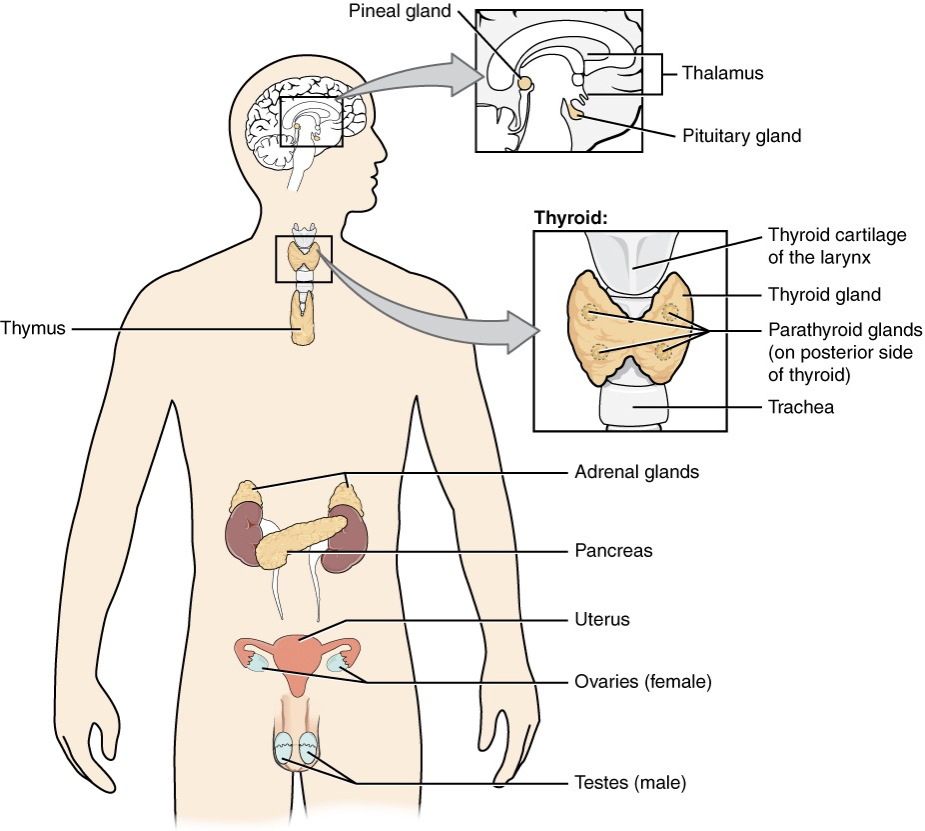
autocrine (a type of chemical signaling) allows hormones to act locally on cells nearby, facilitating immediate responses without entering the bloodstream.
paracine signaling refers to hormones that act on nearby cells, further enhancing local responses and maintaining homeostasis in the surrounding tissue. (may enter bloodstream)
Hormone Signaling Mechanisms
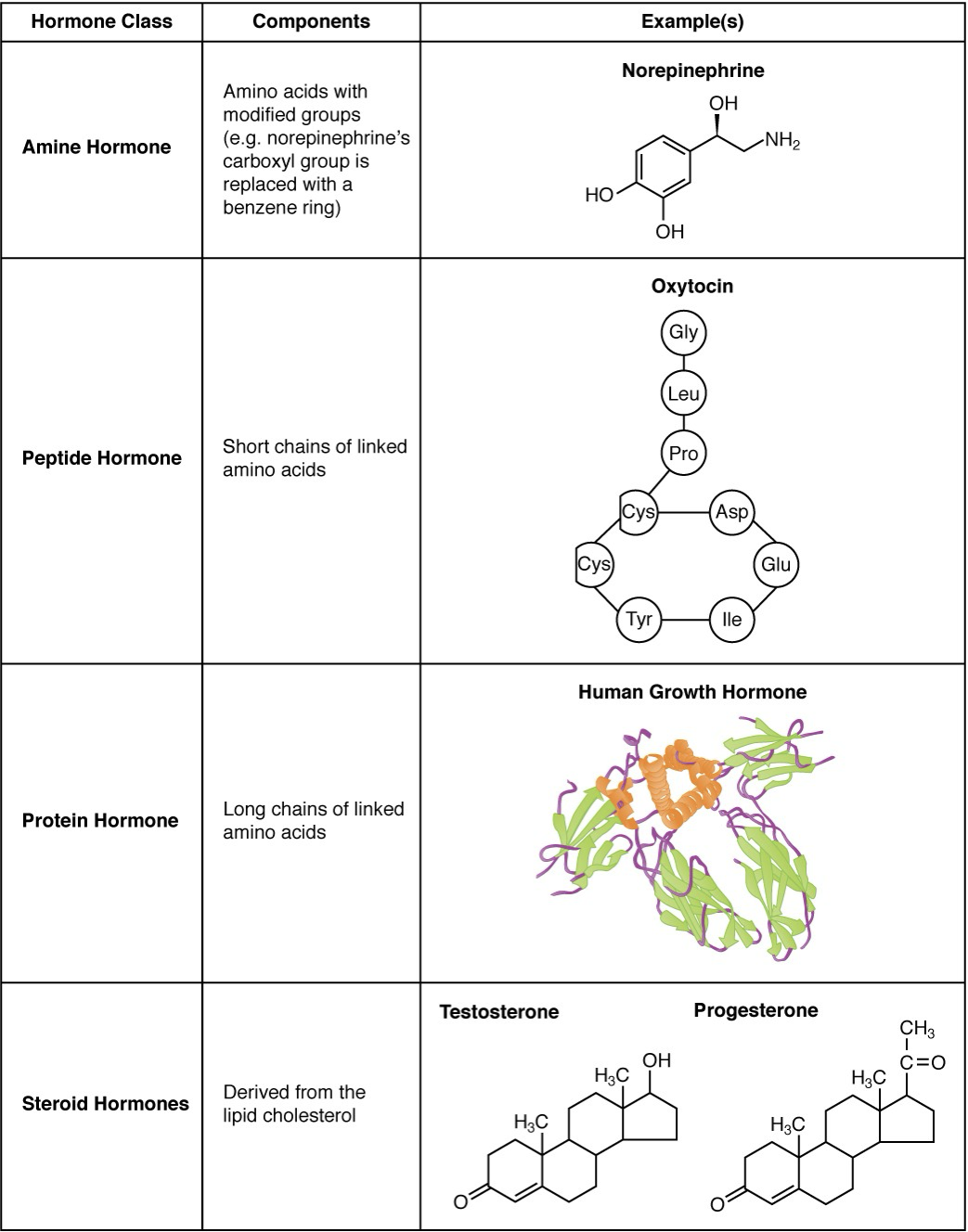
Chemical Composition: Hormones are classified based on their chemical structure:
Amino Acid-Derived Hormones: These hormones, including catecholamines (like adrenaline), amines, peptides, and proteins, are derived from amino acids, and typically have shorter half-lives.
Amine Hormones: synthesized from amino acids tryptophan or tyrosine
Peptide and Protein Hormones: consist of multiple amino acids that link to form a chain
peptide hormones have short amino acid chains
protein hormones have long amino acid chains
Steroid Hormones: Lipid-soluble hormones synthesized from cholesterol, including cortisol, estrogen, and testosterone, that can easily pass through cell membranes to directly impact gene expression.
Hormonal Action Paths
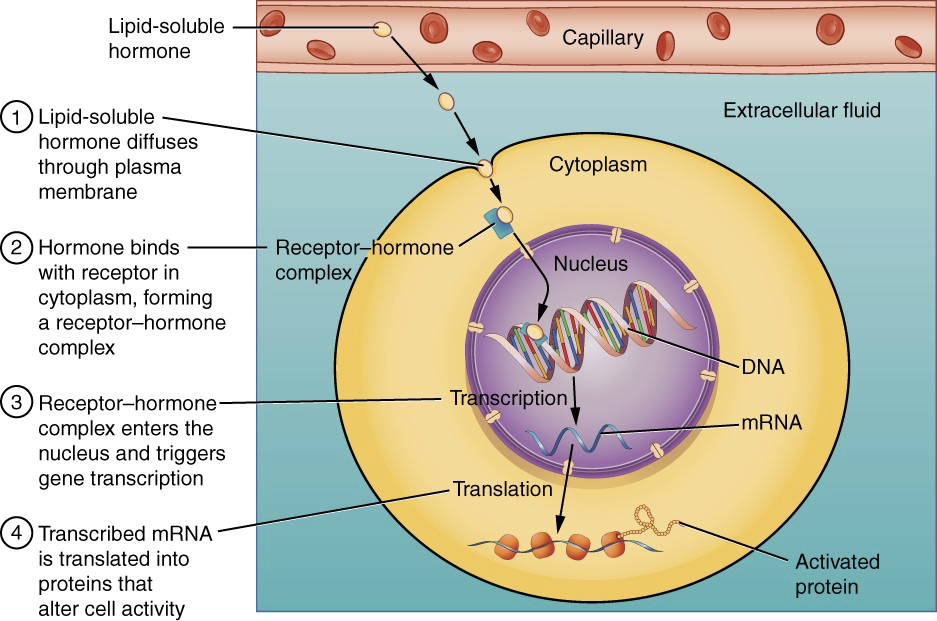
hormone messages are received through hormone receptors and only respond to hormones that are recognized by these receptors, which can be found on the surface of the target cell or within its cytoplasm
Lipid-Soluble Hormones: These hormones diffuse easily across cell membranes and bind to intracellular receptors located in the cytoplasm or nucleus, leading to enhanced transcription of specific genes that influence cellular activity directly.
thyroid hormone: bind to receptors already bound to DNA
steroid hormone: bind to receptor within cytosol or nucleus
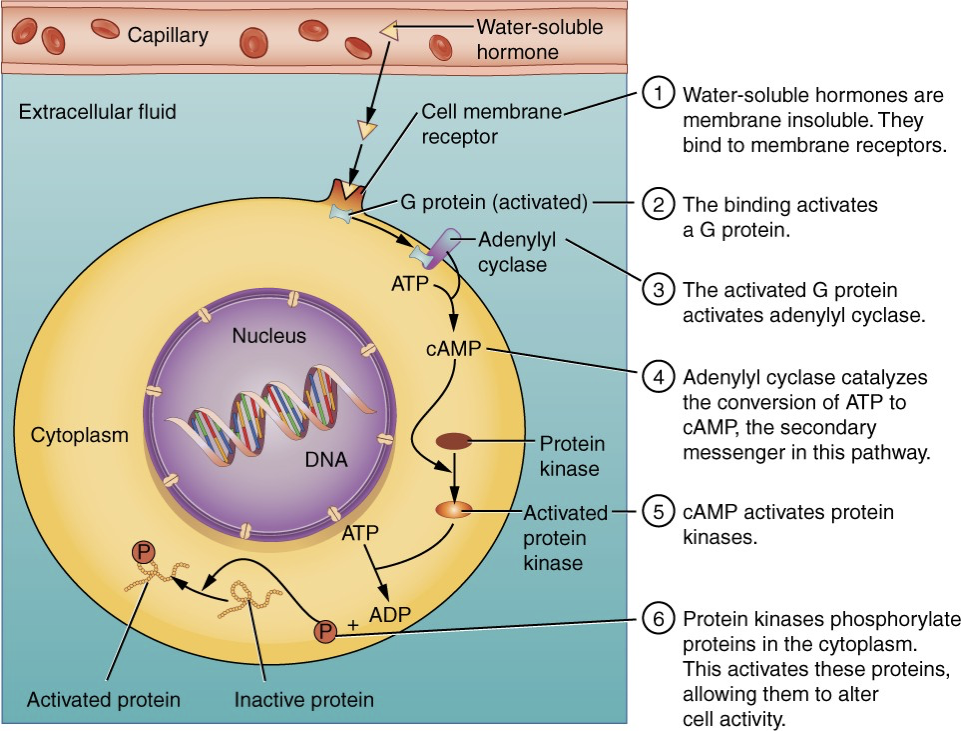
Water-Soluble Hormones: These hormones bind to receptors on the surface of target cells, activating second messengers (such as cAMP), which then trigger various physiological responses within the cell, affecting metabolism and function.
Pathways Involving Cell Membrane Hormone Receptors
first messenger: the hormone itself that initiates the signaling cascade by binding to cell membrane receptors, thereby activating the intracellular signaling mechanisms.
second messenger: a molecule generated inside the cell in response to hormone binding, which amplifies the signal and leads to a specific cellular response
cyclic adenosine monophosphate (cAMP): a common second messenger that mediates various physiological responses, including the regulation of metabolism, gene expression, and cellular growth.
Steps
step one - Hormone binds to its specific receptor on the cell membrane, initiating the activation of a G-protein.
step two - The activated G-protein then stimulates the enzyme adenylate cyclase
step three - which converts ATP into cAMP
step four - cAMP acts as a second messenger, amplifying the signal and activating protein kinase A (PKA)
step five - which then phosphorylates target proteins to elicit a cellular response.
Factors Influencing Target Cell Response
Hormone Levels: The sensitivity and responsiveness of target cells can be regulated by the levels of hormones, which can facilitate
upregulation (increased sensitivity through receptor increase)
downregulation (decreased sensitivity due to receptor decrease).
Interaction of Hormones: Hormones can interact in complex ways that include
permissive effects (where one hormone must be present for another to take effect),
synergistic effects (when two hormones act together for a greater effect), or
antagonistic effects (where one hormone opposes the action of another).
Major Endocrine Glands and Their Hormones
Hypothalamus
structure is in the diencephalon
produces and secretes many hormones
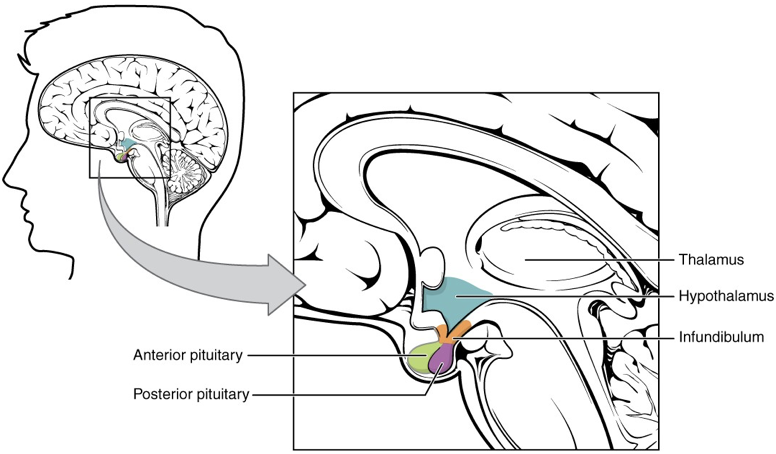
Pituitary Gland
Structure: Comprises two lobes via the anterior lobe (which produces various hormones) and the posterior lobe (which stores and releases hormones produced by the hypothalamus).
Key Hormones:
Growth Hormone (GH): Stimulates growth, cell reproduction, and regeneration, significantly influencing overall body composition and metabolic function.
Prolactin (PRL): Essential for initiating and maintaining breast milk production in females.
Thyroid-Stimulating Hormone (TSH): Stimulates the thyroid gland to synthesize and release thyroid hormones, which regulate metabolism.
Adrenocorticotropic Hormone (ACTH): Stimulates the adrenal cortex to release cortisol and other glucocorticoids, crucial for stress response and metabolism.
Follicle-Stimulating Hormone (FSH) and Luteinizing Hormone (LH): Regulate the function of ovaries and testes, critical for reproductive health and function.
Antidiuretic Hormone (ADH): Also known as vasopressin, it is produced in the hypothalamus and released by the posterior pituitary; it plays a key role in regulating water balance in the body by promoting water reabsorption in the kidneys.
Oxytocin: Produced in the hypothalamus and released by the posterior pituitary, it is essential for childbirth and lactation, stimulating uterine contractions during labor and milk ejection during breastfeeding.
Thyroid Gland
Anatomy: Located in the anterior neck, the thyroid gland plays a vital role in regulating metabolism.
Hormones:
Thyroxine (T4) and Triiodothyronine (T3): These hormones regulate metabolic rate, heart and digestive function, muscle control, brain development, and bone maintenance.
Calcitonin: Assists in reducing blood calcium levels, countering the effects of parathyroid hormone in the regulation of calcium metabolism.
Regulation: The release of thyroid hormones is controlled by TSH; iodine deficiency can lead to goiter due to inadequate hormone synthesis.
Parathyroid Glands
Located on the posterior surface of the thyroid gland, they are responsible for producing parathyroid hormone (PTH), which increases blood calcium levels by promoting calcium absorption in the intestines and kidneys.
hyperparathyroidism occurs when there is an overproduction of PTH, often resulting in elevated calcium levels, which can lead to symptoms such as muscle weakness, kidney stones, and osteoporosis.
hypoparathyroidism occurs when there is an underproduction of PTH, leading to lower blood calcium levels and potentially causing symptoms such as tingling in the fingers and toes, muscle cramps, and in severe cases, seizures.
Adrenal Glands
Anatomy: Comprised of two layers - the adrenal cortex and adrenal medulla, which have distinct functions.
Cortex: Produces stress-related hormones including glucocorticoids (like cortisol) for metabolism and immune response modulation, and mineralocorticoids (like aldosterone) for electrolyte balance and blood pressure regulation.
Medulla: Produces catecholamines (epinephrine and norepinephrine) which mediate the body’s ‘fight-or-flight’ response, affecting cardiovascular and metabolic reactions under stress.
general adaptation syndrome is a concept that describes the body's short-term and long-term reactions to stress, comprising three stages: alarm, resistance, and exhaustion, which illustrate how the endocrine system responds to prolonged stress.
alarm reaction : This initial response occurs when a stressor is first perceived, triggering the sympathetic nervous system and releasing catecholamines, preparing the body to react swiftly to the threat.
resistance stage : During this stage, the body attempts to adapt to the ongoing stressful situation by maintaining a state of heightened alertness, while the adrenal cortex releases corticosteroids that help sustain energy levels and manage inflammation, ultimately aiming to restore homeostasis.
exhaustion stage: If the stress continues for an extended period, the body's resources become depleted, leading to a decreased ability to respond, increased vulnerability to illness, and potential breakdown of bodily systems, resulting in physical and mental health issues.
hormones
aldosterone : A steroid hormone produced by the adrenal glands that plays a crucial role in regulating sodium and potassium levels in the body, thereby helping to maintain blood pressure and fluid balance.
cortisol, corticosterone, cortisone : Steroid hormones produced by the adrenal cortex that are involved in the stress response, regulating metabolism, immune response, and maintaining homeostasis.
epinephrine, norepinephrine : Catecholamines produced by the adrenal medulla, these hormones are critical in the body’s fight-or-flight response, increasing heart rate, blood flow to muscles, and energy availability.
Pineal Gland
A small, pea-shaped gland located in the brain, primarily responsible for the production of melatonin, a hormone that regulates sleep-wake cycles and circadian rhythms.
pinealocyte cells : The chief cells of the pineal gland, responsible for synthesizing and secreting melatonin, which helps to signal the onset of sleep and regulate various biological rhythms.
melatonin secretion is influenced by light exposure; higher levels are produced in darkness, promoting sleepiness, while light exposure inhibits its production, thus helping to adjust the body's internal clock.
Pancreas
Islets of Langerhans: Clusters of cells that perform endocrine functions, crucial for regulating blood glucose levels.
alpha cells secrete glucagon, a hormone that raises blood sugar levels by promoting the conversion of glycogen to glucose in the liver.
beta cells release insulin, a hormone that lowers blood sugar levels by facilitating the uptake of glucose into cells.
delta cells secrete somatostatin, a hormone that inhibits the release of both glucagon and insulin, thus playing a vital role in the regulation of glucose metabolism and maintaining balance within the endocrine system.
PP cells secrete pancreatic polypeptide, a hormone that regulates both the exocrine and endocrine functions of the pancreas and plays a role in appetite regulation.
Key Hormones:
Insulin: Lowers blood glucose levels and facilitates cellular uptake of glucose, vital for energy metabolism.
Glucagon: Raises blood glucose levels by promoting glycogen breakdown in the liver.
Somatostatin: Functions to inhibit the secretion of both insulin and glucagon, playing a role in overall glucose balance.
Gonads and Placenta
Testes: Produce testosterone, which is critical for male reproductive development and function, influencing muscle mass and bone density.
inhibin : Inhibits the secretion of follicle-stimulating hormone (FSH) from the anterior pituitary, thus regulating spermatogenesis and ovarian function.
Ovaries: Produce estrogen and progesterone, regulating female reproductive processes, menstrual cycle, and secondary sexual characteristics.
Placenta: Develops during pregnancy, producing hormones such as hCG (human chorionic gonadotropin), estrogen, and progesterone, which are essential for sustaining pregnancy and fetal development.
Other Organs with Endocrine Functions
Heart (Atrial Natriuretic Peptide - ANP): Involved in reducing blood volume and blood pressure through vasodilation and renal sodium excretion.
Kidneys (Erythropoietin - EPO): Stimulates the production of red blood cells in response to low oxygen levels in the blood.
renin, calcitriol
Gastrointestinal Tract: Produces a variety of hormones that regulate digestion, appetite, and nutrient absorption.
Adipose Tissue (Leptin): Secreted by fat cells, this hormone regulates energy balance by inhibiting hunger and triggering satiety signals in the hypothalamus.
leptin, adiponectin
Skin: Capable of converting cholesterol into vitamin D in response to ultraviolet radiation, essential for calcium homeostasis and bone health.
cholecalciferol
Thymus: An important gland located in the upper chest, the thymus produces thymosin, which plays a crucial role in the development and maturation of T-cells, essential for the adaptive immune response.
Liver: The liver is a vital organ that produces and secretes various hormones, including insulin-like growth factors, which are essential for growth and metabolic regulation.
angiotensinogen, thrombopoetin, hepcidin
Skeleton: osteocalcin, FGF23
Hormonal Regulation of Functions
Hormonal secretion operates primarily through feedback systems:
Negative Feedback: This is the most common mechanism for regulating hormone levels, ensuring that hormone output is adjusted according to physiological needs (e.g., insulin and glucagon maintaining stable blood sugar levels).
Positive Feedback: Less common, occurs in certain scenarios such as childbirth, where oxytocin release enhances uterine contractions, increasing its own production.
Diabetes Mellitus: A chronic condition resulting from inadequate insulin production (Type 1 diabetes) or insulin resistance (Type 2 diabetes), leading to elevated blood sugar levels and associated complications.
Aging and the Endocrine System
With aging, hormone levels often decline (e.g., growth hormone, sex hormones, thyroid hormones), which can lead to health implications like decreased bone density (osteoporosis), altered glucose metabolism, and changes in body composition, making it essential for older individuals to monitor their endocrine health.