W10 L24: Mental Health
A brief history of “mental health science”
Mental health/illness recognised as problems with body/brain function near the turn of the 19th century
Psychoanalysis (pioneered by S Freud) relies on the verbal analysis of trauma & dreams
- Much of mental life in happens in the subconscious
- Early life experiences determine adult behaviour Behaviourism is a branch of psychology defined by the work of BF Skinner
Behaviourism is a branch of psychology defined by the work of BF Skinner
- Emphasises the adaptation of behaviour = everything is learned behaviour
- Mental illness maybe ‘unlearned’
- Psychotherapy focusses on reversing negative behavioural patterns
Modern mental health science
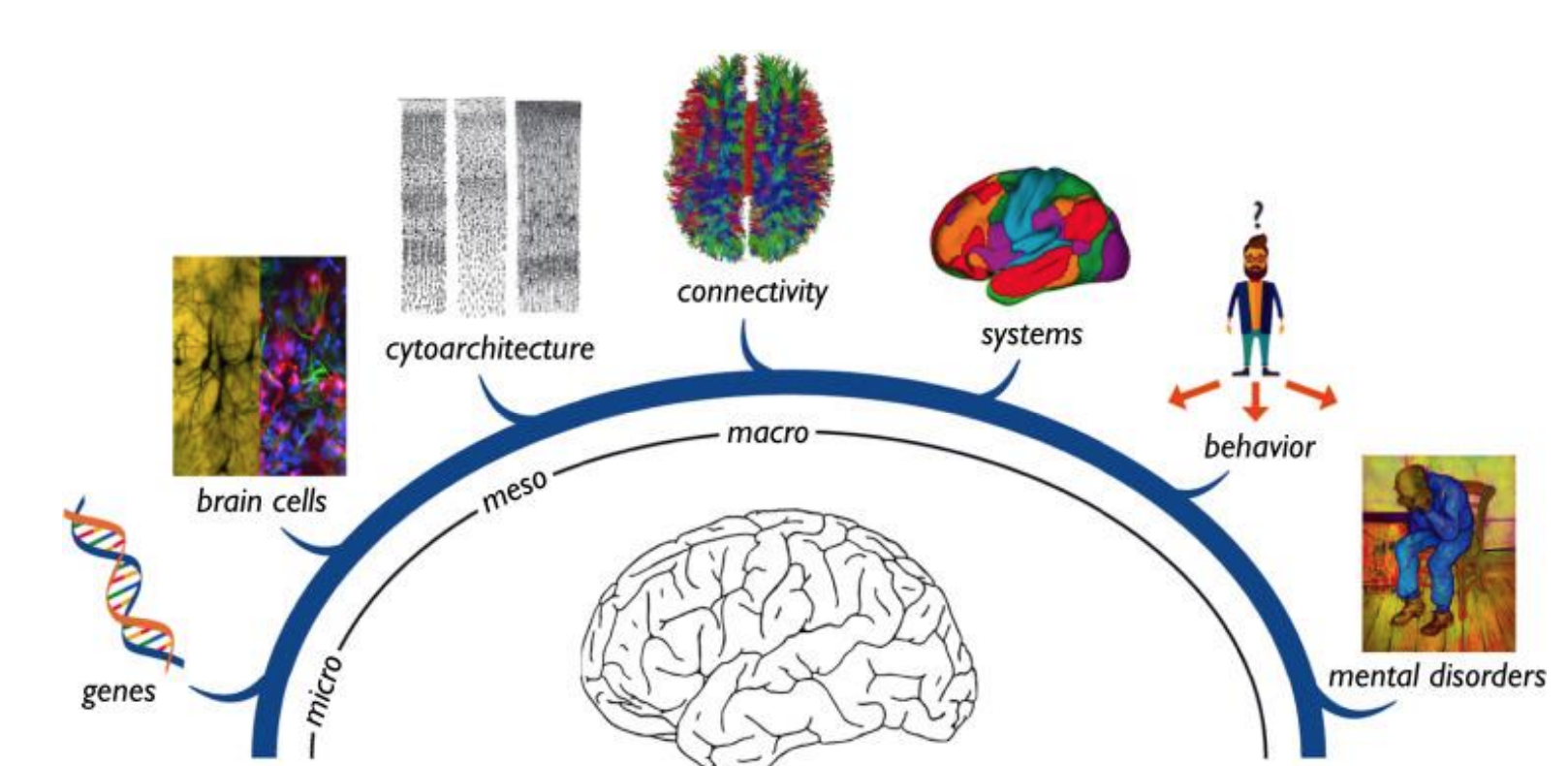
- Modern MHS is focussed on identifying multilevel interactions between genes, neuronal circuits and behaviour
Developing novel treatments
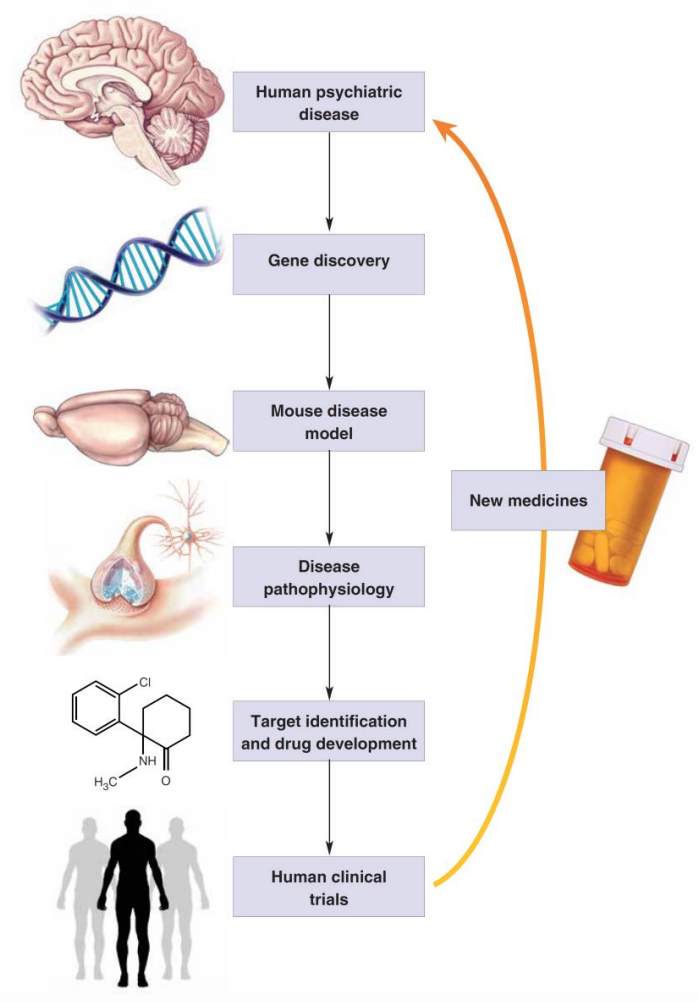
- Molecular medicine aims to develop treatment based on genes linked to psychiatric disorders
- Approach is difficult→ Psychiatric disorder definitions are still based on interviews w/ a clinician (no biomarker, e.g. a blood test for depression)
- Many loci have been identified through genome wide association studies, many w/ small effect sizes:
- a complex network of genes influences complex neuronal networks to cause complex behavioural changes
Induced pluripotent stem cells
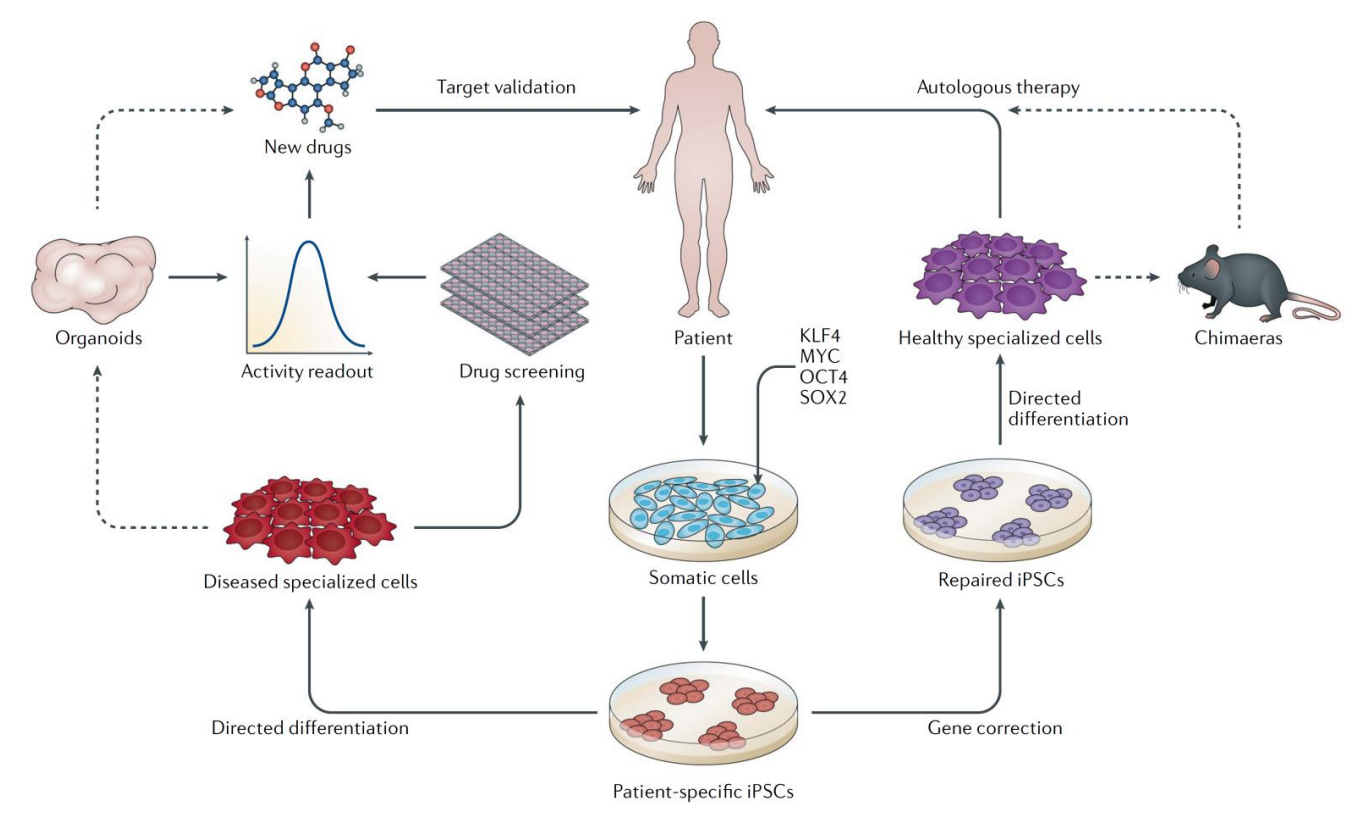
- An alternative path to new treatments for psychiatric disorders
Anxiety Disorders
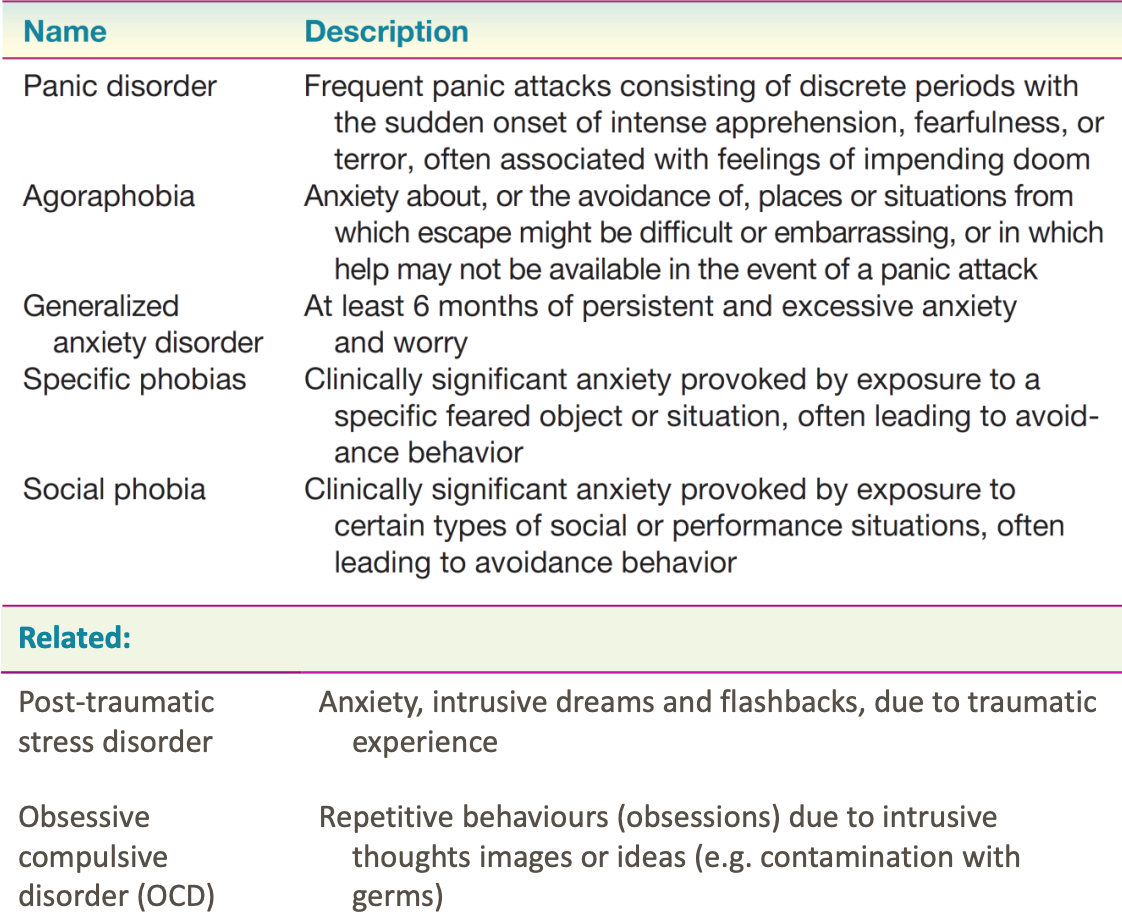
Types of anxiety disorders
Neural mechanisms of anxiety – the stress response
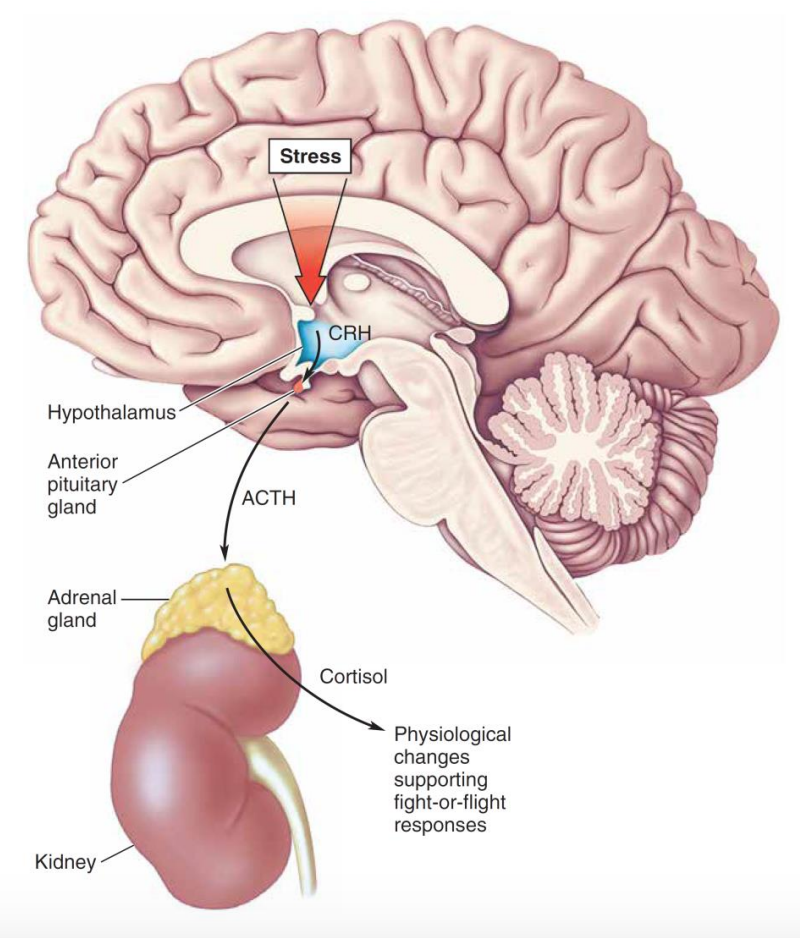
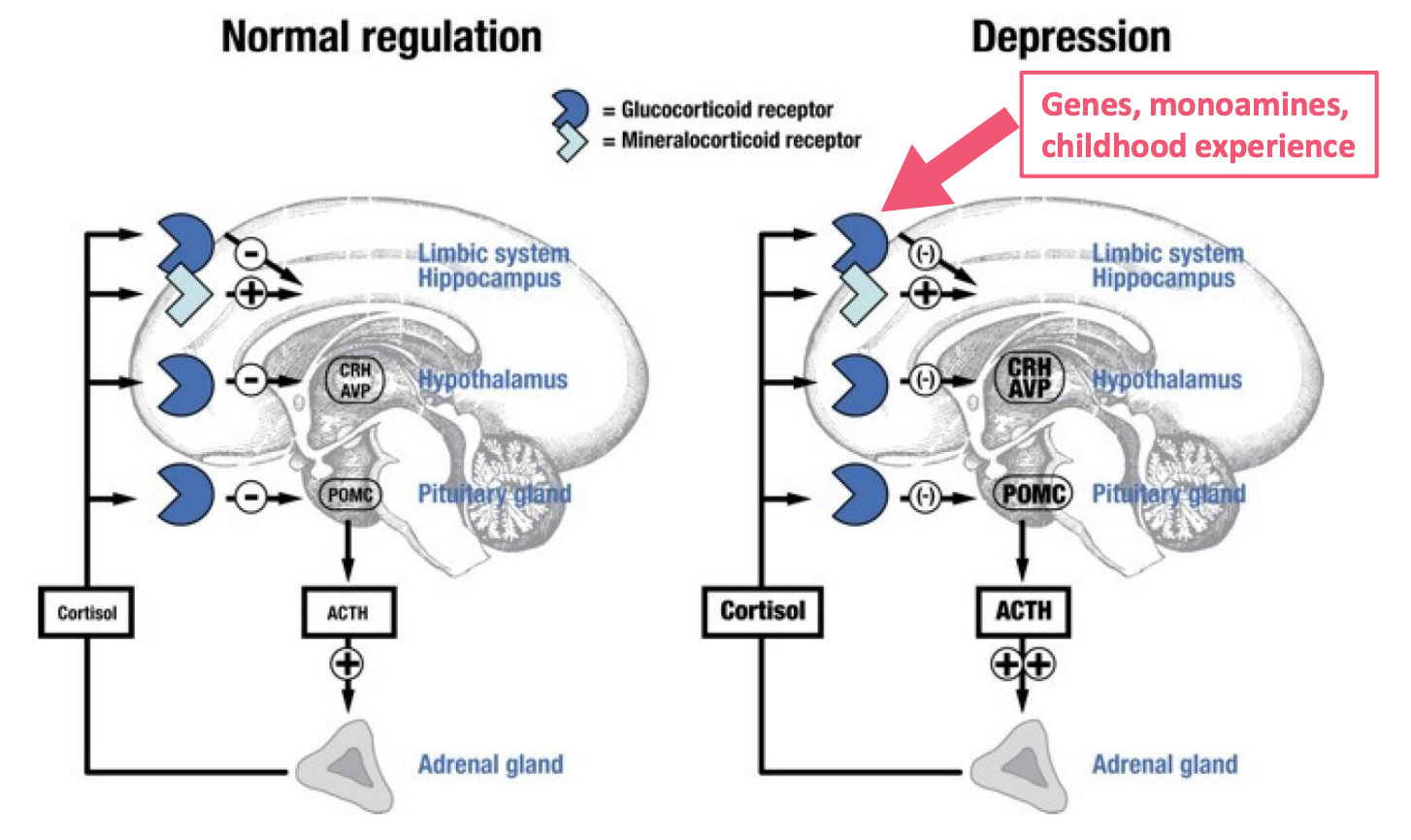
- The stress response is triggered by the HPA (gone over in previous lectures)
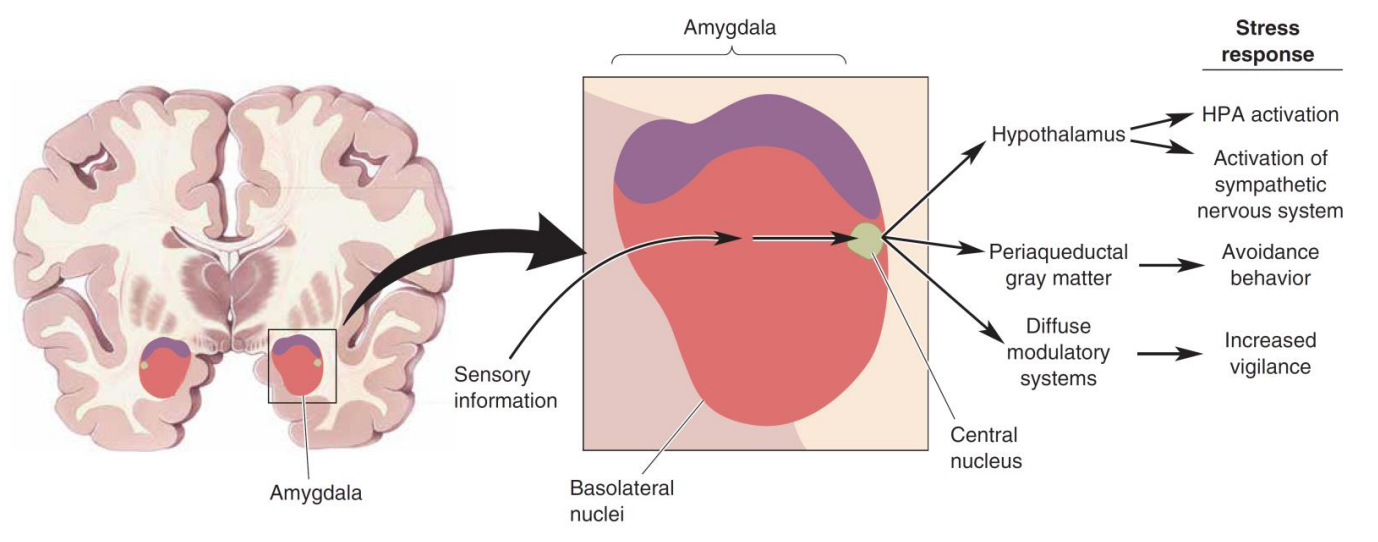
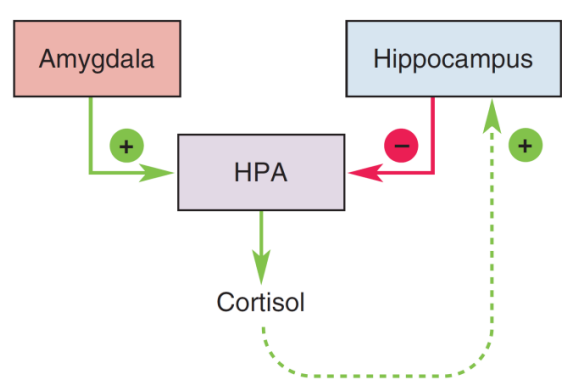
Amygdala and the hippocampus modulate the stress response
- Amygdala stimulates HPA as during fear response
- Hippocampus inhibits HPA through cell that express glucocorticoid receptors (sensitive to cortisol)
- too much stress - HPA should be reduced (impaired in anxiety disorders)
Treatments for anxiety
Psychotherapy:
- Gradual increase in anxiety inducing stimulus
- Slowly alter (desensitise) underlying brain pathways
Pharmacotherapy (use of psychoactive medications):
Anxiolytic drugs:
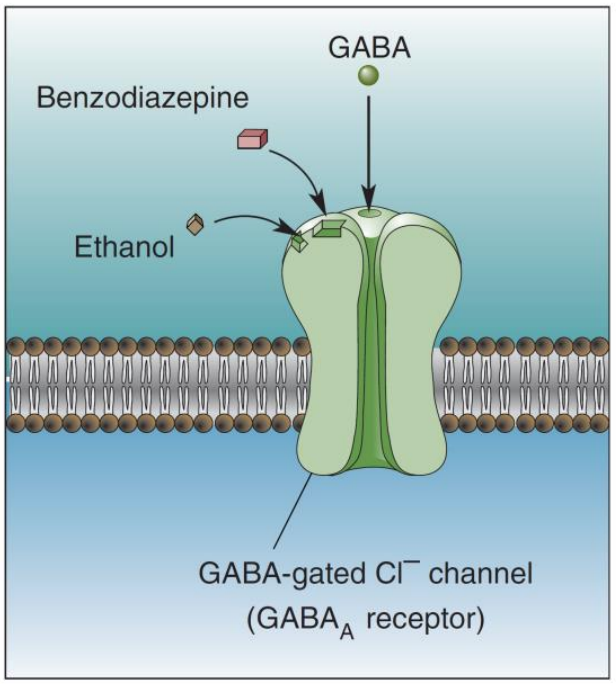
- Anxiety can be attributed to overactive (excitatory) neural pathways
- Activate inhibitory signalling in the brain using drugs that enhance the effect of GABA on receptors
➢ Increased inhibition
Recent evidence suggests that pharmacotherapy & psychotherapy work better when delivered together.
Depression
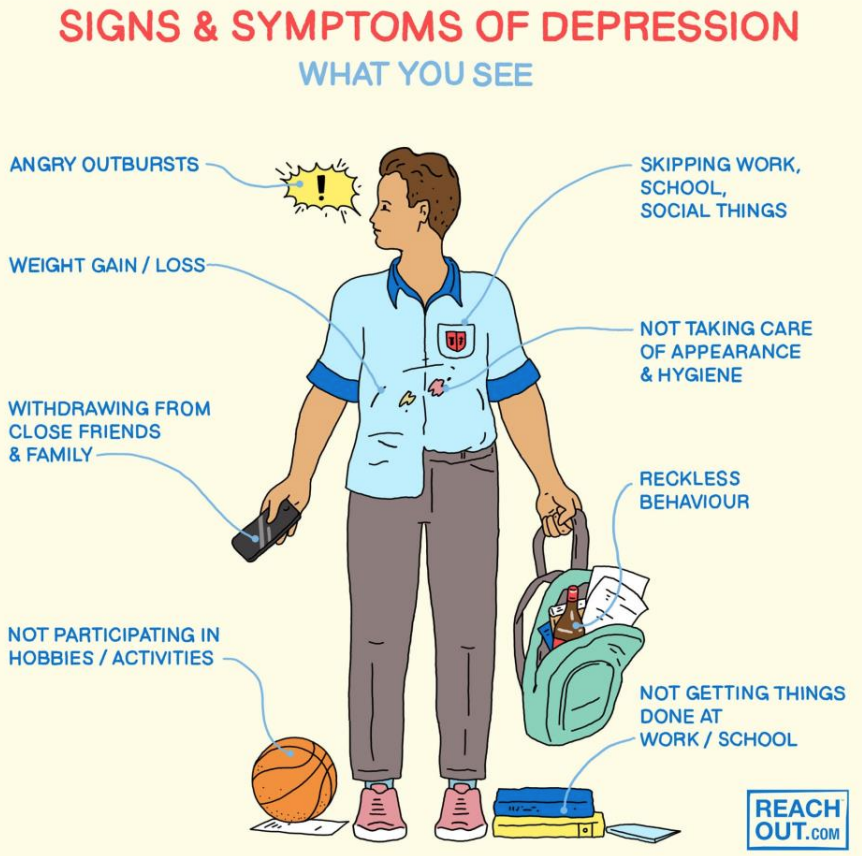
Symptoms of major depression
Major depression is a mood disorder.
- 5-13 % of the general population will experience an episode of depression in their lifetime
- Symptoms include:
- Loss of appetite (or increased appetite)
- Insomnia (or hypersomnia)
- Fatigue
- Feelings of worthlessness and guilt
- A diminished ability to concentrate
- Recurrent thoughts of death
Theories of depression: monoamine theory
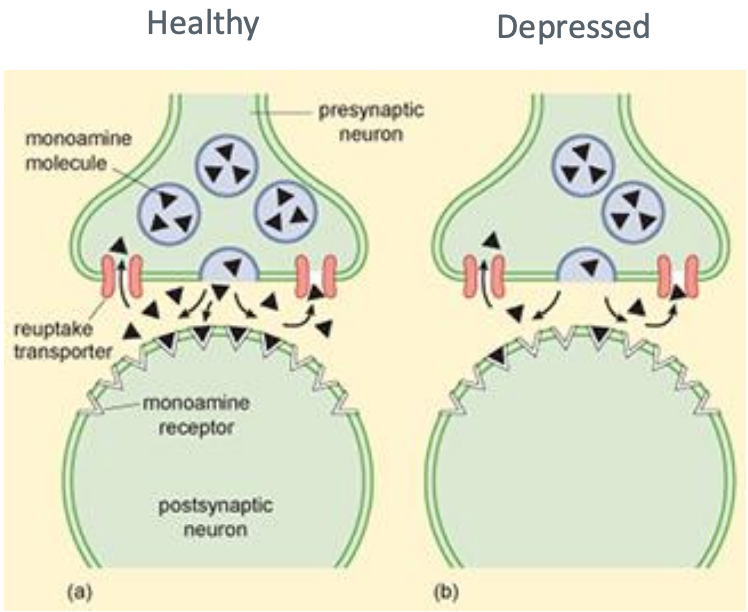
- Reserpine (against high blood pressure) caused depression in 20 % of cases
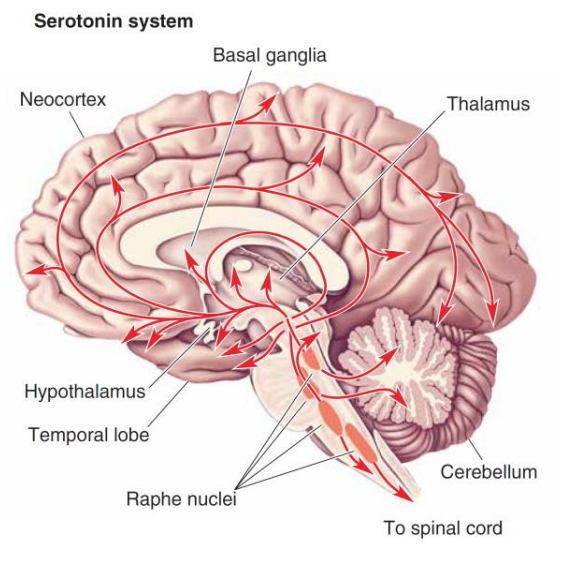
- Reserpine depletes monoamines (serotonin, dopamine, noradrenaline)
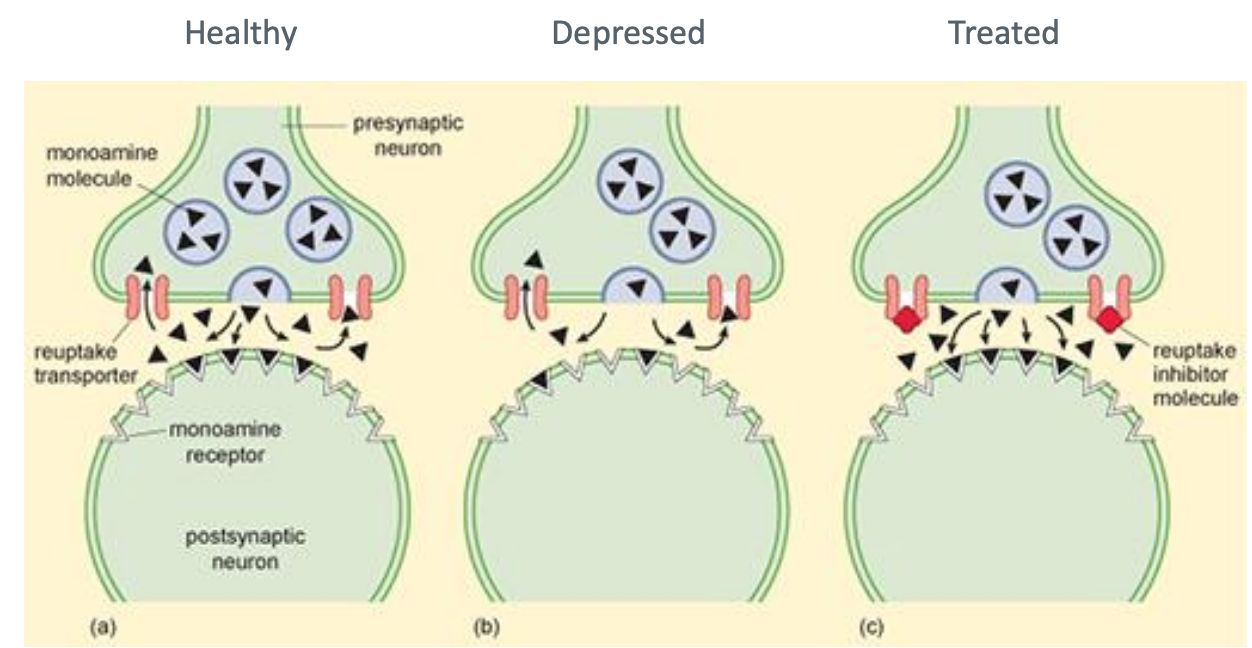
- Early antidepressant imipramine inhibits serotonin reuptake = increased serotonin
- Reduced serotonin signalling is major cause of depression
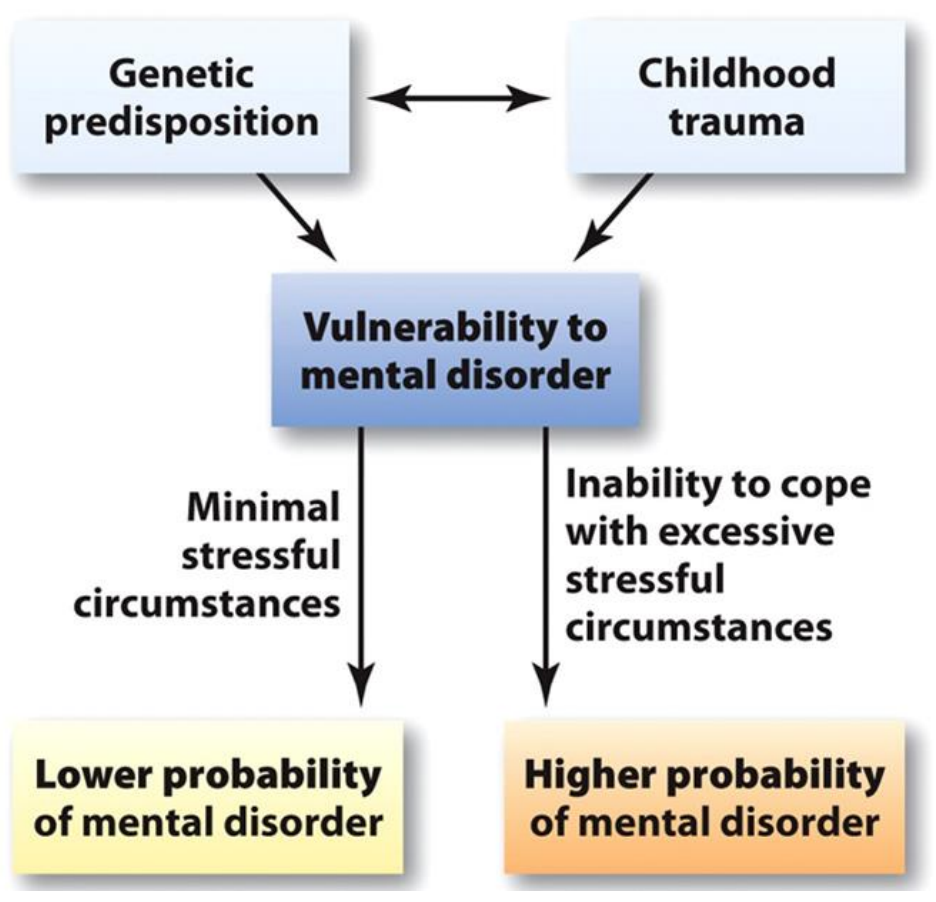
Theories of depression: Diathesis-Stress
Treatments for mood disorders: Antidepressants
- Most current antidepressants block re-uptake of serotonin at the synaptic cleft:
- increased serotonin
Problems:
- antidepressants only work in about 2/3 of all patients
- Take 6 weeks to show clinical effects
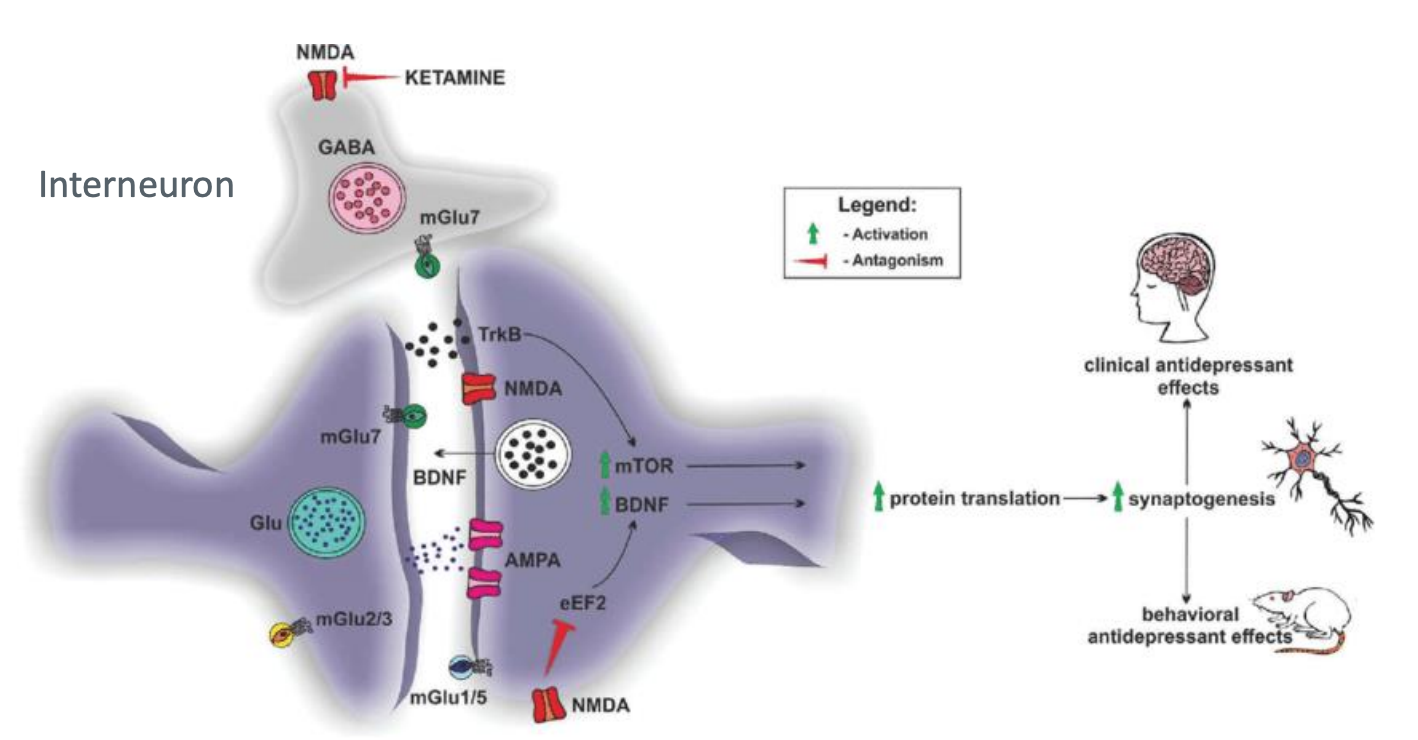
Ketamine
- Approved as novel antidepressant treatment in 2019
- 1st new class of antidepressant for 30 years
- Blocks NMDA receptors on inhibitory interneurons
- Activates other signalling pathways for protein translation and synaptogenesis
Modern concepts of depression
Today:
- Depression & other psychiatric disorders are complex multifactorial diseases
- Genetic disposition, development, early-life experiences & late-life experiences contribute to risk
- Ability to manage stressful situations in late-life might be crucial for fending off conversion to psychiatric disorder (building resilience)
COVID-19 and mental health
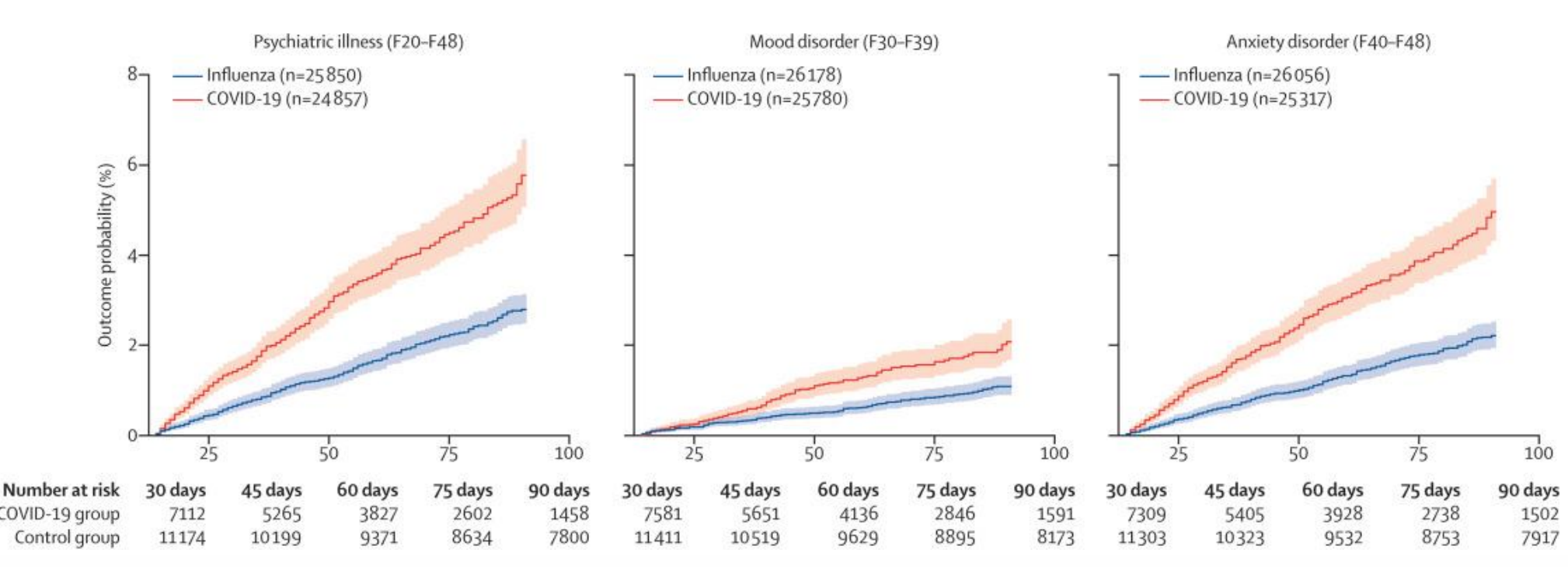
- Data from US health system (69 million records)
- Covid-19 infection increases the risk of being diagnosed w/ additional psychiatric disorders such as depression of anxiety compared to influenza
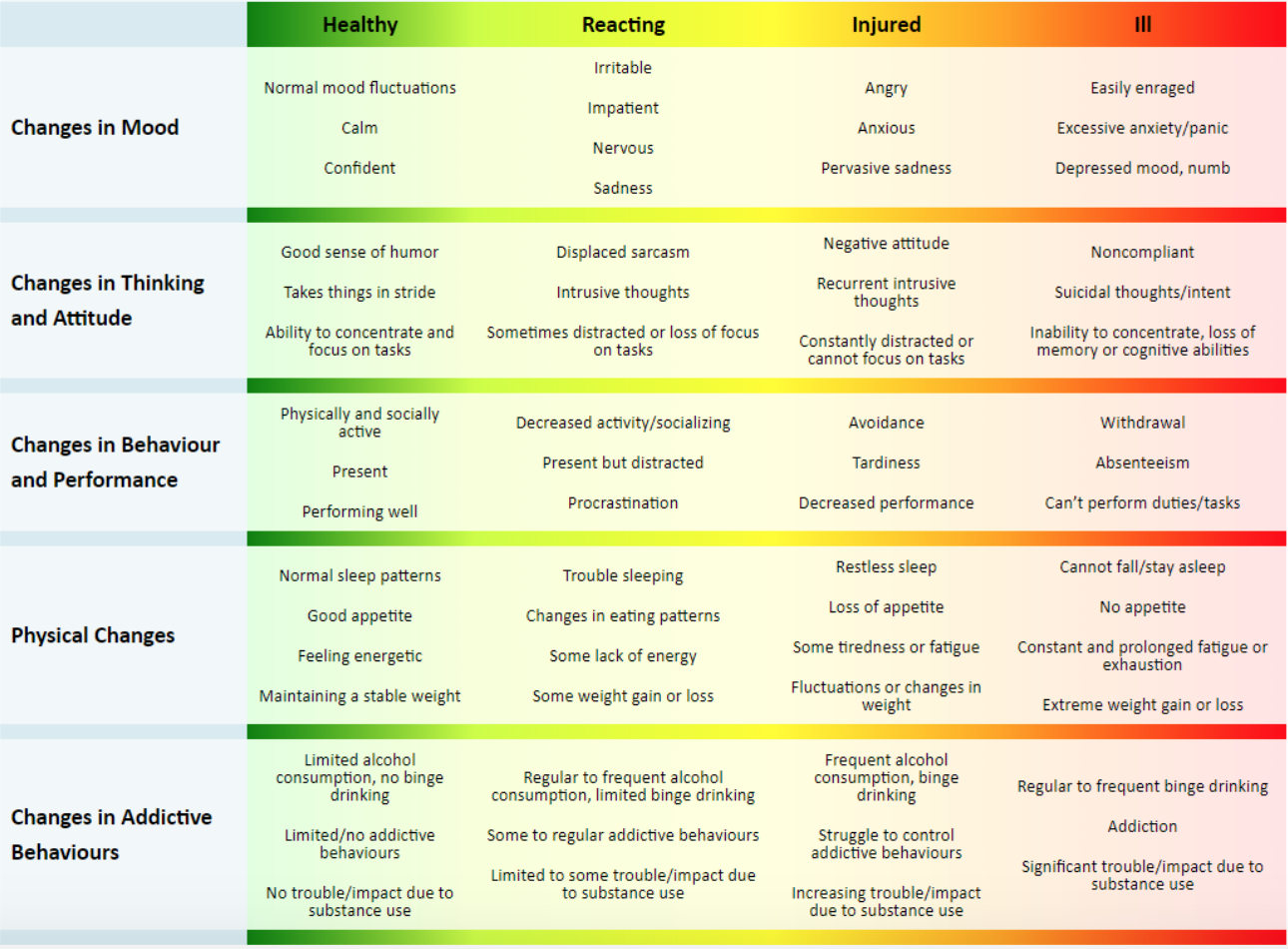
Mental health is a continuum
Summary:
- Mental health science links genetic, molecular & brain mechanisms to pathological changes in behaviour
- Developing novel treatments will rely on molecular medicine approaches, e.g. induced pluripotent stem cells
- Anxiety disorders are characterised by constant & excessive anxiety and worry
- Anxiety can due to activation of the HPA
- Amygdala enhances/hippocampus reduces HPA activation
- Psychotherapy & pharmacotherapy are used to treat anxiety
- Major depression occurs in up in 5-10% of the general population
- Antidepressants include SSRI and more recently Ketamine
- MD is a complex disorder caused by a genetic, developmental & environmental factors