food
MICROBIOLOGY OF FOOD
INTRODUCTION
Presenter: Dr. Glyn Barrett
Email: glyn.barrett@reading.ac.uk
Location: Health and Life Sciences (HLS) building, University of Reading
LEARNING OUTCOMES
Differentiate Intrinsic and Extrinsic Factors
Ability to distinguish intrinsic factors (internal characteristics of food) from extrinsic factors (external environmental influences) that affect food spoilage.
Microbial Growth Composition
Explanation of how food composition dictates the type of microbial growth that may occur on it.
Physical and Biological Features
Identification of two physical and two biological characteristics of food that influence spoilage.
Pathogen Entry
Comprehension of mechanisms through which pathogens infiltrate the food chain.
Microbial Contributions to Food Industry
Recognition that microbes not only hinder food safety but also play a significant role in food production.
A BRIEF HISTORY
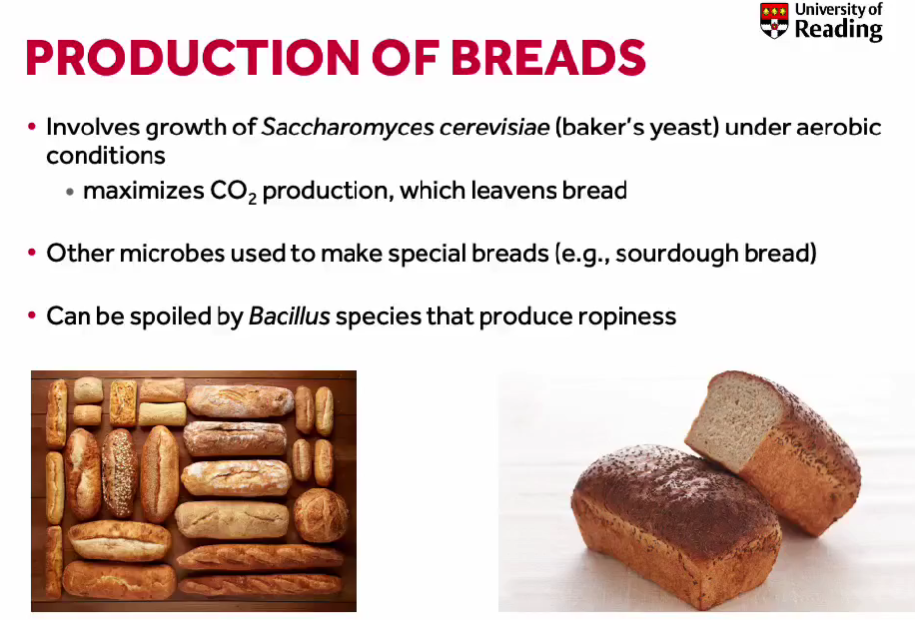
Bread and Beer Production
Current evidence suggests these practices date back approximately 8,000 years.
Recognition of Food Poisoning
Documented acknowledgment around 900 AD.
Development of Canning
Invention credited to Nicolas Appert in 1795, particularly influenced by the needs during the Napoleonic Wars.
Evolution of Food Microbiology
Transition to a recognized scientific field occurring between 1854-1864, notably involving contributions from Louis Pasteur.
FOOD-BORNE ILLNESS (FBI)
Economic Impact
Estimated yearly cost of food-borne illness is $6.9 billion.
Centers for Disease Control and Prevention (CDC) Estimates:
48 million reported cases annually.
Roughly 128,000 hospitalizations stemming from these cases.
About 3,000 deaths connected to food-borne illnesses.
Common Pathogens
Major pathogens include Campylobacter, E. coli, and Salmonella.
thes enter the food by conntamination
MICROORGANISMS IN FOOD
Classification of Microorganisms:
Pathogenic Microorganisms: Cause diseases and health issues.
Spoilage Microorganisms: Lead to undesirable changes in food's smell, taste, or appearance. - economic losses
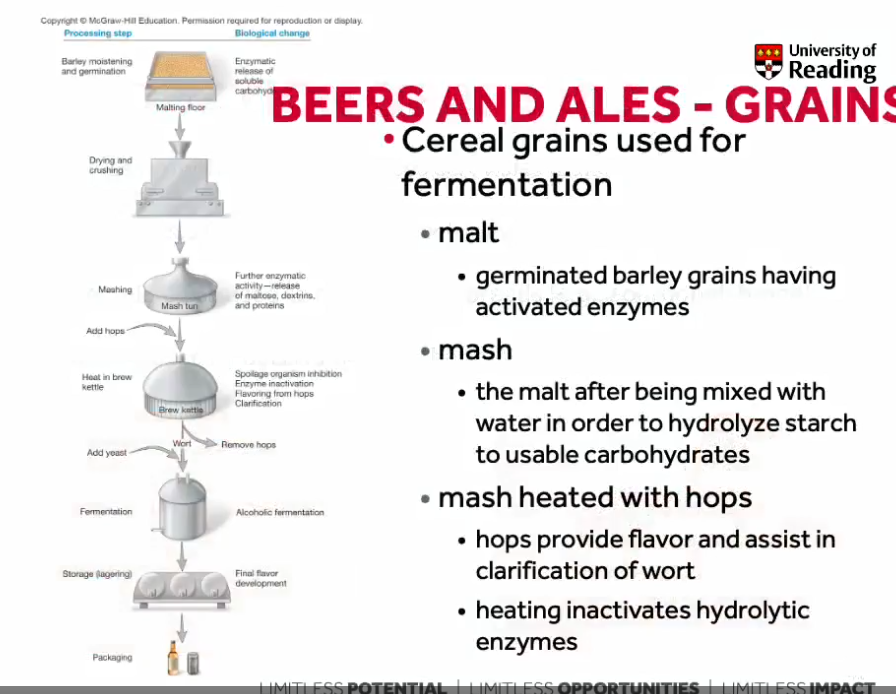
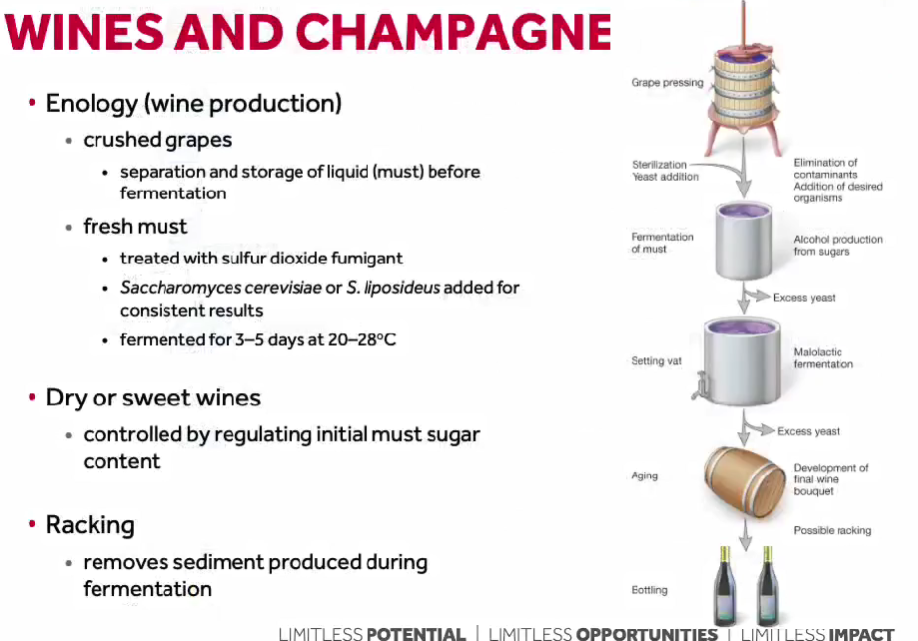
Fermentation Microorganisms: Also known as beneficial microbes, they produce desirable food products through fermentation processes.
Neutral Microorganisms: Have no significant effect on the food.
MICROBIAL GROWTH AND FOOD SPOILAGE
Controlling Factors of Microbial Growth:
Intrinsic Factors
Properties related to the food itself, including:
pH
Water content
Nutrient content
Natural antimicrobial substances
Extrinsic Factors
Environmental conditions influencing spoilage, such as:
Temperature
Relative humidity (rH)
Gas composition
Pressure
CONTROLLING GROWTH STRATEGY
Principles:
F - Food
A - Acidity
T - Temperature
T - Time
O - Oxygen
M - Moisture
INTRINSIC FACTORS
Carbohydrates
In carbohydrate-rich foods:
Molds generally predominate due to an average poH of around 5 (e.g., breads with high moisture).
High nutrient content supports mold growth during storage in non-airtight conditions.
occurs during hydolysis when carbohydrates arfe broken down into similar compounds.
Proteins and Fats
In protein and fat-laden foods such as meats and dairy:
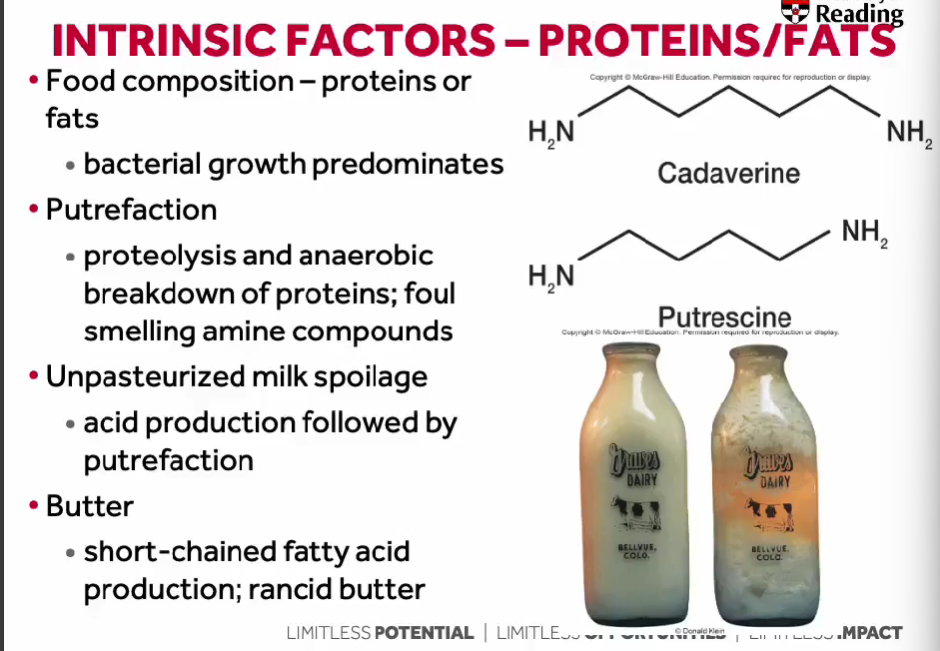
Bacterial growth, particularly Putrefaction, is common, leading to breakdown of proteins (proteolysis) and foul-smelling byproducts.
Spoilage in unpasteurized milk can lead to lactic acid production that lowers pH, followed by spoilage due to putrefaction.
Rancidity can also occur due to short-chained fatty acid production in butter.
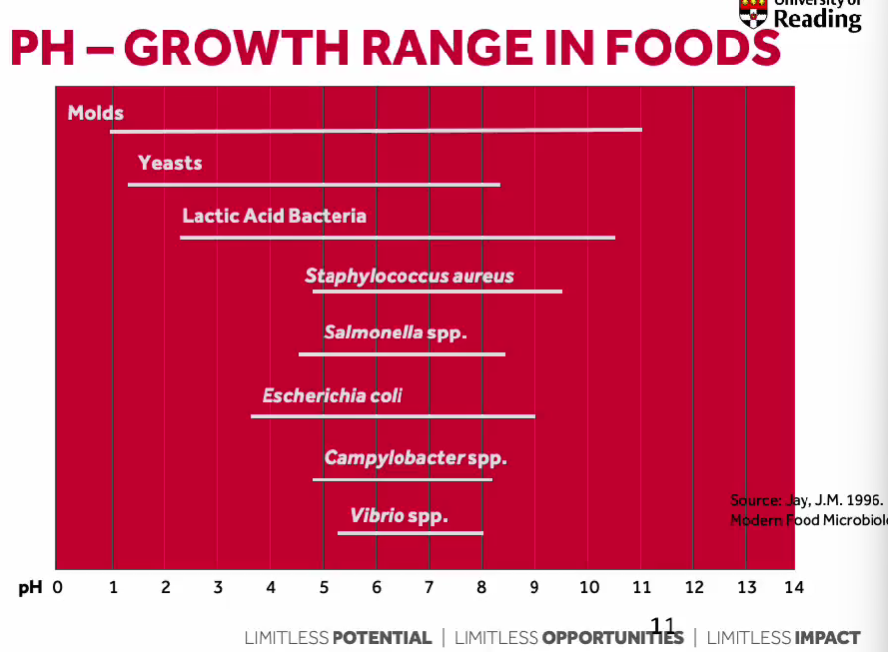
pH Growth Range in Foods
Organisms thrive in different pH ranges, for example:
Vibrio spp. and Campylobacter spp. thrive at lower pH values.
E. coli and Salmonella spp. are found at neutral pH.
Physical Properties
Physical properties like grinding increase microbial growth by increasing surface area and distributing microbes more easily.
The outer skins of fruits and vegetables can inhibit microbial growth.
EXTRINSIC FACTORS IMPACTING MICROBIALw GROWTH
Temperature:
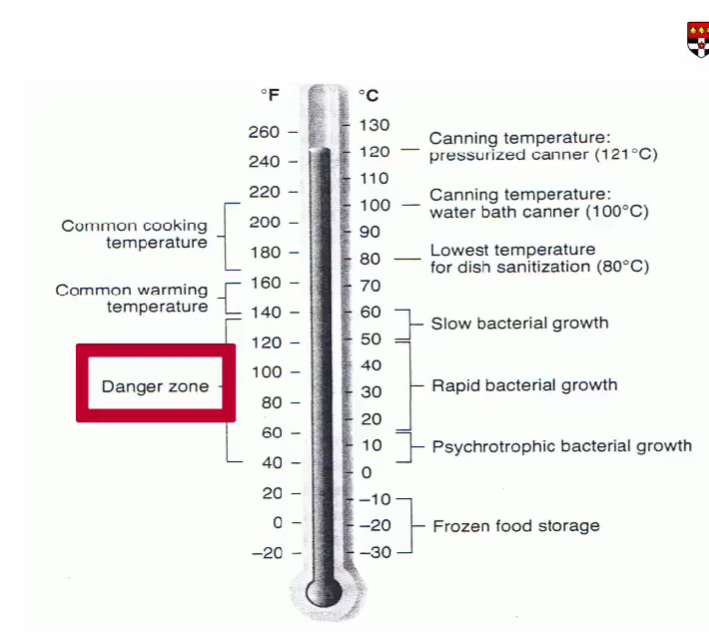
Low Temperatures: Refrigeration (<5°C) slows microbial growth but does not eliminate it, as seen in organisms like Listeria monocytogenes.
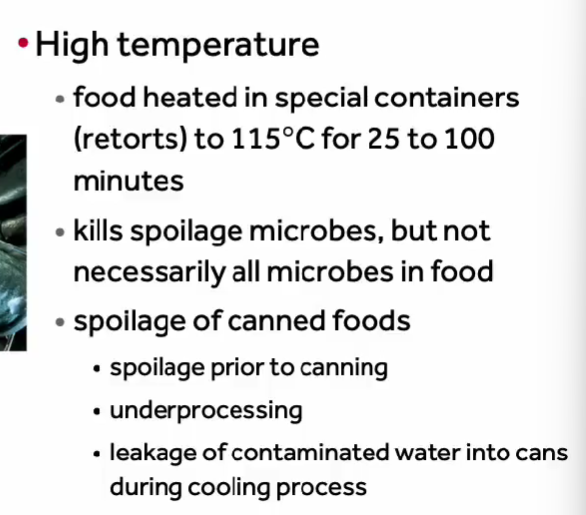
High Temperatures: Canning at temperatures of 115°C can kill spoilage organisms but may not eliminate all microorganisms.
Relative Humidity: High humidity levels foster microbial growth.
Atmosphere: The presence of oxygen facilitates growth; modified atmosphere packaging (MAP) limits oxygen availability by using shrink wrap and vacuum technologies.
TEMPERATURE AND GROWTH
Types of Microbial Growth Based on Temperature:
Psychrophiles: Thrive in temperatures from 1-20°C (e.g., Pseudomonas, Flavobacterium).
Psychrotrophic: Can grow in refrigeration conditions but prefer warmer temps (e.g., Listeria monocytogenes).
Mesophiles: Most human pathogens, prefer temperatures between 20-40°C (e.g., E. coli, Salmonella, Clostridium botulinum).
Thermophiles: Favor temperatures above 45°C (e.g., Geobacillus stearothermophilus).
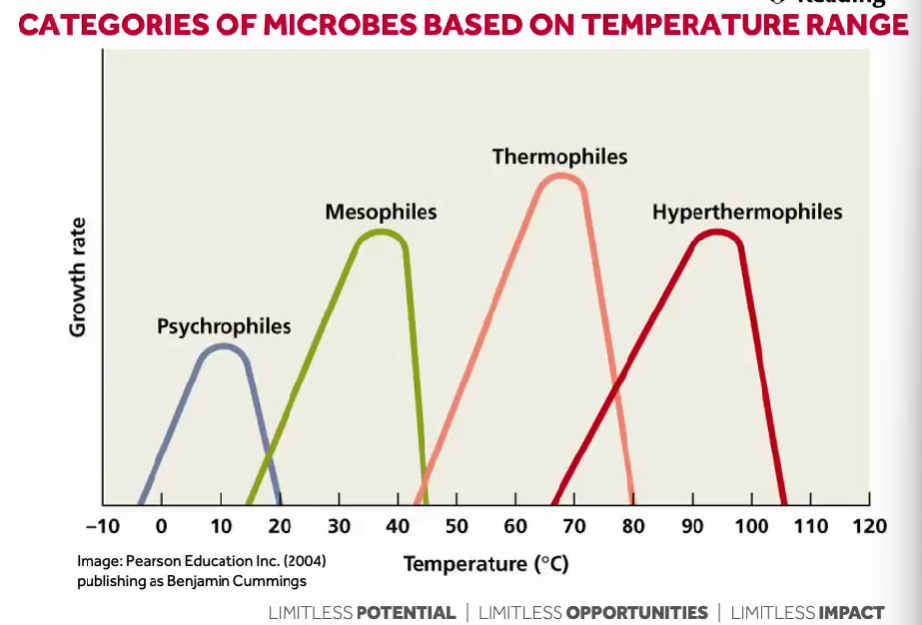
the danger zone is the temp between 5 and 60 degrees celcius.
FOOD PRESERVATION STRATEGIES
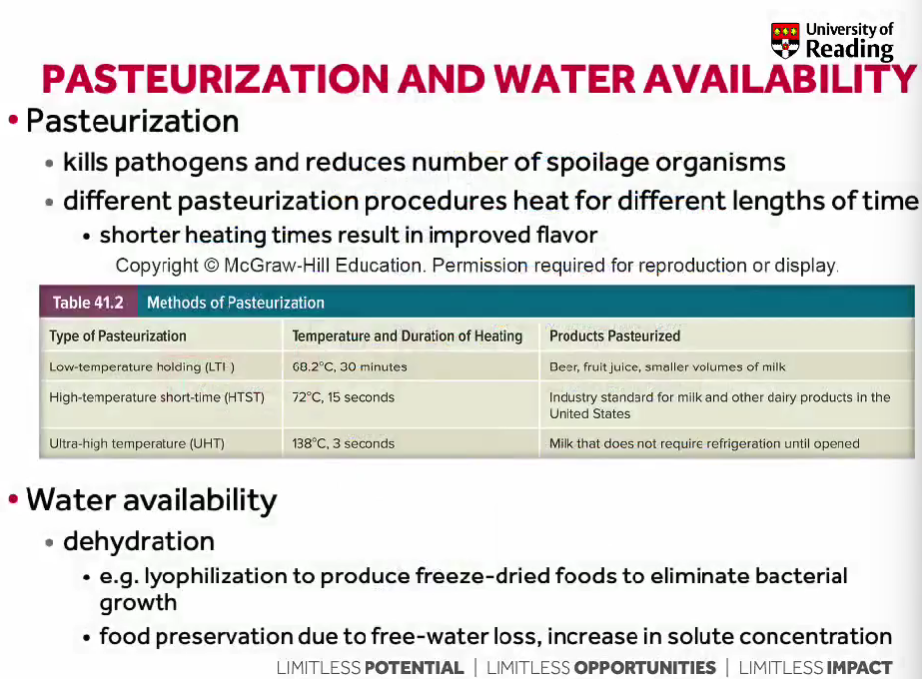
Pasteurization reduces pathogens and the number of spoilage organisms through specific heat treatments.
Water Availability: Dehydration techniques such as lyophilization (freeze-drying) eliminate bacterial growth.
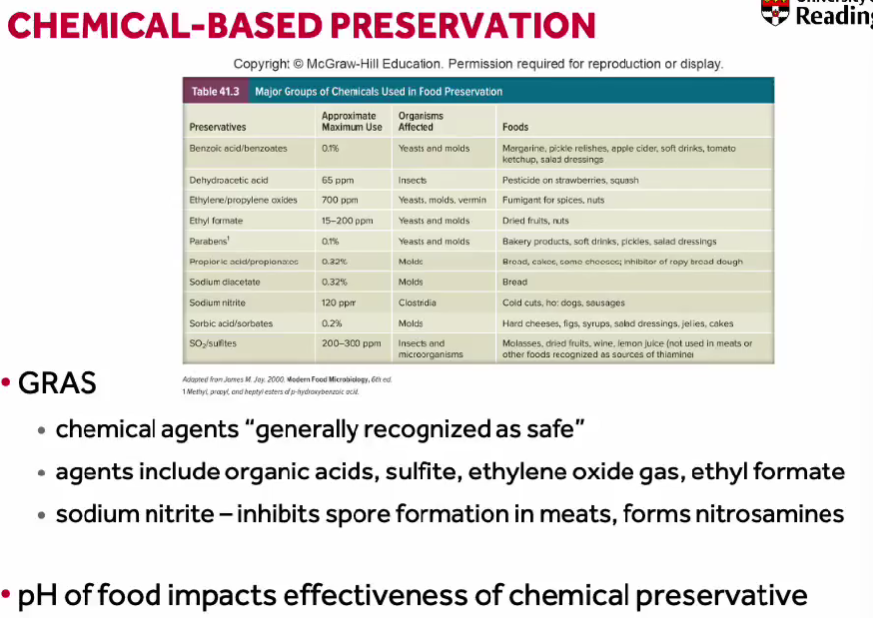
Chemical Preservation: Use of Generally Recognized As Safe (GRAS) compounds like organic acids and sulfites.
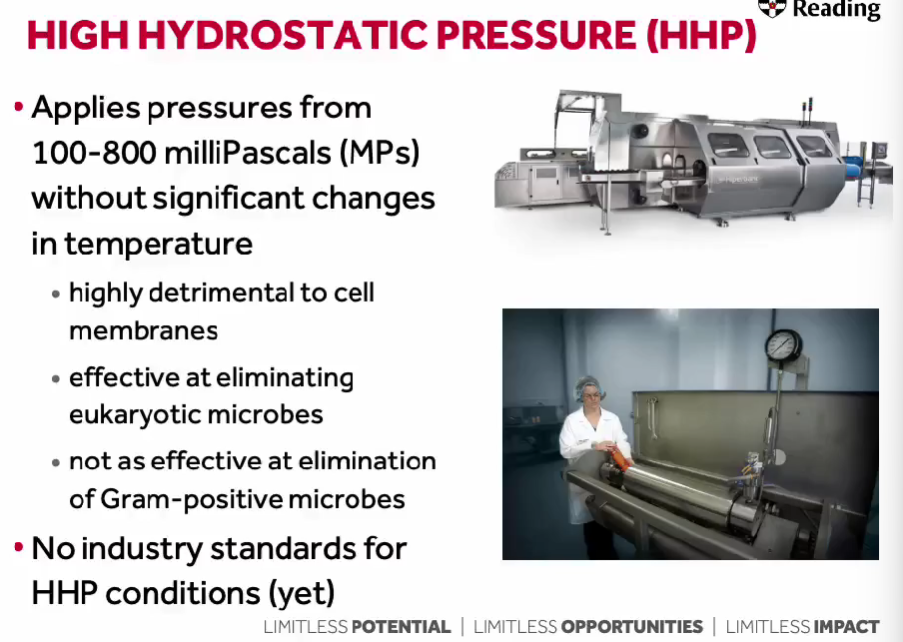
High Hydrostatic Pressure (HHP): Application of pressures from 100-800 MPa without significant temperature change to alter cell membranes.
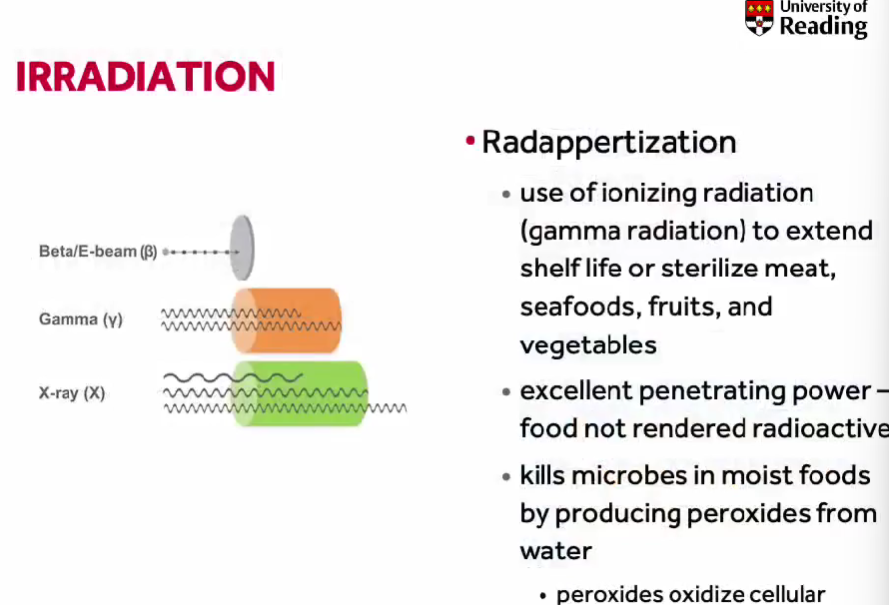
Irradiation (Radappertization): Use of gamma radiation to kill microbes and extend shelf life without rendering food radioactive.
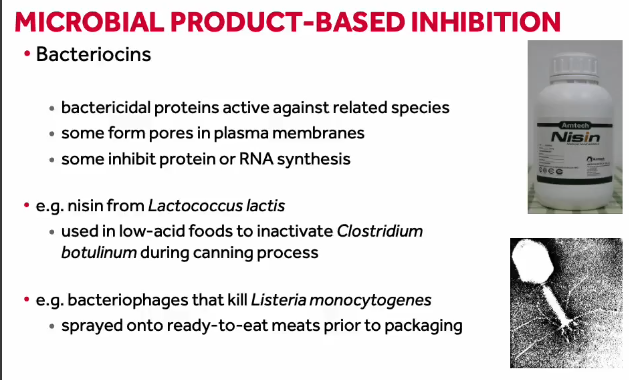
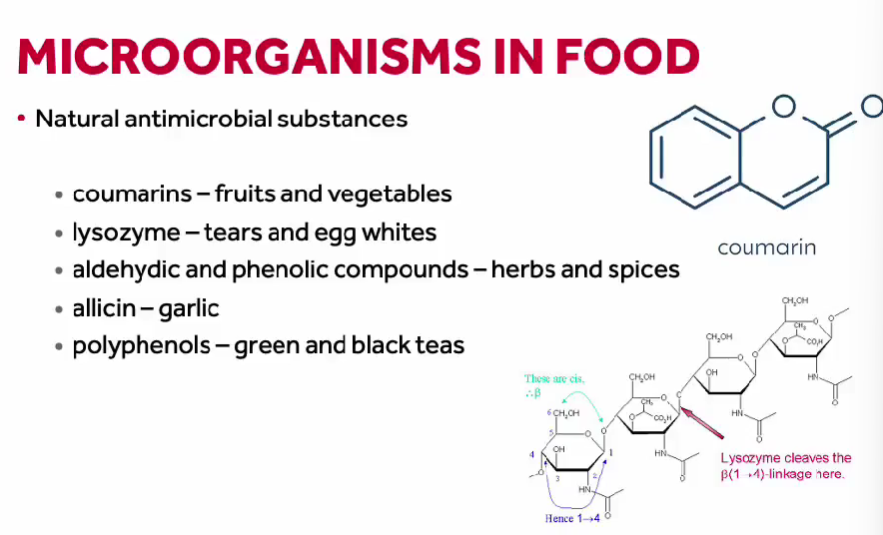
Microbial Inhibition: Bacteriocins and natural antimicrobials derived from natural substances like garlic and spices
TYPES OF FOOD-BORNE DISEASE
Roughly 48 million cases annually in the U.S. with a significant number of hospitalizations and deaths.
Major pathogens include Noroviruses, Campylobacter jejuni and Salmonella.
Foodborne Infections and Intoxications: Defined by the means of transmission; the fecal-oral route plays a crucial role.
infections - invade and multiple in the host
intoxinations - consuming toxins produced by the microbes

EXAMPLES OF SPECIFIC FOOD-BORNE DISEASES
Listeriosis: Affected demographics include pregnant women and immunocompromised individuals.
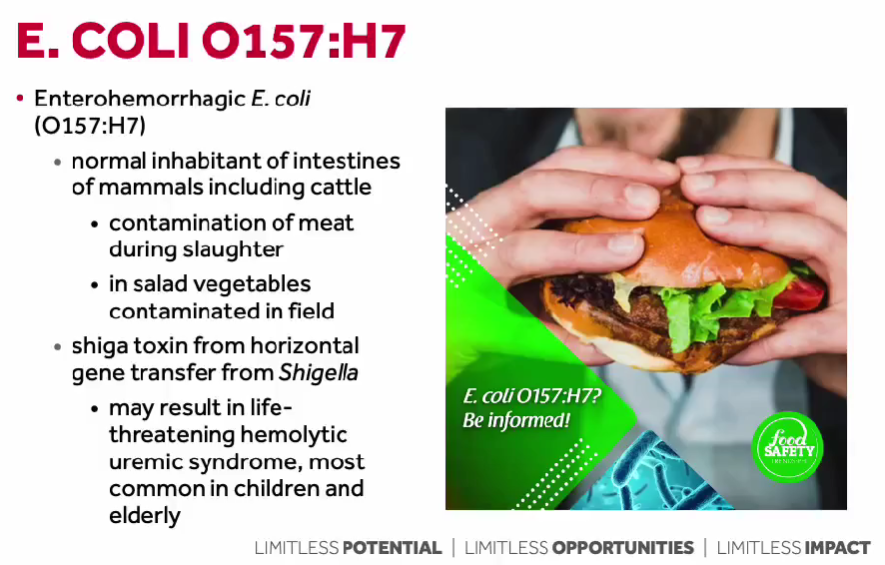
E. coli O157:H7: Known for severe symptoms, including hemolytic uremic syndrome, especially dangerous to children and the elderly.
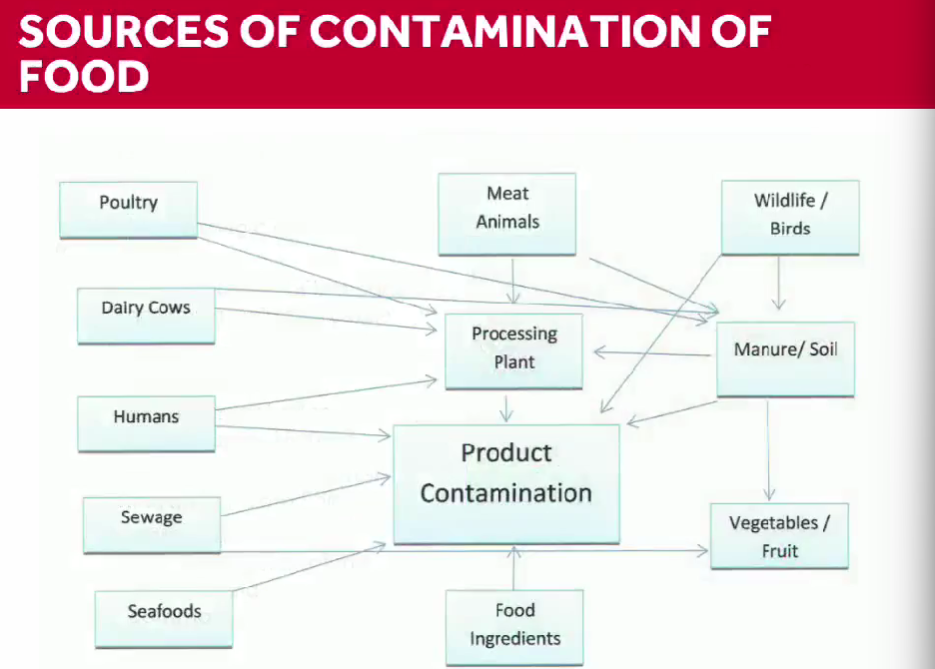
SOURCES OF FOOD CONTAMINATION
Various routes including animals, humans, wildlife, processing plants, sewage, etc. can contaminate food products. Key sources include:
Poultry
Cows
Meat products
Contaminated water and vegetables.
FOOD PRODUCTION AND FERMENTATION
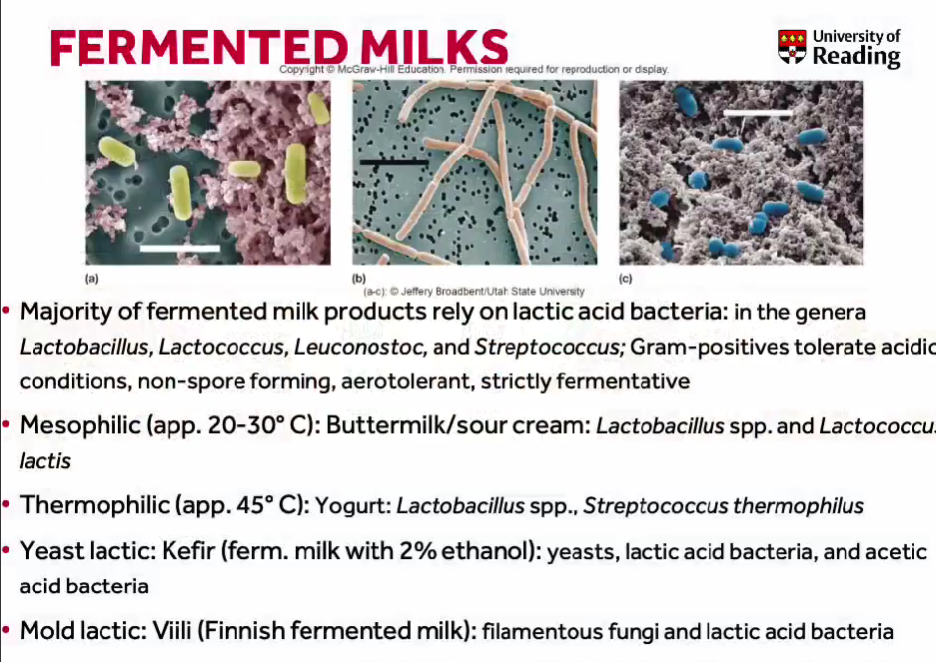
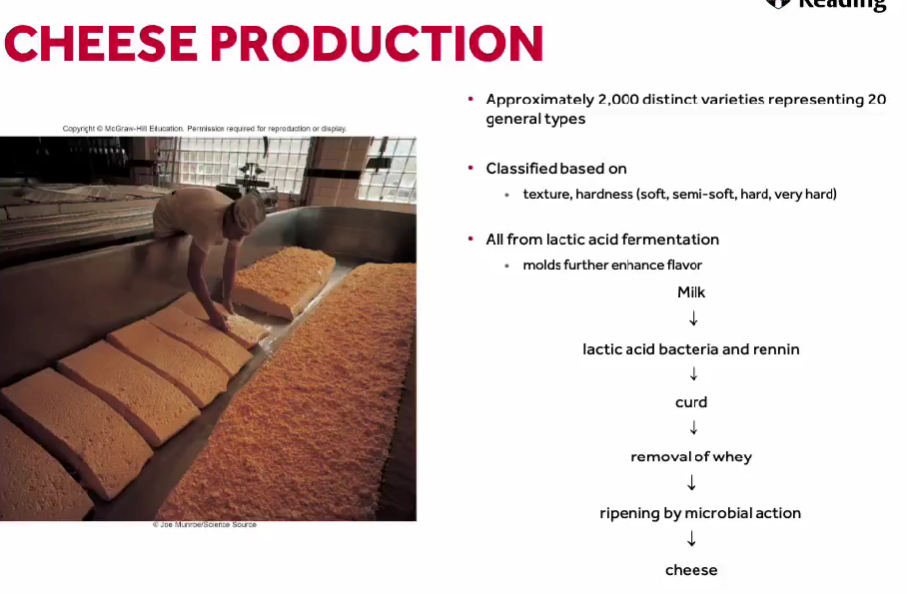
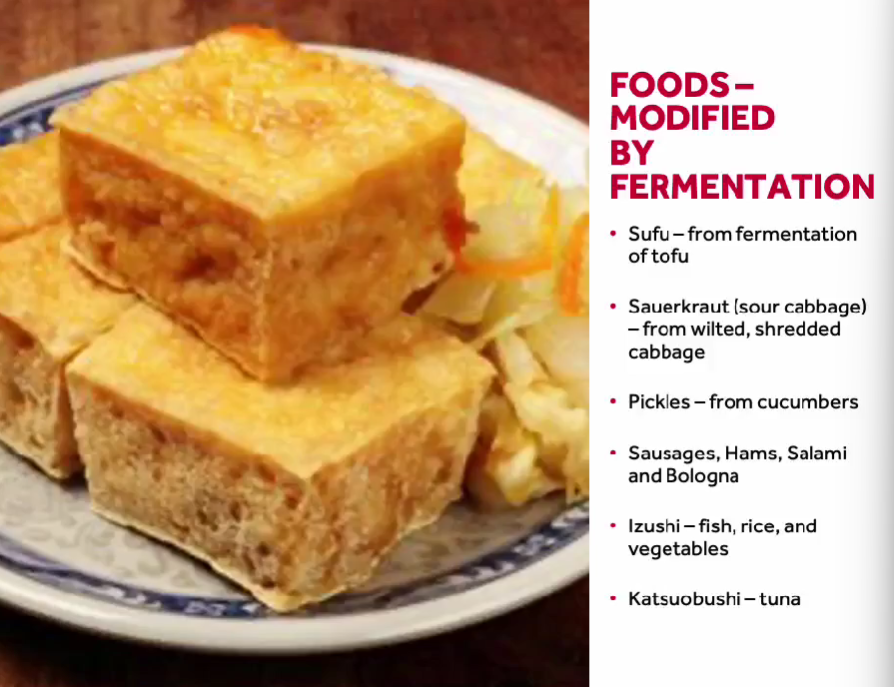
Fermented Products: Rely on lactic acid bacteria such as Lactobacillus.
Types of Fermented Products: Cheese varieties, fermented milks, and various traditional fermented foods from different regions.