Study Notes on Weathering and Sedimentary Rocks
Chapter 6: Weathering and Sedimentary Rocks
Overview of Weathering and Sedimentary Rock Formation
Parent Rock to Sedimentary Rock Transformation:
Weathering: physical/chemical breakdown of Earth’s materials at/near the surface
Physical/mechanical Weathering (leads to clastic)
Chemical Weathering (leads to non-clastic)
Erosion
Transport (w water/wind/ice)
As particles
In solution
Deposition
Types:
clastic sediments (physical)
non-clastic sediments (chemical)
Lithification
Compaction
Cementation
Mineralization Process - steps transforming parent rock to sedimentary rock.
Structural and chemical differences in rock can create spectacular formations.
Types of Weathering:
Mechanical Weathering
Chemical Weathering
Example location: Arches National Park, Utah.
Mechanical Weathering
Definition:
The breaking of rock materials by physical forces into smaller pieces, retaining the chemical composition of the parent material.
Processes Involved:
Frost wedging
Thermal expansion and contraction
Salt crystal growth - evaporation
Pressure release
Organic activity (e.g., roots, seeds)
Chemical Weathering
Definition:
rock materials are decomposed by chemical alteration of the parent material.
Importance:
Considered the most important weathering process due to the ubiquitous presence of water, even in arid climates.
Main Processes of Chemical Weathering:
Hydrolysis
Hydration
Oxidation
Solution/Leaching
Weathering, Sediment, and Sedimentary Rocks
Classification of Detrital Sedimentary Particles by Size:
Gravel: >2 mm in diameter (large)
Sand: 1/16 mm to 2 mm
Silt: 1/256 mm to 1/16 mm
Clay: <1/256 mm (small)
Sediment Transport and Deposition
Deposition Environments:
Sediment can be transported far from its source, depsoiting at:
Continental
Transitional
Marine
Lithification
Definition:
The process transforming sediment into sedimentary rock.
Key Processes of Lithification:
Compaction
Cementation
Types of Sedimentary Rocks
Clastic (Physical) Sedimentary Rocks:
classified by size and shape.
breccia vs. conglomerate - angular grains vs. round grains
Chemical (Non-clastic) Sedimentary Rocks:
precipitated by:
Chemical reactions
Metabolism of organisms
tyndall stone = limestone in manitoba
Sedimentary Structures:
Graded bedding (bigger rocks at bottom)
Ripple marks
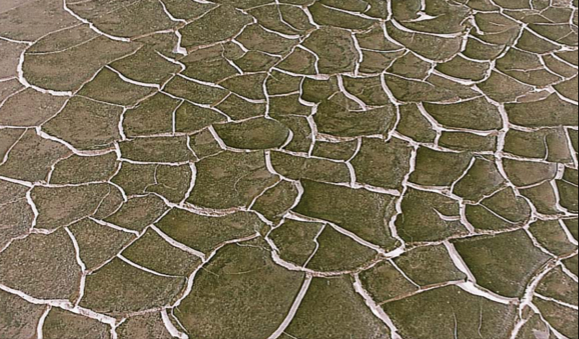
Mudcracks:
Fossils:
Remains and traces of ancient life.
Principle of Uniformitarianism:
"The present is the key to the past."