Solid, Liquid, & Gas and Physical + Chemical Notes
Solid, Liquid, and Gas
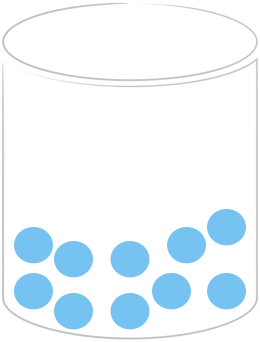
Liquid
- Some attraction forces between particles * takes the shape of the container
- Particles slide past each other
- particles are in constant motion - flow
| Volume | definite |
|---|---|
| Shape | indefinite |
| Compressibility | incompressible |
Solid
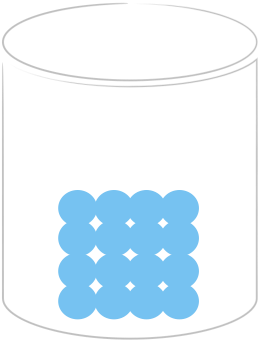
- Particles are ordered * Particles are packed tightly together and do not move (vibrate in place) * sample maintains its shape
- STRONGEST attractive force
| Volume | definite |
|---|---|
| Shape | definite |
| Compressibility | incompressible |
Gas
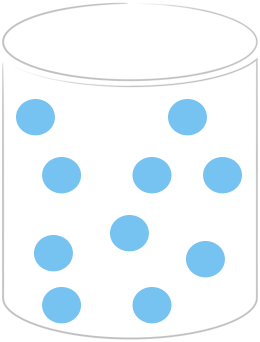
- Particles move in fast, random motions * expands to fill in the entire container * particles are in constant motion - flow
- WEAKEST attraction force
\
| Volume | indefinite |
|---|---|
| Shape | cannot be determined |
| Compressibility | compressible |
Chemical and Physical Properties/Changes
Physical Property
def: a characteristic that can be observed or measured without changing the identity of the substance - useful for identifying different substances - NO CHEMICAL REACTION
examples:
- density
- color
- shape
- volume
- mass
- luster
- texture
- state of matter (solid, liquid, gas)
- melting point
- conductivity
Physical Changes
def: a change in the substance where the composition of matter and its properties do not change - no new chemical substances are formed
Phase changes:
Sublimation: the transition of a substance directly from solid to gas without becoming liquid
Deposition: the transition of a substance directly from gas to solid without becoming liquid
Examples:
- All 6 phase changes
- ripping
- folding
- bending
- dissolving
Chemical Property
def: a substance’s ability to undergo changes to make a new substance - something that can be observed in a chemical reaction
examples:
- flammability
- ability to rust
- toxicity
Chemical Change
def: When one or more substances are converted into different substances with different properties, the chemical composition of a substance does change
examples:
- burning
- combustion
- rusting/oxidizing
- decomposing
- rotting
signs of chemical change:
City girls love their phones
c - color
g - gas
l - light
t - temperature
p - precipitate: a solid formed in a chemical change
s - smell/odor
\
Element, Compound, Mixture
Pure substance: a substance made up of one type of element or compound that cannot be broken down by physical separation methods (boiling, filters, magnets) but can be broken down or changed CHEMICALLY
- Element: a pure substance that cannot be broken down chemically into a simpler, stable substance - made up of one type of atom * ex: Hydrogen, oxygen, magnesium * diatomic element: two of the SAME elements * ex: N2
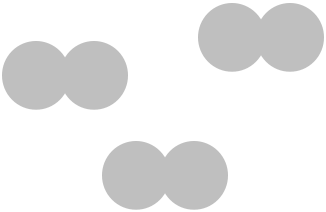

- Compound: a pure substance that can be broken down chemically into a simpler, stable substance - made from the atoms of two or more elements chemically bonded in fixed proportions * ex: HO2, carbon dioxide, water, sugar, sodium chloride
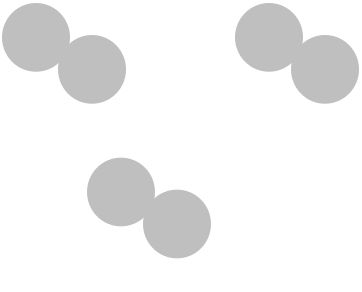
\
Mixture: a substance made up of more than one type of pure substance that can be broken down by physical separation methods
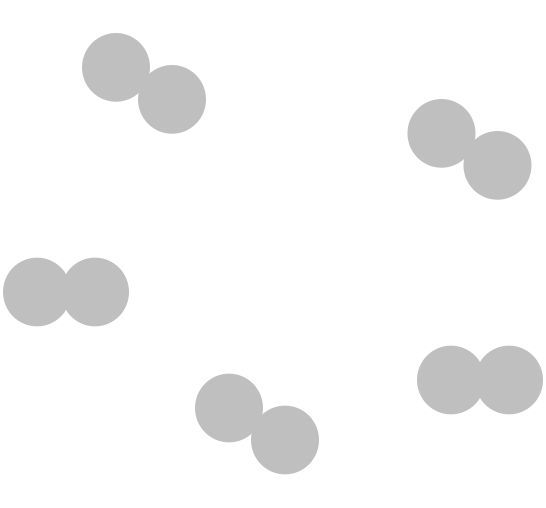
- Homogenous mixture: a mixture in which the substances are uniformly distributed (solution) * ex: iced tea, air, salt water
- heterogeneous mixture: a mixture in which the substances are NOT uniformly distributed * ex: cookies and cream ice cream, milk and cereal, dirt
\